Culture
How Tanzanian Daily Rituals Shape Family and Community Bonds
Encounters Africa - 10 min read
Updated on 21 July 2026
In the heart of East Africa, Tanzanian daily rituals form the invisible threads that hold families and communities together. From the first light of dawn to the quiet hours after sunset, these practices weave a rich tapestry of connection, respect, and shared identity across more than 120 ethnic groups. This article examines how everyday customs in Tanzania strengthen social bonds, offering travellers a deeper understanding of the cultural rhythms that shape life in this vibrant nation.
Tanzania's cultural landscape reveals that communal meals, respectful greetings, and collective decision-making are far more than habits; they are the foundation of social harmony. With over 57 million people spread from the shores of the Indian Ocean to the slopes of Mount Kilimanjaro, these rituals adapt to local contexts while maintaining core values of togetherness and mutual support. The best time to explore these living traditions is during dry seasons from June to October or December to February, when community events and village life are most accessible to respectful visitors.
The rhythm of a Tanzanian day is measured not by clocks but by the warmth of shared greetings and the aroma of meals prepared together.
The Morning Greeting: More Than Simple Words
As the sun rises over Tanzania's diverse landscapes, the day begins with greetings that carry layers of meaning. In Swahili-speaking regions, the exchange of "Habari za asubuhi" (news of the morning) followed by thoughtful responses creates an immediate sense of connection. These interactions, which can last several minutes, demonstrate genuine interest in another's wellbeing rather than serving as mere formality.
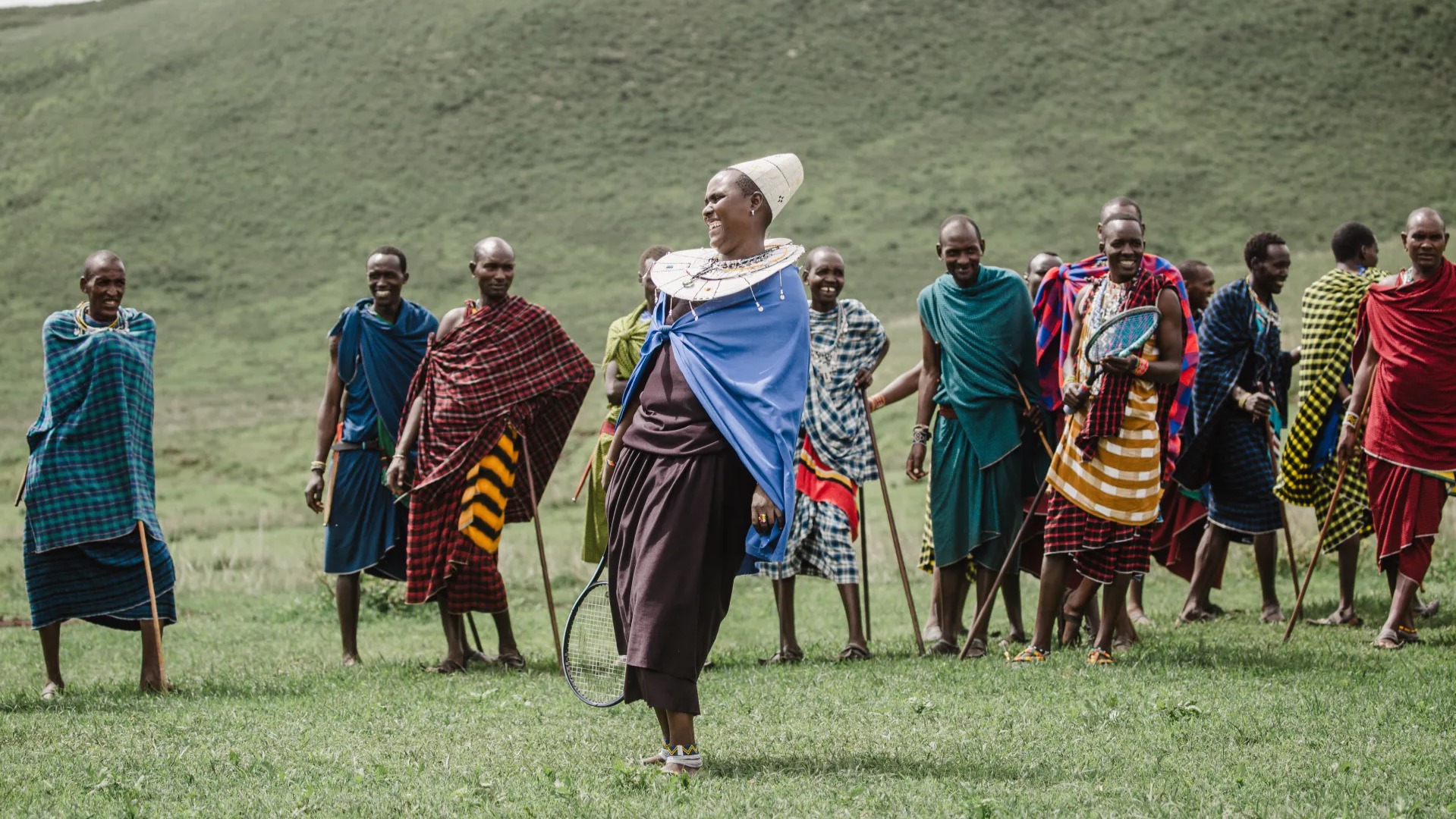
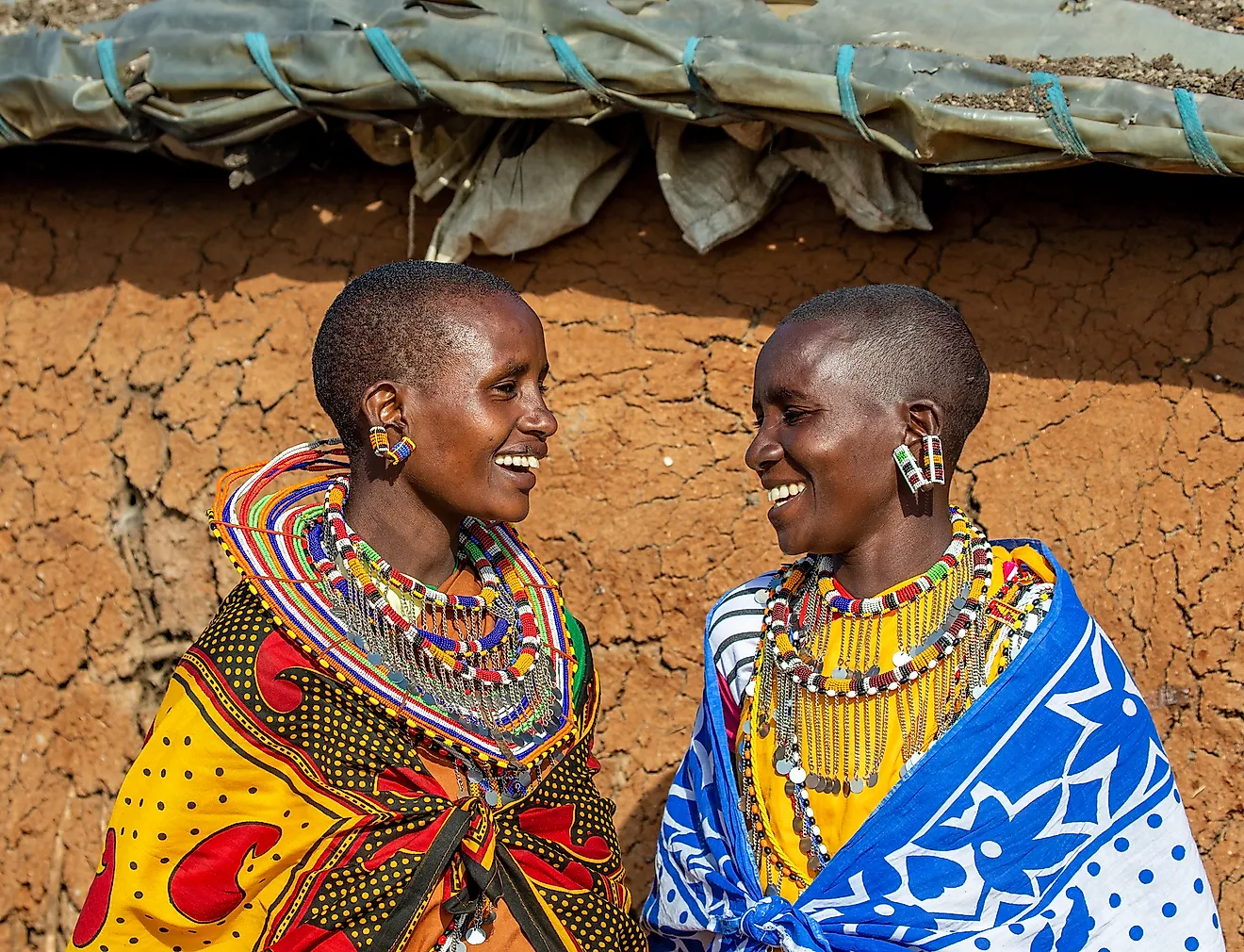
Among the Maasai in northern regions, morning rituals involve elaborate inquiries about family health, livestock, and recent events. Elders receive particular deference, with younger members often lowering their gaze or using specific honorific terms. This practice reinforces intergenerational respect and ensures that knowledge flows from experienced voices to the next generation.
In coastal communities influenced by Swahili and Arab heritage, the morning prayer followed by neighbourly visits establishes the day's social framework. Families often share a light breakfast of uji (porridge) or maandazi (fried bread) while discussing plans, creating space for both practical coordination and emotional bonding.
Regional Variations in Morning Customs
Highland communities around the Usambara Mountains begin their days with collective water collection at communal springs, where songs and stories accompany the task. This shared labour transforms a mundane chore into an opportunity for social exchange and support.
In Zanzibar's stone towns, the call to prayer intertwines with the aroma of fresh kahawa (coffee) being prepared in small street-side stalls. Families gather briefly before dispersing to schools, markets, or fishing boats, their parting words carrying blessings for the day ahead.
Every greeting exchanged in Tanzania carries an unspoken promise: we see each other, we value each other, we belong to one another.
Communal Meals: The Heartbeat of Family Life
Across Tanzania, the sharing of food represents far more than sustenance. The midday meal, typically the largest of the day, brings family members together around a central platter. Using the right hand to eat from shared dishes of ugali (maize porridge), rice, or bananas reinforces both practical efficiency and symbolic unity.
In rural areas, meals often extend beyond the nuclear family to include neighbours, visitors, and those in need. This practice of karibu (welcome) ensures no one eats alone, strengthening community resilience during times of hardship. Children learn from an early age that refusing food offered in friendship borders on insult.
Evening meals carry a more reflective quality. As darkness falls, families gather by lamplight or firelight to recount the day's events. Stories of success, challenges, and observations become teaching moments, with elders guiding younger members through life's complexities via narrative rather than direct instruction.
Culinary Traditions That Bind Generations
Preparation of meals itself forms an important ritual. In many households, girls learn from their mothers and grandmothers the precise techniques for grinding spices, balancing flavours, and timing the cooking of pilau or nyama choma (grilled meat). These kitchen sessions create natural spaces for transmitting cultural knowledge, family histories, and life wisdom.
During special occasions, the scale of communal eating expands dramatically. Weddings, births, and harvest celebrations might see entire villages contributing food and labour. A single ceremony can involve preparing meals for hundreds, with different families responsible for specific dishes according to longstanding traditions.
Community Decision-Making and Conflict Resolution
Tanzanian society places significant emphasis on consensus-building. In many villages, important decisions are discussed in open forums where everyone has the right to speak. This approach, rooted in pre-colonial governance systems, prioritises harmony over individual victory.
The concept of baraza (council meetings) remains vital in both rural and some urban settings. Elders facilitate discussions with patience and wisdom, allowing all perspectives to be heard before moving toward agreement. This process can take hours or even days but results in solutions that enjoy broad community support.
When conflicts arise, Tanzanians often turn first to respected community members rather than formal legal systems. Mediation through elders or family councils emphasises restoration of relationships over punishment, reflecting a deep cultural preference for maintaining social cohesion.
In Tanzania, the strength of a community is measured not by its wealth but by how effectively it resolves differences while preserving dignity for all involved.
Life Cycle Rituals: Marking Transitions Together
From birth to death, Tanzanian communities mark life's major transitions with collective participation. Naming ceremonies, typically held seven days after a child's birth, welcome the newborn into both family and broader social networks. Extended family members travel considerable distances to attend, bringing gifts and blessings.
Initiation rites remain important in many ethnic groups, though their forms vary widely. Among the Chagga of Kilimanjaro, young people historically underwent tests of courage and endurance before being recognised as adults. While some practices have been modified for modern contexts, the underlying principle of communal investment in each generation's development persists.
Marriage ceremonies blend legal, religious, and traditional elements. Negotiations between families often span months, with dowry discussions serving as much to establish alliances as to transfer material goods. The actual wedding typically involves multiple days of celebration, feasting, dancing, and the formal joining of two family networks.
Honouring Elders and Ancestors
Respect for elders forms a cornerstone of Tanzanian social organisation. In many communities, older members receive the first and best portions of food, have priority in greetings, and occupy positions of authority in decision-making. This reverence extends beyond the living to include regular acknowledgement of ancestors through libations, prayers, or simple remembrance.
Funeral rites blend sorrow with celebration of a life well-lived. Communities come together to support grieving families through practical help, shared meals, and collective mourning. The period following a death often sees neighbours handling household tasks, allowing family members space to process their loss within the safety of community support.
Modern Adaptations of Traditional Practices
While urbanisation and globalisation bring changes, many Tanzanian daily rituals have shown remarkable resilience. City dwellers often maintain strong connections to their ancestral villages, returning for important ceremonies and sending financial support for community projects. Mobile phones now facilitate the coordination of these extended family networks across distances.
Education and professional careers have modified some practices without eliminating their essence. Working families might share evening meals later than their rural counterparts, but the commitment to gathering together remains strong. Many urban households still observe traditional greetings and respect protocols when visiting family in rural areas.
Government initiatives and NGOs increasingly recognise the value of these cultural frameworks. Community-based conservation programmes, health education campaigns, and development projects often work through existing social structures rather than attempting to replace them. This approach has proven particularly effective in areas like Tanzania's national parks, where local knowledge and communal decision-making support sustainable wildlife management.

What Visitors Should Know About Tanzanian Customs
Respectful engagement with Tanzanian daily life begins with observation and humility. Learning a few basic Swahili phrases demonstrates appreciation for local culture and opens doors to genuine interaction. Simple greetings, properly delivered, can transform a visitor from outsider to welcomed guest.
When invited to share a meal, following local customs shows respect. Eating with the right hand, accepting food with both hands when offered, and expressing genuine appreciation for the hospitality matter more than perfect technique. In many communities, leaving a small amount of food on your plate signals satisfaction with the generous portions provided.
Photography and documentation of cultural practices require particular sensitivity. Always ask permission before taking images of people or private ceremonies. In some communities, certain rituals are not for public viewing, and respecting these boundaries strengthens rather than diminishes the experience.
True connection with Tanzanian communities happens not through grand gestures but through the patient accumulation of small, respectful interactions that honour local ways of being.
The Enduring Power of Daily Rituals
Tanzania's cultural practices continue to evolve while maintaining their essential role in binding families and communities. These daily rituals provide stability amid rapid social and economic changes, offering younger generations both roots and wings. For travellers willing to look beyond surface impressions, they reveal the profound wisdom embedded in seemingly simple habits.
From the intricate beadwork of Maasai women to the rhythmic drumming that accompanies celebrations in the southern highlands, these practices carry forward ancestral knowledge while adapting to contemporary realities. They demonstrate how culture lives not in museums but in the choices people make each day about how to greet their neighbours, share their resources, and face life's challenges together.
Discovering Tanzania's Living Heritage
Understanding Tanzanian daily rituals transforms how we experience this remarkable country. What might appear as simple habits reveal themselves as sophisticated systems for maintaining social harmony, transmitting values, and ensuring collective wellbeing. These practices remind us that the most meaningful travel experiences often lie in the spaces between famous landmarks and wildlife encounters.
Encounters Africa has built deep relationships with communities across Tanzania, from the shores of Lake Tanganyika to the wildlife-rich plains of the Serengeti. Our guides, many of whom come from the very villages visitors wish to understand better, offer privileged access to cultural experiences that respect local protocols while creating meaningful exchange.
For discerning travellers seeking a private safari beyond our set itineraries, we invite you to contact us directly. We specialise in designing exceptional, tailor-made journeys for individuals, couples, families, and private groups of up to eight guests. Drawing on our handpicked network of distinguished camps and lodges, we curate every detail with precision and care, creating a seamless, deeply personal safari experience shaped entirely around your preferences, pace, and budget.
Whether you wish to spend time with Elewana Serengeti Pioneer Camp hosts learning about conservation initiatives that benefit surrounding communities or arrange a private visit to a traditional healer in the Selous region, we can facilitate authentic encounters that honour the dignity and complexity of Tanzanian cultural life. The enquiry form on our website offers the perfect starting point for beginning this conversation.
More like this
Culture
How Zambian People and Culture Blend Tradition with Modern Change
Culture
How Zimbabwe's Ancient Hunting Traditions Shape Daily Village Life
Culture
Inside Botswana's Living Traditions: What Sets the San and Tswana Apart
Culture
Inside the Living Traditions That Define Cultural Importance in Western Africa
Culture
Inside the Rhythms of Zimbabwean Culture and People

Culture