Tips & Advice
How to Choose the Right Luxury Lodge in Zambia for Your Safari Style
Encounters Africa - 11 min read
Updated on 18 June 2026
tips and advice for luxury safaris in Zambia begin with understanding that each lodge tells its own story through its setting, guiding philosophy, and approach to guest immersion. Whether you seek the thrill of walking with armed scouts in South Luangwa or the drama of boat-based game viewing along the Zambezi, selecting the right property shapes every aspect of your experience. The country’s flagship camps blend refined comfort with genuine wilderness proximity, creating opportunities for encounters that linger long after your journey ends.
A Zambian luxury lodge should feel like an extension of the landscape rather than an imposition upon it. From the thatched suites cantilevered over the Luangwa River to the canvas pavilions tucked beneath ancient ebony trees, these properties offer far more than high-thread-count linens and private plunge pools. They provide privileged access to some of Africa’s most dynamic wildlife systems, where the daily rhythm of game drives, walking safaris, and fireside conversations reveals the true character of the bush.
The right lodge doesn’t just accommodate you; it transforms the way you listen to the African night and observe the subtle language of the wild.
Understanding Zambia’s Distinct Safari Regions
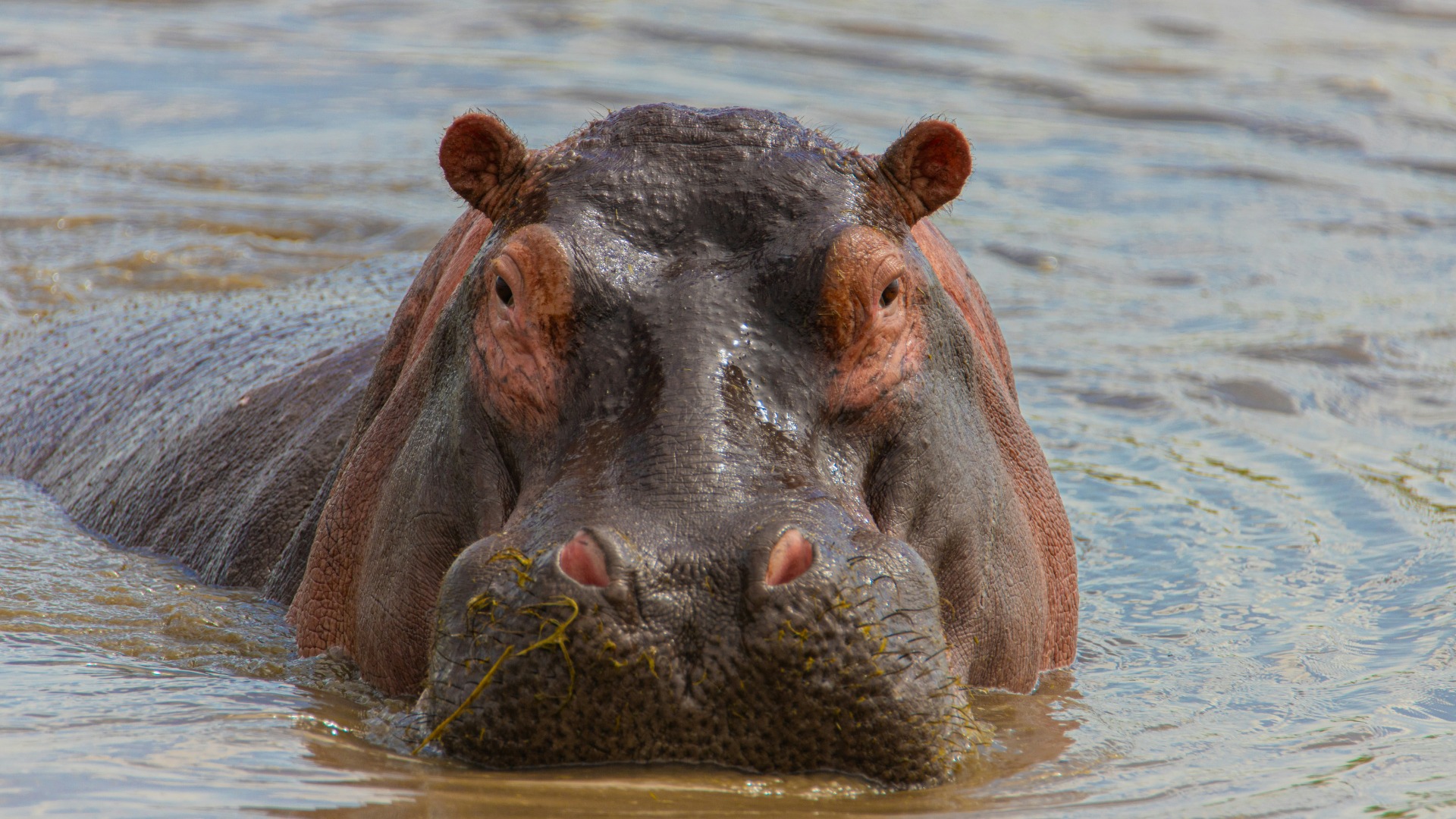
Zambia offers three primary safari zones, each demanding a different lodge selection based on your preferred style of exploration. South Luangwa National Park delivers exceptional game density and the country’s most developed walking safari tradition. Here, lodges position themselves along the meandering Luangwa River, where hippos wallow by day and lions hunt by night. The dry season from June to October concentrates wildlife dramatically, while the emerald season brings migratory birds and lush, photogenic landscapes.
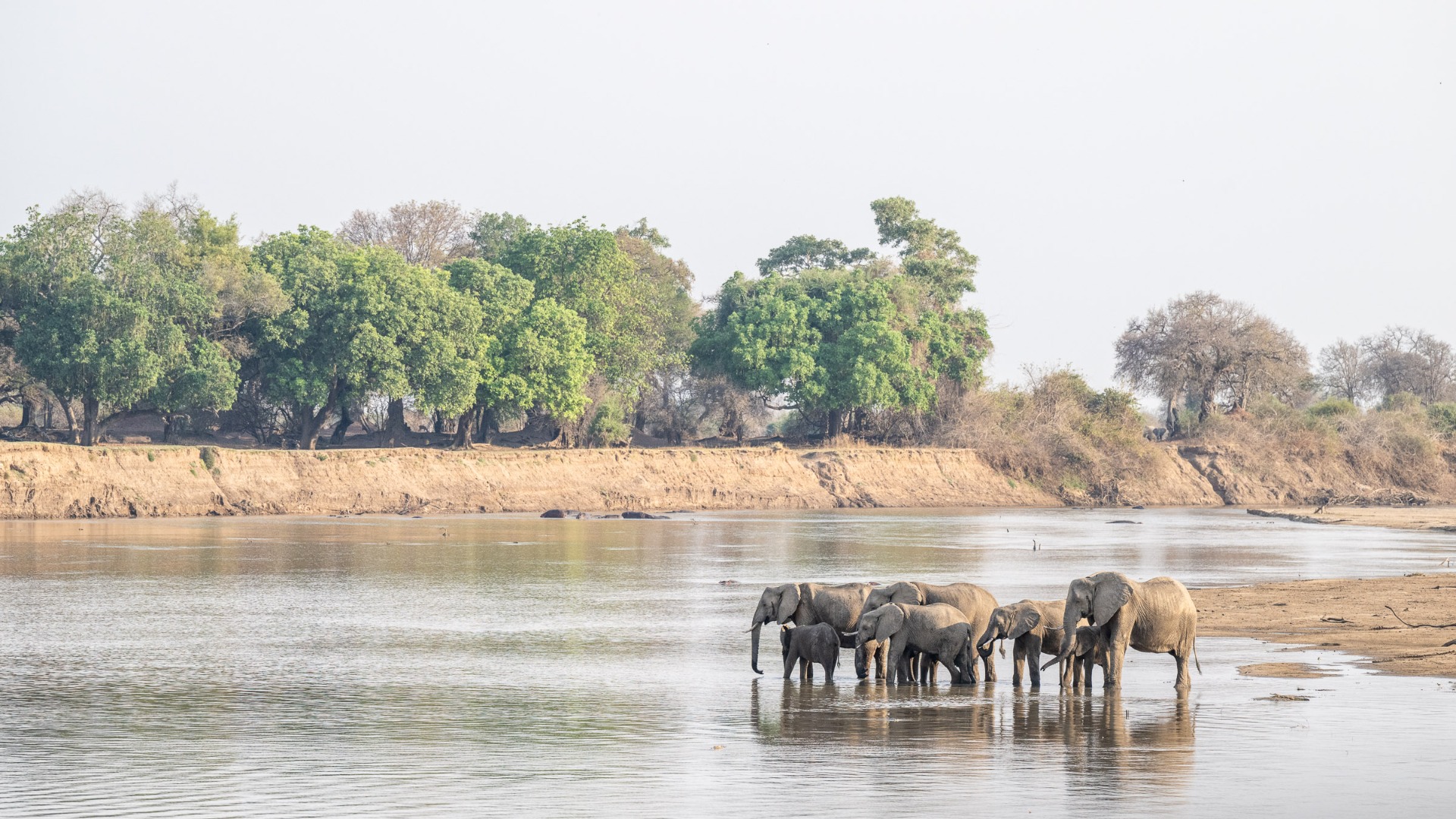
The Lower Zambezi National Park provides a contrasting experience with its focus on river-based activities. Camps here specialise in canoeing past basking crocodiles, drifting alongside elephant herds coming to drink, and enjoying the theatrical sunsets over the Zambezi escarpment. This region rewards those who appreciate water and the changing light as much as the mammals themselves. Further west, the vast wilderness of Kafue National Park spans 22,400 square kilometres, offering remote, low-density experiences where lodges often serve as the only permanent human presence for many kilometres.
Each region presents unique seasonal patterns. In South Luangwa, October brings the most intense game viewing with over 1,000 animals sometimes visible from a single vantage point. Lower Zambezi peaks between July and September when the river level drops, exposing sandbars favoured by game. Kafue’s Busanga Plains transform into a flooded wetland from December to April, creating one of Africa’s most spectacular wildlife spectacles with thousands of red lechwe and their predators.
Matching Your Interests to Regional Strengths
Consider whether you prefer the intimacy of tracking spoor on foot or the comfort of elevated viewing platforms. South Luangwa excels in walking safaris, with many lodges offering daily excursions led by highly qualified scouts who have spent decades reading the bush. Lower Zambezi shines for those who enjoy combining game drives with fishing, canoeing, and boat safaris. Kafue appeals to travellers seeking true remoteness and the possibility of having entire landscapes to themselves.
In Zambia, the quality of your safari depends less on how many animals you see and more on how deeply you understand the landscape that sustains them.
Tips and Advice for Luxury Safaris: Key Factors When Choosing a Lodge
When evaluating properties, look beyond marketing imagery to the practical realities that define each experience. The size of the camp matters significantly. Intimate lodges with six to ten tents foster a more personalised atmosphere where guides can tailor activities to individual interests. Larger properties may offer more facilities but can feel less exclusive during peak seasons.
Examine the guiding team’s credentials and tenure. The most rewarding lodges employ guides who have spent years, sometimes decades, in the same concession. These professionals don’t simply point out animals; they interpret behaviour, explain ecological relationships, and create narrative threads that connect each day’s sightings. Many top camps maintain a ratio of one guide and tracker team per vehicle, ensuring personalised attention even when multiple families share the same camp.
Consider how each property approaches conservation and community engagement. Zambia’s leading lodges support everything from anti-poaching initiatives to local education programmes. Properties that transparently share their impact create richer experiences, allowing guests to understand how their visit contributes to protecting these precious ecosystems. This alignment between luxury and responsibility has become a hallmark of the most respected operators.
Accommodation Style and Integration with Nature
Luxury in Zambia expresses itself through thoughtful design that enhances rather than insulates you from the environment. Some camps feature raised wooden decks that place you eye-level with passing giraffes, while others offer canvas walls that allow the sounds of the bush to become your nightly lullaby. Decide whether you prefer the romance of traditional tented accommodation or the solidity of stone and thatch structures.
Private plunge pools have become increasingly common, yet their value depends on positioning. A pool overlooking a busy game trail offers far more than one tucked behind a thicket. Similarly, the placement of your outdoor shower or bathtub can dramatically affect how you experience the rhythms of dawn and dusk. The most successful designs frame these daily rituals with views that make even routine activities feel extraordinary.

What to Expect from Daily Routines at Zambian Luxury Lodges
Most properties follow a similar schedule that maximises time in the field during optimal wildlife viewing hours. Expect wake-up calls around 5:30am for morning activities, followed by a substantial brunch upon return. Afternoon tea precedes the second excursion, with dinner typically served under the stars or in an atmospheric boma after the day’s adventures conclude.
Flexibility remains one of the greatest advantages of private guiding. Unlike larger operations with fixed departure times, luxury lodges can adjust schedules based on the morning’s sightings or your energy levels. Some days you might return early for a massage or spend extra hours with a particular leopard and her cubs. This ability to follow the bush’s rhythm rather than the clock distinguishes premium experiences.
Evenings often feature fireside gatherings where guides share stories that illuminate the day’s events. These informal briefings help guests process their observations and understand the broader ecological context. Many travellers report that these conversations become some of their most treasured memories, revealing layers of understanding that transform a simple game drive into a profound learning experience.
Preparing for Variable Weather Conditions
Zambia’s climate requires thoughtful packing regardless of season. Even during the dry months from May to October, temperatures can swing from single digits at dawn to the mid-30s Celsius by afternoon. Layering becomes essential, with warm fleece jackets, windproof outer layers, and comfortable walking shoes forming the foundation of any sensible wardrobe.
The wet season from November to April brings dramatic thunderstorms and lush vegetation. While many lodges close during peak rains, those that remain open offer exceptional value with fewer visitors and the chance to witness dramatic green season spectacles. Waterproof binoculars, quick-dry clothing, and a positive attitude towards occasional downpours serve travellers well during these months.
The African bush reveals its most authentic self to those willing to embrace its changing moods rather than expecting constant perfection.
Health, Safety and Practical Considerations
Malaria remains a consideration throughout Zambia, particularly during the wetter months. Reputable lodges provide comprehensive information about prophylaxis, mosquito netting, and evening spray-downs. Most properties maintain high standards of medical preparedness, with trained staff and evacuation protocols in place. Discuss any specific health concerns with your chosen lodge well in advance.
Security protocols vary by location but generally include strict guidelines about moving around camp after dark. Professional escorts accompany guests between their accommodations and main areas during evening hours. These measures, while occasionally feeling formal, reflect a genuine commitment to guest safety while minimising disruption to nocturnal wildlife patterns.
Photography enthusiasts should consider each camp’s approach to vehicle positioning and time spent with sightings. Some properties specialise in low-impact approaches that allow animals to behave naturally, while others prioritise photographic opportunities. Clarify these policies before booking if capturing exceptional images forms a central part of your safari goals.
Understanding Walking Safari Protocols
Zambia pioneered the modern African walking safari, and this tradition remains central to many luxury lodges, particularly in South Luangwa. These experiences follow strict safety protocols developed over decades. Guests must follow their guide’s instructions precisely, maintain silence, and wear muted colours. The reward for this discipline comes in the form of unparalleled proximity to wildlife and an embodied understanding of the bush that vehicle-based safaris cannot replicate.
Not all lodges offer walking safaris with equal frequency or quality. Those with dedicated walking guides and long-standing relationships with scout teams typically provide the most rewarding experiences. If this activity appeals to you, enquire specifically about how many walks are included in your stay and whether they can be customised based on fitness levels and interests.
Conservation Impact and Community Connections
The most thoughtful luxury lodges in Zambia integrate conservation and community initiatives seamlessly into their operations. Many support local schools, health clinics, and skills development programmes that extend benefits far beyond their boundaries. Others work closely with national park authorities on anti-poaching, research, and habitat restoration projects.
Understanding a property’s conservation credentials helps ensure your visit contributes positively to the ecosystems you’ve come to experience. Leading operators publish annual impact reports detailing everything from trees planted to scholarships awarded. These transparent lodges often facilitate meaningful interactions with community projects, creating opportunities for cultural exchange that enrich your understanding of Zambia beyond its wildlife.
Photographic tourism has emerged as a powerful conservation tool in Zambia. Lodges that cater specifically to photographers often support long-term research projects, providing vehicles and logistical support to scientists studying everything from African wild dog populations to vulture breeding success. Choosing such properties allows your passion for imagery to directly support scientific understanding and protection efforts.
How to Maximise Your Luxury Safari Experience
The most rewarding stays happen when guests arrive with realistic expectations and open minds. Resist the urge to create a mental checklist of must-see species. Instead, focus on absorbing the sensory richness of each moment: the particular way morning light filters through mopane leaves, the complex symphony of frog calls after rain, the distinctive scent of dust raised by a passing elephant herd.
Engage actively with your guides. The difference between a good safari and an exceptional one often lies in the quality of questions asked and observations shared. Experienced guides appreciate travellers who demonstrate genuine curiosity about everything from dung beetle navigation to the social structure of lion prides. These conversations frequently lead to more personalised experiences and deeper understanding.
Take time between activities to simply sit and observe from your private deck or the camp’s communal areas. Some of the most profound wildlife encounters happen not during scheduled game drives but while watching a family of banded mongooses forage nearby or listening to the territorial calls of distant lions as you enjoy your morning coffee.

True luxury in the African bush lies not in what is provided, but in what is revealed when you slow down enough to notice.
Conclusion
Choosing the right luxury lodge in Zambia requires balancing practical considerations with personal preferences and conservation values. By focusing on guiding quality, environmental integration, and operational philosophy rather than simply chasing the newest property or largest suite, you position yourself for an experience that resonates long after your return home. The country’s leading camps understand that authentic luxury means creating space for wonder, reflection, and genuine connection with the natural world.
For discerning travellers seeking a private safari beyond our set itineraries, we invite you to contact us directly. We specialise in designing exceptional, tailor-made journeys for individuals, couples, families, and private groups of up to eight guests. Drawing on our handpicked network of distinguished camps and lodges, we curate every detail with precision and care, creating a seamless, deeply personal safari experience shaped entirely around your preferences, pace, and budget.
Whether you’re drawn to the walking traditions of South Luangwa, the riverine drama of the Lower Zambezi, or the vast wilderness of Kafue, Zambia offers sophisticated safari options for every style. Our specialists can help match you with properties like Chichele Presidential Lodge or Puku Ridge that perfectly align with your vision. Visit our enquiry form to begin planning your Zambian safari with Encounters Africa.
More like this
Tips & Advice
How to Match African Family Lodges to Your Children's Ages and Interests
Tips & Advice
How to Prepare for Your First African Safari Without Overpacking or Overthinking
Tips & Advice
How to Recognize and Capture Profound Wildlife Sightings on African Safaris
Tips & Advice
How Tourists Can Actively Shield Botswana’s Fragile Ecosystems During Their Visit
Tips & Advice
How Travelers Can Directly Bolster Anti-Poaching Initiatives Across Kenya and Tanzania
Tips & Advice