Tips & Advice
How Shifting Animal Patterns Are Reshaping Maasai Ceremonies in Kenya
Encounters Africa - 8 min read
Updated on 11 August 2026
Shifting animal patterns are reshaping Maasai ceremonies in Kenya, altering long-held traditions that once aligned perfectly with predictable wildlife cycles. As climate variability and habitat pressures transform migration routes and population densities, communities must adapt rituals that have endured for generations. This evolution not only preserves cultural identity but also creates richer, more authentic encounters for travellers seeking deeper connections with both people and nature.
Across East Africa, these changes reflect a broader dialogue between human heritage and the natural world. From modified lion hunts to revised seasonal festivals, the interplay between wildlife movements and cultural practices offers profound insights. The best time to visit for witnessing these living traditions is during the shoulder seasons, typically May to June or November, when communities host ceremonies less affected by peak safari crowds.

The Traditional Bond Between Maasai Life and Wildlife
For centuries, the Maasai have structured their society around the rhythms of the animals sharing their landscape. Cattle herding, initiation rites, and spiritual ceremonies drew on specific species at precise times of year. A young warrior's passage into manhood once depended on demonstrating bravery during encounters with lions that followed reliable seasonal paths across the Masai Mara.
These practices wove respect for the wild into everyday existence. Beadwork patterns told stories of successful hunts, while dances mimicked the movements of migrating herds. The sensory experience of these events — the dust rising under bare feet, the resonant chants echoing at dusk — created an immersive theatre where humans and animals occupied interconnected roles.
The lion does not simply appear in Maasai ceremony; it carries the weight of generations, teaching courage while reminding us that our fates remain entwined.
How Lion Populations Influence Coming-of-Age Rites
Historically, the olamayio ceremony required young men to prove their readiness by confronting a lion. With lion territories shifting due to changing rainfall patterns and prey availability, many communities now incorporate alternative demonstrations of strength. Some groups have replaced the physical hunt with tracking expeditions or conservation monitoring that still honour ancestral values.
These adaptations maintain the ceremony's core purpose while aligning with modern realities. Travellers fortunate enough to witness these revised rites often describe a palpable sense of continuity mixed with innovation, where the scent of woodsmoke and the cadence of traditional songs remain unchanged even as the narrative evolves.
Climate-Driven Changes Reshaping Cultural Calendars
Rising temperatures and erratic rainfall have disrupted the once-predictable movements of wildebeest, zebra, and other key species across the Serengeti-Mara ecosystem. What was once a reliable annual spectacle now arrives weeks earlier or later, forcing adjustments to festivals that marked these events. In Kenya alone, studies indicate that migration timing has shifted by up to 18 days over the past two decades.
Harvest celebrations and communal gatherings once synchronised with the arrival of vast herds now incorporate new indicators from the landscape. Elders read changes in bird behaviour and vegetation cycles to determine auspicious dates. This flexibility demonstrates remarkable cultural resilience while offering visitors windows into dynamic living heritage.
Impacts on Ceremonial Timing and Location
Many Maasai moran (warrior) training periods have been rescheduled to avoid overlapping with altered game movements that affect grazing for livestock. Ceremonies that traditionally took place near specific water sources may now occur further afield as animals seek new territories. These practical adjustments carry deeper significance, reinforcing teachings about adaptability passed through oral histories.
For those joining Kenya safari experiences with cultural components, this means greater opportunities to engage with genuine community life rather than staged performances. The raw authenticity emerges most powerfully when visitors witness how traditions respond to environmental signals in real time.
When the herds arrive later than the stories foretold, the songs change but the reverence remains, teaching both community and visitor that culture must breathe with the land.
Parallel Adaptations Across African Communities
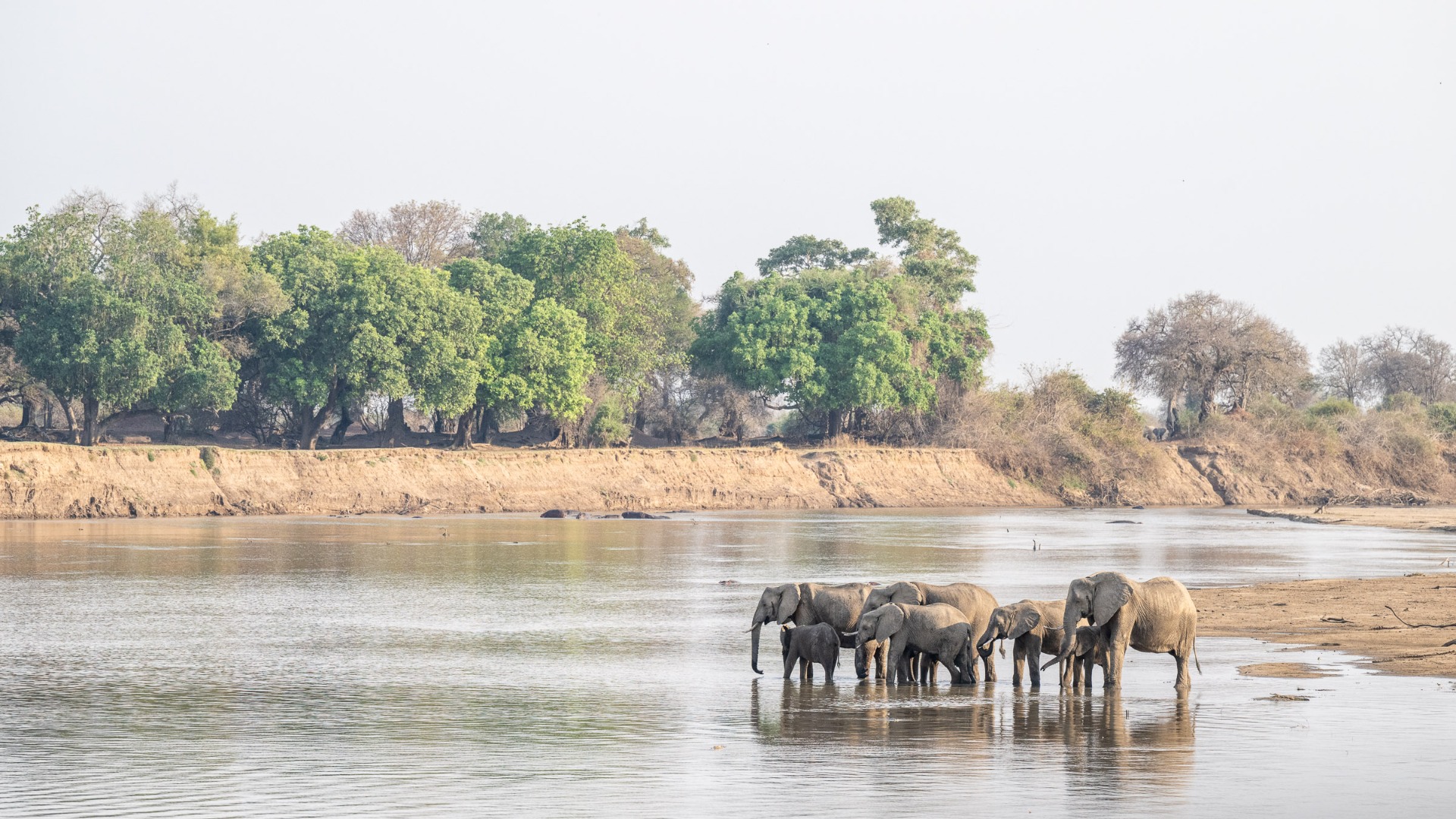
The Maasai experience mirrors transformations occurring throughout the continent. In Tanzania, initiation rites near Volcanoes National Park have incorporated new elements as gorilla movements affect traditional forest resource gathering. Further south, harvest festivals in Zambia now account for changing elephant patterns that influence crop protection strategies.
These examples illustrate how wildlife changes compel broader cultural evolution. Communities that once relied on specific animal behaviours for timing important events now integrate scientific data alongside ancestral knowledge. This synthesis creates hybrid practices that honour the past while addressing present challenges.
From Tanzania to Zambia: Diverse Cultural Responses
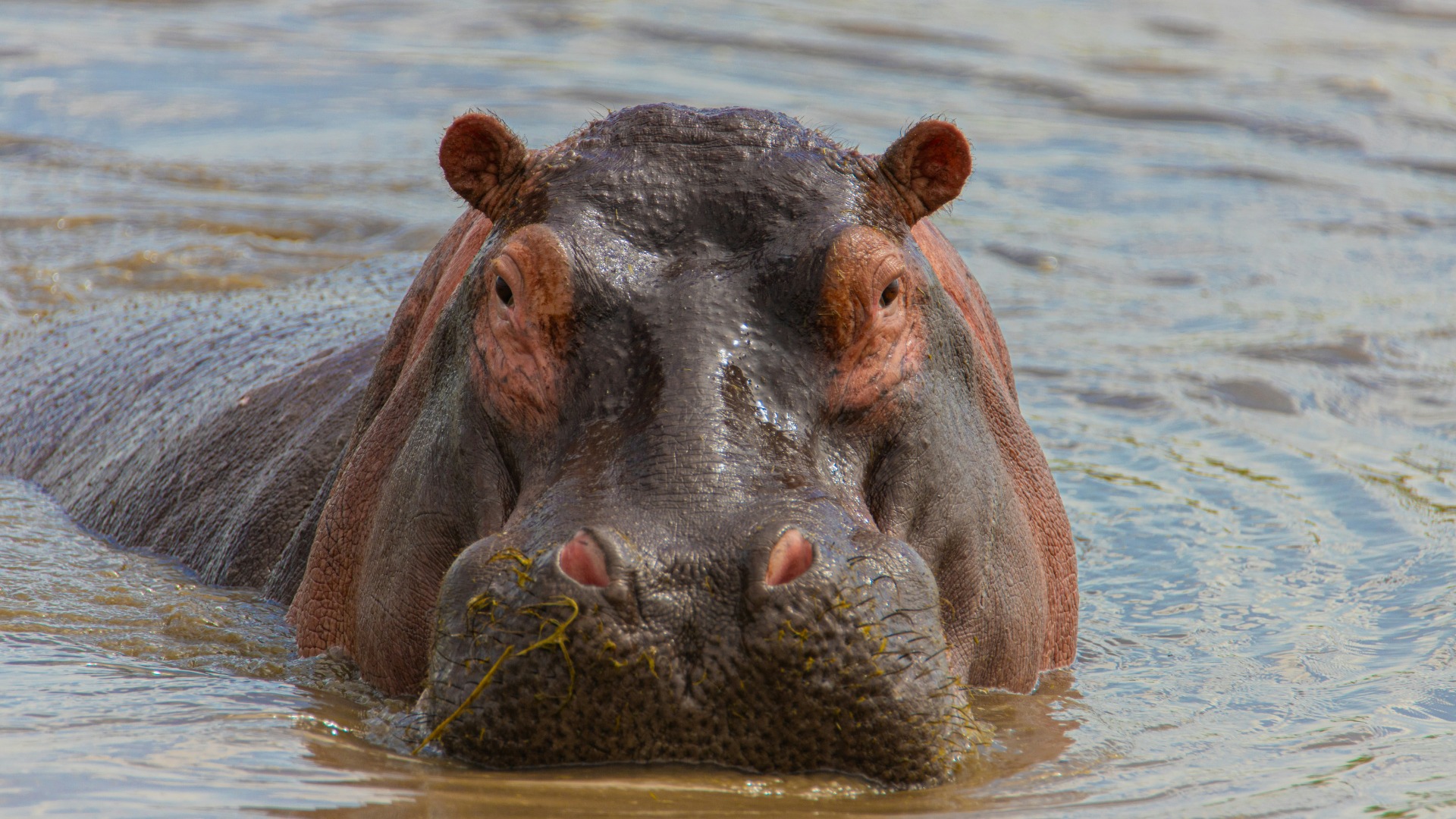
In Tanzania's Ngorongoro region, blacksmithing rituals tied to specific mineral sources have shifted as wildlife corridors expand and contract. Zambian communities along the Luangwa Valley have modified fishing ceremonies as hippo populations redistribute themselves according to new water flow patterns. Each adaptation tells a unique story of resilience.
What unites these responses is a fundamental recognition that culture and nature cannot be separated. The sensory details vary dramatically — the metallic ring of hammers in Tanzania, the rhythmic splashing of nets in Zambia — yet the underlying principle remains consistent: traditions must evolve to survive.
How These Changes Create Richer Travel Experiences
For the thoughtful traveller, witnessing these adaptations offers unparalleled depth. Rather than observing static cultural displays, visitors participate in living dialogues between past and present. A ceremony that incorporates both traditional chanting and modern conservation messaging delivers layers of meaning that fixed performances cannot match.
Encounters Africa specialises in arranging such meaningful engagements. Our expert guides facilitate sensitive access to communities navigating these changes, ensuring visitors approach with appropriate respect. The emotional resonance of watching elders explain how a shifting elephant path altered a naming ceremony creates memories that endure long after the journey ends.
Practical Considerations for Cultural Safari Planning
Understanding these dynamics helps travellers choose optimal times and locations. The shoulder seasons often provide the most rewarding cultural encounters, with fewer visitors and more intimate access to community events. Packing lightweight, modest clothing in earth tones shows respect while practical footwear prepares you for participation in certain dances or walks.
Learning basic greetings in Maa or Swahili before arrival demonstrates genuine interest. Most importantly, maintaining an open, non-judgmental perspective allows the full complexity of these evolving traditions to unfold naturally. The reward is an experience that transcends conventional safari expectations.
These shifting patterns do not diminish cultural richness; instead, they invite us to witness tradition as a living conversation with the wild world around it.
The Role of Responsible Tourism in Cultural Preservation
Visitors who engage thoughtfully become part of the solution rather than additional pressure. Revenue from well-managed cultural experiences supports communities as they navigate environmental changes. When travellers choose operators committed to ethical practices, they help ensure that adaptation strengthens rather than erodes heritage.
Photography guidelines, appropriate dress, and genuine curiosity rather than expectation create space for authentic exchange. The most rewarding journeys emerge when visitors recognise themselves as temporary participants in an ongoing story that spans centuries and species.
At Angama Mara, for instance, the integration of cultural programming reflects these changing realities. Guests learn directly from Maasai elders about how wildlife shifts influence everything from livestock management to spiritual beliefs. Such lodges demonstrate how luxury accommodation can serve as a bridge between worlds.
What the Future Holds for Cultural Adaptation
As climate models predict continued shifts in rainfall and temperature patterns, further adaptations seem inevitable. Young Maasai leaders are increasingly documenting these changes, creating archives that blend oral tradition with digital records. This forward-thinking approach suggests that cultural vitality will persist through innovation.
The question is not whether traditions will change but how communities will shape that change. Evidence from across Kenya suggests that when given agency and support, these societies develop solutions that honour both their heritage and the wildlife upon which it depends. The resulting practices often prove more sustainable than rigid adherence to historical forms.

Embracing Evolving Traditions on Your Kenyan Journey
The transformation of Maasai ceremonies through shifting animal patterns reveals the extraordinary adaptability of African cultures. These changes, while challenging, create opportunities for deeper understanding between communities, wildlife, and visitors. By witnessing how centuries-old practices respond to new environmental realities, travellers gain insight into the resilience that has sustained these societies for generations.
Encounters Africa has spent years developing relationships that allow guests to experience these living traditions respectfully. For discerning travellers seeking a private safari beyond our set itineraries, we invite you to contact us directly. We specialise in designing exceptional, tailor-made journeys for individuals, couples, families, and private groups of up to eight guests. Drawing on our handpicked network of distinguished camps and lodges, we curate every detail with precision and care, creating a seamless, deeply personal safari experience shaped entirely around your preferences, pace, and budget.
Whether your interests lie in cultural immersion, photographic opportunities, or simply witnessing the intricate connections between people and wildlife, our team can craft an itinerary that honours both the land and its custodians. The stories unfolding now across Kenya's landscapes offer something rare: the chance to observe culture not as museum piece but as a dynamic force responding to the same changing world we all inhabit.
More like this
Tips & Advice
How Thoughtful Guests Elevate Their South African Lodge Experience
Tips & Advice
How to Choose the Right Luxury Lodge in Zambia for Your Safari Style
Tips & Advice
How to Match African Family Lodges to Your Children's Ages and Interests
Tips & Advice
How to Prepare for Your First African Safari Without Overpacking or Overthinking
Tips & Advice
How to Recognize and Capture Profound Wildlife Sightings on African Safaris
Tips & Advice