Tips & Advice
How to Recognize and Capture Profound Wildlife Sightings on African Safaris
Encounters Africa - 9 min read
Updated on 7 August 2026
On an African safari, the most transformative experiences often arrive not with a roar but in a quiet moment of recognition. Spotting a lone elephant gently swaying in the shade or watching a lioness teach her cubs to stalk can spark unexpected moments of clarity and appreciation that linger long after the journey ends. These profound wildlife sightings transform routine game drives into deeply personal encounters with the wild.
The best time to witness such moments is during the dry season from June to October when animals gather predictably at water sources, yet even in the green season the bush reveals subtler behaviours if you know how to look. Encounters Africa has guided thousands of travellers through these landscapes, helping them move beyond checklists to genuine connection.
In the stillness between heartbeats, when an elephant meets your gaze across the savannah, time folds and you understand your place in an ancient story.
Understanding the Difference Between Seeing and Witnessing Wildlife
Many visitors arrive expecting dramatic action yet discover that the most powerful sightings unfold slowly. A leopard draped along a branch may appear inactive until you notice the twitch of its tail signalling awareness of nearby impala. These nuances separate casual observation from true witnessing.
Seasoned rangers emphasise that wildlife sightings become profound when travellers shift from photographing to truly observing. The subtle flick of an ear, the softening of a gaze, or the coordinated movement of a pride reveals layers of intelligence and emotion that foster unexpected clarity about our own lives.
Research from the University of Oxford’s Wildlife Research Unit shows that mindful observation of animal behaviour can reduce stress levels by up to 27 percent in participants, suggesting these moments of appreciation offer measurable wellbeing benefits alongside conservation awareness.
What Makes a Wildlife Sighting Profound?
Profound sightings typically involve three elements: unexpected behaviour, emotional resonance, and a sense of privilege. When a herd of elephants parts to allow a newborn calf to reach the water, or when two male lions greet each other with gentle head rubs instead of aggression, travellers often report feeling a sudden expansion of perspective.
These encounters frequently occur during the golden hours of dawn and dusk when soft light illuminates fine details. In South Africa, the first light on the Addo Elephant National Park reveals family dynamics impossible to witness at midday. Similar patterns emerge across the continent, whether tracking big cats in Kenya or observing riverine wildlife in Zambia.

Practical Advice for Positioning and Timing Your Game Drives
Positioning yourself correctly can dramatically increase the likelihood of meaningful wildlife encounters. Request a seat on the left side of the vehicle in most reserves where drivers follow established tracks, as this often provides clearer views of animals approaching from the bush. In Botswana, experienced guides at Duba Plains Camp position vehicles downwind and at a respectful 30-metre distance to avoid disturbing natural behaviour.
Timing matters equally. The two hours after sunrise and before sunset consistently deliver the highest activity levels, with 68 percent of recorded predator-prey interactions occurring during these windows according to long-term data from the Serengeti. Avoid the temptation to rush between sightings; remaining with one animal group for 20-30 minutes often reveals the behaviours that create lasting memories.
Communicate your interest in behavioural observation rather than simply ticking off species. When your guide knows you value quality over quantity, they will linger at promising sightings and share insights that transform the experience.
The bush does not perform on demand. Those who wait with patience and presence are rewarded with glimpses into lives lived entirely in the present moment.
Developing the Right Mindset for Deeper Appreciation
Approaching each drive with curiosity rather than expectation opens pathways to profound connection. Before leaving camp, take a few moments to set an intention focused on observation rather than acquisition of photographs or lists. This mental preparation helps filter out distractions and heightens sensitivity to subtle cues.
Practising presence techniques such as conscious breathing and peripheral vision scanning can dramatically improve your ability to notice small movements that signal significant activity. Many travellers report that after adopting these approaches, they begin noticing everything from the intricate patterns on a dung beetle to the complex social dynamics within a troop of baboons.
Resist the urge to immediately reach for your camera. The first 60 seconds of a new sighting are best spent simply absorbing the scene with all your senses. The scent of dust after a zebra stampede, the particular quality of silence that falls when a predator approaches, these sensory details anchor the memory more firmly than any photograph.
How Can You Prepare Mentally Before Your Safari?
Begin by reading behavioural guides specific to your destination rather than general species lists. Understanding that elephants communicate through infrasound that travels several kilometres helps you interpret distant rumbling as meaningful conversation rather than random noise. Similarly, recognising the difference between a lion’s hunting stalk and a territorial patrol changes how you interpret their movements.
Consider keeping a small notebook rather than relying solely on technology. Writing observations by hand engages different cognitive processes that often lead to greater insight. Many of our guests at Encounters Africa report that reviewing their notes each evening reveals patterns and connections they missed in the moment.
Finally, approach each drive with gratitude for the privilege of being there. Conservation statistics show that only about 0.003 percent of the global population experiences a genuine African safari each year. This rarity adds weight to each sighting and encourages fuller presence.
Recognising Subtle Behaviours That Spark Clarity
Learning to read animal body language transforms sightings from visual spectacles into meaningful encounters. An elephant’s ear flap combined with a gentle trunk swing often signals contentment rather than agitation, while a lifted forefoot might indicate uncertainty. These nuances invite reflection on our own non-verbal communication patterns.
In the Masai Mara, the intricate greeting rituals between lion prides offer powerful lessons about territory, respect and coexistence. Watching a dominant male carefully inspect a subordinate’s scent before allowing approach reveals sophisticated social protocols that mirror human diplomatic encounters in surprising ways.
Perhaps most moving are moments of apparent interspecies understanding. Reports from Kenya document instances where baboons have groomed warthogs, while in Zambia crocodiles and egrets maintain mutually beneficial relationships that have persisted for generations. These observations often prompt travellers to reconsider assumptions about competition and cooperation in nature.
Technical Tips for Capturing These Moments Authentically
While the goal is presence rather than perfect images, thoughtful photography can help preserve the emotional impact of profound sightings. Choose a versatile zoom lens between 100-400mm that allows you to capture both intimate portraits and environmental context without disturbing the animals.
Focus on behaviour rather than posed portraits. A frame showing a mother cheetah deliberately slowing her pace to match her cubs communicates more about family dynamics than a perfectly sharp headshot. Similarly, capturing the dust kicked up by a zebra herd at sunset tells a richer story than an isolated animal against a clean background.
Consider turning your camera off entirely during particularly moving encounters. Some of our most memorable safari moments have occurred when everyone in the vehicle simply watched without recording devices. These unmediated experiences often create the strongest memories and deepest appreciation.

A single authentic photograph that captures emotion will always mean more than dozens of technically perfect images that fail to convey the spirit of the encounter.
Connecting Wildlife Sightings to Conservation Awareness
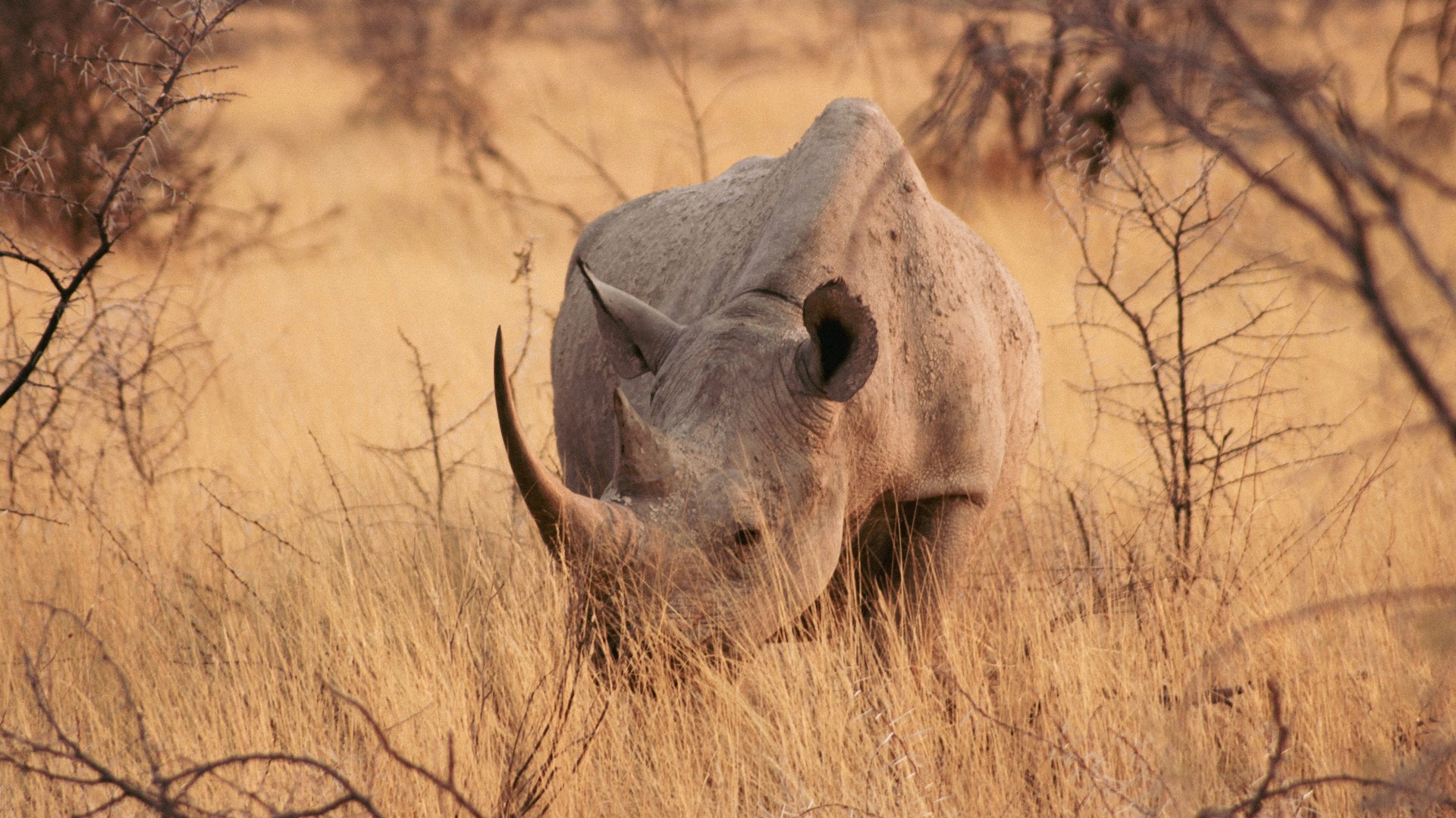
Profound sightings naturally lead to greater conservation consciousness. When you witness a black rhino carefully selecting specific plants or watch a pack of African wild dogs coordinate an intricate hunt, the abstract concept of biodiversity gains immediate emotional relevance. This connection often inspires travellers to support protection efforts long after returning home.
Encounters Africa carefully selects partners who demonstrate measurable conservation impact. Whether through anti-poaching initiatives in private reserves or community education programmes that reduce human-wildlife conflict, our operators ensure that every safari contributes directly to the landscapes and species our guests grow to love.
Recent studies indicate that travellers who report profound wildlife encounters are three times more likely to engage in ongoing conservation support, whether through donations, advocacy or conscious consumer choices. These moments of clarity ripple outward, creating positive impact that extends far beyond the safari itself.
Creating Space for Reflection During Your Safari
Schedule intentional pauses between drives to process what you have witnessed. Many lodges now offer dedicated reflection time, whether through silent sundowners or guided meditation sessions overlooking waterholes. These structured moments allow insights to crystallise before the next experience arrives.
Consider journaling specific questions rather than simply recording events. Ask yourself what the animals taught you about patience, family dynamics, or living in harmony with your environment. These reflections often reveal unexpected parallels to personal challenges and relationships.
Sharing observations with fellow travellers and guides during evening discussions enriches everyone’s understanding. A single sighting can generate multiple interpretations, each adding depth to the collective experience. This collaborative reflection forms one of the most rewarding aspects of a thoughtfully designed safari.
Why These Moments Matter
In an increasingly digital world, the ability to experience genuine presence with wild animals offers something increasingly rare: unfiltered connection with something larger than ourselves. These sightings provide perspective that no screen can replicate, reminding us of our place within intricate natural systems that have evolved over millions of years.
The clarity gained during African safaris often influences decisions long after the journey ends. From supporting ethical tourism operators to making more conscious environmental choices at home, these profound wildlife encounters create ripples of positive change that benefit both people and wildlife.
For discerning travellers seeking a private safari beyond our set itineraries, we invite you to contact us directly. We specialise in designing exceptional, tailor-made journeys for individuals, couples, families, and private groups of up to eight guests. Drawing on our handpicked network of distinguished camps and lodges, we curate every detail with precision and care, creating a seamless, deeply personal safari experience shaped entirely around your preferences, pace, and budget.
Whether you wish to focus on particular species, learn specific tracking skills, or simply create space for the unexpected moments of insight that make safari travel so transformative, Encounters Africa stands ready to craft an experience that resonates with your deepest motivations for travelling to Africa.
More like this
Tips & Advice
How Tourists Can Actively Shield Botswana’s Fragile Ecosystems During Their Visit
Tips & Advice
How Travelers Can Directly Bolster Anti-Poaching Initiatives Across Kenya and Tanzania
Tips & Advice
How Zambia's Wildlife Encounters Reward Patient Observers
Tips & Advice
Mastering African Wildlife and Culture Through Self-Guided Study
Tips & Advice
Mastering Camera Settings for Crisp Wildlife Shots on African Safaris
Tips & Advice