Tips & Advice
How Tourists Can Actively Shield Botswana’s Fragile Ecosystems During Their Visit
Encounters Africa - 7 min read
Updated on 4 August 2026
Responsible travellers visiting Botswana have a unique opportunity to help safeguard its pristine wilderness. From the vast Okavango Delta floodplains to the arid expanses of the Makgadikgadi Salt Pans, the country’s ecosystems support an astonishing density of wildlife, including more than 130,000 elephants. By making informed choices, visitors can ensure these delicate habitats remain intact for generations to come.
The best time to visit Botswana is during the dry season from May to October, when animals congregate around permanent water sources, yet even then the environment remains sensitive to human pressure. This guide outlines concrete actions every traveller can take to minimise their impact while deepening their connection to one of Africa’s most intact wilderness areas.
Understanding Botswana’s Fragile Ecosystems
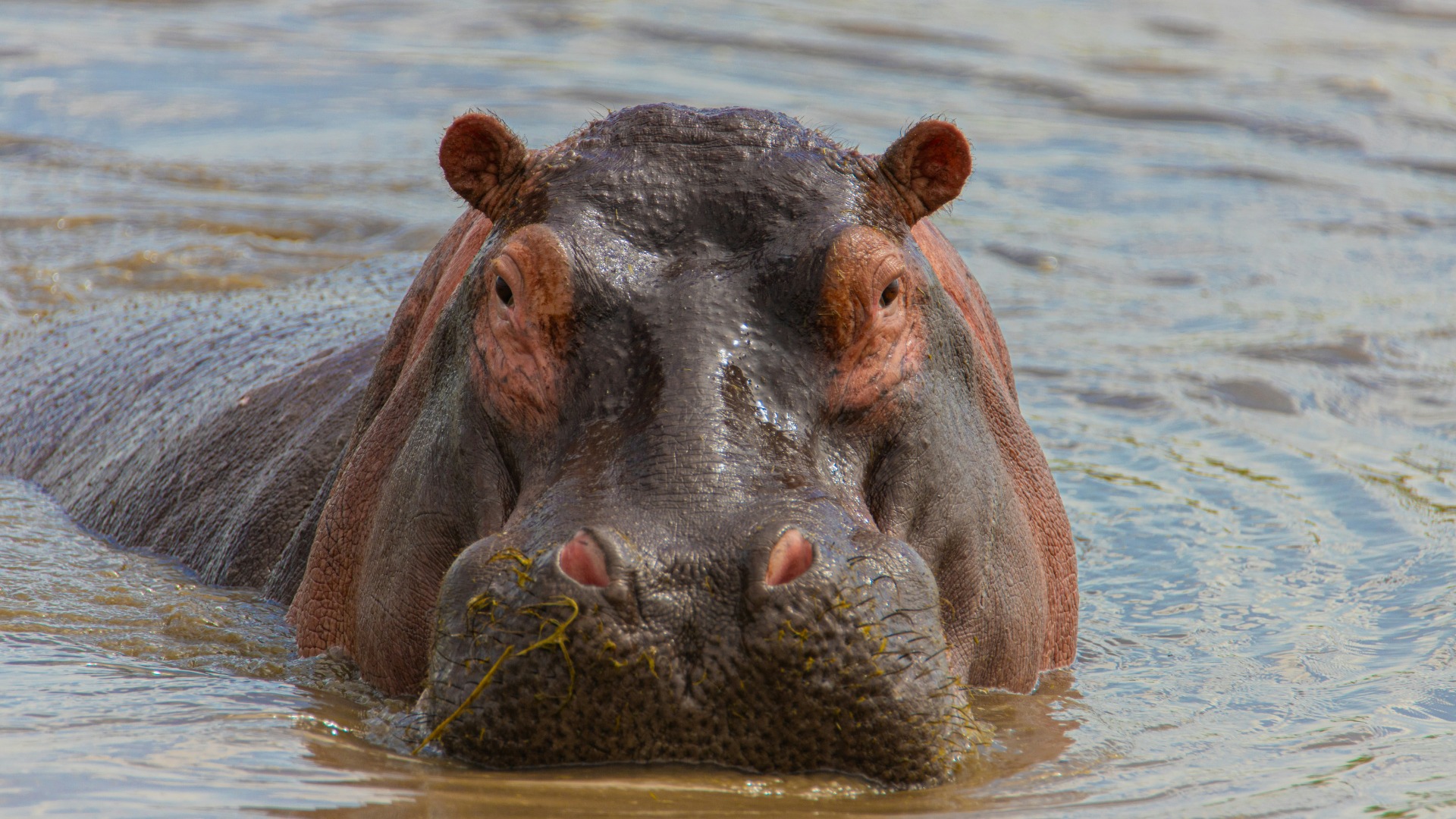
Botswana’s landscapes are a mosaic of wetlands, savannahs, and salt pans that support extraordinary biodiversity. The Okavango Delta alone is a UNESCO World Heritage Site spanning 15,000 square kilometres, acting as an inland oasis that nurtures hippos, crocodiles, and more than 500 bird species. Yet these systems are surprisingly vulnerable to overuse, climate shifts, and poorly managed tourism.
Seasonal flooding brings nutrient-rich water from Angola’s highlands, creating a pulse of life that ripples across the region. When travellers respect the rhythms of this cycle, they help maintain the delicate balance that allows wildlife to thrive without unnecessary stress. Every tyre track, every discarded water bottle, and every unnecessary engine idling leaves a mark on this intricate web.

Protecting Botswana’s wild places is not a burden placed on visitors; it is a privilege that deepens the very experience they have travelled so far to enjoy.
Choosing Responsible Operators and Accommodations
The most significant decision a traveller makes is selecting operators who demonstrate genuine commitment to conservation. Look for camps that are members of the Botswana Ecotourism Organisation or those certified under the Eco-Rating Scheme. These establishments reinvest a measurable percentage of revenue directly into habitat protection and community development.
When you stay at Duba Plains Camp, for instance, you support a property that has helped restore wildlife corridors across vast private concessions. Similarly, experiences at Chobe Game Lodge often include contributions to anti-poaching initiatives along the Chobe River Front. Such choices ensure your presence becomes part of the solution rather than an additional pressure.
Before booking, ask specific questions about waste management, water usage, and staff training programmes. Reputable operators will happily share data on their carbon footprint and community projects. Encounters Africa works exclusively with partners who meet these high standards, curating journeys that align with both luxury and responsibility.
Questions to Ask Your Safari Operator
What percentage of revenue supports local conservation projects?
How do you manage single-use plastics and wastewater?
Do you employ and train community members from nearby villages?
What vehicle and aviation policies reduce emissions?
Wildlife Viewing Practices That Minimise Disturbance
Maintaining appropriate distances from animals is fundamental to ethical safari experiences. In Botswana, regulations typically require vehicles to remain at least 25 metres from predators and 15 metres from herbivores, though sensitive species like wild dogs may require even greater space. These buffers allow natural behaviours to continue uninterrupted.
Avoid using flash photography, especially at night, and never encourage drivers to go off designated tracks. The compacted soil in areas like Khwai Community Area can take years to recover from repeated tyre damage. By insisting on ethical driving practices, travellers help preserve the very sightings they hope to witness.
The quietest game drive often yields the most memorable encounters, when animals remain relaxed in their natural rhythms rather than reacting to human presence.
Practical Viewing Guidelines
Never feed wildlife or leave food unattended at camps. Even small scraps can alter foraging patterns and increase dangerous human-animal conflict. Similarly, loud voices and sudden movements can stress animals that have become habituated to vehicles but remain wild at heart.
During the green season from November to April, when the landscape transforms with new growth, animals disperse widely. This is an excellent time to focus on birdlife and smaller species while placing less pressure on the concentrated water sources used during drier months.
Reducing Your Carbon and Waste Footprint
Botswana’s remote camps often rely on generators and imported supplies, making every traveller’s consumption choices particularly significant. Opt for properties that utilise solar power, which many leading camps in the Okavango Delta now do effectively. Request that linens and towels are changed only every third day, a small adjustment that substantially reduces water and energy use.
Carry a reusable water bottle and refuse single-use plastics whenever possible. Many lodges provide filtered water stations, eliminating the need for bottled water that must be flown or driven into the wilderness. When purchasing souvenirs, choose items made from sustainable materials by local artisans rather than products derived from wildlife.
Consider offsetting your flight emissions through verified carbon projects that support reforestation or renewable energy within Botswana itself. Several operators partner with initiatives that plant indigenous trees or improve energy access in surrounding communities.
Supporting Local Communities and Conservation Initiatives
Tourism revenue represents a vital lifeline for many Botswana communities living alongside wildlife. By choosing experiences that directly benefit these groups, visitors help create economic incentives for conservation. Community-owned concessions such as those in the Khwai region demonstrate how tourism can fund schools, clinics, and wildlife monitoring programmes.
Participate in cultural activities only when they are offered by the community itself and conducted with dignity and consent. Learning about traditional tracking skills from San guides or basket-weaving techniques from Bayei women creates meaningful exchanges that strengthen cultural pride and conservation awareness.
Many travellers also choose to make additional contributions to projects such as the Rhino Conservation Project in the Okavango or cheetah monitoring programmes in the Central Kalahari. Even modest donations, when directed through established channels, can fund vital equipment like camera traps or veterinary supplies.
How Visitor Fees Translate into Protection
Park entrance fees in Botswana are deliberately set at levels that reflect the high value of its wilderness. A significant portion of these funds supports anti-poaching units, habitat research, and community outreach. When 2023 figures showed elephant populations stable at over 130,000 individuals, much of that success could be traced to revenue from responsible tourism.
By visiting during shoulder seasons (April and November), travellers help distribute tourism pressure more evenly throughout the year, preventing overcrowding in popular areas like the Chobe River Front during peak months.

Practical Packing and Behaviour Tips for Eco-Conscious Travellers
Pack lightweight, quick-dry clothing in neutral colours that blend with the environment. Bright whites and neons can disturb wildlife and increase the need for laundry. Choose biodegradable toiletries and insect repellents that won’t contaminate fragile water systems when they eventually enter the environment.
Travel as light as possible to reduce aviation fuel consumption on the small charter flights that connect remote camps. Digital binoculars and cameras with powerful zoom capabilities allow close observation without physical intrusion. Leave behind any products containing microplastics, which can persist in the Delta’s waterways for decades.
Follow the simple principle of leaving no trace. This includes picking up any litter you might find, even if it wasn’t yours, and ensuring all waste is properly disposed of or removed from the wilderness.
Conclusion: Your Presence Can Be Part of the Solution
Every decision made during a Botswana safari either strengthens or weakens the delicate ecosystems that make the experience possible. By travelling with awareness and intention, visitors become active participants in conservation rather than passive observers. The choices may seem small individually, yet collectively they help secure a future for Botswana’s remarkable wildlife and wild places.
For discerning travellers seeking a private safari beyond our set itineraries, we invite you to contact us directly. We specialise in designing exceptional, tailor-made journeys for individuals, couples, families, and private groups of up to eight guests. Drawing on our handpicked network of distinguished camps and lodges, we curate every detail with precision and care, creating a seamless, deeply personal safari experience shaped entirely around your preferences, pace, and budget.
Read our related article on practical Botswana travel advice to complement your planning, or explore how Moremi Game Reserve protects vital habitats. To begin crafting your own responsible journey through Botswana’s wilderness, please visit our enquiry form and let Encounters Africa design an experience that honours both luxury and conservation.
More like this
Tips & Advice
How Travelers Can Directly Bolster Anti-Poaching Initiatives Across Kenya and Tanzania
Tips & Advice
How Zambia's Wildlife Encounters Reward Patient Observers

Tips & Advice
Mastering African Wildlife and Culture Through Self-Guided Study
Tips & Advice
Mastering Camera Settings for Crisp Wildlife Shots on African Safaris
Tips & Advice
Mastering Low-Angle Wildlife Shots from African Water Hides
Tips & Advice