Tips & Advice
How Zambia's Wildlife Encounters Reward Patient Observers
Encounters Africa - 9 min read
Updated on 25 June 2026
Zambian tips and advice on wildlife in Zambia emphasise the rewards that come from slowing down and observing with care. In a country where vast floodplains meet ancient woodlands, animals reveal their true behaviours only to those who wait without expectation. The best sightings often unfold after the initial thrill of spotting has passed, when patience allows deeper stories to emerge.
From the seasonal gatherings of wildebeest in Liuwa Plain National Park to the elusive leopards of South Luangwa, Zambia's wildlife offers layered experiences. These encounters reward travellers who understand the rhythms of the bush. Our insights draw on years of guiding in these landscapes, highlighting seasonal movements, respectful distances, and meaningful ways to support the conservation efforts that protect them.
Understanding Zambia's Diverse Ecosystems
Zambia's protected areas span more than 30 national parks and numerous community conservancies, covering roughly 30 percent of the country's land. Each region presents distinct habitats that shape animal behaviour in fascinating ways. The vast Liuwa Plain transforms into a wetland paradise between November and April, drawing thousands of wildebeest and zebra in one of Africa's least-known migrations.
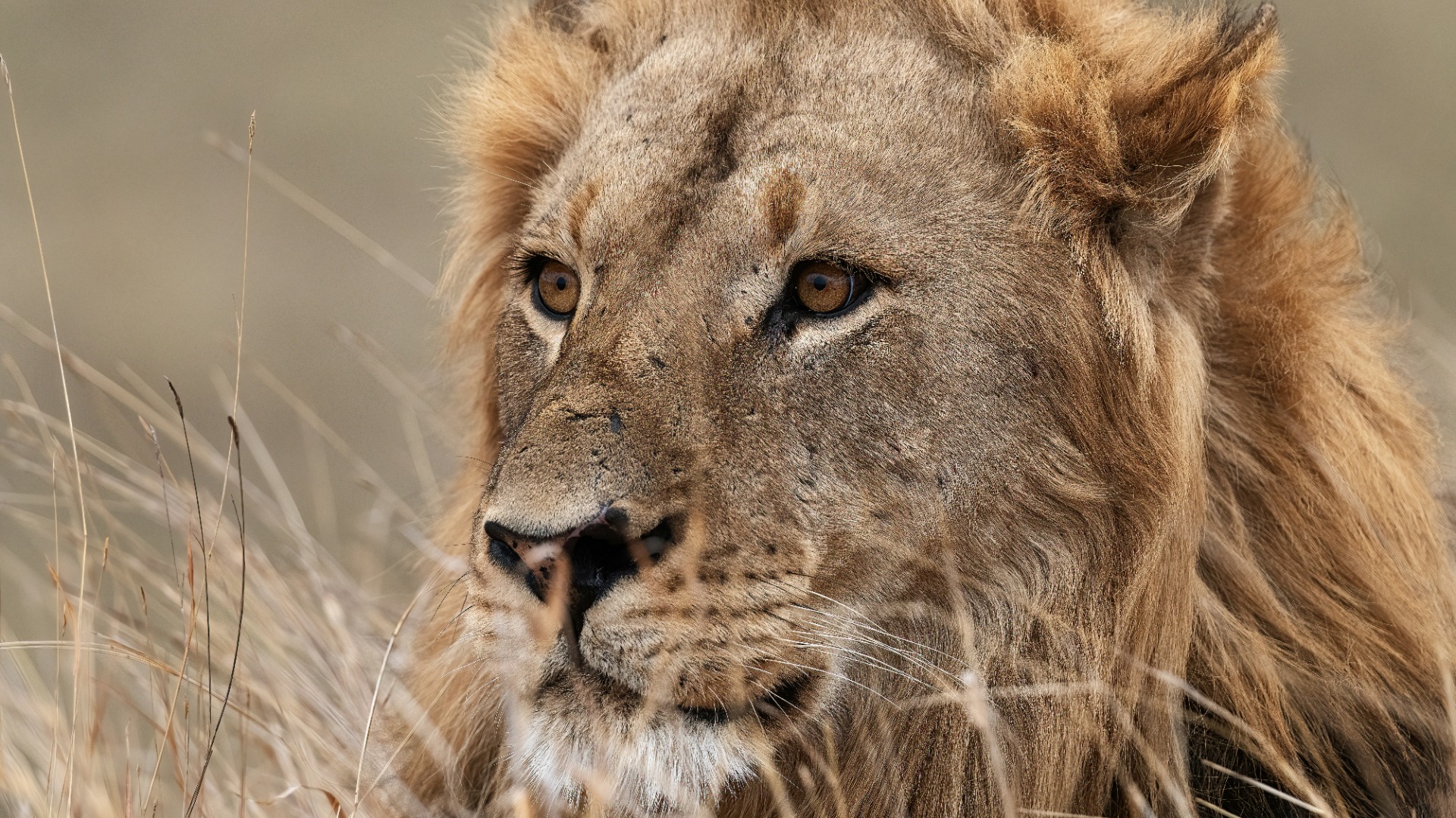
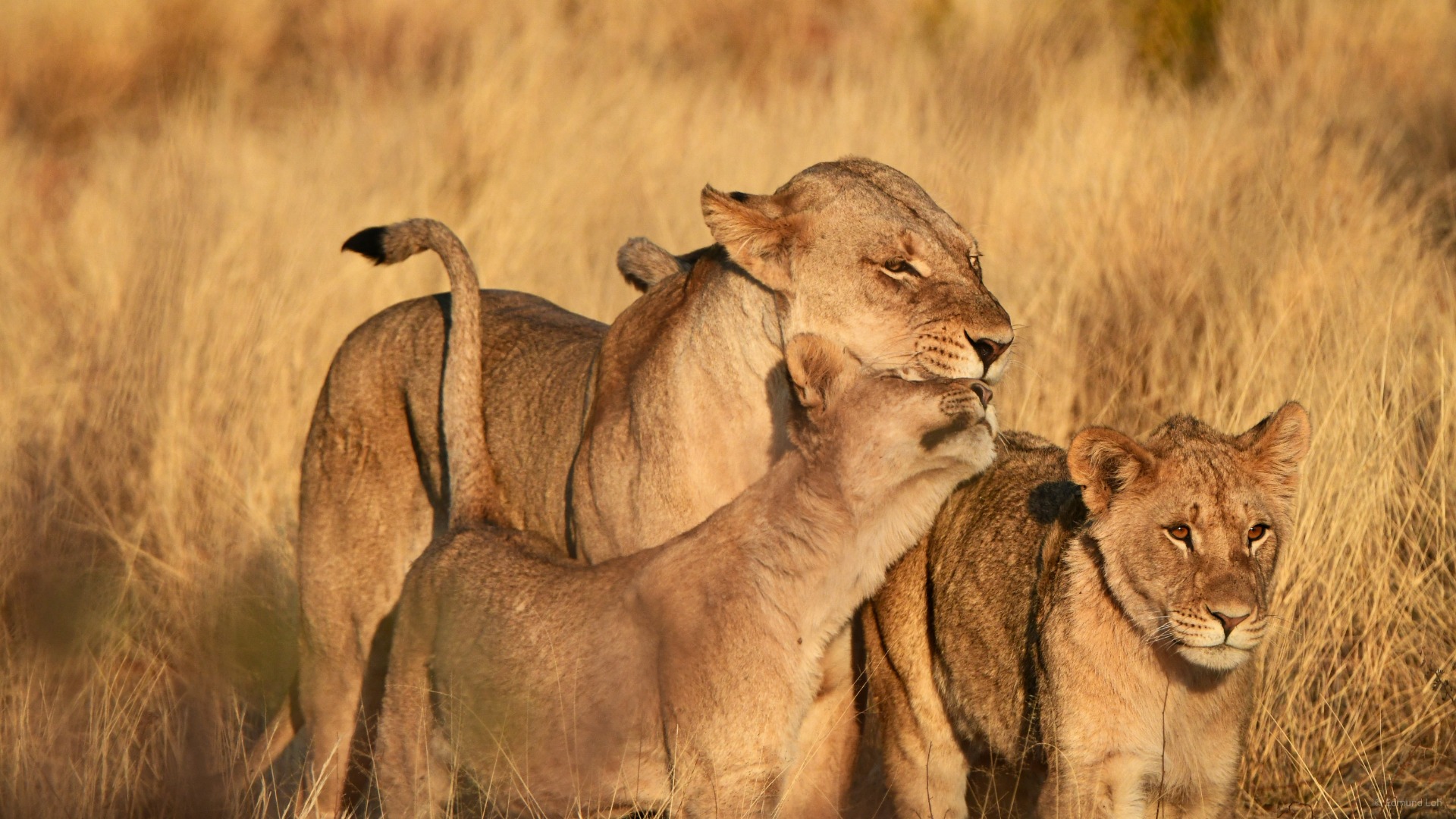
In contrast, the miombo woodlands of Kafue National Park support a remarkable density of species, including the highest number of lions per square kilometre in the country. South Luangwa National Park, with its oxbow lagoons and riverine forests, hosts one of the continent's largest leopard populations. These varied environments demand different approaches, something seasoned guides emphasise from the first morning drive.
The bush teaches patience better than any classroom. In Zambia, the most profound wildlife moments arrive not when you chase them, but when you become still enough for the animals to forget you are there.
Seasonal Patterns That Shape Animal Behaviour
The rhythm of wet and dry seasons dramatically influences where and when to find wildlife across Zambia. Between May and October, the dry months concentrate animals around permanent water sources, making game viewing more predictable though temperatures can soar above 35°C. The green season from November to April brings dramatic storms and newborn animals, though many roads become impassable without specialised vehicles.
Understanding these cycles allows travellers to choose experiences that match their interests. Bird enthusiasts might prefer the wet season when migrants arrive in their thousands, while those seeking big cat action often favour the dry months when visibility improves. Local guides track these subtle shifts with remarkable precision, often predicting animal movements days in advance based on weather patterns and vegetation changes.

Essential Zambian Tips and Advice for Ethical Wildlife Viewing
Responsible observation forms the cornerstone of meaningful encounters with Zambia's wildlife. Maintaining appropriate distances prevents unnecessary stress to animals and ensures natural behaviours continue uninterrupted. In most parks, guides recommend staying at least 25 metres from big cats and 50 metres from elephants unless the animals approach on their own terms.
Quiet voices and minimal movement create the conditions for magic to unfold. The sudden flash of a camera or excited whispers can instantly change an animal's demeanour from relaxed to alert. Many experienced guides in Zambia encourage guests to spend at least ten minutes with each sighting before moving on, allowing time for the initial excitement to settle into genuine observation.
Reading Animal Body Language
Learning to interpret subtle signals transforms game drives from passive viewing to active understanding. A slight rotation of an elephant's ear or the flick of a tail can communicate volumes about their mood. In areas like the Lower Zambezi, where elephants regularly cross in front of vehicles, recognising signs of relaxation versus irritation helps maintain safe and respectful encounters.
Leopards, often seen draped along branches in South Luangwa, reveal their comfort levels through ear position and breathing patterns. When truly at ease, their tails hang loosely rather than twitching with tension. These details, shared generously by knowledgeable guides, create connections that linger long after the safari ends.
Wildlife in Zambia rarely performs for visitors. The real privilege comes in witnessing behaviour that would occur whether you were present or not.
Optimal Times and Techniques for Different Species
Dawn and dusk remain the most productive periods for observing Zambia's predators across all regions. Lions in particular become more active as temperatures drop, with hunting often beginning in the golden light of late afternoon. Morning drives frequently reveal fresh tracks from nocturnal activity, leading guides to follow these stories across the landscape.
Walking safaris offer an entirely different perspective, particularly in South Luangwa where they originated. These experiences, limited to small groups of six or fewer, allow travellers to notice smaller creatures and intricate details easily missed from a vehicle. The heightened senses required when walking on foot create a visceral connection to the environment that many describe as transformative.
Specialised Approaches for Iconic Zambian Wildlife
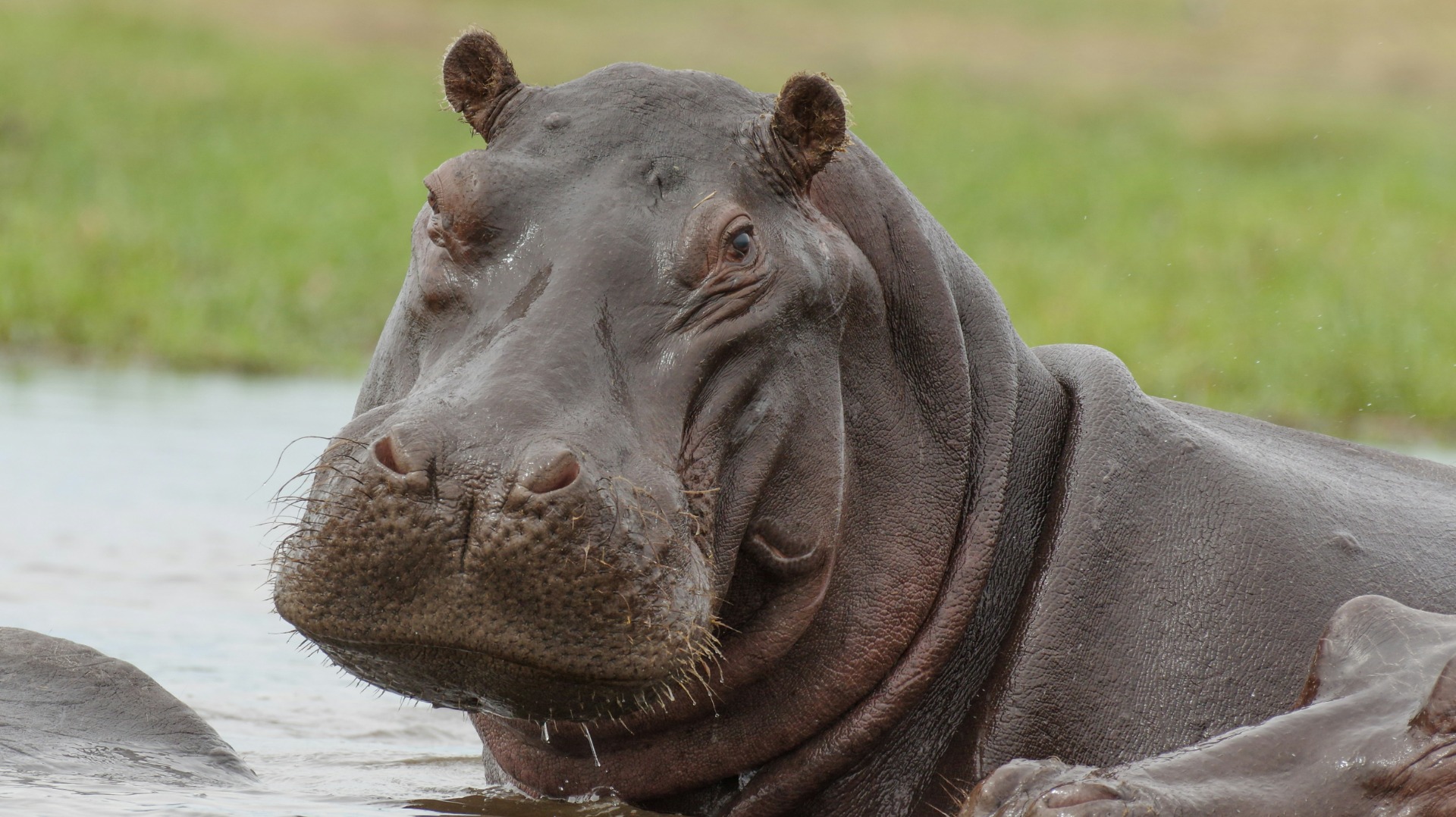
Each species requires its own thoughtful approach. Hippos in the Luangwa River demand particular caution, especially during the dry season when territorial bulls become increasingly aggressive. Guides maintain a respectful distance and monitor their positioning carefully, knowing that these seemingly ponderous animals can charge at speeds exceeding 30 kilometres per hour.
African wild dogs, among the most endangered predators on the continent, thrive in Zambia's remote wilderness areas. With only about 6,500 remaining across Africa, sightings in places like Kafue National Park represent genuine conservation success stories. Observing their intricate social dynamics requires stillness and silence, as these highly sensitive pack animals quickly abandon hunts when disturbed.

Supporting Conservation Through Responsible Travel
Zambia's conservation landscape depends heavily on revenue from responsible tourism. National parks receive significant funding from visitor fees, while many community conservancies rely on lodge partnerships to protect vital wildlife corridors. When selecting accommodation, travellers can directly impact conservation outcomes by choosing operations with proven community benefit programmes.
Organisations like the South Luangwa Conservation Society and the Zambian Carnivore Programme offer opportunities for deeper involvement. Several lodges facilitate visits to these projects, allowing guests to understand the challenges of protecting wildlife in landscapes shared with human communities. These experiences often become the most memorable aspect of a journey, connecting travellers to the bigger picture beyond their own sightings.
Every thoughtful decision made on safari contributes to the future of Zambia's wild places. The animals we observe today exist because of conservation efforts that began decades ago.
Practical Preparations for Wildlife-Focused Journeys
Successful wildlife viewing in Zambia requires thoughtful preparation beyond simply packing binoculars. Neutral coloured clothing in khaki, olive, and beige helps travellers blend into the environment. Multiple layers prove essential as temperatures can swing dramatically between the cool mornings and warm afternoons, particularly during the dry season from June to October.
Quality optics make a significant difference when observing distant herds or identifying birds in the canopy. A good pair of binoculars with 8x or 10x magnification serves most purposes, while a spotting scope can enhance experiences during stationary game viewing. Many experienced travellers also bring a field guide specific to the region, turning each sighting into an opportunity for learning.
What Makes Zambia's Wildlife Experiences Unique
The combination of wilderness scale and intimate access sets Zambia apart from more crowded safari destinations. With visitor numbers carefully managed in many areas, encounters often feel personal rather than performative. The absence of fences in most parks allows animals to move according to natural patterns rather than artificial boundaries.
This authenticity creates space for genuine surprise. A vehicle might round a corner to find a leopard with a fresh kill, or guests on a walking safari might pause to watch a procession of ants carrying leaves many times their size. These unscripted moments reward those who travel with open minds and patient hearts.
Choosing the Right Experience for Your Interests
Different regions of Zambia cater to varying wildlife priorities. Those seeking dramatic predator action might focus on the lion prides of Kafue, while bird enthusiasts often gravitate toward the diverse wetlands of Liuwa Plain, home to more than 400 species. The Lower Zambezi offers exceptional tiger fishing alongside prolific elephant and buffalo populations.
Combining areas creates the richest possible experience. A journey that includes both the predator-rich woodlands of South Luangwa and the open plains of Liuwa provides contrasting perspectives on Zambia's remarkable biodiversity. Professional safari designers can help craft these itineraries around specific interests and optimal timing.
Common Questions About Wildlife Viewing in Zambia
What is the best time to visit Zambia for wildlife? The dry season from June to October generally offers the most reliable game viewing as animals concentrate around water sources. However, the green season from November to April provides exceptional birding, newborn animals, and fewer visitors. Many experienced travellers choose shoulder months like May or November to balance wildlife concentrations with reduced crowds and lower rates.
Are walking safaris safe in Zambia? When conducted with qualified armed guides, walking safaris maintain an excellent safety record. Guides undergo rigorous training in animal behaviour and carry rifles primarily as a deterrent. The experience of moving through the bush on foot creates a profound connection to the environment that many consider the highlight of their time in Zambia.
How can visitors contribute meaningfully to conservation? Beyond choosing responsible operators, travellers can support specific projects through direct donations or by participating in citizen science initiatives. Several lodges facilitate tree planting, anti-snaring patrols, or wildlife monitoring programmes where guests can engage directly with conservation teams working on the ground.
Planning Your Zambian Wildlife Journey
The most rewarding experiences in Zambia come from journeys thoughtfully matched to individual interests and expectations. Whether seeking the thrill of tracking lions at first light or the quiet contemplation of birdlife along the Zambezi, careful planning ensures every moment counts. Professional guidance helps navigate the practical considerations while maximising opportunities for meaningful encounters.
For discerning travellers seeking a private safari beyond our set itineraries, we invite you to contact us directly. We specialise in designing exceptional, tailor-made journeys for individuals, couples, families, and private groups of up to eight guests. Drawing on our handpicked network of distinguished camps and lodges, we curate every detail with precision and care, creating a seamless, deeply personal safari experience shaped entirely around your preferences, pace, and budget.
Consider combining the predator-rich landscapes of South Luangwa National Park with the vast open spaces of Liuwa Plain for a comprehensive understanding of Zambia's wildlife treasures. Properties like Chiawa Safaris - Puku Ridge and Flatdogs Camp exemplify the intimate, conservation-minded approach that defines exceptional Zambian safaris. For those looking for a private safari beyond our set itineraries, we would be delighted to hear from you directly through our enquiry form.
Read our recent feature on seasonal considerations for African safaris to further refine your timing, or explore our dedicated Zambia safari collection for inspiration. The wild places of Zambia await those ready to engage with them on their own unhurried terms.
More like this
Tips & Advice
Mastering African Wildlife and Culture Through Self-Guided Study
Tips & Advice
Mastering Camera Settings for Crisp Wildlife Shots on African Safaris
Tips & Advice
Mastering Low-Angle Wildlife Shots from African Water Hides
Tips & Advice
Plan Your Family Safari: Optimal Seasons and Lodges Across Africa
Tips & Advice
Practical Advice for Smoothing Your Game Lodge Safari in Africa
Tips & Advice