Conservation
Inside the Quiet Partnerships Protecting South Africa's Wildlife Heritage
Encounters Africa - 10 min read
Updated on 17 June 2026
Conservation safaris in South Africa represent a powerful alliance between responsible tourism and wildlife protection. At distinguished conservation lodges, every game drive contributes directly to habitat restoration, anti-poaching initiatives, and community development programmes that sustain biodiversity across vast landscapes. These experiences allow travellers to witness not only iconic species but also the measured, often invisible work that ensures their future.
From the thorny thickets of the Eastern Cape to the acacia-dotted plains of the Waterberg, South African reserves have transformed former hunting grounds into thriving ecosystems. Revenue from well-designed safaris funds everything from collaring programmes to corridor creation, creating a model where luxury travel actively safeguards natural heritage. Encounters Africa has long championed these partnerships, curating journeys that connect guests with the quiet dedication shaping the continent's conservation story.
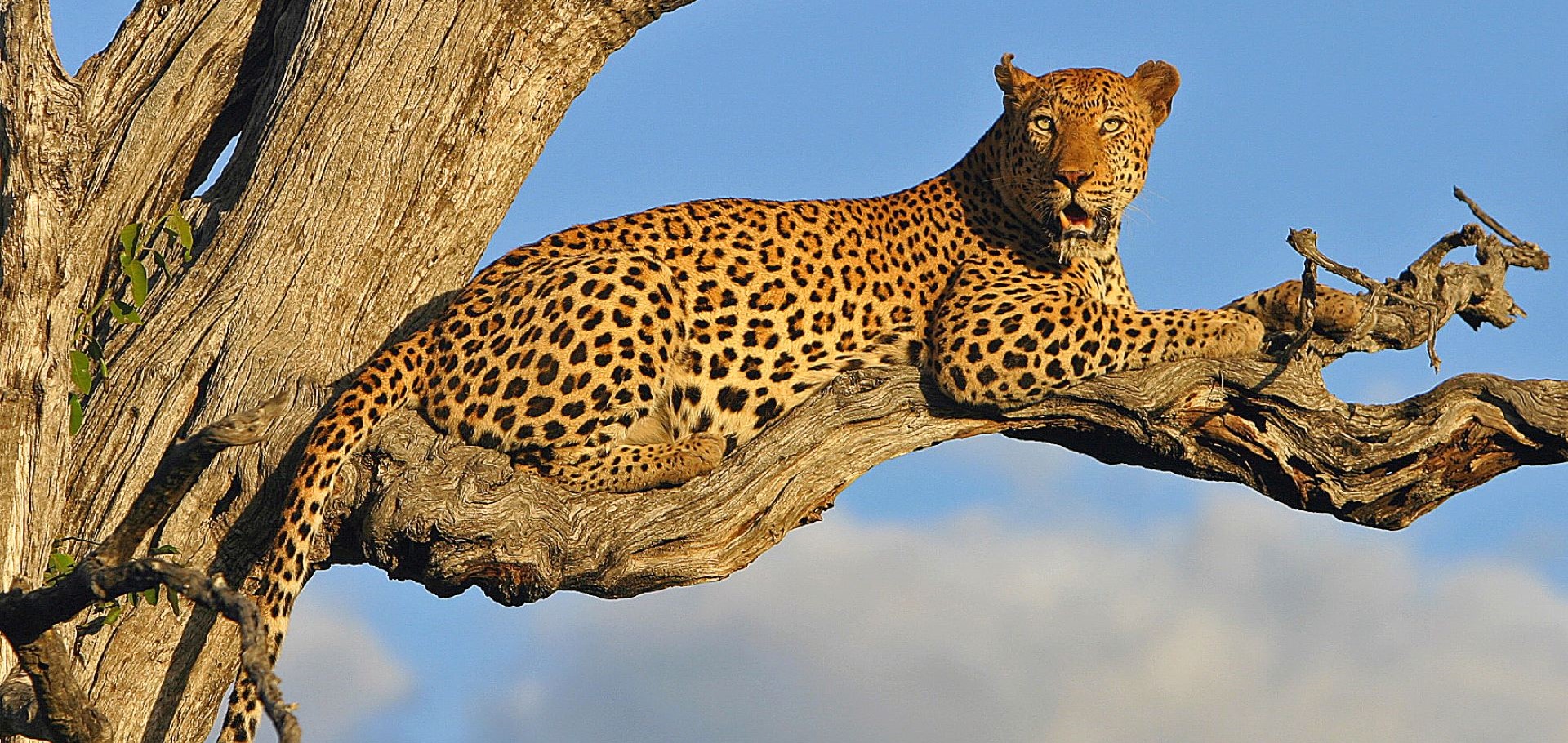
The most profound moments on a conservation safari often occur not during the sighting of a leopard, but in conversation with a guide who once tracked animals to hunt them and now protects them with equal skill.
The Evolution of Conservation Lodges in South Africa
South Africa's private reserves began rewilding in earnest during the 1990s, when forward-thinking landowners removed internal fences to allow natural movement across thousands of hectares. Today, more than 20 million hectares fall under some form of conservation management, with private initiatives protecting more land than all national parks combined. This shift has been driven by conservation lodges that balance exceptional guest experiences with measurable environmental returns.
Properties such as Cheetah Plains Private Game Reserve demonstrate how modern design can minimise ecological footprints while maximising impact. Solar power, waste recycling, and water conservation systems are standard, yet it is the funding of active conservation projects that sets these establishments apart. Travellers on game drives often meet researchers whose work is supported by lodge revenues, gaining insight into the science behind each sighting.
The model has evolved further with the inclusion of local communities as genuine partners rather than peripheral beneficiaries. Lodges now employ significant numbers of residents in guiding, tracking, and hospitality roles, creating economic incentives for conservation that extend far beyond park boundaries. This integrated approach has helped stabilise populations of species once pushed to the brink.
From Former Hunting Grounds to Protected Strongholds
Many of today's finest conservation lodges occupy land that was intensively farmed or hunted as recently as thirty years ago. The reintroduction of predators and the careful management of herbivore numbers have allowed ecosystems to regain balance. At Malewane Lodge in the Greater Kruger, for instance, the return of lions and wild dogs has created a more complete food web that supports everything from dung beetles to the largest mammals.
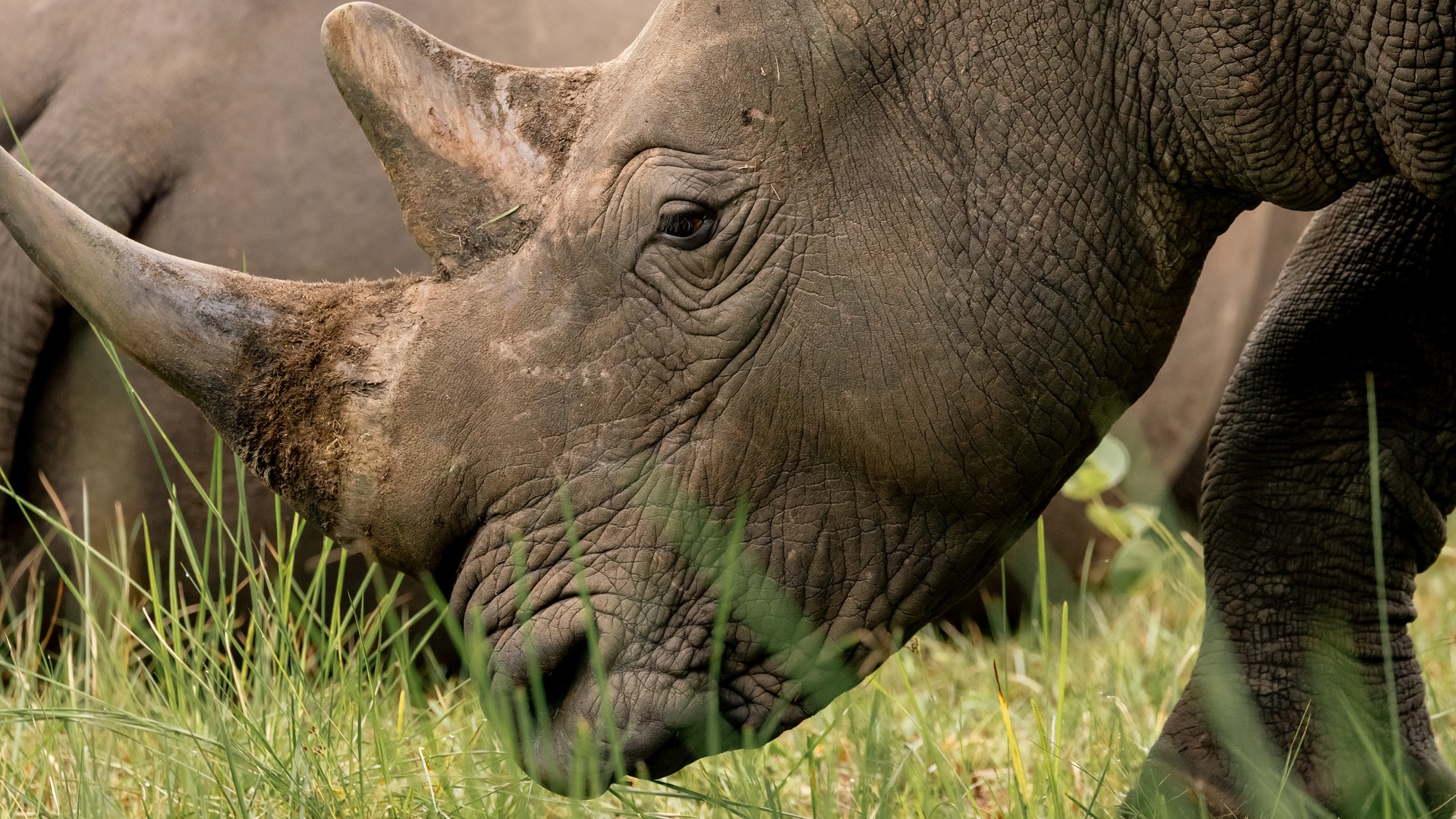
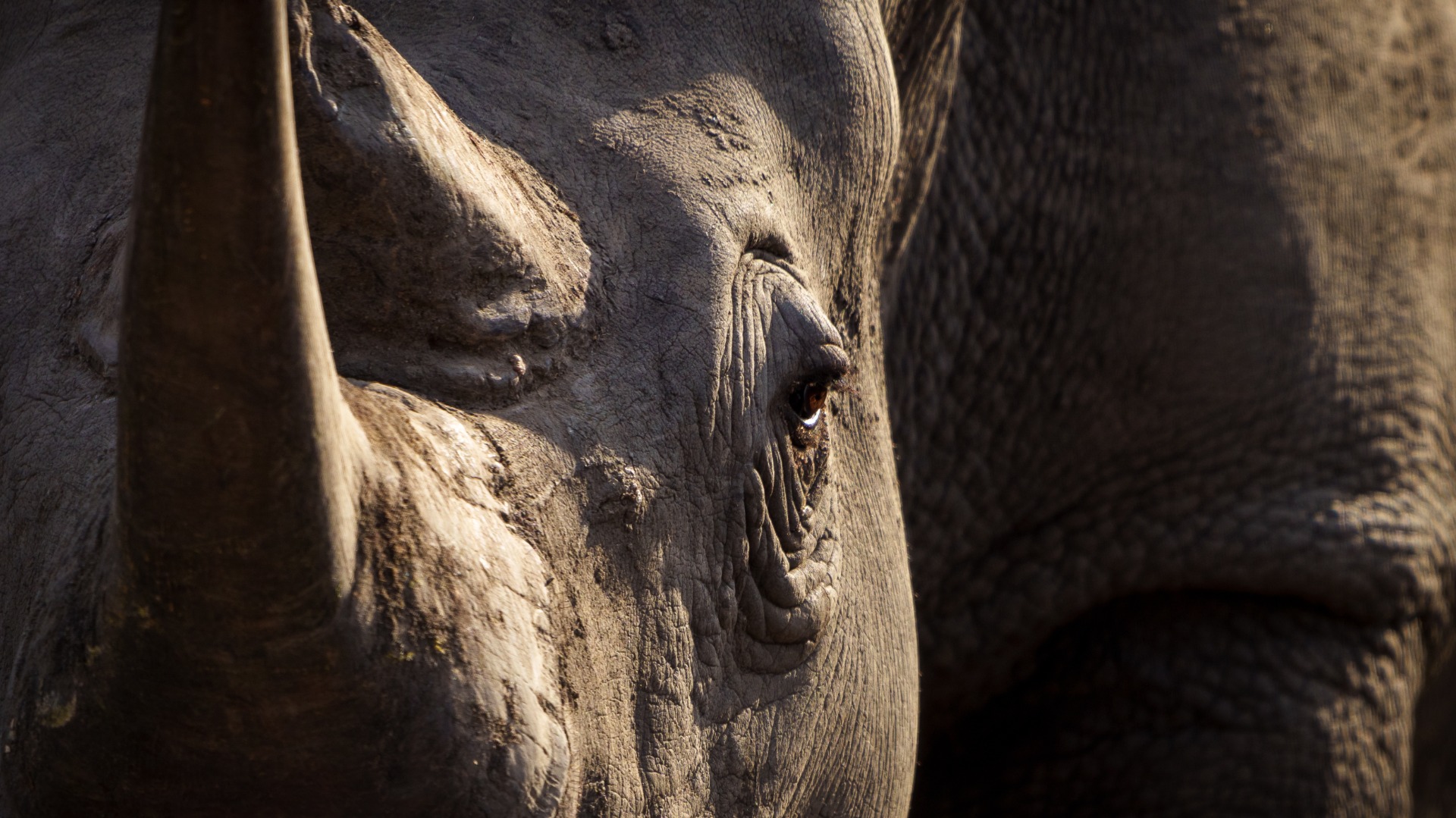
These transformations require patience and substantial investment. A single black rhino reintroduction programme can cost hundreds of thousands of pounds, yet the presence of these animals on a game drive becomes a living testament to what sustained commitment can achieve. Conservation safaris allow guests to appreciate the decades of work behind each encounter.
How Conservation Lodges Fund and Drive Protection Efforts
Conservation lodges in South Africa operate on the principle that high-value, low-impact tourism can generate the resources needed for meaningful protection. A single suite at a leading property might contribute several thousand pounds per night toward anti-poaching teams, veterinary care, and scientific monitoring. This financial model has proved remarkably effective, with some reserves reporting a 70 percent reduction in poaching incidents after implementing lodge-supported ranger programmes.
Beyond direct funding, these establishments serve as platforms for innovation. Several now host conservation technology hubs where rangers trial new tracking devices and data collection methods. The information gathered during routine game drives feeds directly into national databases, helping authorities understand movement patterns and population dynamics across broader regions.
Responsible tourism at conservation lodges has become one of the most effective tools for protecting South Africa's remaining wild spaces, turning each visitor into an unwitting but vital guardian of the bush.
Anti-Poaching and Monitoring Programmes
Modern conservation safaris often include visits to dedicated anti-poaching units equipped with everything from thermal imaging to sniffer dogs. At properties in the Sabi Sand and Timbavati, these teams work in close coordination with lodge staff, sharing intelligence gathered from both vehicle-based game drives and foot patrols. The result is a comprehensive security net that operates 24 hours a day.
Tracking programmes have evolved dramatically with the introduction of GPS collars and AI-powered camera traps. Former hunters, now employed as specialist trackers, bring unparalleled bush knowledge to these efforts. Their ability to read subtle signs in the sand often proves more valuable than technology alone, creating a powerful synthesis of traditional skills and contemporary science.
Habitat Restoration and Water Source Management
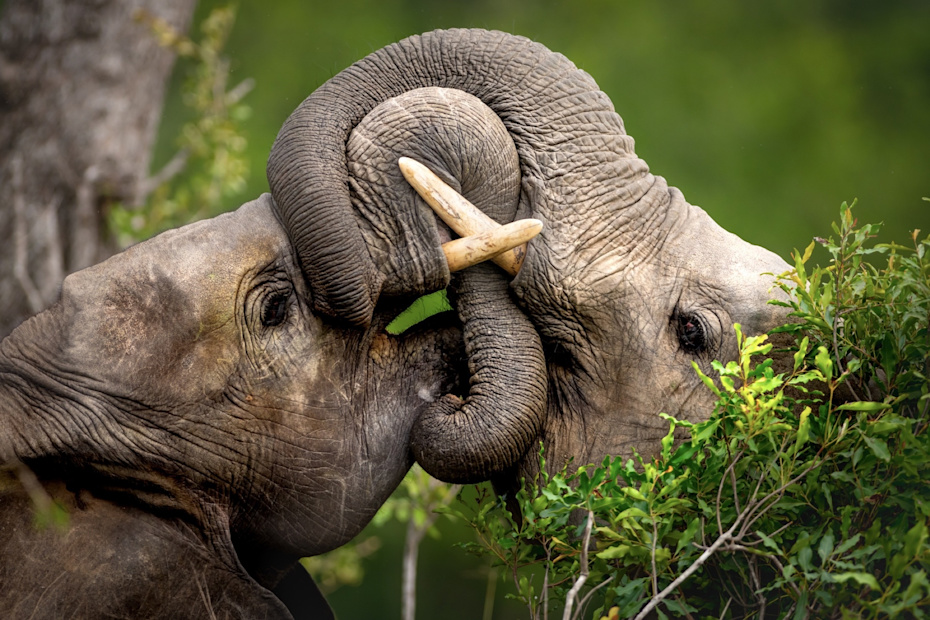
Waterhole restoration represents one of the most visible contributions of conservation lodges. In arid regions, teams clear invasive vegetation, deepen natural pans, and install solar-powered pumps that ensure reliable water even during severe droughts. These interventions benefit not only the charismatic megafauna but entire ecosystems, from amphibians to the raptors that depend on healthy prey populations.
More ambitious projects involve the removal of old farm fences to create wildlife corridors linking isolated reserves. The resulting landscapes allow elephants to follow ancient migration routes and genetic diversity to flow between previously fragmented populations. Several lodges now dedicate a percentage of revenue specifically to these landscape-scale initiatives.
What to Expect on a Conservation Safari in South Africa
A typical day on a conservation safari begins before dawn with the rich scent of brewing coffee and the distant call of a fish eagle. Guests join highly qualified guides and trackers for morning game drives that combine wildlife viewing with educational commentary about ongoing conservation work. These excursions might include stops at research stations or briefings from field staff about specific projects in the area.
Afternoon activities often focus on deeper engagement. Travellers might accompany ecologists checking camera traps, participate in citizen science projects, or simply spend time at a waterhole observing natural behaviour without the pressure to move on to the next sighting. The pace is deliberately unhurried, allowing for genuine connection with both landscape and conservation stories.
Evening drives reveal the bush in an entirely different light. Spotlights pick out the eyes of nocturnal creatures while guides explain how conservation efforts have helped recover populations of species such as aardvarks and pangolins. The experience leaves travellers with a profound appreciation for the interconnectedness of all life in these ecosystems.
The Role of Expert Guides and Trackers
The quality of guiding on conservation safaris sets them apart from conventional game drives. Many lead guides hold advanced qualifications in ecology or years of field research experience. They can explain not only animal behaviour but the complex management decisions required to maintain healthy populations within finite spaces.
Trackers, often from local communities, bring generational knowledge of the land. Their ability to identify individual animals by their tracks or recognise when a pride has moved to a new territory adds depth to every drive. This combination of scientific understanding and intimate bushcraft creates exceptionally rich interpretive experiences.
Community Involvement and Economic Impact
Successful conservation in South Africa depends heavily on the support of neighbouring communities. Leading conservation lodges have developed sophisticated programmes that channel tourism revenue into education, healthcare, and skills development. In some areas, up to 60 percent of lodge income flows directly back into community projects, creating tangible incentives to protect rather than exploit wildlife.
These initiatives range from bursaries for aspiring wildlife veterinarians to the establishment of craft cooperatives that supply lodges with beautiful, sustainably produced goods. Children who grow up seeing the economic benefits of living alongside wildlife are far more likely to become its future stewards.
The model has demonstrated remarkable resilience. During the challenging years of the pandemic when international travel halted, many lodges continued supporting community programmes through conservation trust funds established specifically for such eventualities. This long-term thinking characterises the most effective partnerships.
Conservation is not something that happens in isolation within reserve boundaries. It lives in the schools, clinics and opportunities created for the people who share the landscape with South Africa's magnificent wildlife.
Measuring Success: Key Statistics and Outcomes
The impact of conservation lodges can be measured in concrete terms. Between 2010 and 2023, private reserves in South Africa achieved an 83 percent increase in rhino populations in areas with active tourism funding, compared to significant declines in many state-managed zones. Similarly, wild dog numbers have more than doubled in well-managed private conservancies over the same period.
These figures reflect thousands of hours of patrol work, habitat management, and veterinary intervention. Each collar fitted, each water point maintained, and each community project funded contributes to these outcomes. Conservation safaris provide travellers with the opportunity to see these results firsthand while understanding the challenges that remain.
Scientific partnerships have been crucial to this success. Many lodges work with universities and research institutions to monitor everything from insect diversity to large predator genetics. The resulting data informs adaptive management strategies that respond to changing environmental conditions and emerging threats.
Common Questions About Conservation Safaris
What exactly makes a safari a conservation safari? The distinction lies in the deliberate allocation of tourism revenue to active conservation projects, transparent reporting of impact, and the integration of educational content into the guest experience. True conservation lodges publish annual reports detailing exactly how funds have been used and what measurable outcomes have been achieved.
Do higher rates at conservation lodges guarantee better protection? Not automatically, but properties that charge premium rates typically support more comprehensive programmes. The key is transparency. Reputable operators like Encounters Africa only partner with establishments that can demonstrate genuine, independently verified conservation impact.
How can I ensure my safari makes a real difference? Choose operators with established relationships with proven conservation partners. Ask specific questions about which projects your booking will support and request updates on their progress. The most responsible providers welcome such enquiries as evidence of genuine traveller engagement.
Looking Ahead: The Future of Conservation Partnerships
The next decade will bring new challenges as climate patterns shift and human populations continue to grow. Conservation lodges are already preparing by investing in climate resilience projects, expanding wildlife corridors, and developing innovative funding mechanisms that reduce dependence on international tourism alone.
Technology will play an increasing role, with artificial intelligence helping predict poaching threats and satellite monitoring providing real-time data on habitat conditions. Yet the human element remains central. The relationships between lodges, communities, and conservation organisations will determine how successfully South Africa navigates these emerging pressures.
Encounters Africa continues to refine its selection of properties based on their evolving conservation credentials. By maintaining close relationships with lodge teams and regularly assessing impact, we ensure that the journeys we create deliver both exceptional experiences and meaningful contributions to South Africa's wildlife heritage.
Experience Conservation Safaris with Encounters Africa
The quiet partnerships between conservation lodges, dedicated rangers, and local communities represent one of the most hopeful developments in African conservation. Through carefully designed conservation safaris, travellers become part of these efforts, their presence helping to secure a future for the magnificent wildlife that defines the South African bush.
Whether observing a black rhino at dusk, learning about habitat restoration from an ecologist, or simply knowing that your journey supports vital protection work, these experiences offer a depth rarely found in conventional travel. For discerning travellers seeking a private safari beyond our set itineraries, we invite you to contact us directly. We specialise in designing exceptional, tailor-made journeys for individuals, couples, families, and private groups of up to eight guests. Drawing on our handpicked network of distinguished camps and lodges, we curate every detail with precision and care, creating a seamless, deeply personal safari experience shaped entirely around your preferences, pace, and budget.
Discover more about responsible travel through our other conservation stories, or explore our dedicated conservation safari collection to begin planning your own meaningful journey. We look forward to welcoming you to the remarkable landscapes and dedicated teams working to protect South Africa's natural treasures.
More like this
Conservation
Inside the Zero-Waste Systems Transforming Luxury Safari Lodges
Conservation
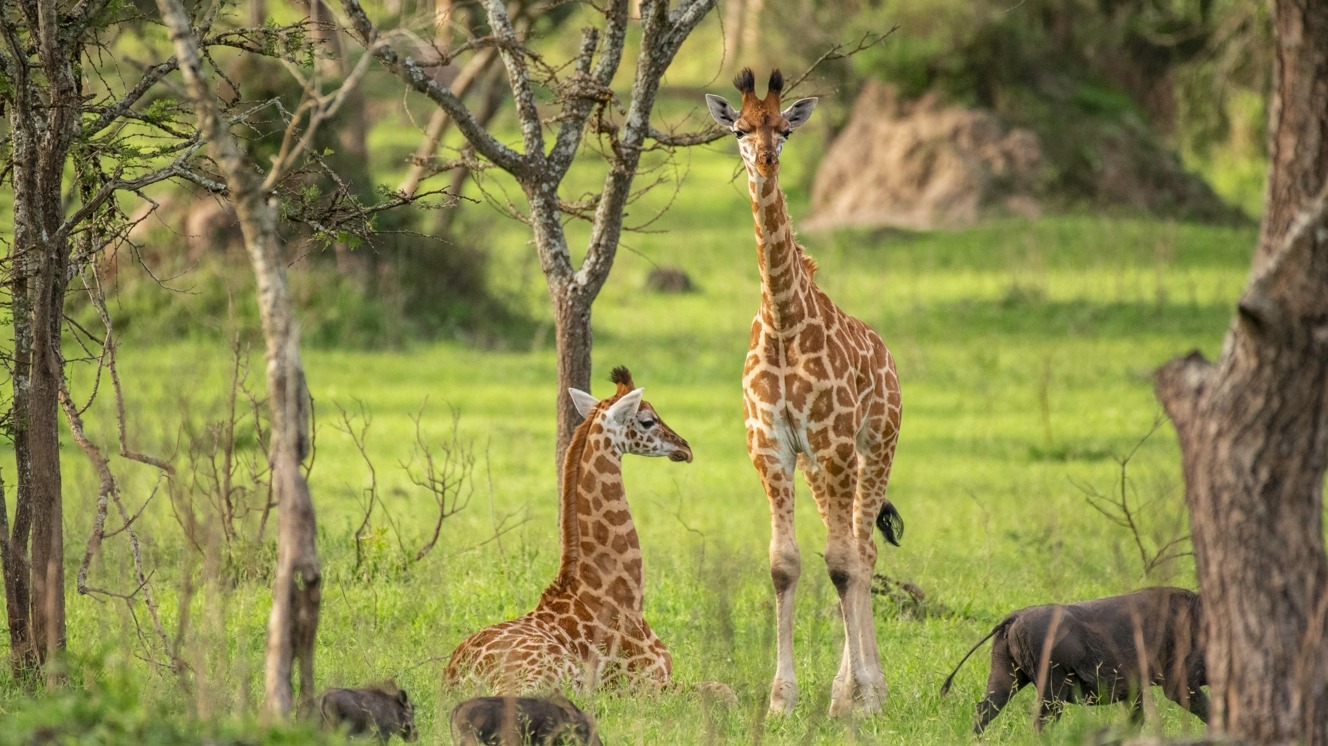
Inside Uganda's Forests: How Rangers and Residents Confront Antipoaching Concerns
conservation
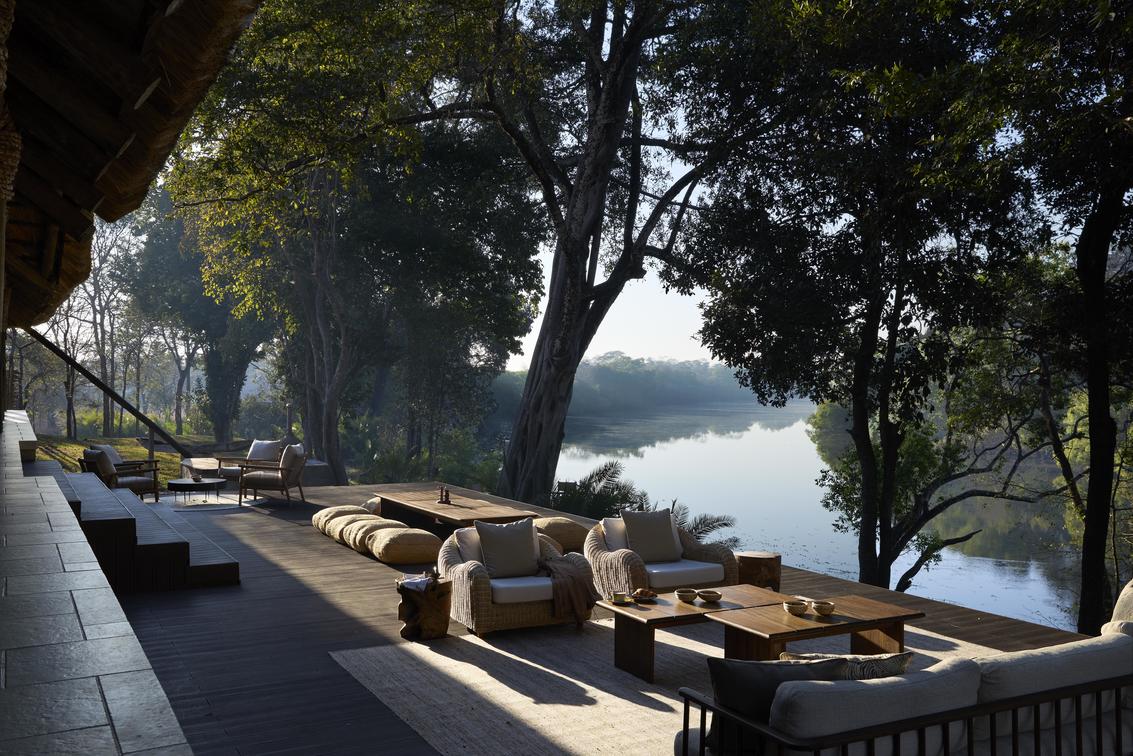
Kafue National Park: A Conservation Success Story Unfolding
conservation
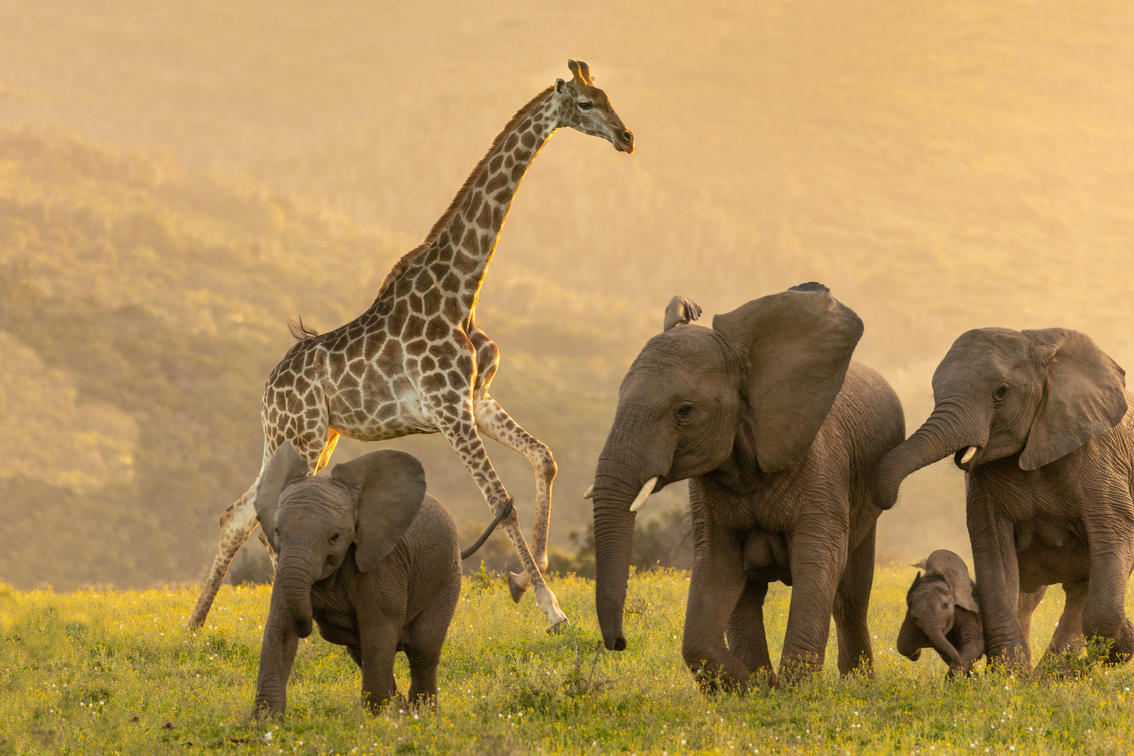
Kariega Game Reserve: A Promise Of Ethical Safari Experiences
conservation
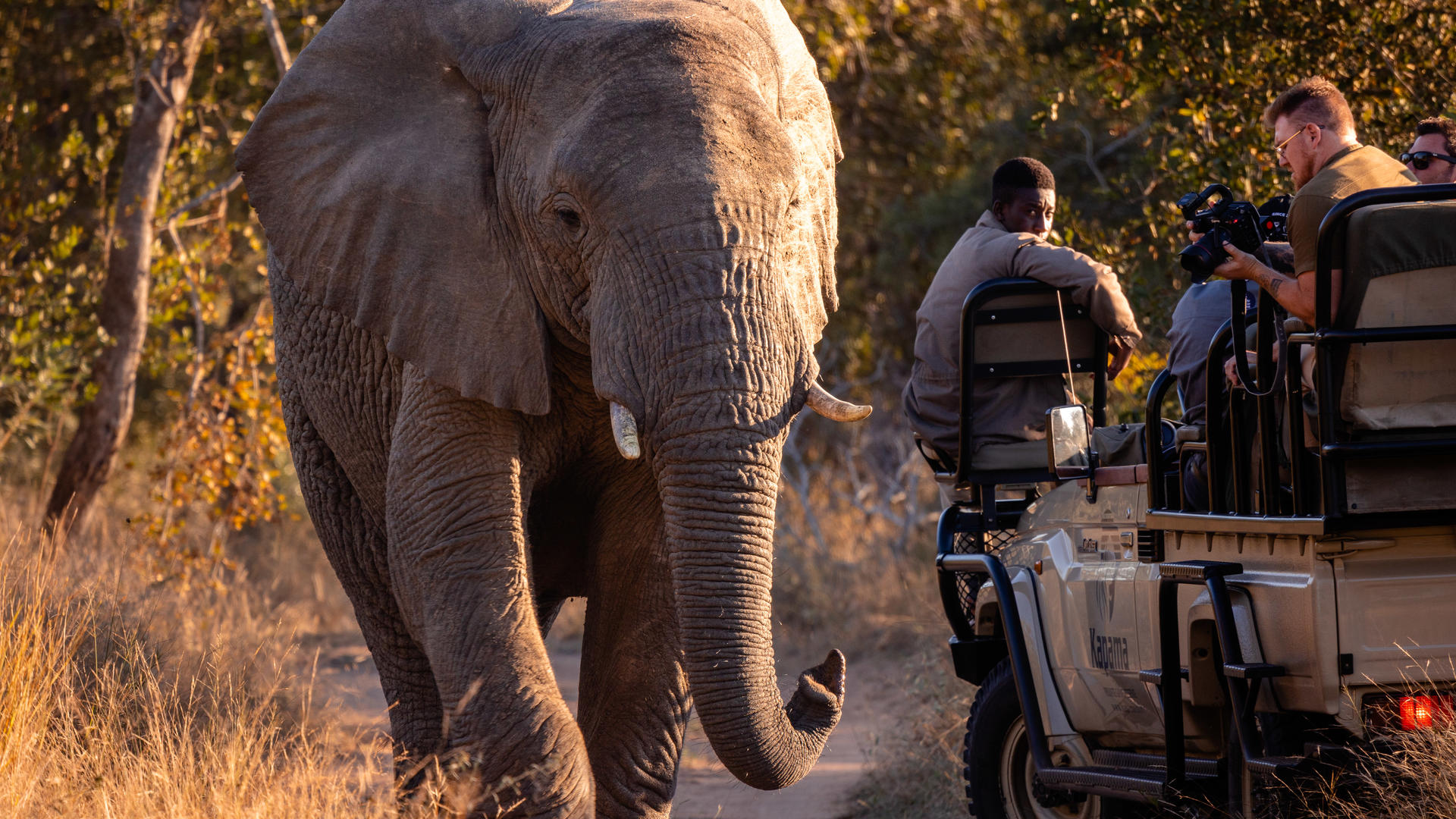
Keepers of the Wild: Kapama Private Game Reserve's Conservation Efforts
Conservation