Conservation
Inside the Quiet Partnership Between Zambian Communities and Wildlife Guards
Encounters Africa - 10 min read
Updated on 24 June 2026
Antipoaching efforts and conservation in Zambian reserves have quietly reshaped the relationship between people and wildlife across vast landscapes. In Zambia, where national parks cover more than 30 percent of the country, community members now stand shoulder to shoulder with trained wildlife guards, turning potential conflict into shared stewardship. This partnership has delivered measurable gains for species such as elephants, whose numbers in the Luangwa Valley have increased by nearly 20 percent over the past decade according to recent aerial surveys.
What sets these initiatives apart is their emphasis on economic inclusion rather than exclusion. Local cooperatives receive a direct share of conservation levies paid by visiting travellers, creating stable income streams that replace the incentives once offered by illegal wildlife trade. The result is a living model of protecting animal welfare in Zambia that benefits both ecosystems and the families who call these wild places home.
The most effective antipoaching work happens not in isolation but through the slow, patient building of trust between those who patrol the bush and those who live beside it.
The Evolution of Zambian Antipoaching Efforts
Zambia’s modern approach to safeguarding its wildlife emerged from hard lessons learned in the 1980s and 1990s when poaching decimated elephant and rhino populations. Today, antipoaching efforts and conservation in Zambian reserves combine intelligence-led operations with grassroots engagement in ways that would have seemed unimaginable thirty years ago.
Wildlife guards, many of them former military personnel, now work alongside village scouts drawn from the very communities that once bore the brunt of human-wildlife conflict. These scouts receive formal training in tracking, data collection, and conflict resolution, skills that transform them into valued members of multi-layered protection teams. Their local knowledge of terrain, seasonal animal movements, and community dynamics often proves more valuable than any technological tool.
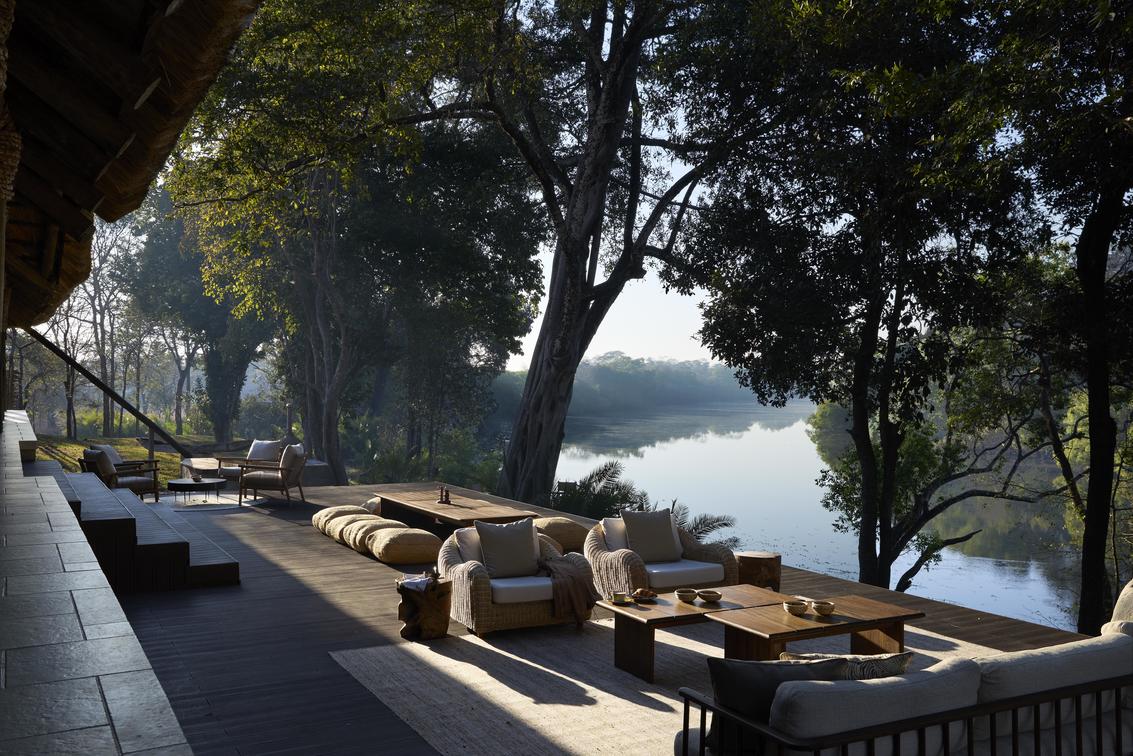
At the same time, private safari operators have become important partners in this work. Chiawa Safaris - Chichele Presidential and similar high-end camps contribute significantly to anti-poaching funds while hosting visiting researchers and providing logistical support to field teams. This private sector involvement has helped bridge funding gaps that government budgets alone could never fill.
Technology Meets Traditional Knowledge
While community relationships form the foundation, technology plays an increasingly important supporting role. Solar-powered camera traps, encrypted radio networks, and carefully deployed drone patrols help cover the enormous territories involved. Yet rangers consistently report that human intelligence gathered through trusted local relationships remains their most powerful asset.
In the South Luangwa National Park, for instance, real-time information shared between village scouts and park rangers has dramatically reduced the success rate of snare operations. These simple but deadly devices once claimed hundreds of animals each season; today their recovery numbers have fallen by more than 60 percent in monitored zones.
How Community Partnerships Drive Conservation Success
The quiet partnership between Zambian communities and wildlife guards rests on a simple but powerful principle: when local people benefit directly from living alongside wildlife, they become its fiercest defenders. This philosophy underpins much of the progress seen in protecting animal welfare in Zambia over the past fifteen years.
Village cooperatives in the Luangwa Valley receive funding from conservation levies collected from tourism activities. These monies support everything from school bursaries and medical clinics to small business grants for women’s groups. The direct link between healthy wildlife populations and improved community services has shifted perceptions dramatically.
When a child can attend school because an elephant walked safely through the night, conservation stops being an abstract ideal and becomes part of daily life.
Former poachers have been particularly important in this transformation. Many now serve as paid wildlife monitors, using the bushcraft skills they once employed for illegal hunting to protect the same species. Their credibility within their communities carries special weight, helping to change attitudes across entire villages.
measurable Impact on Key Species
The results speak clearly through population data. Zambia’s elephant numbers have grown from approximately 20,000 in the early 1990s to more than 40,000 today, with particularly strong recovery in well-monitored reserves. Lion prides have stabilised in several key areas, while the reintroduction of black rhinos to North Luangwa National Park represents one of Africa’s most encouraging conservation stories.
These gains have not happened by chance. They reflect sustained investment in both enforcement and community development, with organisations such as the South Luangwa Conservation Society and the Frankfurt Zoological Society playing crucial coordinating roles alongside Zambian government departments.
What a Typical Anti-Poaching Patrol Looks Like in Zambia
Understanding Zambian antipoaching efforts requires looking beyond statistics to the daily reality of life in the bush. A typical patrol begins long before first light, with scouts and rangers checking their equipment by torchlight. They move on foot or by vehicle depending on terrain, covering distances that can exceed 20 kilometres in a single day.
Communication remains deliberately low-tech in many areas to avoid detection by sophisticated criminal networks. Hand signals, pre-arranged meeting points, and trusted runners still play important roles alongside modern radios. When patrols discover snares or evidence of recent poaching activity, the information moves rapidly through both formal and informal networks.
Perhaps most revealing is the attitude these teams bring to their work. Rather than viewing local communities with suspicion, today’s wildlife guards see them as essential partners. This shift in perspective represents one of the most significant changes in how conservation operates across Zambia.
The Role of Women in Modern Conservation Teams
An often overlooked aspect of these efforts involves the growing participation of women. Female scouts and community rangers bring different perspectives and skills, particularly in engaging with women’s groups and gathering intelligence from areas where male rangers might face cultural barriers.
Programmes specifically supporting women in conservation have shown promising results, with lower rates of absenteeism and strong community acceptance. Their involvement strengthens the social fabric that underpins effective long-term protection for Zambia’s wildlife.
Protecting Animal Welfare in Zambia: Beyond Anti-Poaching
While stopping illegal killing remains crucial, protecting animal welfare in Zambia encompasses a broader range of activities. Mobile veterinary units now respond to injured animals, treating snare wounds, vehicle collisions, and disease outbreaks with impressive success rates. These teams work closely with both government and private operators to ensure rapid response across remote areas.
Habitat management forms another vital component. Controlled burning programmes, water point maintenance, and careful management of tourist numbers all contribute to healthier ecosystems capable of supporting robust wildlife populations. In several reserves, these efforts have helped restore migration routes severed during earlier decades of heavy poaching and habitat loss.
Research programmes tracking animal movements and health provide the scientific foundation for adaptive management strategies. Data collected by both professional scientists and trained community members helps guide decisions about everything from road placement to tourism zoning.
True conservation success cannot be measured only in animals saved from snares but in landscapes restored and communities empowered to value their natural heritage.
Challenges That Remain
Despite impressive progress, significant challenges persist. Sophisticated criminal networks continue to adapt their tactics, requiring constant innovation from both law enforcement and conservation teams. Climate change brings new pressures through altered rainfall patterns and increased human-wildlife conflict during periods of drought.
Funding remains inconsistent, with many programmes heavily dependent on tourism revenue that fluctuates with global events. The Covid-19 pandemic provided a stark reminder of this vulnerability, as reduced visitor numbers led to immediate pressure on both wildlife and community livelihoods.
Yet even these difficulties have strengthened resolve among Zambian conservationists. Many now speak of the need to diversify funding sources and further strengthen community economic resilience so that conservation gains can weather future shocks.
Common Questions About Conservation and Antipoaching in Zambia
How effective are community-based antipoaching programmes compared to traditional enforcement-only approaches?
Studies across multiple Zambian reserves show that programmes combining community incentives with enforcement typically achieve 40 to 60 percent greater reductions in illegal activity than enforcement alone. The key difference lies in local intelligence networks and reduced community tolerance for poaching when families directly benefit from conservation.
What role do international visitors play in supporting these efforts?
Each traveller who chooses a responsible operator contributes directly through park fees, conservation levies, and the economic activity generated by their visit. Many lodges also facilitate meaningful encounters between guests and community projects, creating deeper understanding and long-term support for these initiatives.
Can former poachers really become effective wildlife protectors?
Experience across Zambia suggests they often become the most committed guardians. Their intimate knowledge of both the bush and local dynamics, combined with new economic incentives and social status, frequently produces exceptional results. Several now hold senior positions in community conservation organisations.
The Future of Conservation Partnerships in Zambia
Looking ahead, the most promising developments involve deeper integration between different aspects of conservation work. Education programmes in local schools now reach thousands of children each year, creating a new generation that views wildlife as a shared national treasure rather than a threat or resource to be exploited.
Technology will likely play an even greater role, with improved satellite monitoring, artificial intelligence analysis of camera trap data, and blockchain systems for transparent fund management all under active development. Yet these tools will only succeed if they continue to support, rather than replace, the human relationships at the heart of Zambia’s conservation story.
The quiet partnership between communities and wildlife guards offers something rare in modern conservation: a model that acknowledges both the complexity of human needs and the irreplaceable value of intact ecosystems. Its continued evolution will help determine not only the future of Zambia’s iconic species but the wellbeing of the people who share their landscapes.
Experiencing Zambia’s Living Conservation Story
For those who wish to witness these partnerships firsthand, a journey with Encounters Africa offers more than exceptional wildlife viewing. Our carefully designed safaris provide opportunities to meet the people whose daily work sustains these remarkable landscapes, from village scouts on patrol to community leaders managing conservation funds.
We work closely with lodges such as Chiawa Safaris - Puku Ridge and partners across the Luangwa Valley who demonstrate genuine commitment to both wildlife protection and community development. These experiences often become the most memorable aspects of a Zambian safari, revealing the human stories behind the statistics.
For discerning travellers seeking a private safari beyond our set itineraries, we invite you to contact us directly. We specialise in designing exceptional, tailor-made journeys for individuals, couples, families, and private groups of up to eight guests. Drawing on our handpicked network of distinguished camps and lodges, we curate every detail with precision and care, creating a seamless, deeply personal safari experience shaped entirely around your preferences, pace, and budget.
Whether your interests lie in witnessing anti-poaching operations, visiting community projects, or simply experiencing the profound peace that comes from knowing your journey supports meaningful conservation, we would be delighted to craft an itinerary that meets your aspirations. Please visit our enquiry form to begin the conversation about your Zambian wildlife experience.
Related reading on our blog includes community conservation models across Africa and insights into Zambia’s remarkable conservation landscape.
More like this
Conservation
Inside the Quiet Partnerships Protecting South Africa's Wildlife Heritage
Conservation
Inside the Zero-Waste Systems Transforming Luxury Safari Lodges
Conservation
Inside Uganda's Forests: How Rangers and Residents Confront Antipoaching Concerns
conservation
Kafue National Park: A Conservation Success Story Unfolding
conservation
Kariega Game Reserve: A Promise Of Ethical Safari Experiences
conservation