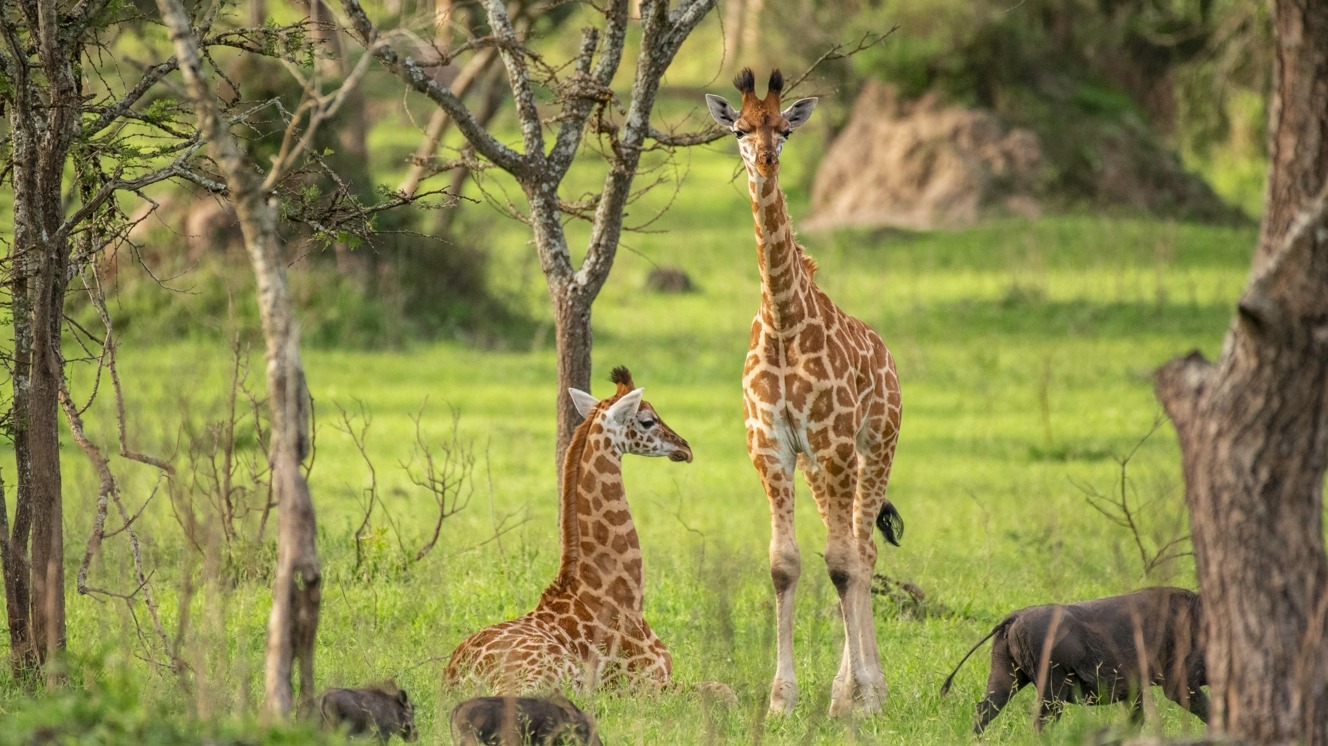
Conservation
Inside Uganda's Forests: How Rangers and Residents Confront Antipoaching Concerns
Encounters Africa - 8 min read
Updated on 24 June 2026
Ugandan conservation stands at the forefront of efforts to safeguard some of Africa's most vital ecosystems, where dedicated rangers and local residents work together to address antipoaching concerns across the country's national parks. From the misty slopes of the Virunga Mountains to the expansive savannahs of the north, these collaborative initiatives have produced tangible results, including a documented 35 percent reduction in illegal hunting incidents between 2018 and 2023 according to Uganda Wildlife Authority reports.
This integrated approach not only protects endangered species such as mountain gorillas and chimpanzees but also supports the livelihoods of communities living alongside these protected areas. By combining technology, traditional knowledge, and economic incentives, Ugandan conservation efforts demonstrate how balanced strategies can yield lasting benefits for both wildlife and people.
The Landscape of Uganda's Protected Areas
Uganda's network of ten national parks and numerous reserves covers more than 18,000 square kilometres, representing roughly eight percent of the country's land area. These spaces harbour extraordinary biodiversity, from the 5000 mountain gorillas that represent nearly half the world's remaining population to healthy populations of forest elephants and over 1000 bird species.
Each park presents unique challenges and opportunities for Uganda wildlife protection. Bwindi Impenetrable National Park, a UNESCO World Heritage Site, protects dense montane forest where habituated gorilla groups draw responsible visitors whose park fees directly fund conservation activities. Further north, Kidepo Valley National Park spans 1442 square kilometres of semi-arid terrain where antipoaching concerns focus on protecting migratory herds and rare species like the cheetah.
The forests and savannahs of Uganda do not protect themselves; they require constant vigilance from both those who wear uniforms and those who call the surrounding hills home.
Queen Elizabeth and Murchison Falls: Diverse Ecosystems Under Pressure
Queen Elizabeth National Park, covering 1978 square kilometres, faces particular antipoaching concerns due to its accessibility and proximity to agricultural lands. Here, rangers monitor both the famous tree-climbing lions and the park's substantial elephant population, which has grown from approximately 900 individuals in 2010 to over 1400 today.
Murchison Falls National Park, Uganda's largest at 5072 square kilometres, presents different challenges along the Nile River corridor. The recovery of its northern white rhinoceros population through intensive protection measures offers one of the more hopeful chapters in recent Ugandan conservation history.

Technology Meets Tradition in Antipoaching Strategies
Modern tools have transformed how Ugandan conservation addresses antipoaching concerns. Real-time satellite monitoring systems now track potential threats across remote areas, while camera traps and GPS collars provide data that guides patrol routes with remarkable precision. These technological advances complement rather than replace the deep ecological knowledge held by local communities.
In Kidepo Valley, rangers utilise drone surveillance to cover vast territories efficiently, reducing response times to potential incursions by up to 60 percent. Meanwhile, acoustic monitoring devices listen for gunshots and chainsaw activity in forested zones, alerting teams before significant damage occurs. Such innovations represent significant investment, with annual technology budgets for major parks exceeding $250,000.
When technology and traditional tracking skills work in harmony, the forest seems to reveal its secrets more willingly to those committed to its protection.
Community Intelligence Networks
Perhaps most effective are the village-led monitoring networks that have developed around Bwindi and Mgahinga Gorilla National Parks. Local residents, many of whom once faced restricted access to forest resources, now serve as the first line of defence through carefully structured informant programmes.
These networks operate on principles of trust and mutual benefit. When community members report suspicious activity, they receive recognition and sometimes direct support for development projects. This approach has led to a 47 percent increase in community-sourced intelligence between 2019 and 2022, according to internal Uganda Wildlife Authority assessments.
Alternative Livelihoods: The Economic Dimension of Conservation
Addressing antipoaching concerns requires understanding the economic pressures that sometimes drive illegal activities. Ugandan conservation initiatives have therefore invested heavily in creating sustainable income sources for families living near park boundaries. Beekeeping cooperatives, handicraft enterprises, and carefully managed tourism ventures now provide alternatives to bushmeat hunting and illegal logging.
Around Bwindi, the revenue from gorilla trekking permits has funded more than 60 community projects since 2015, including schools, health clinics, and agricultural improvement schemes. These tangible benefits help shift local attitudes, transforming former potential adversaries into active participants in wildlife protection.
Education as Prevention
School programmes play a crucial role in shaping the next generation of conservation advocates. The Uganda Wildlife Authority's environmental education initiative reaches approximately 45,000 students annually across 12 districts bordering major parks. Through interactive learning experiences and wildlife clubs, young people develop connection to their natural heritage that often influences family perspectives.
These efforts extend beyond the classroom. Former poachers have been successfully retrained as guides and conservation ambassadors in several parks, their intimate knowledge of the landscape now employed in its protection rather than exploitation.

Measuring Success: Data Behind the Dedication
Ugandan conservation has produced measurable outcomes that validate its multifaceted approach. Mountain gorilla numbers have increased from 320 individuals in the early 1990s to over 1000 today, with Bwindi's population growing at approximately 3 percent annually. Elephant populations across monitored parks have shown steady recovery, while chimpanzee communities benefit from expanding habitat corridors.
Yet challenges persist. The illegal trade in wildlife products continues to evolve, requiring constant adaptation of strategies. Climate change adds another layer of complexity, altering traditional animal movement patterns and increasing human-wildlife conflict in certain areas.
The true measure of conservation success lies not only in rising animal numbers but in the strengthening bonds between people and the landscapes they share.
What Are the Most Effective Approaches to Tackling Antipoaching Concerns in Uganda?
The most effective strategies combine several elements: well-equipped and motivated ranger teams, robust intelligence networks involving local communities, alternative economic opportunities for residents near protected areas, and sustained international partnerships that provide both funding and technical expertise.
Recent analysis shows that parks with the strongest community engagement programmes experience 65 percent fewer poaching incidents than those relying primarily on enforcement. This data underscores why Ugandan conservation increasingly emphasises collaborative models over purely paramilitary approaches.
Technology plays a supporting rather than central role. While thermal imaging and satellite monitoring enhance capabilities, the human element remains irreplaceable. Rangers who understand both the terrain and the communities living alongside it consistently prove most effective at preventing wildlife crime.
The Role of International Collaboration and Funding
Uganda's conservation efforts benefit from productive partnerships with international organisations and responsible tourism operators. The mountain gorilla conservation programme, supported by multiple global entities, demonstrates how coordinated funding can achieve remarkable results across international boundaries, as the Virunga massif spans Uganda, Rwanda and the Democratic Republic of Congo.
Encounters Africa works closely with select lodges that contribute directly to these initiatives. Properties like Bwindi Lodge channel a percentage of their revenue into community development projects that address the root causes of poaching while providing exceptional experiences for visitors interested in meaningful wildlife encounters.
Similar models exist in other parks. In Queen Elizabeth National Park, several camps support habitat restoration projects and anti-poaching equipment upgrades. These contributions supplement government funding, creating more resilient conservation programmes less vulnerable to national budget fluctuations.
Looking Ahead: The Future of Ugandan Conservation
As Uganda continues developing its tourism sector, the balance between economic growth and ecological protection requires careful management. The Uganda Wildlife Authority has set ambitious targets, including increasing the number of community conservancies from the current 18 to 35 by 2030. These locally managed areas often serve as buffer zones, reducing pressure on core national park territories.
Emerging threats from sophisticated criminal networks demand continued innovation. Blockchain technology is currently being piloted to track wildlife products more effectively, while artificial intelligence helps analyse patrol data to predict potential hotspots for illegal activity.
The human element remains central to all successful Ugandan conservation work. The dedication of rangers who spend weeks in challenging conditions, the commitment of community members who choose protection over short-term gain, and the passion of young Ugandans entering the field all contribute to a more hopeful outlook for the country's remarkable biodiversity.
Conclusion
The story of Ugandan conservation reveals how addressing antipoaching concerns requires more than patrols and penalties. It demands genuine partnership between those tasked with enforcement and those whose lives intertwine with these precious landscapes. The progress achieved thus far, while significant, represents merely the foundation for what remains possible when commitment and resources align.
For discerning travellers seeking a private safari beyond our set itineraries, we invite you to contact us directly. We specialise in designing exceptional, tailor-made journeys for individuals, couples, families, and private groups of up to eight guests. Drawing on our handpicked network of distinguished camps and lodges, we curate every detail with precision and care, creating a seamless, deeply personal safari experience shaped entirely around your preferences, pace, and budget.
Consider experiencing these conservation efforts firsthand through a thoughtfully designed journey that supports the very initiatives described here. Whether observing gorillas in Bwindi or exploring the remote wilderness of Kidepo, your visit can contribute meaningfully to Uganda's ongoing conservation success. We encourage you to reach out via our enquiry form to begin planning a journey that connects you with both extraordinary wildlife and the dedicated people protecting it. Your support helps ensure that Uganda's forests continue thriving for generations to come.
More like this
conservation
Kafue National Park: A Conservation Success Story Unfolding
conservation
Kariega Game Reserve: A Promise Of Ethical Safari Experiences
conservation
Keepers of the Wild: Kapama Private Game Reserve's Conservation Efforts
Conservation
Leading the Way: Conservation Efforts in Botswana and South Africa
conservation
Lewa Conservancy: The Hope of Conservation in Kenya
conservation