conservation
Lewa Conservancy: The Hope of Conservation in Kenya
Encounters Africa - 8 min read
Updated on 1 May 2026
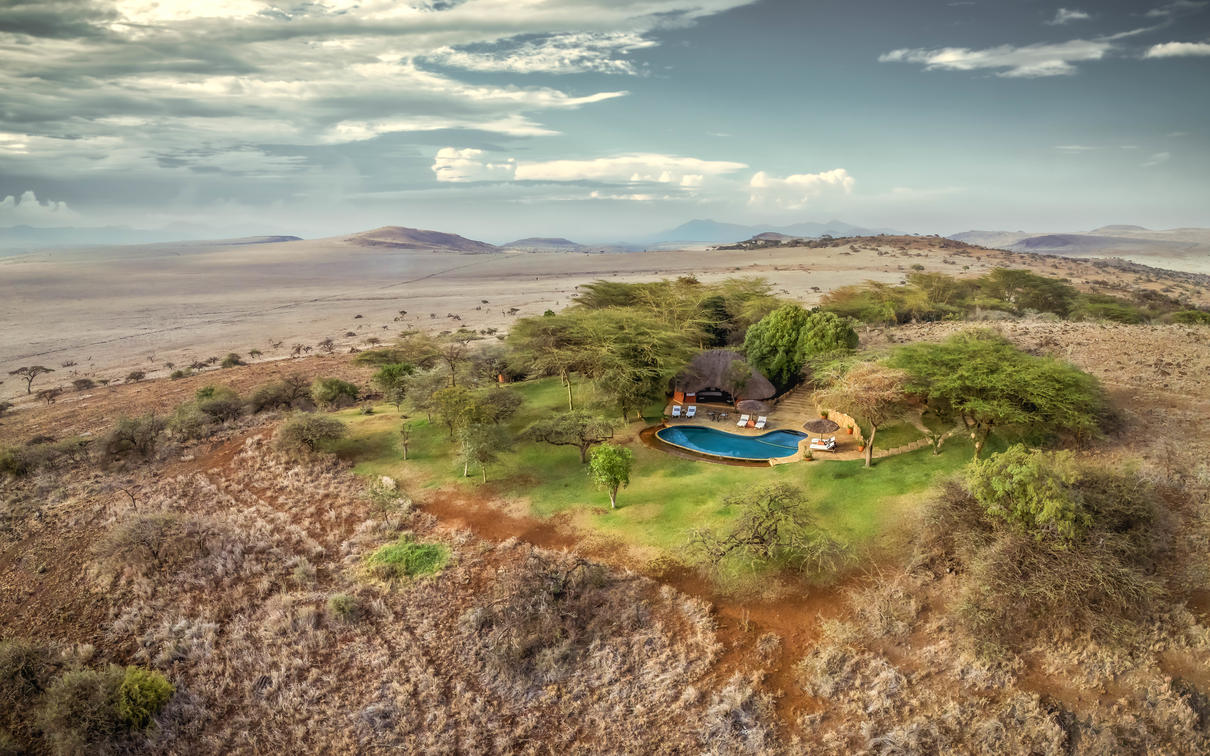
Nestled in the heart of Kenya, at the foothills of Mount Kenya, lies Lewa Conservancy – a name synonymous with pioneering conservation and community development. This remarkable 62,000-acre wildlife sanctuary is not merely a haven for endangered species but a living testament to how dedicated efforts can transform landscapes, protect biodiversity, and uplift human lives. For discerning travellers, Lewa offers an unparalleled safari experience, blending breathtaking wildlife encounters with a deep understanding of its vital conservation mission.
Lewa's journey began as a cattle ranch and evolved into a world-renowned conservation model, demonstrating that wildlife and people can thrive together. Its commitment to protecting rhinos, elephants, and other iconic African species, alongside empowering local communities through education and economic opportunities, makes it a truly inspiring destination. Encounters Africa invites you to explore the profound impact of this conservancy and discover why it stands as a beacon of hope for Africa's wild future.
The Heart of Lewa: Rhino Conservation Success
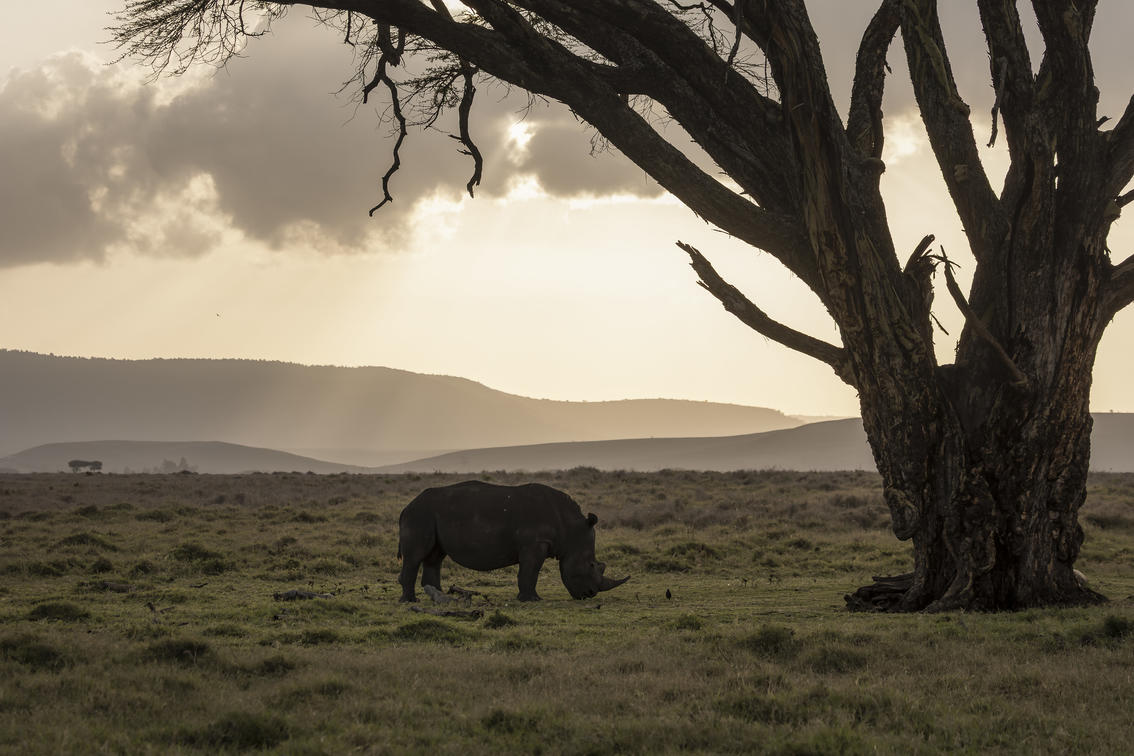
Lewa Conservancy is perhaps best known globally for its extraordinary success in rhino conservation. It is home to both black and white rhinos, playing a critical role in the species' survival. The conservancy's rigorous anti-poaching measures, dedicated monitoring, and scientific breeding programmes have led to a thriving population, making it one of Africa's safest havens for these magnificent creatures.
The story of rhino conservation at Lewa is one of unwavering commitment. From just 15 black rhinos in the mid-1980s, the population has grown significantly, contributing to the overall increase in Kenya's black rhino numbers. This success is a direct result of substantial investment in security, intelligence gathering, and community engagement, ensuring that local populations are partners in conservation, not adversaries.
Lewa's rhinos are more than just numbers; they are symbols of hope, living proof that with dedication and collaboration, even the most endangered species can be brought back from the brink.
Black and White Rhino Populations
Lewa hosts a robust population of both critically endangered black rhinos and near-threatened white rhinos. The conservancy provides an ideal habitat, with diverse vegetation supporting their grazing and browsing needs. Daily monitoring by highly trained rangers ensures the safety and well-being of every individual, contributing vital data to global conservation efforts.
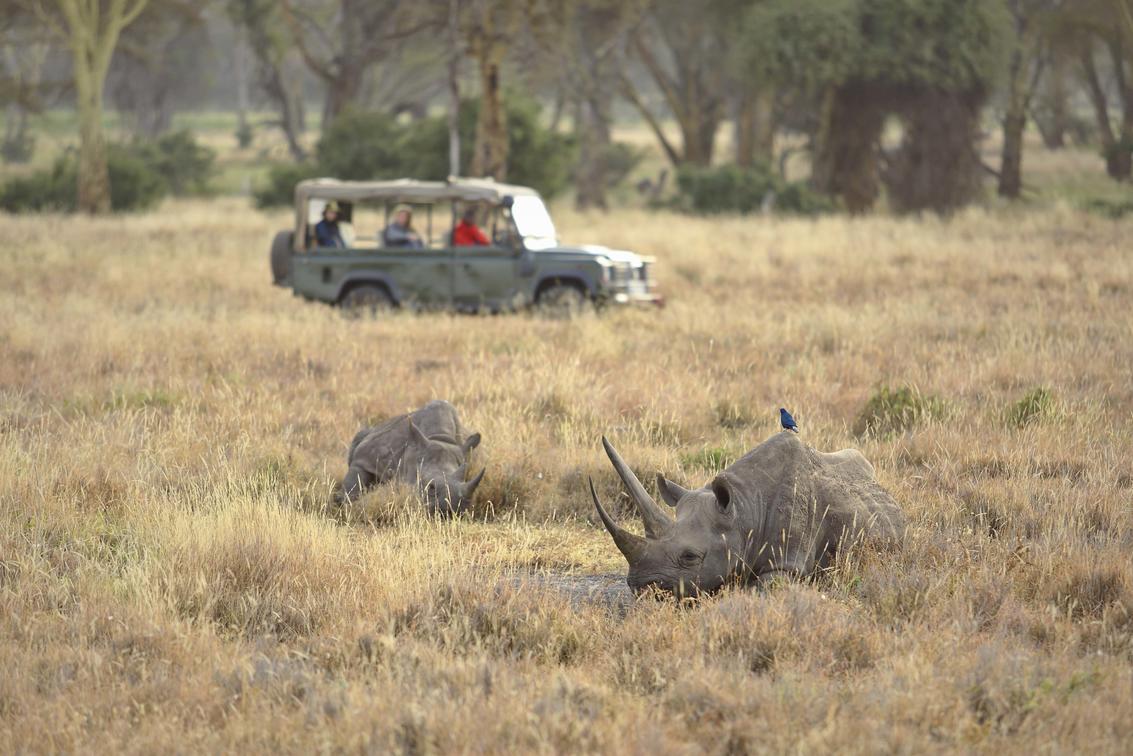
Visitors to Lewa often have the privilege of witnessing these ancient beasts up close, a truly humbling experience. The conservancy's commitment extends beyond its borders, actively participating in translocations to establish new rhino populations in other secure areas, thereby expanding the genetic pool and increasing the species' resilience.
Beyond Rhinos: Lewa's Diverse Wildlife
While rhinos are a flagship species, Lewa Conservancy boasts an incredible diversity of wildlife, making every game drive an adventure. The conservancy's varied habitats, from open grasslands to acacia woodlands and riverine forests, support a rich tapestry of flora and fauna. It's a prime example of a healthy, functioning ecosystem.
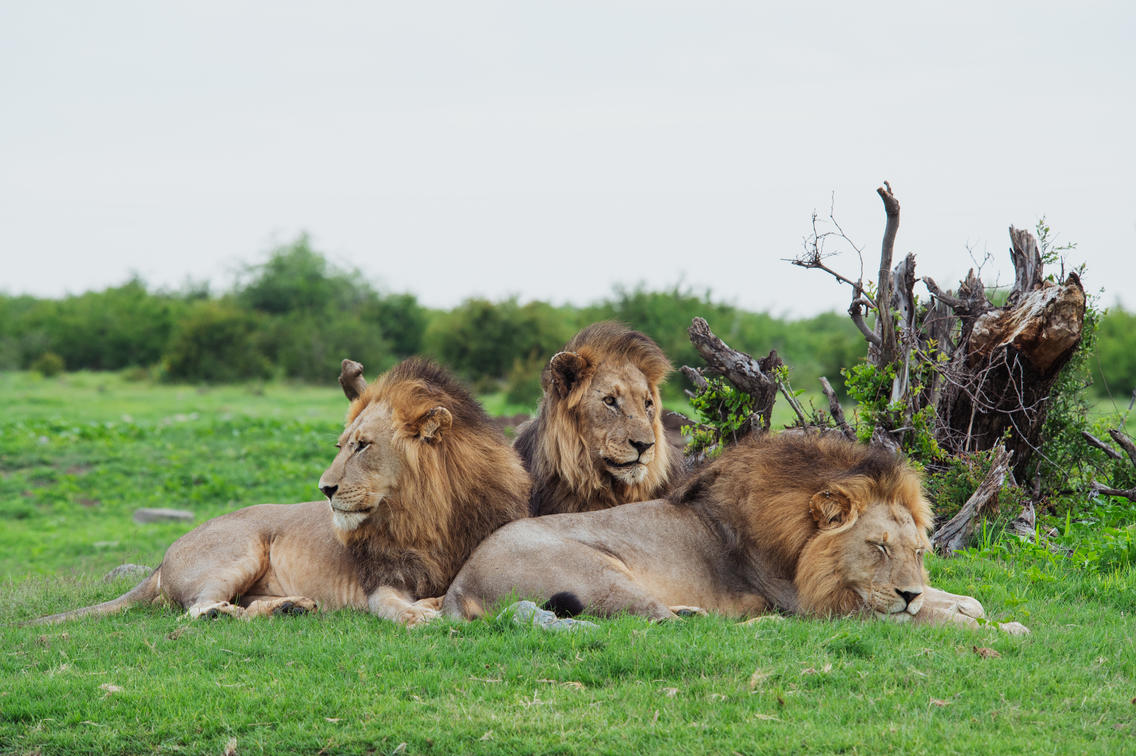
The 'Big Five' are all present here, including elephants, lions, leopards, and buffalo, alongside the rhinos. However, Lewa is also a stronghold for several other endangered and endemic species, offering unique viewing opportunities that set it apart from many other safari destinations.
Unique Species and Habitats
One of Lewa's special residents is the Grevy's zebra, an endangered species with a striking narrow-striped pattern. The conservancy is home to a significant percentage of the world's remaining Grevy's zebra population, making it a crucial sanctuary for their survival. Reticulated giraffes, another northern Kenyan specialty, are also commonly sighted, their intricate patterns a delight to behold.
Grevy's Zebra: Easily distinguished by their large ears and narrow stripes, Lewa is vital for their conservation.
Reticulated Giraffe: These elegant giants with their distinctive polygonal patterns are a common sight.
African Wild Dog: Highly endangered, these intelligent predators are occasionally seen hunting across the plains.
Cheetah: The fastest land animal thrives in Lewa's open landscapes, offering thrilling chase opportunities.
Over 400 Bird Species: From vibrant rollers to majestic eagles, birdwatching here is exceptional.
Community and Conservation: Lewa's Integrated Approach
Lewa's conservation model is deeply rooted in the belief that the future of wildlife is inextricably linked to the well-being of local communities. This integrated approach is a cornerstone of its success, fostering a sense of ownership and partnership among the people living around the conservancy. By investing in education, healthcare, and economic development, Lewa ensures that communities benefit directly from conservation efforts.
This philosophy has transformed the relationship between people and wildlife, moving away from conflict towards coexistence and mutual benefit. The conservancy actively involves local leaders and residents in decision-making processes, creating sustainable solutions that address both human needs and conservation goals.
Education and Healthcare Initiatives
Education is a powerful tool for change, and Lewa has made significant investments in schools, scholarships, and vocational training programmes. By providing access to quality education, the conservancy empowers the next generation, equipping them with the skills and knowledge to become future conservationists and community leaders. Healthcare initiatives, including mobile clinics and support for local dispensaries, ensure improved health outcomes for thousands of people.
Economic Empowerment
Lewa supports various income-generating projects that provide sustainable livelihoods for local communities. These include craft cooperatives, livestock management programmes, and employment opportunities within the conservancy itself. By creating economic alternatives, Lewa reduces reliance on natural resources and fosters a positive economic incentive for conservation.
The Lewa Experience: A Luxury Safari with Purpose
A safari to Lewa Conservancy offers more than just exceptional wildlife viewing; it provides a profound connection to a place where conservation truly works. The conservancy is home to a selection of intimate, luxury camps and lodges, each offering a unique perspective on this remarkable landscape and its mission. Guests contribute directly to conservation efforts through their stay, making it a safari with a purpose.
The experience at Lewa is designed to be immersive and educational. Expert guides share their extensive knowledge of the ecosystem, its inhabitants, and the challenges and triumphs of conservation. Activities extend beyond traditional game drives, offering diverse ways to explore and engage with the environment.
Activities and Accommodations
Game Drives: Day and night game drives in open-sided vehicles offer unparalleled wildlife viewing.
Walking Safaris: Explore the bush on foot with armed guides, gaining a deeper appreciation for the smaller details of the ecosystem.
Horseback Riding: A unique way to get close to plains game, offering a different perspective of the landscape.
Camel Treks: Experience traditional transport and explore remote areas of the conservancy.
Community Visits: Engage with local communities and learn about their culture and daily lives.
Rhino Tracking: Participate in monitoring efforts, learning about the conservancy's vital work.
Luxury accommodations like Elewana Sand River Masai Mara (though located in Masai Mara, it exemplifies the type of high-end, conservation-focused lodging found in Kenya) and other exquisite lodges within Lewa offer comfort and elegance amidst the wilderness. Each stay contributes directly to the conservancy's operational costs, funding anti-poaching units, community programmes, and wildlife research.
Best Time to Visit Lewa Conservancy
The best time to visit Lewa Conservancy largely depends on your preferences for weather and wildlife viewing. Generally, the dry seasons offer the most concentrated wildlife sightings, while the wet seasons bring lush landscapes and fewer crowds.
Dry Seasons (January-March & June-October)
These periods are considered peak safari seasons. The vegetation is sparser, and animals congregate around permanent water sources, making them easier to spot. The weather is typically sunny and dry, ideal for game drives and other outdoor activities. However, it can also be hotter and more crowded, especially during the European and North American summer holidays.
Wet Seasons (April-May & November-December)
The 'green season' offers a different kind of beauty. The landscape transforms into a vibrant green, and migratory birds arrive, making it excellent for birdwatching. While wildlife can be more dispersed, the scenery is stunning, and there are often fewer visitors, leading to a more intimate safari experience. Short rains in November-December are generally less disruptive than the long rains of April-May.
Conclusion: A Model for Sustainable Conservation
Lewa Conservancy stands as a powerful model for sustainable conservation, demonstrating that protecting wildlife and empowering communities are not mutually exclusive goals but rather interdependent necessities. Its success in rhino conservation, coupled with its holistic approach to community development, offers a blueprint for the future of African wilderness areas.
A journey to Lewa is more than just a safari; it's an opportunity to witness conservation in action, to connect with the wild heart of Africa, and to become part of a story of hope and resilience. Encounters Africa is proud to offer bespoke safaris to this extraordinary destination, inviting you to experience its magic firsthand and contribute to its vital mission. For those looking for a private safari beyond our set itineraries, we would be delighted to hear from you directly. We specialise in creating beautifully tailored journeys for solo travellers, couples, families, and private groups of up to eight guests. Through our trusted network of carefully selected camps and lodges, we craft each safari around your individual interests, preferred pace, and budget, ensuring a seamless and deeply personal experience from beginning to end. Contact us today to begin planning your unforgettable Lewa adventure.
More like this
conservation
Madikwe Game Reserve: A Promise of Sustainable Safari in Africa
conservation
Mana Pools National Park: A Sanctuary of Conservation and Wildlife
conservation
Matetsi Private Game Reserve: A Beacon of Conservation
conservation
Matusadona National Park: A Conservation Success Story
conservation
Moditlo Private Game Reserve: A Conservation Success Story
conservation