conservation
Matetsi Private Game Reserve: A Beacon of Conservation
Encounters Africa - 7 min read
Updated on 1 May 2026
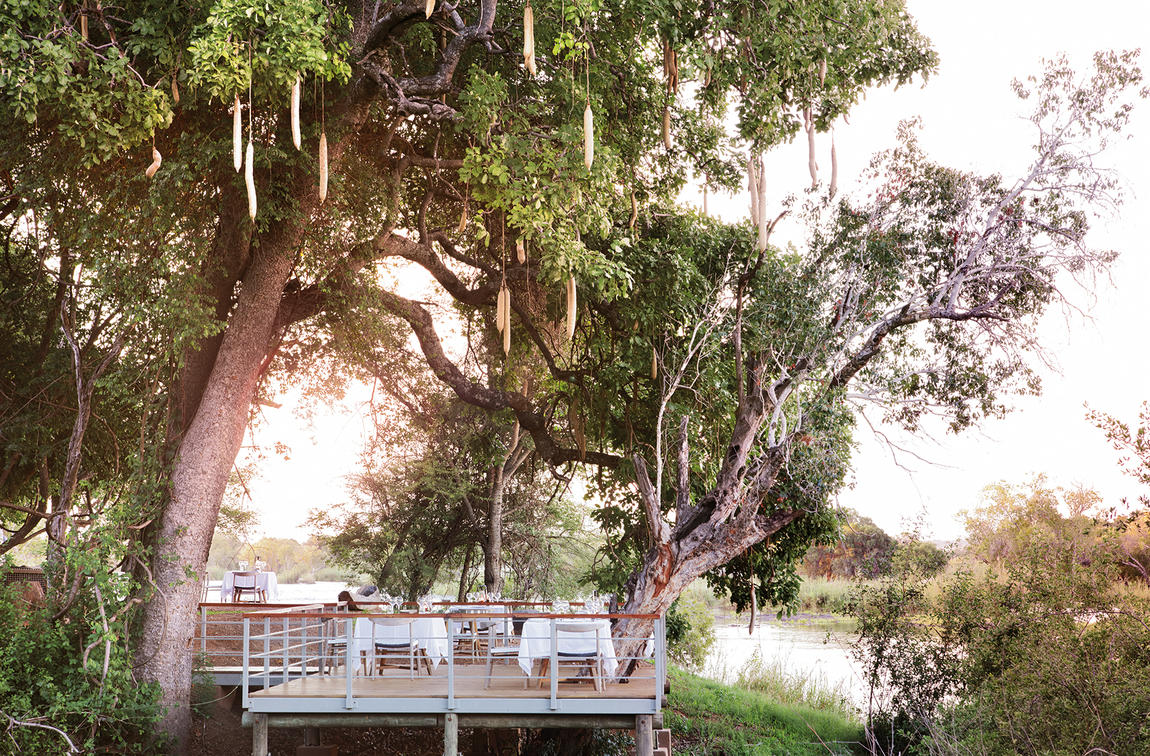
Nestled along a 15km stretch of the mighty Zambezi River, just west of Victoria Falls, lies Matetsi Private Game Reserve. This vast 50,000-hectare concession in Zimbabwe is not merely a pristine wilderness offering unparalleled safari experiences; it stands as a testament to the power of dedicated conservation. It's a place where luxury travel directly fuels critical efforts to protect and restore one of Africa's most biodiverse ecosystems, making it a prime example of sustainable tourism.
Encounters Africa is proud to highlight destinations like Matetsi, where every journey contributes to a greater purpose. Our discerning travellers seek not just adventure, but also meaningful engagement with the natural world, and Matetsi delivers precisely that. Its commitment to wildlife protection, habitat restoration, and community empowerment sets a benchmark for private game reserves across the continent.
The Matetsi Story: From Hunting Concession to Conservation Haven
The history of Matetsi Private Game Reserve is a compelling narrative of transformation. For decades, the area was primarily managed as a hunting concession. While this provided some level of wildlife management, it didn't always prioritise ecological balance or the long-term health of the ecosystem. The shift towards photographic safari and dedicated conservation management marked a pivotal moment for the reserve.
In 2016, the reserve underwent a significant revitalisation under new ownership, pivoting entirely towards conservation-led tourism. This strategic change involved substantial investment in anti-poaching units, habitat rehabilitation, and community engagement programmes. The goal was to restore the land to its former glory, allowing wildlife populations to flourish and creating a sustainable model for the future.
Matetsi Private Game Reserve exemplifies how visionary leadership and significant investment can transform a landscape, proving that luxury safari and robust conservation are not just compatible, but mutually reinforcing.
Re-establishing Ecological Balance
One of the primary conservation objectives at Matetsi has been the re-establishment of a healthy ecological balance. Years of intensive hunting and, at times, inadequate management had impacted certain species and their habitats. The new approach focused on allowing natural processes to resume, supported by targeted interventions.
Habitat Restoration: Efforts include managing invasive species, restoring water sources, and allowing natural vegetation to recover, providing crucial food and shelter for wildlife.
Species Reintroduction: While not a primary focus, natural recolonisation of species like wild dog and cheetah has been observed as the ecosystem recovers, demonstrating the success of habitat protection.
Predator-Prey Dynamics: By protecting both predators and their prey, Matetsi aims to foster a self-regulating ecosystem where natural selection plays its vital role.
Protecting Matetsi's Iconic Wildlife Populations
Matetsi is renowned for its diverse wildlife, including significant populations of elephant, buffalo, and various antelope species. The reserve's location, bordering Chobe National Park in Botswana, means it forms a crucial part of a larger trans-boundary ecosystem, facilitating wildlife movement and genetic diversity.
The Elephant Corridor
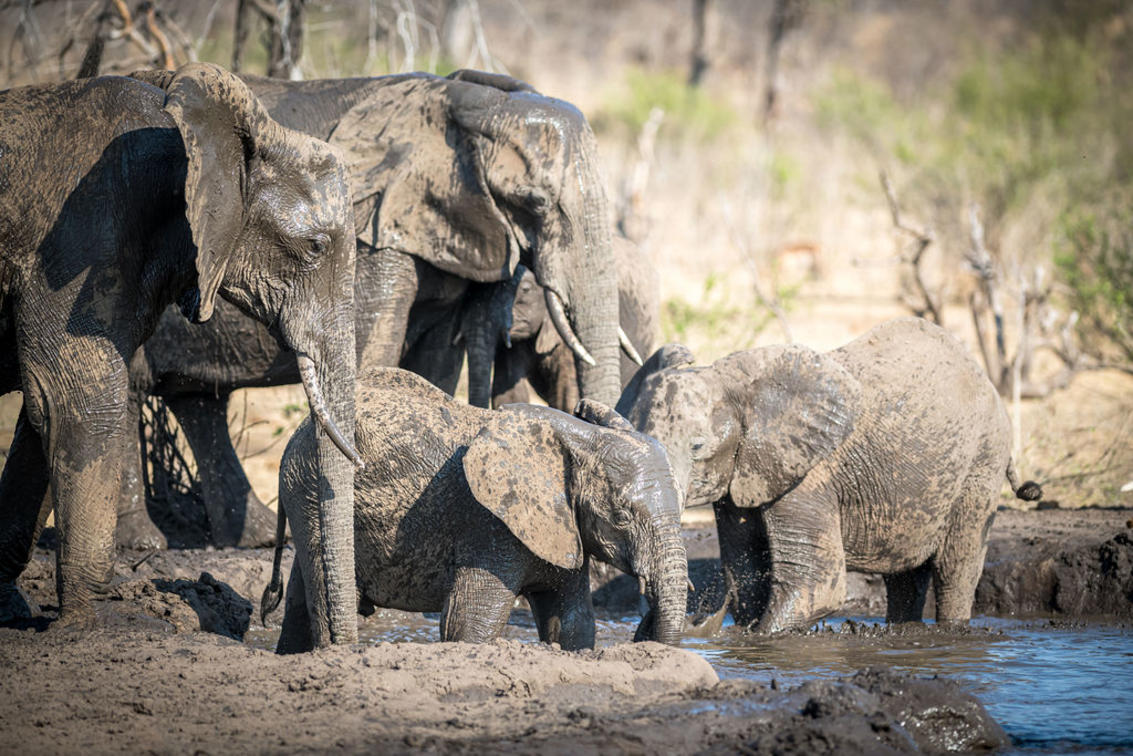
The reserve plays a vital role as a migratory corridor for the immense elephant herds of the Kavango-Zambezi Transfrontier Conservation Area (KAZA TFCA). These elephants frequently cross between Chobe and Matetsi, particularly during the dry season when they seek water along the Zambezi River. Protecting this corridor is paramount for the long-term survival of these magnificent animals.
Water Access: Ensuring perennial water sources within the reserve reduces pressure on elephants to travel long distances, especially for breeding herds.
Anti-Poaching Presence: A strong anti-poaching presence deters illegal hunting, safeguarding elephant populations as they move through the area.
Habitat Connectivity: Maintaining vast, undisturbed areas allows for natural movement patterns, essential for genetic exchange and population health.
Anti-Poaching and Security Efforts
The fight against poaching is at the forefront of Matetsi's conservation strategy. The reserve invests heavily in a dedicated anti-poaching unit (APU) comprising highly trained scouts who patrol the vast concession daily. This proactive approach is critical in deterring illegal activities and protecting vulnerable species.
Patrols and Surveillance: Regular foot and vehicle patrols, often using advanced tracking technology, cover the reserve's extensive boundaries and interior.
Intelligence Gathering: Working closely with local communities and national park authorities, the APU gathers intelligence to preempt poaching attempts.
Community Involvement: Engaging local communities in conservation efforts helps create a network of vigilance and reduces the incentive for poaching.
Community Engagement and Sustainable Livelihoods
True conservation success extends beyond wildlife protection; it deeply involves the people living alongside the wilderness. Matetsi Private Game Reserve understands this intrinsically, implementing programmes that benefit local communities and foster a shared sense of responsibility for the environment.
Education and Awareness
Investing in education is a cornerstone of Matetsi's community strategy. By raising awareness about the value of wildlife and conservation, they empower future generations to become stewards of their natural heritage. This includes supporting local schools and providing environmental education.
School Support: Providing resources, infrastructure, and educational materials to schools in neighbouring villages.
Conservation Workshops: Conducting workshops for community members on sustainable resource management and human-wildlife coexistence.
Scholarship Programs: Offering scholarships to promising students from local communities to pursue further education, including in conservation-related fields.
Economic Empowerment
Matetsi creates direct and indirect economic opportunities for local communities, demonstrating that conservation can be a driver of prosperity. This includes employment, local procurement, and support for community-led enterprises.
Employment: A significant percentage of the reserve's staff, from safari guides to lodge personnel, are recruited from surrounding villages.
Local Sourcing: Prioritising the purchase of goods and services from local businesses, such as fresh produce and artisanal crafts.
Community Projects: Investing in infrastructure projects like boreholes for clean water, clinics, and community centres, directly improving quality of life.
The Luxury Safari Experience: Fueling Conservation
At Matetsi Private Game Reserve, the luxury safari experience is meticulously crafted to be both immersive and impactful. Guests are not just observers; they are active participants in a conservation story. The revenue generated from tourism directly funds the extensive conservation programmes, creating a virtuous cycle.
Exceptional Wildlife Viewing
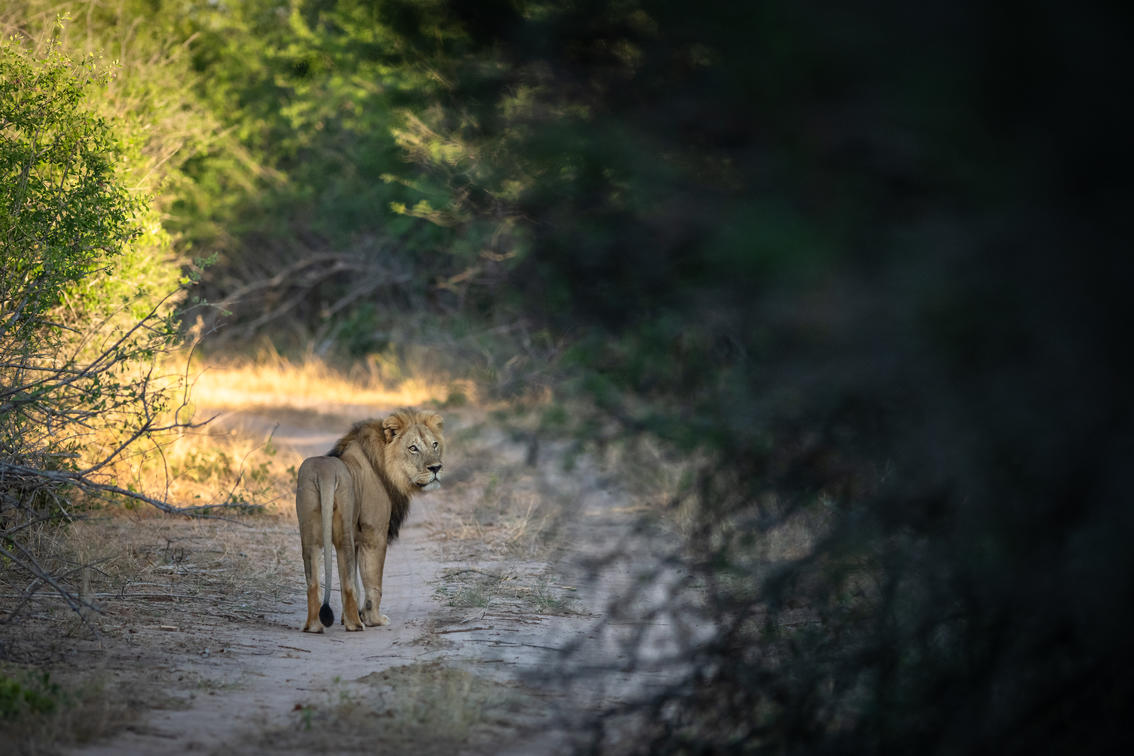
The reserve's diverse habitats, from riverine forests along the Zambezi to Mopane woodlands and open grasslands, support a rich array of wildlife. Guests can expect exceptional sightings of the African 'Big Five' – elephant, lion, leopard, rhino (though rarer), and buffalo – alongside a multitude of other species.
Game Drives: Expert guides lead morning and afternoon game drives in open safari vehicles, offering intimate encounters with wildlife.
River Activities: Boat cruises on the Zambezi provide a unique perspective, with opportunities to see hippos, crocodiles, and a vast array of birdlife.
Walking Safaris: For the adventurous, guided walking safaris offer a chance to connect with the bush on foot, focusing on smaller creatures and tracking.
Sustainable Lodge Operations
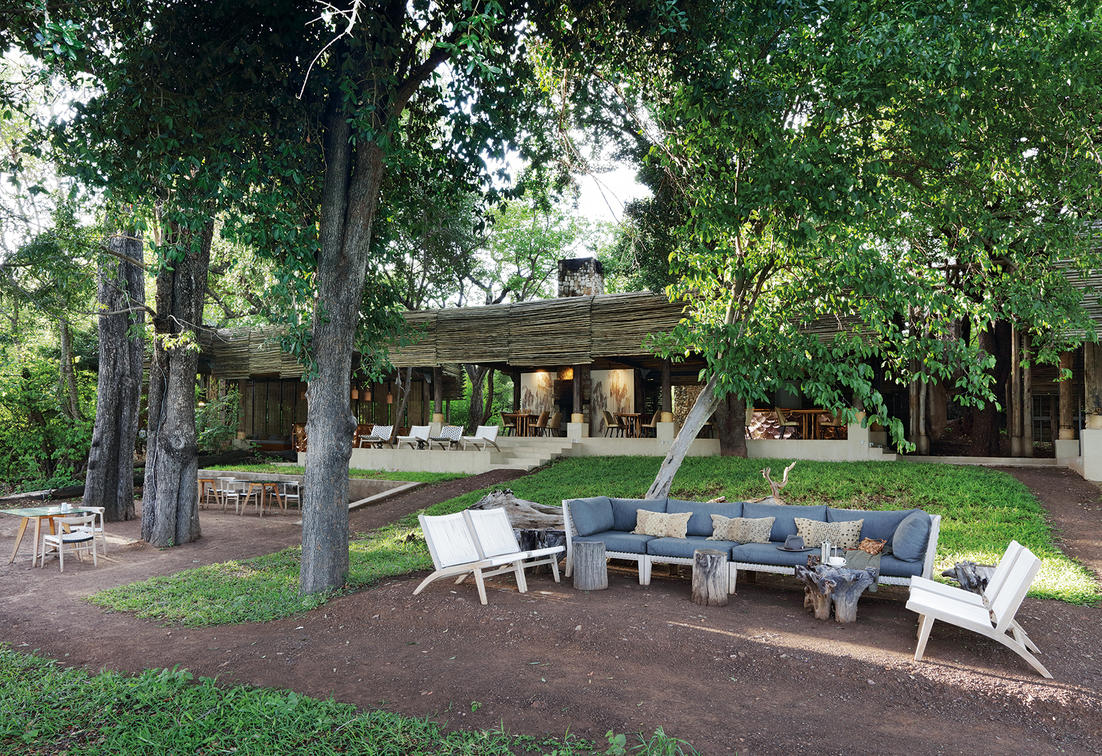
The lodges within Matetsi Private Game Reserve are designed with sustainability at their core. Every effort is made to minimise environmental impact while maximising guest comfort and experience.
Eco-Friendly Design: Architecture blends seamlessly with the natural surroundings, using local materials where possible.
Waste Management: Robust recycling programmes and responsible waste disposal are in place.
Energy Efficiency: Utilisation of solar power and other renewable energy sources reduces the carbon footprint.
Conclusion: A Model for the Future of African Safari
Matetsi Private Game Reserve stands as a shining example of how luxury safari and dedicated conservation can coexist and thrive. Its comprehensive approach to wildlife protection, habitat restoration, and community empowerment creates a powerful narrative of hope and resilience. For Encounters Africa, it represents the very essence of responsible travel – a journey that not only enriches the individual but also safeguards the planet's precious biodiversity.
A safari to Matetsi is more than just a holiday; it's an investment in the future of African wildlife and the communities that depend on it. We invite you to experience this extraordinary place for yourself. For discerning travellers seeking a private safari beyond our set itineraries, we invite you to contact us directly. We specialise in designing exceptional, tailor-made journeys for individuals, couples, families, and private groups of up to eight guests, ensuring a seamless and deeply personal safari experience shaped entirely around your preferences, pace, and budget.
More like this
conservation
Matusadona National Park: A Conservation Success Story
conservation
Moditlo Private Game Reserve: A Conservation Success Story
conservation
Murchison Falls National Park: A Conservation Success Story
Conservation
Practical Actions Travelers Can Take to Aid African Wildlife Conservation
Conservation
Rwanda Strengthens Anti-Poaching Measures Across Volcanoes National Park
Conservation