conservation
Matusadona National Park: A Conservation Success Story
Encounters Africa - 8 min read
Updated on 1 May 2026
Nestled on the southern shores of Lake Kariba in Zimbabwe, Matusadona National Park is a place of dramatic beauty and profound ecological significance. Once facing severe challenges, this captivating wilderness is undergoing a remarkable transformation, thanks to dedicated conservation initiatives. Encounters Africa invites you to explore how this iconic park is being revitalised, offering a beacon of hope for wildlife and a truly authentic safari experience for discerning travellers.
The story of Matusadona is one of resilience and renewed purpose. From its unique landscape, where the Zambezi Escarpment plunges into the vast waters of Lake Kariba, to its diverse ecosystems supporting a rich array of flora and fauna, the park is a jewel in Africa's crown. Understanding the ongoing conservation efforts provides a deeper appreciation for the wild heart of Zimbabwe.
The Resurgence of Matusadona National Park
Matusadona National Park has long been celebrated for its raw, untamed wilderness. However, like many protected areas across Africa, it faced significant pressures from poaching and human-wildlife conflict in recent decades. The park's remote location, while adding to its allure, also made it vulnerable. The good news is that a concerted effort, spearheaded by African Parks in partnership with the Zimbabwe Parks and Wildlife Management Authority (ZimParks), has ushered in a new era of hope and recovery.
Since 2019, African Parks has taken on the management of Matusadona, implementing a comprehensive strategy focused on security, community engagement, and ecological restoration. This partnership is vital for ensuring the long-term sustainability of the park and its precious wildlife populations. The results are already evident, with increased wildlife sightings and improved park infrastructure.
Matusadona National Park is a testament to what can be achieved when dedicated conservation efforts meet the raw beauty of the African wilderness.
Key Conservation Initiatives in Action
The conservation strategy in Matusadona is multi-faceted, addressing both immediate threats and long-term ecological health.
Enhanced Law Enforcement: Anti-poaching units have been significantly bolstered, with more rangers, better equipment, and advanced surveillance techniques. This has drastically reduced poaching incidents and created a safer environment for wildlife.
Wildlife Reintroductions: A critical component of the restoration has been the reintroduction of key species. Notably, black rhinos, which had been locally extinct, were successfully reintroduced in 2023, marking a monumental step towards restoring the park's historical biodiversity.
Community Engagement: Sustainable conservation relies heavily on the support of local communities. African Parks works closely with communities surrounding Matusadona, providing employment, education, and alternative livelihood opportunities, ensuring that local people benefit directly from the park's success.
Habitat Restoration: Efforts are underway to manage invasive species and restore degraded habitats, ensuring a healthy ecosystem for all wildlife. This includes fire management and water source development.
Wildlife Wonders of Matusadona
Matusadona is renowned for its diverse wildlife, offering exceptional viewing opportunities. The park's unique blend of lake shore, woodlands, and escarpment habitats supports a wide array of species, making every safari an adventure.
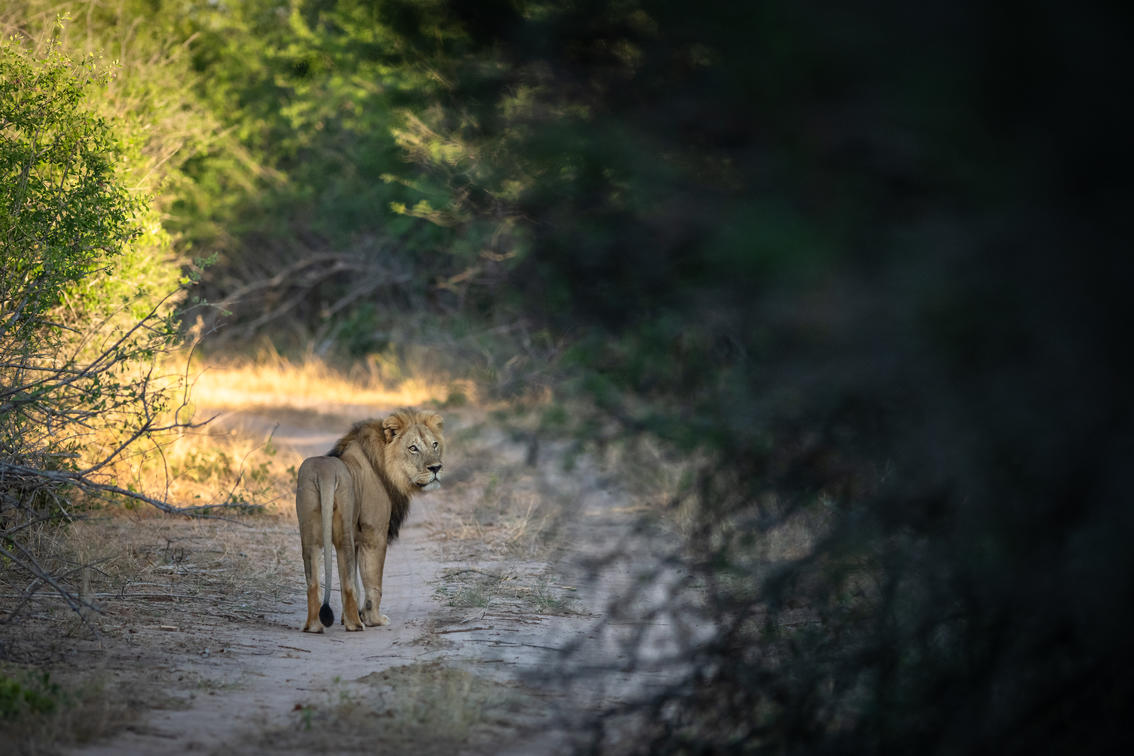
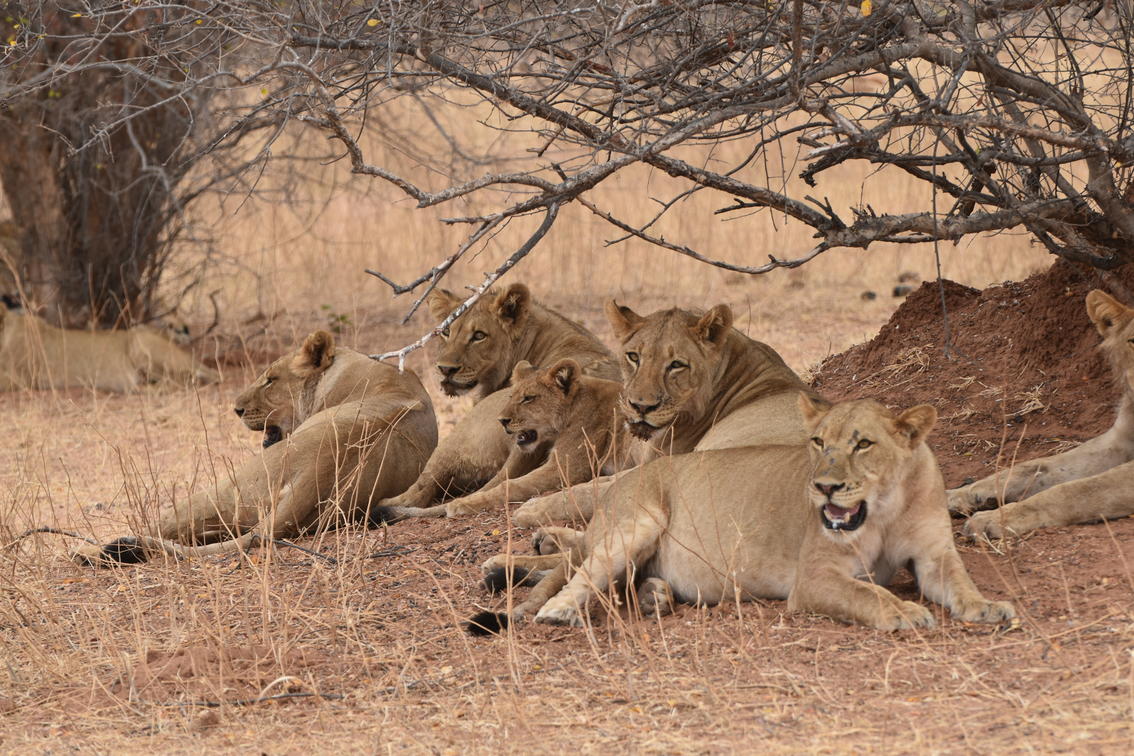
The park is a stronghold for large elephant herds, often seen along the shoreline, and boasts a healthy population of buffalo. Lion sightings are frequent, and the elusive leopard also roams its territories. Visitors can also spot various antelope species, including impala, kudu, and waterbuck, particularly around the permanent water sources.
Iconic Species and Their Habitats
The return of the black rhino is a monumental achievement, highlighting the success of the Matusadona National Park conservation programme. These magnificent creatures are a symbol of hope and a vital part of the park's ecological balance. While sightings are rare due to their shy nature and the need for their protection, their presence signifies a thriving ecosystem.
Birdlife is also spectacular, with over 350 species recorded. The lake attracts a multitude of waterbirds, including various storks, herons, and the iconic African fish eagle, whose haunting cry is synonymous with the African wilderness. For avid birdwatchers, Matusadona offers an unparalleled experience.
Planning Your Matusadona Safari: Best Times to Visit
Choosing the right time to visit Matusadona National Park can significantly enhance your safari experience. The park offers distinct advantages during different seasons.
The dry season, from May to October, is generally considered the best time for wildlife viewing. As water sources become scarce, animals congregate around Lake Kariba and other permanent waterholes, making them easier to spot. The vegetation is also less dense, improving visibility. Temperatures are pleasant during the day, though nights can be cool.
Seasonal Highlights and Activities
Dry Season (May - October): Excellent for game drives and walking safaris. The lack of rain means roads are generally in good condition. Boat safaris on Lake Kariba offer unique perspectives of wildlife coming to drink. This is also a prime time for fishing, particularly for tiger fish.
Wet Season (November - April): While game viewing can be more challenging due to thicker vegetation and dispersed animals, the wet season transforms the landscape into a lush, green paradise. It's a fantastic time for birdwatching, with migratory birds arriving, and the birth of many young animals. Photography during this time is also rewarding due to dramatic skies and vibrant colours.
Accommodation Options in Matusadona National Park
Matusadona offers a range of accommodation options, from rustic tented camps to more luxurious lodges, all designed to immerse you in the wilderness experience. Encounters Africa carefully selects lodges that align with our commitment to responsible tourism and provide exceptional comfort and service.
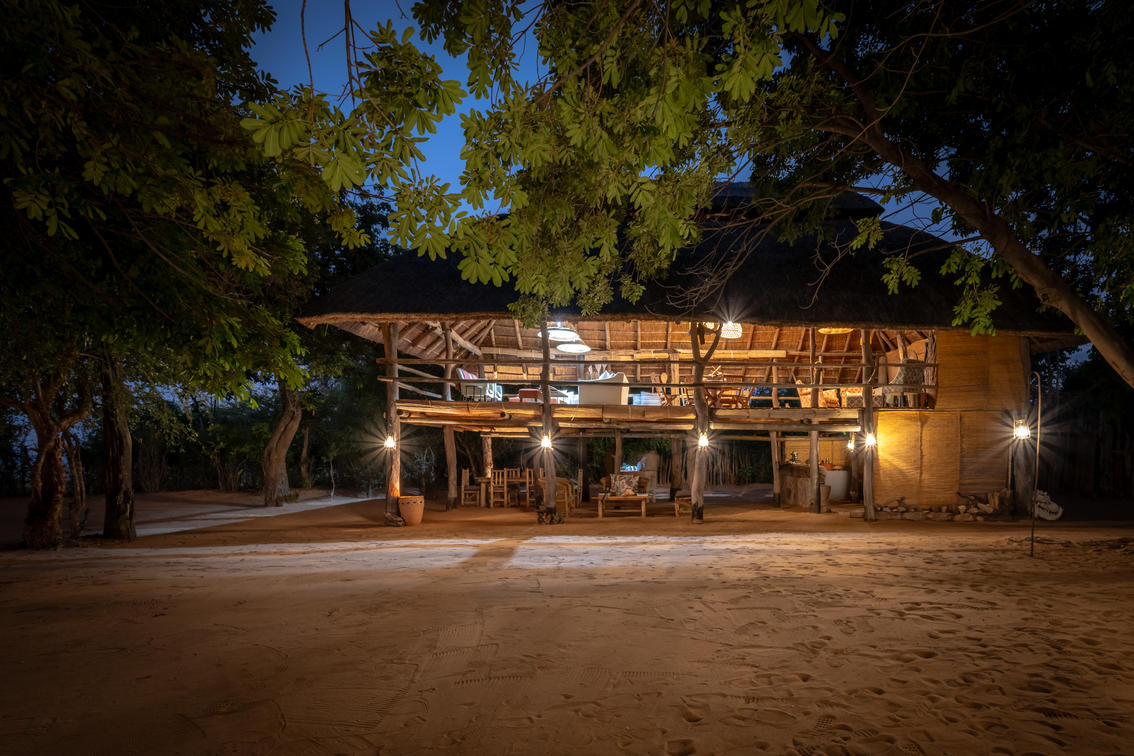
One of the most authentic ways to experience Matusadona is through a stay at a classic safari camp. These camps often blend seamlessly with the natural environment, offering comfortable tents with en-suite facilities and private verandas. Many camps offer both land-based game activities and boat safaris on Lake Kariba.
Featured Lodges and Camps
While specific lodge availability can vary, here are examples of the types of exceptional accommodations you might find:
Bumi Hills Safari Lodge & Spa: Perched on a hill overlooking Lake Kariba, Bumi Hills offers breathtaking panoramic views. It combines luxury with an authentic safari experience, featuring spacious rooms, a spa, and a pool. Activities include game drives, walking safaris, boat cruises, and cultural visits.
Changa Safari Camp: Located on the shoreline of Lake Kariba, Changa offers an intimate and exclusive safari experience. Its tented suites are beautifully appointed, and guests can enjoy game drives, walking safaris, and fishing. The camp's location provides excellent opportunities for observing wildlife coming to the water's edge.
Musango Safari Camp: Situated on its own island, Musango provides a unique perspective of Matusadona. It's known for its excellent walking safaris, led by experienced guides, and its focus on an authentic, immersive bush experience.
Activities and Experiences in Matusadona
A safari in Matusadona is about more than just game viewing; it's an opportunity to connect deeply with nature and experience the wild heart of Zimbabwe.
Game drives in open safari vehicles are a cornerstone of any Matusadona safari, allowing you to cover diverse terrain and get up close with the park's inhabitants. Expert guides share their knowledge of the ecosystem, tracking animals and interpreting their behaviour.
Unique Safari Adventures
Boat Safaris and Sundowners on Lake Kariba: Exploring the park from the water offers a completely different perspective. Witness elephants swimming, hippos wallowing, and crocodiles basking. Sunset cruises on Lake Kariba are particularly magical, with the sky ablaze with colour.
Walking Safaris: For an immersive experience, guided walking safaris allow you to appreciate the smaller details of the bush, from tracking animal prints to identifying plants and birds. It's an exhilarating way to feel truly connected to the environment.
Fishing: Lake Kariba is famous for its tiger fish, offering an exciting challenge for fishing enthusiasts. Other species like bream are also abundant.
Birdwatching: With its rich avian diversity, Matusadona is a birdwatcher's paradise. Many lodges offer dedicated birding excursions.
Conclusion: Supporting Matusadona's Future
The ongoing conservation efforts in Matusadona National Park are a powerful reminder of humanity's ability to restore and protect our planet's precious wilderness areas. By choosing to visit Matusadona, you directly contribute to these vital initiatives, supporting anti-poaching efforts, community development, and ecological restoration.
Encounters Africa is proud to offer bespoke safaris to Matusadona, ensuring that your journey not only provides an unforgettable experience but also plays a part in securing the future of this magnificent park. For discerning travellers seeking a private safari beyond our set itineraries, we invite you to contact us directly. We specialise in designing exceptional, tailor-made journeys for individuals, couples, families, and private groups of up to eight guests. Drawing on our handpicked network of distinguished camps and lodges, we curate every detail with precision and care, creating a seamless, deeply personal safari experience shaped entirely around your preferences, pace, and budget.
Every safari to Matusadona is an investment in its future, contributing directly to the protection of its wildlife and the empowerment of its communities.
More like this
conservation
Moditlo Private Game Reserve: A Conservation Success Story
conservation
Murchison Falls National Park: A Conservation Success Story
Conservation
Practical Actions Travelers Can Take to Aid African Wildlife Conservation
Conservation
Rwanda Strengthens Anti-Poaching Measures Across Volcanoes National Park
Conservation
Rwanda's Forests Tell a Story of Recovery and Resolve
conservation