conservation
Madikwe Game Reserve: A Promise of Sustainable Safari in Africa
Encounters Africa - 7 min read
Updated on 1 May 2026
The story of Madikwe Game Reserve is a remarkable testament to the power of conservation and community collaboration. Located in the North West Province of South Africa, this malaria-free reserve stands as a shining example of how a commitment to ecological restoration and sustainable tourism can transform a region. From its humble beginnings as degraded farmland, Madikwe has blossomed into one of Africa's premier safari destinations, offering unparalleled wildlife viewing experiences alongside a deep-rooted dedication to conservation in South Africa.
Encounters Africa has long admired Madikwe's pioneering approach, which seamlessly integrates wildlife protection, ecological management, and community upliftment. It's a model that proves that luxury travel and profound environmental responsibility can not only coexist but thrive together, offering discerning travellers an opportunity to be part of something truly impactful.
The Genesis of a Conservation Success Story
Madikwe's journey began in 1991 with 'Operation Phoenix,' an ambitious undertaking to reintroduce over 8,000 animals of 28 different species to the reserve. This monumental translocation project was a crucial step in re-establishing a balanced ecosystem on land that had been overgrazed and neglected for decades.
The vision behind Madikwe was to create a 'Big Five' reserve that would not only protect wildlife but also generate significant economic benefits for the local communities. This innovative approach, known as the 'Madikwe Model,' prioritised ecological sustainability alongside social and economic development, setting a new standard for conservation in South Africa.
Madikwe's transformation from cattle farms to a thriving Big Five reserve is a powerful narrative of hope and the potential for ecological restoration.
Operation Phoenix: A Wildlife Relocation Marvel
The reintroduction of wildlife was meticulously planned and executed. Animals were sourced from various national parks and private reserves across Southern Africa, transported with immense care, and released into their new home. This careful rewilding process ensured genetic diversity and the establishment of healthy populations.
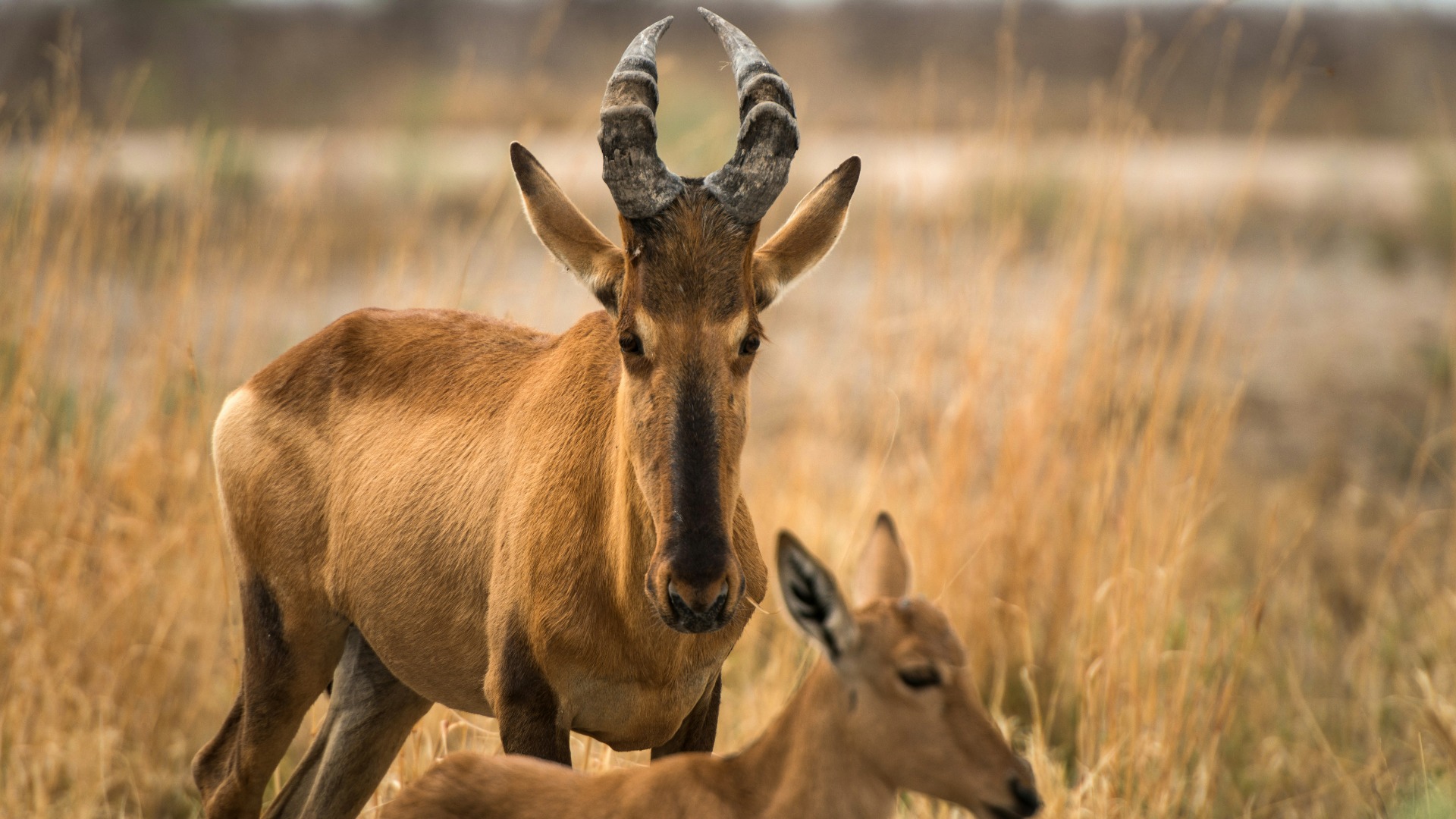
Species like lion, elephant, rhino, buffalo, and leopard, along with numerous antelope species, wild dog, and cheetah, were successfully reintroduced. The success of Operation Phoenix laid the foundation for Madikwe's rich biodiversity, making it a prime location for a South Africa safari.
Sustainable Safari in Africa: Madikwe's Core Philosophy
At the heart of Madikwe's operation is a profound commitment to sustainability. This isn't just about protecting animals; it's about managing the entire ecosystem, supporting local communities, and ensuring that the reserve remains a viable and vibrant entity for generations to come. This holistic approach makes Madikwe a leading example of sustainable safari in Africa.
The reserve operates on a unique public-private partnership model, involving the North West Parks and Tourism Board, private safari operators, and local communities. This collaborative framework ensures that all stakeholders benefit from the reserve's success, fostering a shared responsibility for its long-term health.
Community Involvement and Empowerment
Madikwe's commitment to its surrounding communities is exemplary. Local residents are not just neighbours to the reserve; they are integral partners in its success. This includes employment opportunities within the lodges and reserve management, as well as revenue-sharing initiatives.
Employment: Many staff members at Madikwe's lodges and within the reserve's operational teams are drawn from the local villages, providing stable income and skills development.
Training and Education: Programmes are in place to train community members in hospitality, guiding, and conservation management, empowering them with valuable skills.
Revenue Sharing: A portion of the tourism revenue is channelled back into community development projects, such as schools, clinics, and infrastructure improvements.
Ecological Management and Research
The management of Madikwe is guided by scientific research and best practices in conservation. This includes ongoing monitoring of wildlife populations, habitat management, and anti-poaching efforts. The reserve is a living laboratory, constantly adapting its strategies to ensure ecological balance.
One of the key aspects of Madikwe's ecological management is its dedication to rhino conservation. As a 'rhino stronghold,' the reserve employs advanced anti-poaching units and technology to protect these critically endangered animals, showcasing its leadership in conservation in South Africa.
Wildlife Conservation Initiatives
Madikwe is home to an incredible array of wildlife, and the reserve actively participates in various conservation programmes to protect and enhance these populations. From endangered species protection to habitat restoration, Madikwe's efforts are comprehensive and impactful.
Rhino Conservation: A Critical Focus
The plight of rhinos in Africa is well-documented, and Madikwe has taken a strong stance against poaching. The reserve has invested heavily in security measures, including highly trained anti-poaching teams, aerial surveillance, and intelligence networks, to safeguard its rhino populations.
Travellers visiting Madikwe contribute directly to these vital efforts through their safari experience. The presence of tourists also acts as an additional deterrent to poachers, making every visit a contribution to conservation.
Wild Dog Protection Programme
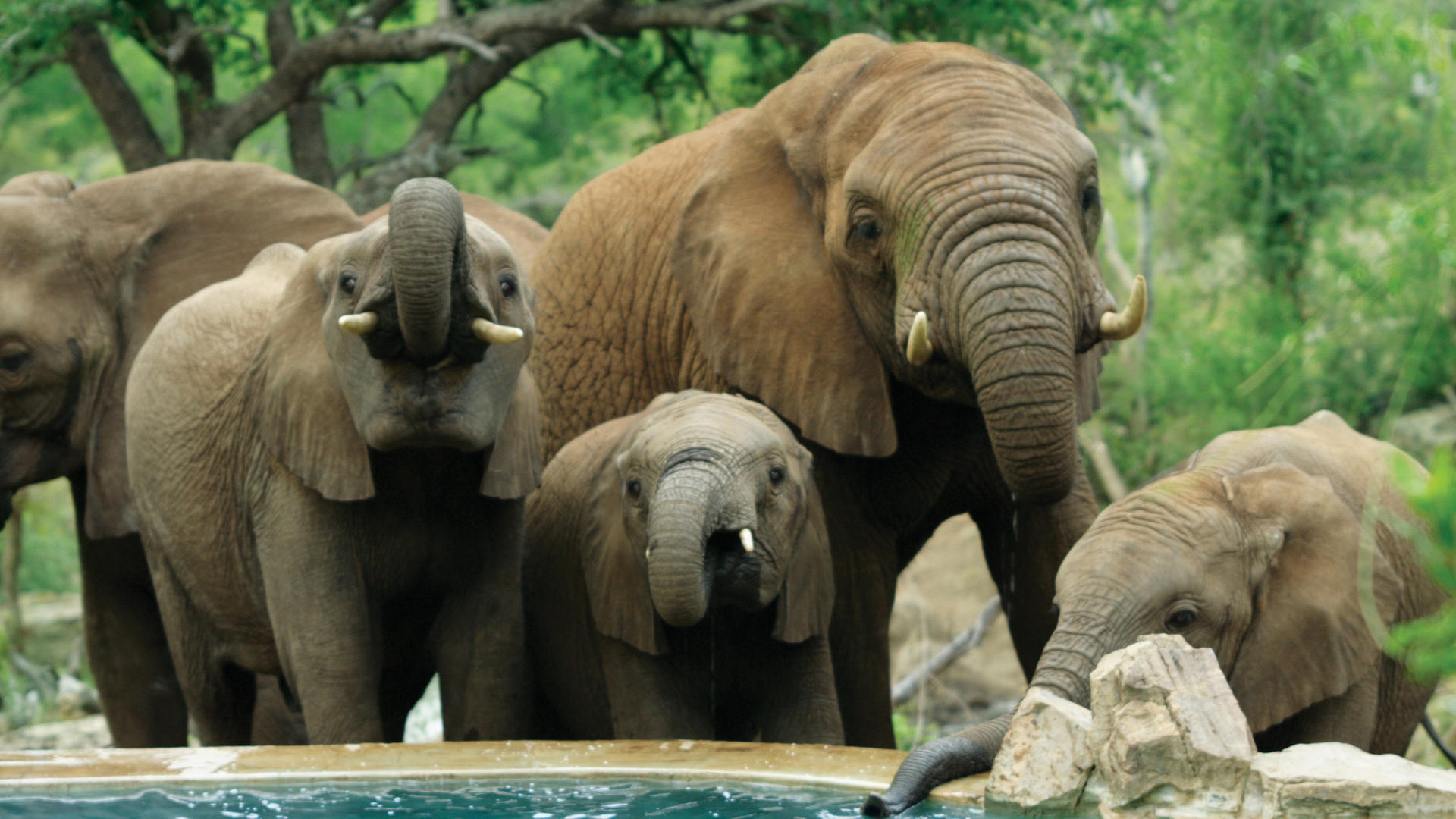
African wild dogs, one of Africa's most endangered carnivores, thrive in Madikwe. The reserve plays a crucial role in the conservation of this species, participating in breeding programmes and reintroductions to bolster their numbers across the continent. Witnessing these intelligent and social animals on a game drive is a highlight for many visitors.
Habitat Restoration and Water Management
Beyond animal protection, Madikwe's conservation efforts extend to the landscape itself. Projects focus on restoring natural vegetation, controlling invasive species, and managing water resources to ensure a healthy environment for all flora and fauna. This holistic approach underpins the success of sustainable safari in Africa.
The Madikwe Safari Experience: Luxury with Purpose
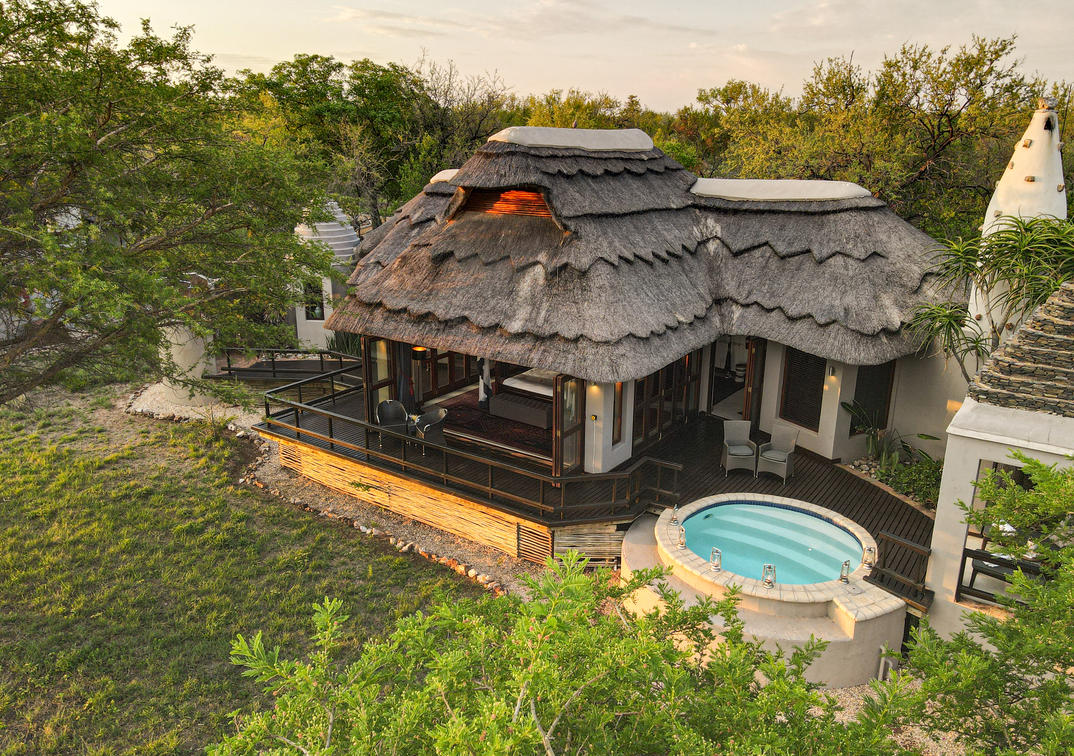
A safari in Madikwe offers an exceptional blend of luxury and meaningful engagement with nature. The lodges within the reserve are renowned for their high standards of service, exquisite cuisine, and intimate wildlife encounters. Yet, underlying this luxury is the knowledge that every aspect of the experience supports a greater conservation mission.
Encounters Africa partners with lodges in Madikwe that share our commitment to responsible tourism. These establishments not only provide unparalleled comfort but also actively participate in the reserve's conservation and community initiatives, offering guests a truly enriching journey.
Exceptional Game Viewing
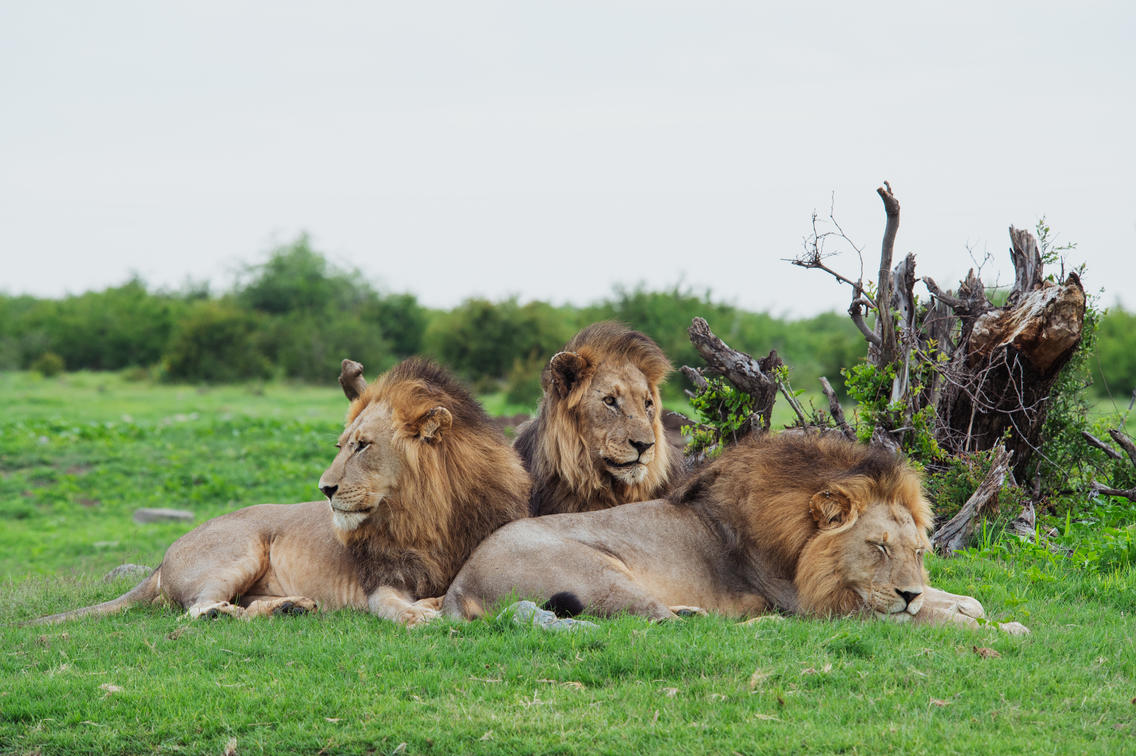
Madikwe is famous for its reliable Big Five sightings, as well as frequent encounters with wild dogs, cheetahs, and a diverse range of other species. The open vehicle game drives, led by expert guides, offer incredible photographic opportunities and deep insights into the African bush.
Morning Game Drives: Begin at dawn, offering the chance to see nocturnal animals returning to their dens and predators on the hunt.
Afternoon/Evening Game Drives: Extend into the night, allowing for sightings of elusive nocturnal creatures using spotlights.
Walking Safaris: Provide a unique perspective on the smaller wonders of the bush, focusing on tracking, birds, and plants.
Family-Friendly Safaris
Madikwe is one of the few reserves in South Africa that is completely malaria-free, making it an ideal destination for families with young children. Many lodges offer dedicated children's programmes, ensuring that even the youngest travellers can engage with and learn about conservation in a fun and educational way.
Planning Your Sustainable Safari to Madikwe
Choosing Madikwe for your safari means opting for an experience that is both luxurious and deeply responsible. Encounters Africa can help you craft the perfect itinerary, ensuring that your journey aligns with your values and provides unforgettable memories.
The best time to visit Madikwe for wildlife viewing is during the dry winter months (May to September). During this period, vegetation is sparse, and animals congregate around water sources, making them easier to spot. The summer months (October to April) offer lush landscapes, migratory birds, and the chance to see newborn animals, though game viewing can be more challenging due to dense foliage.
Every safari to Madikwe is an investment in the future of African wildlife and the empowerment of local communities.
Conclusion: A Model for Conservation in South Africa
Madikwe Game Reserve stands as a powerful symbol of what can be achieved when conservation, community development, and sustainable tourism are harmoniously integrated. Its journey from degraded farmland to a thriving ecosystem, teeming with diverse wildlife, offers a blueprint for sustainable safari in Africa.
By choosing a safari to Madikwe with Encounters Africa, you are not just embarking on an incredible adventure; you are contributing directly to a success story that benefits both nature and people. We invite you to experience the magic of Madikwe and become a part of its ongoing conservation legacy.
For discerning travellers seeking a private safari beyond our set itineraries, we invite you to contact us directly. We specialise in designing exceptional, tailor-made journeys for individuals, couples, families, and private groups of up to eight guests. Drawing on our handpicked network of distinguished camps and lodges, we curate every detail with precision and care, creating a seamless, deeply personal safari experience shaped entirely around your preferences, pace, and budget.
More like this
conservation
Mana Pools National Park: A Sanctuary of Conservation and Wildlife
conservation
Matetsi Private Game Reserve: A Beacon of Conservation
conservation
Matusadona National Park: A Conservation Success Story
conservation
Moditlo Private Game Reserve: A Conservation Success Story
conservation
Murchison Falls National Park: A Conservation Success Story
Conservation