Conservation
Practical Actions Travelers Can Take to Aid African Wildlife Conservation
Encounters Africa - 8 min read
Updated on 11 August 2026
Practical actions travelers can take to aid African wildlife conservation begin the moment you decide to visit this extraordinary continent. From maintaining safe viewing distances that prevent stress to supporting community-led anti-poaching efforts, every choice shapes the future of the animals you have come to see. A single thoughtful safari can fund protection for vast landscapes while ensuring natural behaviors remain undisturbed.
Encounters Africa has guided thousands of travellers across South Africa, Kenya, Botswana and beyond, always placing conservation at the heart of every journey. The statistics speak clearly: responsible tourism contributes more than US$70 billion annually to Africa's economy, directly financing protected areas that span over 2.5 million square kilometres. Your presence, when guided correctly, becomes a powerful force for preservation rather than pressure.

The quiet click of a camera at the right distance can fund a ranger's salary for a week, while a respectful approach ensures a leopard continues her hunt uninterrupted.
Understanding the Impact of Your Safari Choices
Every decision made before departure influences conservation outcomes on the ground. Selecting operators who employ local guides, maintain strict ethical codes and contribute to verified projects creates a ripple effect that reaches far beyond your game drive. In 2023 alone, wildlife-based tourism supported the protection of more than 300,000 square kilometres of critical habitat across southern and eastern Africa.
Responsible travel also means understanding seasonal patterns. Visiting during shoulder seasons, such as April to May in the Masai Mara or November in the Okavango Delta, reduces pressure on popular areas while still delivering exceptional sightings. These quieter months allow animals to behave more naturally and give smaller conservancies the steady income they need to operate anti-poaching units year-round.
Choosing Operators Committed to Real Change
Look beyond marketing claims to examine genuine conservation credentials. Reputable camps contribute between 5 and 15 percent of their revenue directly to conservation initiatives, ranging from collaring programmes to community education projects. Ask specifically about these contributions before booking.
Encounters Africa works exclusively with partners whose actions match their words, from funding veterinary units in Kenya to supporting habitat restoration in the Okavango Delta. This careful selection ensures your safari dollars reach the landscapes and species that need them most.
Practical Actions Travelers Can Take to Aid African Wildlife Conservation on Game Drives
The hours spent in the vehicle offer immediate opportunities to protect the animals before you. Simple adjustments in behaviour can dramatically reduce stress and allow natural patterns to continue uninterrupted. Professional guides appreciate travellers who understand these principles and follow them instinctively.
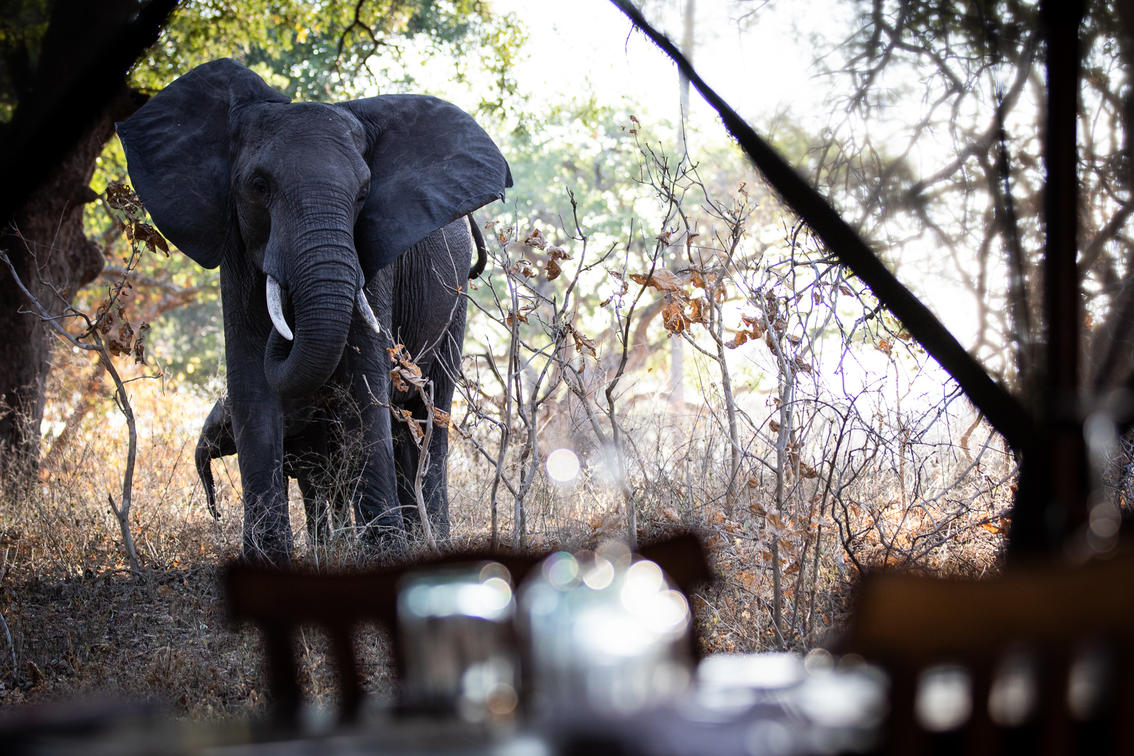
Maintain a minimum distance of 25 metres from big cats and 50 metres from elephants and rhinos whenever possible. These buffers prevent unnecessary flight responses that burn vital energy reserves, particularly important during dry seasons when resources are scarce. Speak quietly, avoid sudden movements and never encourage off-road driving to chase sightings.
A silent vehicle at dawn reveals more than any shouted instruction ever could, allowing the bush to unfold its stories at its own pace.
Respecting Animal Behaviour and Daily Rhythms
Observe without interfering. If animals show signs of agitation, such as ears flared on elephants or tails flicking rapidly on lions, request your guide to create more space immediately. Early morning and late afternoon drives naturally align with peak activity periods, offering better viewing while avoiding the midday heat that forces animals into shade.
Never feed wildlife or leave food accessible. Human food disrupts natural foraging patterns and can lead to dangerous habituation. In areas like Masai Mara, this principle protects both animals and the communities living alongside them.
Supporting Community-Led Conservation Initiatives
Some of Africa's most effective conservation happens through community conservancies where local people become the primary guardians of wildlife. In Kenya, conservancies surrounding the Masai Mara have increased wildlife numbers by over 200 percent in certain areas since 2010 by giving communities direct financial benefits from tourism.
When you stay at community-owned or community-benefit lodges, a significant portion of your accommodation fee returns directly to local projects. These funds support schools, healthcare and livestock protection programmes that reduce human-wildlife conflict. Travellers who understand this connection often find their journeys gain deeper meaning.
Recognising Genuine Community Benefits
Look for lodges that transparently report their community contributions. Properties like those partnered with Encounters Africa in the Khwai Community Area demonstrate how tourism revenue has funded everything from borehole maintenance to wildlife monitoring training for local rangers.
Consider adding a visit to a community project during your itinerary. Meeting the people whose lives intertwine with wildlife creates lasting connections and reinforces the message that conservation succeeds when it improves human lives as well as animal ones.
Minimising Your Environmental Footprint in Remote Wilderness Areas
Conservation extends beyond the animals to the entire ecosystem supporting them. The carbon cost of international travel makes it even more important to reduce impact once on the ground. Choose camps that use solar power, recycle water and serve locally sourced food wherever possible.
Simple personal actions matter too. Use reusable water bottles, avoid single-use plastics and participate in camp recycling programmes. In water-scarce regions like the Kalahari or northern Kenya, shorter showers and responsible towel use help preserve precious resources for both wildlife and communities.
Every litre of water saved in the African bush allows that same litre to remain available for the animals who depend on it most.
Reducing Plastic and Waste on Safari
Many premier camps have eliminated plastic water bottles entirely, offering filtered alternatives instead. Support these initiatives by bringing your own reusable bottle and declining unnecessary packaging. The cumulative effect of thousands of travellers making these choices has led to measurable reductions in waste across multiple reserves.
Consider offsetting your journey's carbon emissions through verified projects that align with local conservation goals. Encounters Africa can recommend programmes that plant indigenous trees, support renewable energy in rural communities or protect vital carbon-sequestering habitats.
How to Identify and Support Verified Conservation Projects
Not all conservation claims carry equal weight. Look for projects with transparent reporting, third-party verification and measurable outcomes. Organisations publishing annual impact reports that detail exactly how funds were used provide confidence that contributions make a genuine difference.
Popular verified initiatives include rhino monitoring in South Africa's private reserves, wild dog protection programmes in Botswana and mountain gorilla conservation in the Virunga landscape. Many lodges offer opportunities to visit these projects or meet the teams involved, transforming abstract support into personal connection.
Questions to Ask Before You Travel
Before confirming any booking, consider asking these important questions:
What percentage of revenue is allocated to conservation and community projects?
Can you provide recent examples of how these funds have been used?
Do you employ and train local community members in guiding and conservation roles?
How do you manage waste, water and energy consumption at the property?
Do you participate in any verified carbon offsetting or rewilding programmes?
Reputable operators welcome these questions because they demonstrate genuine interest in responsible travel. Encounters Africa provides detailed answers to all such enquiries as standard practice.
The Role of Photography and Observation in Conservation
Responsible wildlife photography enhances rather than harms conservation when practised thoughtfully. Using appropriate focal lengths that maintain safe distances protects animals while creating images that inspire others to support protection efforts. The most powerful photographs often capture natural behaviour rather than forced proximity.
Sharing your images responsibly can amplify conservation messages. Tag verified organisations, highlight the work of local guides and rangers, and avoid content that promotes unsafe practices. A single compelling image shared with context can generate support for protection initiatives far beyond what any individual contribution could achieve.

The photographs we take on safari carry responsibility. They should tell stories of resilience and coexistence, not just showcase our own proximity to wildness.
Conclusion
The future of African wildlife depends on a delicate balance between celebration and restraint. When travellers approach their journeys with knowledge and respect, they become active participants in conservation rather than passive observers. The choices made before, during and after your safari determine whether your visit strengthens or strains these magnificent ecosystems.
Encounters Africa exists to connect discerning travellers with experiences that genuinely benefit both people and wildlife. For those looking for a private safari beyond our set itineraries, we would be delighted to hear from you directly. We specialise in creating beautifully tailored journeys for solo travellers, couples, families, and private groups of up to eight guests. Through our trusted network of carefully selected camps and lodges, we craft each safari around your individual interests, preferred pace, and budget, ensuring a seamless and deeply personal experience from beginning to end.
Contact us today through our enquiry form to begin planning a journey that leaves Africa's wilderness richer for your having visited it. Read more in our recent article on responsible safari practices that deepen your connection to the wild places of this continent.
More like this
Conservation
Rwanda Strengthens Anti-Poaching Measures Across Volcanoes National Park
Conservation
Rwanda's Forests Tell a Story of Recovery and Resolve

conservation
Rwanda's Green Heart: A Journey Through Conservation and Safari
conservation
Sabi Sand: A Legacy of Luxury and Conservation
conservation
Safeguarding Africa's Black Rhinos: A Critical Conservation Journey
conservation