Tips & Advice
Mastering Camera Settings for Crisp Wildlife Shots on African Safaris
Encounters Africa - 9 min read
Updated on 7 August 2026
Mastering camera settings for crisp wildlife shots on African safaris opens doors to images that capture the essence of the wild without intrusion. Whether you are tracking a leopard through dappled shade or waiting for an elephant to cross a river at dusk, understanding how to adjust ISO, shutter speed, and focal length in rapidly changing light makes the difference between a blurred memory and a frame that tells a story. This guide draws on decades of field experience across southern and east African landscapes to help you freeze lions in motion or record the subtle behaviours of birds, all while treading lightly on the environment around you.
The best time to visit for photography is generally the dry season, from June to October in many regions, when animals congregate around water sources and vegetation is thinner, allowing clearer sightlines. Expect early mornings and late afternoons when the light is softer and animals are most active. Encounters Africa has guided thousands of travellers in refining these techniques, ensuring every safari becomes both a visual feast and a meaningful contribution to conservation.
Understanding Light Conditions Across African Landscapes
African light changes with dramatic speed. In the first hour after dawn, the sun sits low, casting long shadows and bathing the savannah in warm gold. By midday the overhead sun creates harsh contrasts that can fool even sophisticated metering systems. Late afternoon brings back that rich, directional light before the sudden equatorial dusk.
Recognising these patterns allows you to anticipate the best camera adjustments. In South Africa, the open plains of the Eastern Cape deliver consistent light, while the dense thickets of the Okavango Delta demand faster reactions as animals move between deep shade and bright clearings. Savvy photographers learn to read the sky and the behaviour of their subjects before lifting the camera.
The magic happens when technical precision meets patient observation; a fraction of a second captured at the right aperture can convey an entire ecosystem’s quiet drama.
Golden Hour Strategies in the Bush
Arrive at waterholes or open plains 30 minutes before sunrise. Set your white balance to daylight or use a custom preset to preserve the warm tones. A slight underexposure of one-third of a stop prevents blown highlights on pale pelts or feathers. This approach works equally well whether you are photographing a pride of lions or a flock of flamingos lifting off from a salt pan.

Essential Camera Settings for Wildlife Photography
Mastering camera settings for crisp wildlife shots requires balancing three core elements: ISO, shutter speed, and aperture. Begin in manual mode or aperture priority, depending on your experience level. Most professional guides recommend shooting in RAW to retain maximum data for later editing.
For static subjects such as a resting cheetah or a basking crocodile, an aperture of f/5.6 to f/8 delivers sharpness across the animal while softening the background. When tracking fast movement, open the aperture to f/4 or wider and raise the shutter speed accordingly. Modern mirrorless cameras with animal eye-detection autofocus have transformed success rates, yet the fundamentals remain unchanged.
Shutter Speed Rules for Different Subjects
A minimum shutter speed of 1/1000th of a second freezes a running impala or a flapping vulture. For birds in flight, many photographers push to 1/2000th or faster. When panning with a moving subject, slower speeds between 1/30th and 1/125th can create beautiful motion blur in the background while keeping the eye sharp, an effect particularly striking with galloping zebra or wildebeest during migration.
ISO Management in Variable Light
Keep ISO as low as possible to minimise noise, typically starting at 100–400 in bright conditions. In the shaded undergrowth of a riverine forest or during an overcast morning, do not hesitate to push to 1600 or 3200; current full-frame sensors handle these values with remarkable cleanliness. Auto ISO with a minimum shutter speed limit is a practical safety net for those new to safari photography.
Respecting the animal’s space while capturing its natural behaviour creates photographs that honour rather than exploit the wild.
Choosing the Right Gear for Safari Drives
A versatile 100–400mm or 200–500mm zoom lens covers most situations encountered on game drives. Pair it with a 24–70mm for wider environmental portraits that show the animal within its habitat. A sturdy beanbag or gimbal head mounted on the vehicle frame eliminates shake far more effectively than hand-holding, especially during long waits at a kill or waterhole.
Travel with two camera bodies if possible, one fitted with the long lens and the second with a shorter zoom or macro for smaller creatures. A polarising filter helps cut glare from water surfaces when photographing drinking animals, while a lens hood is essential to prevent flare in the intense African sun.
Lens Recommendations by Destination
In open landscapes such as the Masai Mara or Etosha, longer focal lengths up to 600mm prove valuable for intimate portraits without disturbing the scene. In the tighter confines of the Okavango Delta or dense thickets of Kenya’s Laikipia, a 70–200mm f/2.8 offers greater flexibility and faster autofocus. Always check the specific rules of each reserve; some community areas limit the use of large lenses to reduce pressure on habituated animals.
Field Techniques That Deliver Standout Images
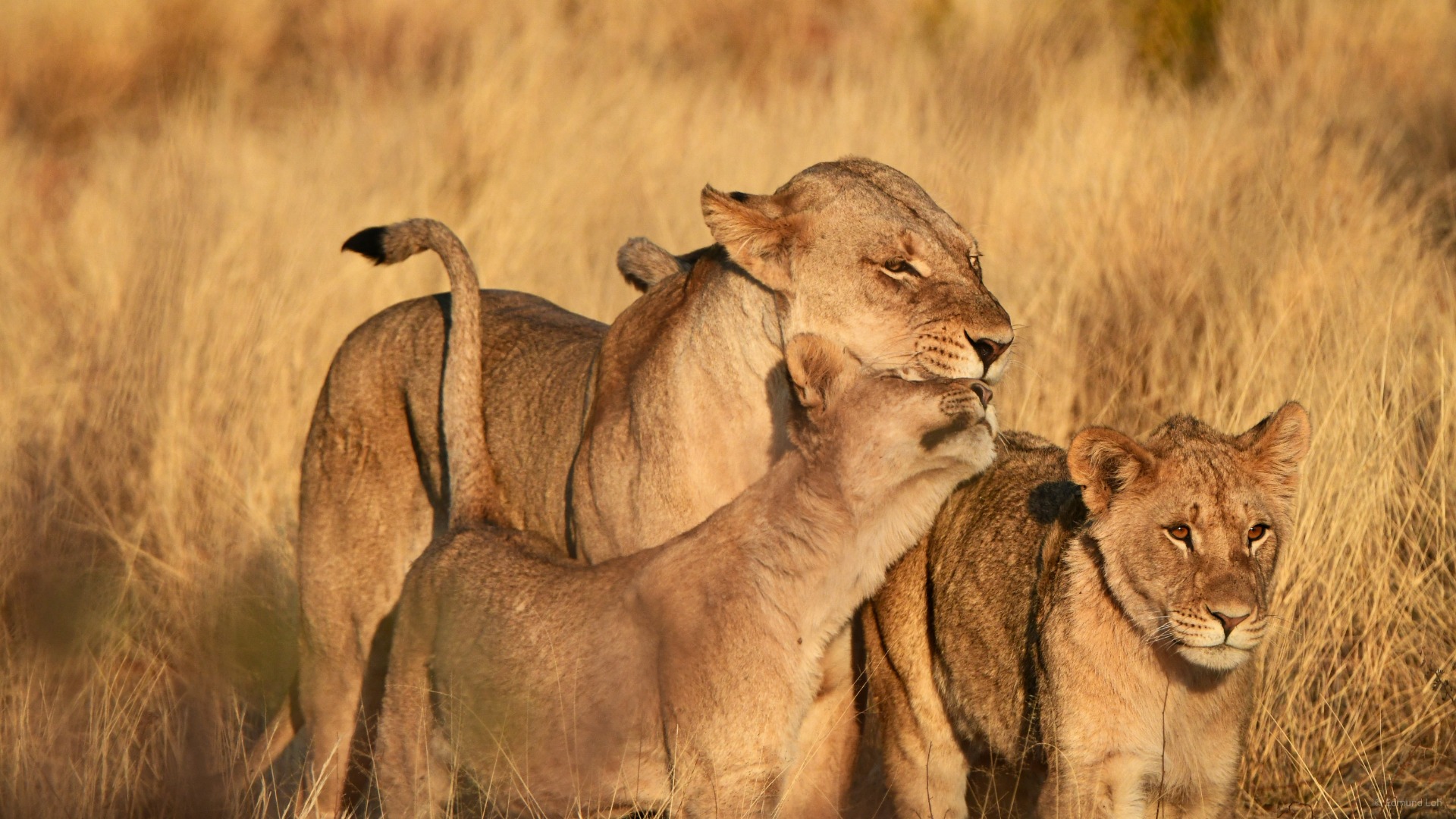
Positioning is everything. Work with your guide to place the vehicle so the light falls favourably on the subject’s face. A low angle, achieved by sitting on the floor of an open vehicle, adds intimacy and drama. Anticipate behaviour: a slight flattening of a lion’s ears or a heron’s neck stretching forward signals the decisive moment is approaching.
Burst mode at 10–20 frames per second increases the chance of capturing peak action, whether it is the splash of an impala leaping into water or the precise talon strike of a martial eagle. Review images regularly on the back screen to check sharpness and exposure, adjusting settings before the next opportunity arises.
Ethical Considerations While Photographing
Never encourage guides to off-road or approach too closely for the sake of a photograph. The finest wildlife images are those taken from a respectful distance where the animals remain relaxed and unaware of your presence. Supporting lodges that contribute directly to anti-poaching and habitat protection ensures the subjects of your images will still be there for future travellers.
A single well-composed frame, taken with patience and respect, carries more power than dozens of rushed shots that disturb the very life you came to celebrate.
Common Mistakes and How to Avoid Them
Many first-time safari photographers over-rely on automatic modes, resulting in blurred subjects or overly noisy images. Others forget to clean their lenses after dusty drives, leading to soft results that cannot be rescued in post-production. Battery life drains quickly in the heat; carry at least two spares and a portable charger.
Over-editing is another frequent pitfall. Subtle adjustments to contrast, clarity, and selective dodging preserve the authenticity of the African light. Cropping too aggressively reduces resolution and can eliminate important environmental context that tells the fuller story.
Post-Production Workflow for Safari Images
Download cards each evening and back up to two separate drives. Use software such as Lightroom to apply basic corrections before exporting for sharing. Many lodges now offer high-speed Wi-Fi, allowing you to send select images to family while still in camp, though we recommend focusing on the experience first and editing later.
How to Capture Every Animal on a Safari: Practical Question Answered
What camera settings should I use to photograph fast-moving wildlife like cheetahs or birds on an African safari?
Use shutter priority or manual mode with a minimum shutter speed of 1/1250th of a second for cheetahs at full sprint and 1/2000th or higher for birds in flight. Set aperture to f/4–f/5.6 to allow sufficient light while maintaining subject isolation, and let ISO float automatically up to 3200. Continuous autofocus with animal eye detection, combined with burst shooting at 10 frames per second or more, dramatically increases keeper rates. These settings have been field-tested across reserves in Tanzania and Botswana, delivering sharp results even in lower light conditions at dawn and dusk.
Pair technical precision with knowledge of animal behaviour. A guide who understands the hunting patterns of a particular cheetah coalition can position you perfectly before the chase begins. This collaboration between technology, preparation, and local expertise is where Encounters Africa adds genuine value to every photographic safari.

Turning Technical Knowledge into Memorable Safari Photography
Mastering these camera techniques transforms a good safari into an extraordinary one. The satisfaction of returning home with images that truly reflect the beauty, power, and fragility of African wildlife is unmatched. Yet the greatest reward remains the experience itself: the stillness before a hunt, the shared glance with a fellow traveller as a herd crosses the horizon, the sense of privilege at being allowed so close to nature’s rhythms.
For discerning travellers seeking a private safari beyond our set itineraries, we invite you to contact us directly. We specialise in designing exceptional, tailor-made journeys for individuals, couples, families, and private groups of up to eight guests. Drawing on our handpicked network of distinguished camps and lodges, we curate every detail with precision and care, creating a seamless, deeply personal safari experience shaped entirely around your preferences, pace, and budget.
Whether you wish to focus on big cats in the Duba Plains Camp, birdlife along the Chobe River Front, or intimate elephant encounters in a private concession, Encounters Africa will craft a journey that elevates both your photography and your connection to these extraordinary landscapes. Explore our range of Botswana safari experiences or discover the photographic riches of the Masai Mara through a dedicated Kenya itinerary. The wild is waiting; the question is how you choose to capture it.
Ready to put these techniques into practice on your own African adventure? Visit our enquiry form and let the Encounters Africa team design a photographic safari that exceeds every expectation.
More like this
Tips & Advice
Mastering Low-Angle Wildlife Shots from African Water Hides
Tips & Advice
Plan Your Family Safari: Optimal Seasons and Lodges Across Africa
Tips & Advice
Practical Advice for Smoothing Your Game Lodge Safari in Africa
Tips & Advice
Much Needed Advice That Keeps Tourists Safe and Respected Abroad
Tips & Advice
Practical Botswana Travel Advice for Smooth Journeys Across Varied Terrain
Tips & Advice