Tips & Advice
Practical Advice for Smoothing Your Game Lodge Safari in Africa
Encounters Africa - 9 min read
Updated on 7 August 2026
Practical advice for smoothing your game lodge safari in Africa can transform a good journey into an exceptional one. Seasoned guides share field-tested strategies for selecting the right lodge, timing your drives, and interacting respectfully with staff to create seamless days in the bush across Kenya, Tanzania, and South Africa. These insights, drawn from decades of experience in the field, help travellers move through each day with confidence and deeper appreciation for the landscapes and communities that sustain them.
A well-planned stay at a game lodge rests on understanding the subtle rhythms of bush life. From the first coffee at dawn to the final starlit conversation, every element benefits from thoughtful preparation. Whether you are returning to the continent or experiencing it for the first time, these practical considerations ensure your time feels immersive rather than overwhelming.
Choosing the Lodge That Matches Your Pace and Interests
The foundation of any rewarding safari begins with honest self-assessment. Consider whether you prefer the intimate scale of a six-tent camp or the more expansive facilities of a larger property. In Kenya, for instance, camps in the Mara North Conservancy often balance privacy with easy access to the migration, while in Tanzania the seasonal movements across the Serengeti reward those who select mobile or semi-permanent operations.
Examine the guiding philosophy of each property. Some lodges emphasise walking safaris; others focus on vehicle-based exploration or specialist photographic hides. Review the ratio of guides to guests and confirm whether private vehicles are available. These details shape not only your daily schedule but also the quality of interpretation you receive.
The difference between an ordinary safari and a transformative one often lies in the quiet alignment between a traveller’s curiosity and a lodge’s character.
Budget thoughtfully rather than rigidly. A higher rate frequently reflects smaller guest numbers, more experienced guides, and greater flexibility. Yet value appears in many forms; several well-priced lodges in South Africa deliver exceptional guiding through long-standing community partnerships. Speak with Encounters Africa’s team early; their first-hand knowledge of current camp standards prevents mismatched expectations.

Timing Game Drives for Maximum Wildlife Activity
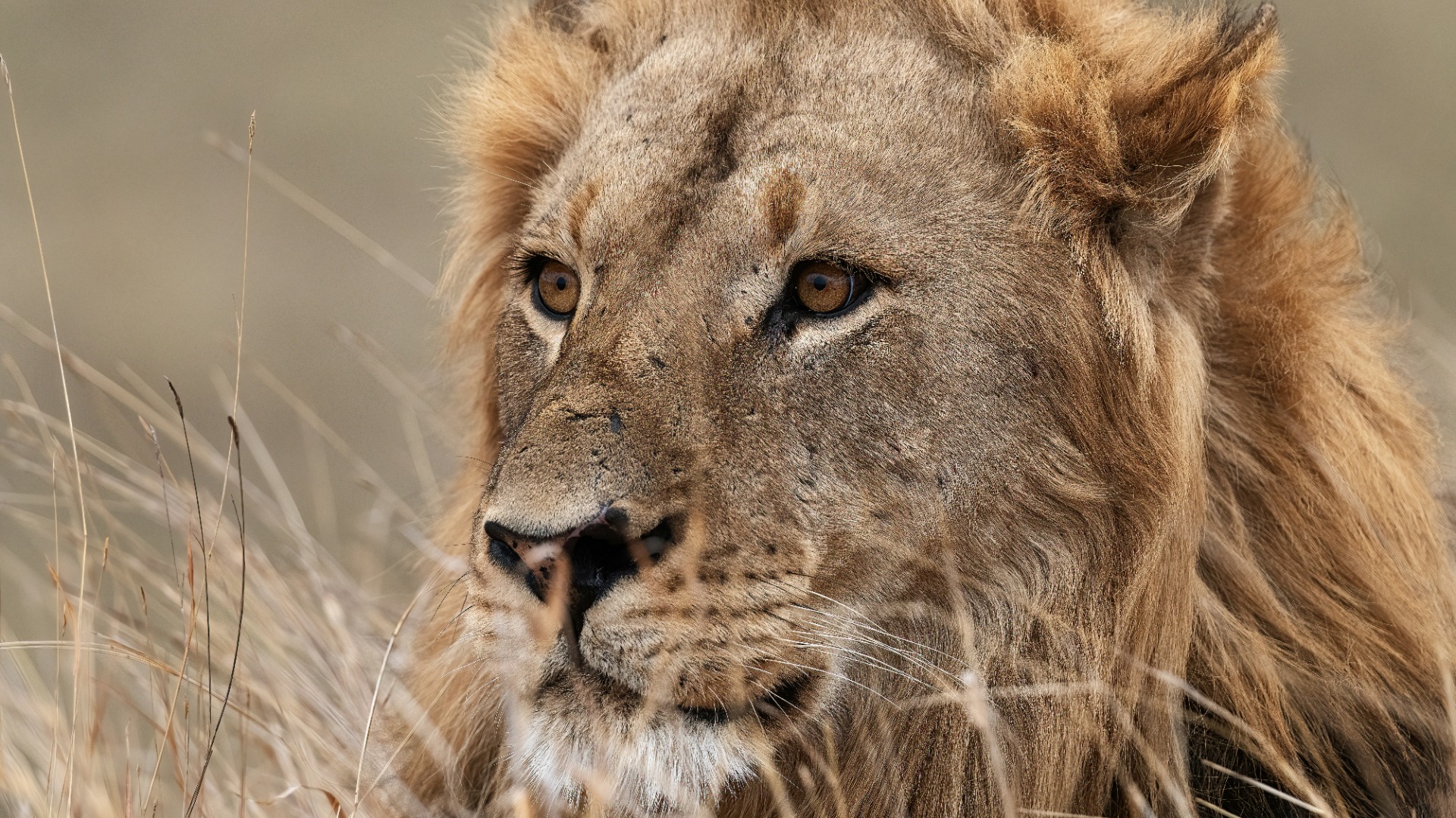
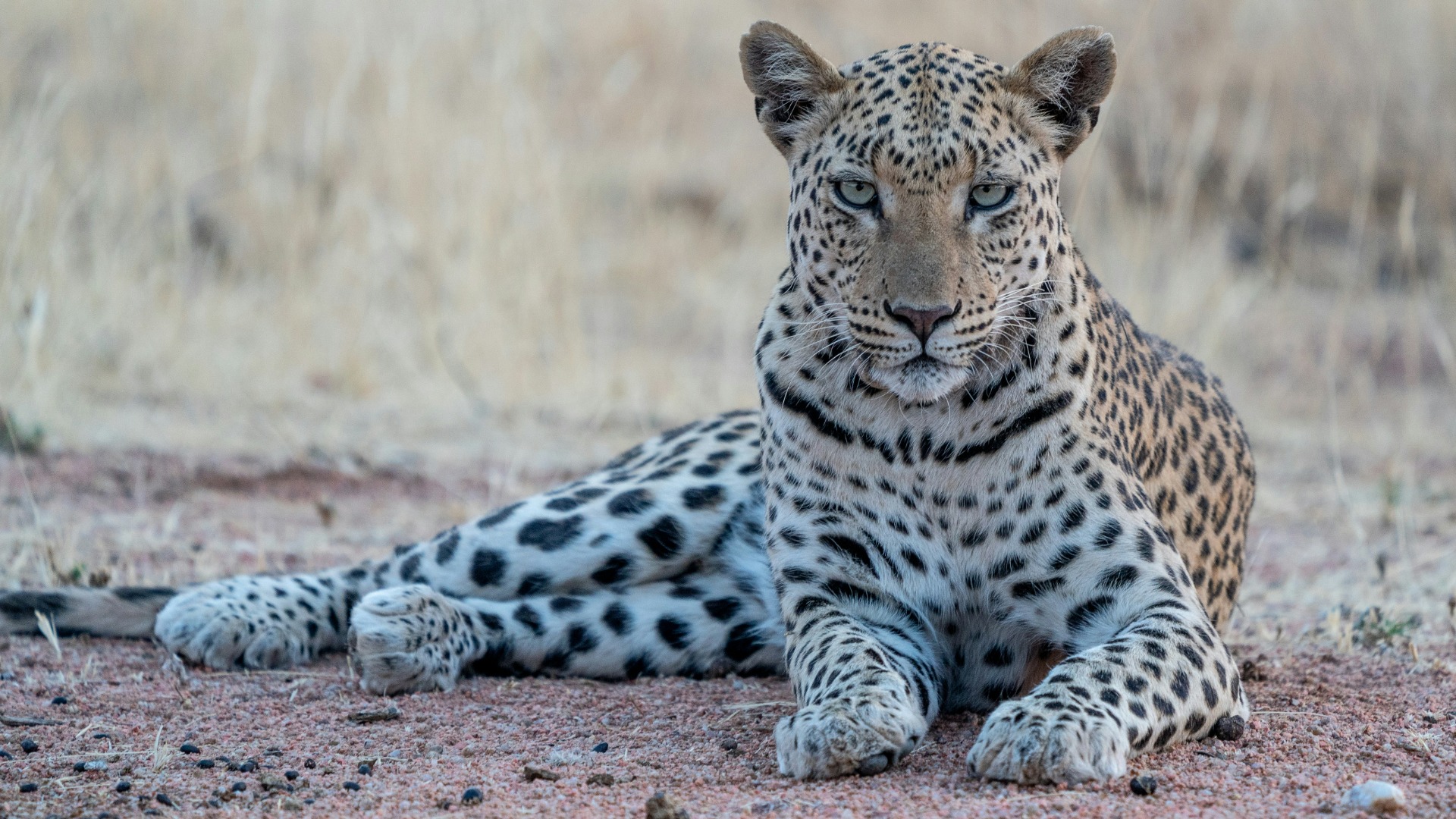
Wildlife follows its own timetable, and aligning your movements with those patterns dramatically improves sightings. Most experienced guides recommend departing at first light, when nocturnal predators are still active and the light remains soft. In the Masai Mara, lions often hunt until 8am, while in the South African lowveld leopards return to favoured trees shortly after sunrise.
Consider the midday pause carefully. During the hottest hours many animals seek shade, yet this period can offer intimate moments at waterholes. Returning to camp for lunch and a siesta restores energy for the afternoon activity, which typically begins between 4pm and 5pm when temperatures drop and activity resumes.
Evening drives hold their own magic. Nocturnal species emerge as light fades, and the African sky reveals its vastness. Request a spotlight if permitted; many lodges limit their use to avoid disturbing animals, so understanding local policy in advance prevents disappointment.
Seasonal Considerations Across East and Southern Africa
The green season between November and April brings lush vegetation and newborn animals but can make tracking more challenging. Conversely, the dry months concentrate wildlife around limited water sources. In Tanzania, the great migration reaches the southern Serengeti between January and March, offering front-row seats to calving; by July the herds cross the Mara River in Kenya, creating one of the continent’s most dramatic spectacles.
South African reserves such as the Sabi Sand provide consistent game viewing year-round thanks to reliable water systems, yet winter months (June to August) deliver crisp air and excellent visibility. Factor these patterns into your planning rather than relying on generic “best time” advice.
Respectful Interactions with Lodge Staff and Local Communities
Game lodges function through the dedication of teams who often live far from their own families. A warm greeting, learning a few words of Swahili or Setswana, and expressing genuine gratitude for their care deepens everyone’s experience. Remember that staff begin work long before guests rise; acknowledging this rhythm encourages reciprocal warmth.
Many lodges support neighbouring communities through employment, education projects, and cultural exchanges. Participating respectfully when invited to visit a nearby village or attend a traditional performance honours the partnership between conservation areas and the people who call them home. Avoid photographing individuals without permission and never offer money directly to children.
Every courteous exchange between guest and staff ripples outward, reinforcing the delicate balance that allows these wild spaces to endure.
Understanding Camp Hierarchy and Daily Protocols
Each lodge operates with its own customs. The camp manager usually serves as the central point for special requests, while the head guide coordinates all wildlife activities. Housekeeping, dining, and maintenance teams each play vital roles; treating every member with equal respect reflects well on all visitors.
Meal times are often communal, offering opportunities to share observations with fellow travellers and guides. If you prefer privacy, many properties can arrange private dining, yet joining the communal table frequently yields unexpected insights into the day’s sightings and local lore.
Packing and Practical Preparation for Lodge Life
Successful packing balances comfort with practicality. Neutral colours blend into the environment and reduce the chance of startling wildlife. Lightweight layers accommodate dramatic temperature swings between dawn and midday. A good pair of binoculars, preferably 8x or 10x magnification, proves more valuable than any single piece of clothing.
Footwear deserves special attention. Soft-soled shoes allow silent movement on walking safaris, while closed-toe options protect against thorns and insects. Many lodges provide laundry daily, so travellers need far less clothing than initially imagined; two or three safari outfits usually suffice for a week-long stay.
Health, Safety and Cultural Sensitivity
Consult your doctor well in advance regarding malaria prophylaxis and necessary vaccinations. Lodges provide comprehensive medical kits and maintain radio contact with evacuation services, yet personal preparation remains essential. Carry any prescription medication in its original packaging with a copy of the prescription.
Respect cultural norms around dress and behaviour, particularly when visiting community areas. Shoulders and knees are generally covered during village visits, and public displays of affection remain uncommon. These small adjustments demonstrate awareness and earn goodwill from both staff and neighbouring communities.
Maximising Your Time Between Activities
The hours between game drives often become the most memorable. Use them to absorb your surroundings from the deck, read the camp’s reference library, or simply watch the constant movement of birds and smaller mammals around the waterhole. Many lodges offer specialist talks on local ecology, tracking, or astronomy that enrich understanding far beyond what is visible from the vehicle.
Consider keeping a journal. Recording not only the animals seen but the sensations of the African dawn, the scent of rain on dusty ground, or the distant call of a fish eagle helps cement memories that photographs alone cannot capture.

In the quiet intervals between drives, the bush reveals its most intimate stories to those patient enough to listen.
Common Questions About Game Lodge Safaris
What is the best time to visit game lodges in Kenya, Tanzania, and South Africa? The optimal period depends on your priorities. For the wildebeest migration in Kenya and Tanzania, June to September offers river crossings and large concentrations, while South Africa’s private reserves provide superb predator viewing from June to September when vegetation is sparse. December to March brings green landscapes, newborn animals, and fewer visitors across all three countries.
How many days should I spend at each lodge? Most experienced travellers allocate three to four nights per camp. This allows time to settle into the rhythm, experience different times of day, and enjoy at least six to eight game drives. Shorter stays tend to feel rushed, while longer periods enable deeper exploration of the surrounding ecosystem.
Should I book private vehicles or join shared drives? Private vehicles offer flexibility in timing, route choice, and duration of sightings. They prove especially valuable for photographers or families with specific interests. Shared vehicles remain rewarding when fellow guests share similar energy levels and the guide is skilled at managing group dynamics.
Supporting Conservation Through Your Stay
Thoughtful travellers recognise that their presence directly funds protection efforts. Many lodges channel a percentage of revenue into anti-poaching, community development, and habitat restoration. Asking how your specific camp contributes helps direct future bookings toward operations with measurable impact.
Participate in citizen science projects when offered, whether photographing individual leopards for identification databases or recording bird sightings. These small contributions accumulate into significant data sets that guide management decisions across vast landscapes.
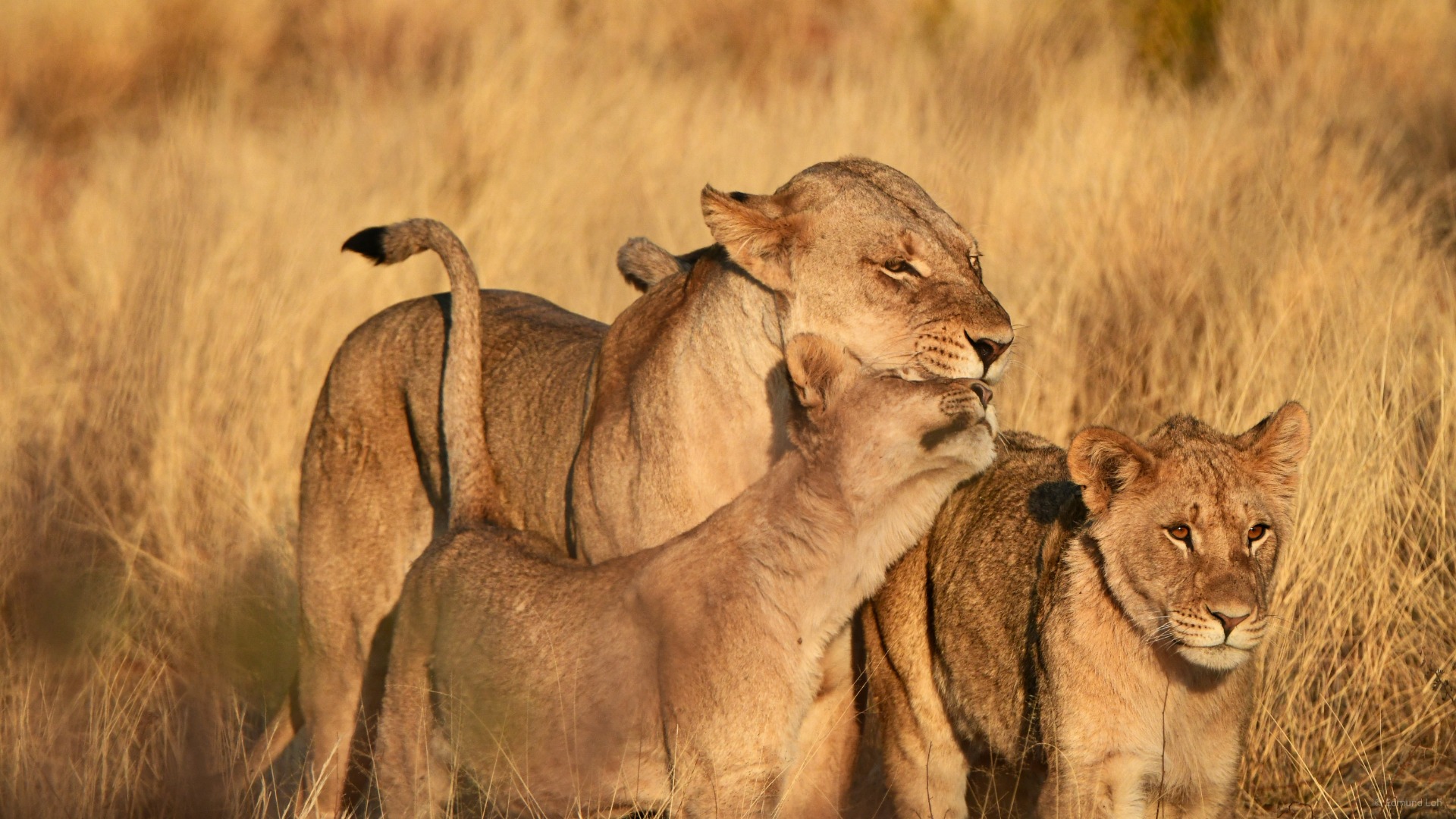
Travel with an open mind and willingness to adapt. The African bush operates on its own schedule; embracing its unpredictability often yields the most profound encounters. A sudden thunderstorm that alters the afternoon drive might reveal a pride of lions using the rain to mask their approach to a waterhole.
Conclusion
Game lodge safaris reward those who approach them with curiosity, respect, and a measure of flexibility. By choosing properties aligned with your interests, timing activities to match natural rhythms, and engaging thoughtfully with the people who make these experiences possible, you create space for genuine connection with Africa’s wild places.
For discerning travellers seeking a private safari beyond our set itineraries, we invite you to contact us directly. We specialise in designing exceptional, tailor-made journeys for individuals, couples, families, and private groups of up to eight guests. Drawing on our handpicked network of distinguished camps and lodges, we curate every detail with precision and care, creating a seamless, deeply personal safari experience shaped entirely around your preferences, pace, and budget.
Begin your planning today by visiting our enquiry form or exploring our collection of signature safaris across Kenya, Tanzania and South Africa. The bush is waiting, and the right preparation ensures you meet it at its finest.
More like this
Tips & Advice
Much Needed Advice That Keeps Tourists Safe and Respected Abroad
Tips & Advice
Practical Botswana Travel Advice for Smooth Journeys Across Varied Terrain
Tips & Advice
Practical Health Protocols to Prevent Yellow Fever and Malaria on African Journeys
Tips & Advice
Practical Kenya Touring Advice That Prevents Common Safari Setbacks
Tips & Advice
Practical Rwanda Safari Advice: Spotting Gorillas and Avoiding Peak Crowds
Tips & Advice