Tips & Advice
Mastering Low-Angle Wildlife Shots from African Water Hides
Encounters Africa - 10 min read
Updated on 13 August 2026
Position yourself at eye level with crocodiles and hippos using specialized floating hides in Botswana and Zambia. This practical guide shares essential gear choices, stability techniques, and timing strategies to produce dramatic, intimate wildlife images without disturbance.
Photographing wildlife from water-level hides transforms ordinary safari images into compelling, intimate portraits that capture the raw power and subtle expressions of creatures rarely seen at eye level. In the shallow channels of the Okavango Delta and along the Zambezi floodplains, these purpose-built floating structures allow photographers to work inches above the surface while remaining invisible to their subjects. The result is a perspective that feels almost underwater yet stays safely dry, delivering images with exceptional drama and authenticity.

Why Low-Angle Perspectives Elevate Wildlife Photography in Africa
Most game drive photography happens from elevated vehicles, creating a downward angle that distances the viewer from the animal. Water-level hides reverse this completely. By aligning your lens with the subject’s eyes, you create connection, emphasise scale, and isolate the creature against sky or distant shoreline. The compression of perspective also flattens water surfaces, turning ripples into graphic leading lines that draw the eye straight to the subject.
In practice this means capturing a Nile crocodile basking with its jaw slightly open, every tooth and scale rendered with equal sharpness, or a pod of hippos with their nostrils and eyes breaking the surface in perfect symmetry. These are the frames that stop scrollers and win competitions because they feel immediate and personal rather than observational.
The difference between a good wildlife photograph and a memorable one often comes down to a matter of centimetres in camera height.
Choosing the Right Water-Level Hide Experience
Not all hides are created equal. In Botswana, the floating hides operated from select camps in the northern Okavango offer the most stable platforms and longest sessions, typically three to four hours. These structures sit low in the water with camouflaged viewing slots and beanbag rests already positioned at ideal heights. Further south, temporary hides in the Makgadikgadi Salt Pans during the wet season allow access to flamingos and other waterbirds at ground level.
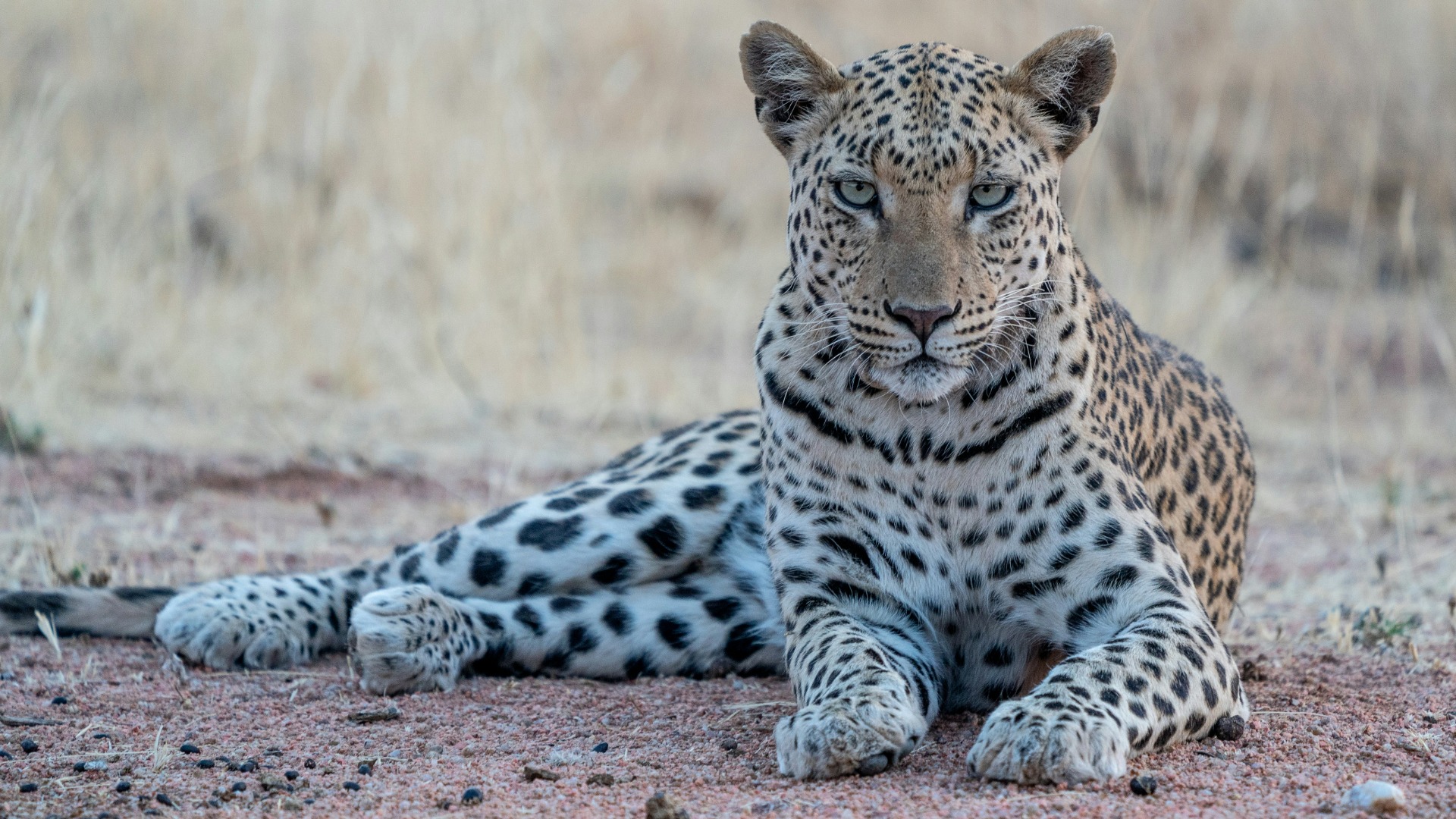
In Zambia, hides along the Luangwa River and in South Luangwa National Park provide different opportunities, particularly for leopard and other predators that come to drink at first and last light. The best operators limit numbers to two or three photographers per hide, ensuring minimal movement and maximum concentration. Booking through specialists such as Encounters Africa guarantees access to the most productive locations and experienced photographic guides who understand both animal behaviour and camera craft.
Selecting the Perfect Camp and Season
The dry season from June to October concentrates animals around permanent water, making hides especially productive. Water levels are lower, exposing more sandbanks and increasing the chance of eye-level encounters with large mammals. In contrast, the green season brings dramatic skies and breeding activity among birds, though water levels can make some hides less accessible.
Look for camps with dedicated photographic hides rather than general game-viewing platforms. Properties such as Chief's Camp, an A&K Sanctuary and others in the Delta have invested in custom floating units designed specifically for photographers, complete with waterproof covers for equipment and comfortable seating that reduces fatigue during long sessions.
Essential Gear for Water-Level Wildlife Photography
Success at water level depends on preparation. A sturdy tripod or beanbag is non-negotiable because even the smallest movement is magnified when shooting from such a low position. Many hides provide substantial beanbags, but bringing your own ensures familiarity. Pair this with a weather-sealed camera body and lenses that can handle occasional splashes.
Telephoto lenses between 300mm and 600mm deliver the reach needed to fill the frame without crowding the animals. A 70-200mm zoom proves invaluable for tighter compositions or when subjects approach very close. Consider a teleconverter for extra magnification on prime lenses, though be aware of the light loss in early morning or late afternoon when many of the best images are captured.
Fast apertures are essential. Lenses with maximum apertures of f/2.8 or f/4 allow faster shutter speeds and create the shallow depth of field that separates the subject from busy backgrounds. Image stabilisation becomes crucial when shooting from a platform that moves gently with the water.
Invest in gear that disappears from your awareness, leaving only the moment between you and the wild creature inches from your lens.
Supporting Accessories That Make a Difference
Carry a lens cloth treated with anti-fog solution and a small blower to remove dust and water droplets. A waterproof cover or dry bag protects equipment during transfers to and from the hide. Many photographers also bring a second body with a wider lens ready for unexpected close encounters or panoramic landscape shots that include the hide’s immediate environment.
Remote shutter releases reduce camera shake, while a right-angle viewfinder or flip-out screen saves your neck during prolonged low-angle shooting. Pack extra memory cards and batteries because the concentration required often leads to shooting far more frames than anticipated.
Camera Settings and Techniques for Sharp, Dramatic Images
Low-angle wildlife photography demands precise exposure control. Water reflects a surprising amount of light, often tricking meters into underexposure. Use manual mode with spot metering on the animal’s face or body, then check histograms regularly. Early morning and late afternoon bring the most flattering light, with golden tones reflecting beautifully off wet skin and fur.
Shutter speeds of at least 1/1000th of a second freeze sudden movements, particularly important when photographing hippos that can erupt from the water with surprising speed. For static subjects like crocodiles, slower speeds around 1/250th can be used to introduce gentle motion blur in the water while keeping the eyes pin-sharp.
Continuous autofocus with eye-detection, where available, tracks subtle movements. When shooting through narrow hide slots, single-point AF combined with careful composition often yields better results. Bracket exposures when dealing with high contrast between dark animals and bright sky.
Composition Strategies That Tell Stronger Stories
Look for clean backgrounds that emphasise the subject. Water-level perspectives naturally compress distance, so position yourself to exclude distracting vegetation or vehicles. Negative space above the animal can emphasise its power, while including just the tip of a hippo’s head creates intriguing minimalism.
Pay attention to reflections. Early morning mist or perfectly still water can double the impact of your subject. Frame the animal’s reflection alongside the real creature for symmetrical compositions that feel almost painterly. Watch for moments when light catches droplets on whiskers or the texture of wet hide becomes visible in detail.
Stability and Movement Techniques Inside the Hide
Even the most stable floating hide transmits some motion from wind or passing animals. Learn to move slowly and predictably, communicating with your guide using hand signals rather than whispers. Most experienced guides will position themselves to monitor animal behaviour while you focus entirely on photography.
Rest your lens on the provided beanbag rather than holding it for long periods. This eliminates muscle fatigue and camera shake. When panning to follow movement, keep your elbows anchored and move from the hips rather than just rotating your upper body. Practice these movements before animals appear so they become second nature.
Breathing technique matters too. Many photographers hold their breath during the critical moment, which can introduce micro-shake. Instead, exhale slowly as you press the shutter. For burst shooting, use the camera’s silent mode where available to avoid startling nearby wildlife.
True mastery comes not from clicking faster but from becoming so still that the animals forget you exist.
Understanding Animal Behaviour and Ethical Timing
The most powerful images come from patience rather than pursuit. Study the daily rhythms of your target species before entering the hide. Crocodiles often bask in the same spot for hours, offering extended opportunities for portraiture. Hippos surface predictably every few minutes to breathe, creating rhythmic chances for capturing their eyes and nostrils breaking the surface.
Respect the animals’ space and comfort. Good operators will withdraw the hide or reposition if any subject shows signs of disturbance. Never attempt to call animals closer or use food to attract them. The goal is observation, not interaction.
What Makes a Successful Hide Session
Ask yourself these questions during your session: Is the light flattering the subject? Does the composition tell a story beyond identification? Are you capturing genuine behaviour rather than simply recording presence? The best photographs often emerge in the final hour of a session when initial excitement has settled into quiet focus.
Review images discreetly on your camera’s screen between subjects rather than constantly. This preserves battery life and allows you to adjust settings based on what you’re seeing. Many photographers find their most memorable shots come after they have already captured their planned images and simply remain open to whatever unfolds.
Common Challenges and How to Overcome Them
Condensation can form on lenses when moving from air-conditioned vehicles to humid morning air. Allow equipment to acclimatise inside the hide before unpacking. Heat haze becomes problematic by midday, so plan sessions for the cooler hours when air is clearer and animals more active.
Insect life around water can be intense. Lightweight, long-sleeved clothing treated with permethrin offers protection without bulk. A head net may seem excessive until the first swarm appears. Most hides provide insect repellent, but bringing your preferred brand ensures comfort during long sessions.
Storage space inside hides is limited. Organise your bag before departure so essential items are immediately accessible. A small head torch with red light helps locate items without disturbing animals or other guests in pre-dawn departures.
Post-Processing Tips for Water-Level Wildlife Images
Raw files from water-level sessions often benefit from subtle adjustments rather than dramatic edits. Recover highlights in the sky and open shadows on the animal’s underside where water reflection has created deep contrast. Enhance texture in skin and scales without over-sharpening.
Selective colour adjustments can emphasise the emerald tones of the Delta or the rich ochres of the Luangwa. Use dodging and burning to guide the viewer’s eye towards the most important part of the frame. Many competition-winning images from African hides require surprisingly little processing beyond careful cropping and basic tonal corrections.
Consider creating diptychs or sequences that show the same animal at different moments. A series of a crocodile slowly submerging can be more powerful than a single frame. Maintain consistency in processing across a series so the narrative flows smoothly.

Planning Your Own Water-Level Photography Safari
Combining hide photography with traditional game drives creates the richest experience. Morning sessions in the hide followed by afternoon drives allow you to explore different perspectives of the same landscape. Multi-day stays at one camp often prove more productive than rushing between locations, as animals become accustomed to the hide’s presence.
Encounters Africa specialises in arranging these specialised photographic experiences across southern Africa. Their team understands which camps offer the most effective hides at different times of year and can coordinate with professional guides who speak the language of both wildlife and photography. For discerning travellers seeking a private safari beyond our set itineraries, we invite you to contact us directly. We specialise in designing exceptional, tailor-made journeys for individuals, couples, families, and private groups of up to eight guests. Drawing on our handpicked network of distinguished camps and lodges, we curate every detail with precision and care, creating a seamless, deeply personal safari experience shaped entirely around your preferences, pace, and budget.
Whether you are an experienced wildlife photographer seeking new perspectives or an enthusiast hoping to elevate your portfolio, the unique viewpoint offered by African water-level hides delivers images that resonate long after the memory of the journey fades. The combination of technical precision, patient observation, and profound respect for the natural world creates not just photographs but lasting connections with the wild places that still thrive across the continent.
More like this
Tips & Advice
Plan Your Family Safari: Optimal Seasons and Lodges Across Africa
Tips & Advice
Practical Advice for Smoothing Your Game Lodge Safari in Africa
Tips & Advice
Much Needed Advice That Keeps Tourists Safe and Respected Abroad
Tips & Advice
Practical Botswana Travel Advice for Smooth Journeys Across Varied Terrain
Tips & Advice
Practical Health Protocols to Prevent Yellow Fever and Malaria on African Journeys
Tips & Advice