Tips & Advice
Practical Botswana Travel Advice for Smooth Journeys Across Varied Terrain
Encounters Africa - 10 min read
Updated on 31 July 2026
Practical Botswana travel advice becomes essential the moment you leave paved roads behind and venture into the country's vast, untamed landscapes. From the waterlogged channels of the Okavango Delta to the bone-dry expanses of the Makgadikgadi Pans and the red dunes of the Kalahari, this southern African nation demands preparation that goes far beyond a standard packing list. The right strategies can transform potential frustrations into seamless days filled with extraordinary wildlife encounters and memorable nights under starlit skies.
Botswana covers more than 580,000 square kilometres yet supports fewer than 2.5 million people, which means vast distances between services and a self-reliant approach to travel. Our field-tested guidance draws on decades of experience guiding travellers across these varied terrains, ensuring you move confidently between remote camps while minimising common setbacks that can derail even the most carefully planned journeys.
Understanding Botswana's Diverse Landscapes and Travel Seasons
The rhythm of life in Botswana is dictated by water. Between November and March the rains transform the Okavango Delta into a glittering inland sea where mokoro canoes glide silently past breeding herds of red lechwe. By contrast, the dry season from May to October concentrates game around shrinking waterholes, creating some of the continent's most reliable predator sightings. Knowing these seasonal shifts helps you align your movements with peak wildlife activity rather than fighting against the calendar.
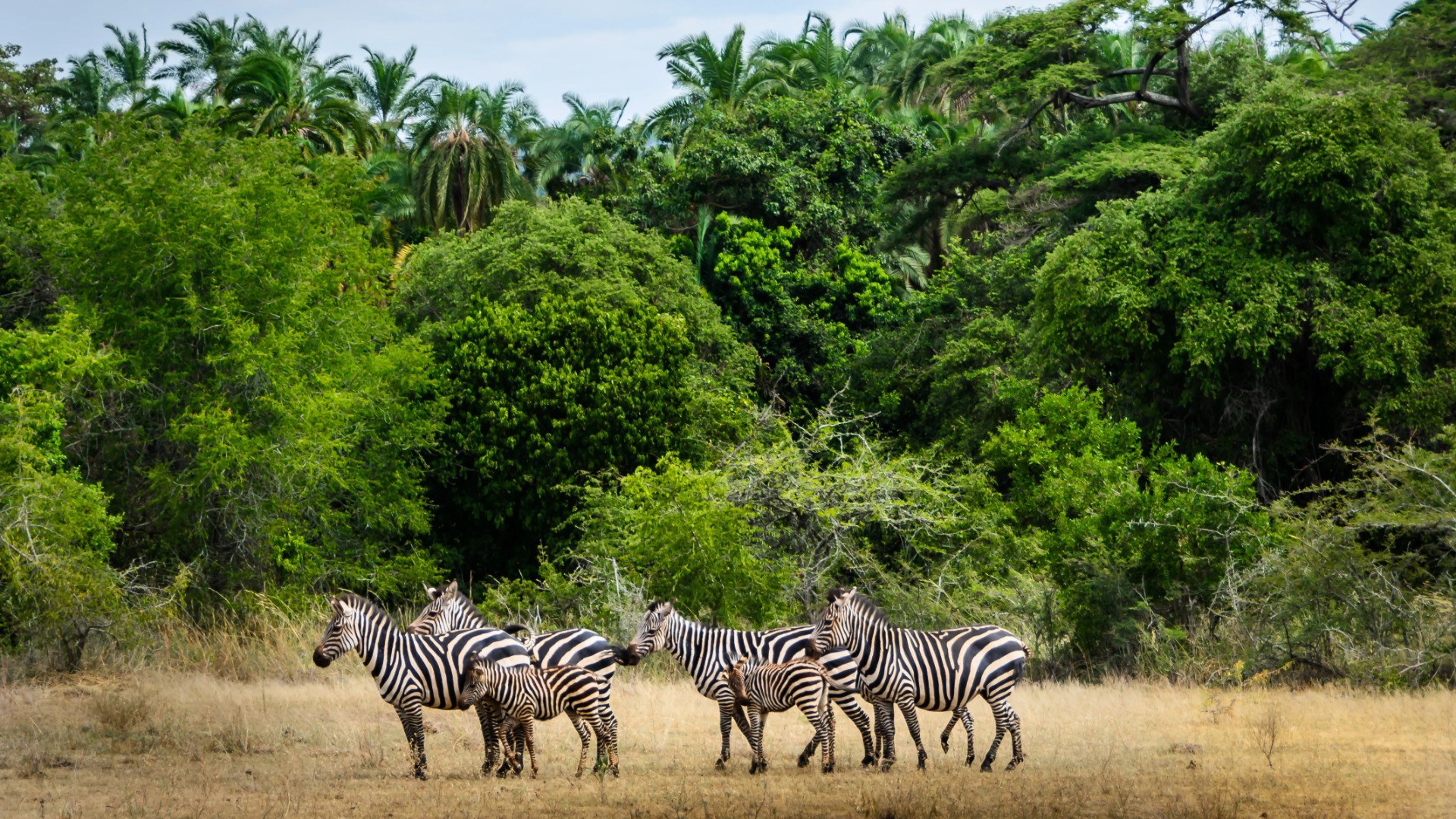
The Makgadikgadi Salt Pans offer an entirely different experience during the green season when the Boteti River flows and zebra herds numbering in the thousands migrate across the plains. Meanwhile, the Kalahari's arid beauty peaks after good rains when desert-adapted species emerge from their hiding places. The best time to visit each region depends entirely on what you hope to witness, from the Delta's floodwaters to the Pans' legendary migrations.
Botswana rewards those who understand its rhythms rather than those who try to impose their own schedule on this ancient land.
Planning Your Route Between Key Regions
Most journeys begin in Maun or Kasane, the two main gateway towns that serve as practical bases for exploring further afield. From Maun you can access the western and central Delta, while Kasane provides easy reach to the Chobe River Front and onward connections to Savuti. Factor in at least two nights in each major area to allow time for the landscape to reveal itself beyond the first game drive.
Travellers often combine the Okavango with a few days in the Central Kalahari or Makgadikgadi, but these transitions require careful timing. The 380-kilometre drive from Maun to the Makgadikgadi takes roughly five hours on good gravel roads, yet sudden rain can make sections impassable. Always build buffer days into your itinerary, especially during the shoulder seasons when conditions can change rapidly.

Vehicle Requirements and 4x4 Driving Skills for Botswana Travel Advice
Botswana travel advice consistently highlights the necessity of proper vehicles for the country's challenging tracks. A high-clearance 4x4 with low-range gearing is non-negotiable for most concessions and national parks. Rental companies in Maun and Kasane offer well-maintained Toyota Land Cruisers equipped with dual fuel tanks, long-range communication systems, and recovery equipment. Never underestimate the importance of knowing how to engage diff locks or change a tyre in deep sand before setting off alone.
Deflation of tyres becomes routine when tackling the deep Kalahari sands or crossing the Makgadikgadi's crusty surfaces. Reduce pressure to 1.2 bar for serious sand driving, and always carry a compressor for reinflation. The most experienced self-drivers also pack traction boards, a comprehensive tool kit, and at least 20 litres of emergency water per person. These preparations might seem excessive until your vehicle encounters an unexpected obstacle far from help.
Navigation relies heavily on GPS units preloaded with Tracks4Africa maps, supplemented by a physical map and compass. Mobile phone coverage exists only in major towns and along certain main roads, disappearing completely once you enter most wildlife areas. Satellite phones or Garmin inReach devices provide essential safety nets for travellers venturing into remote concessions like the Selinda Reserve or Duba Plains Private Reserve.
The difference between a memorable Botswana journey and a stressful one often comes down to how thoroughly you have prepared your vehicle and your own driving capabilities.
Self-Drive Versus Guided Safari Options
Self-driving offers tremendous freedom but requires confidence in remote conditions and mechanical self-sufficiency. Many travellers choose this option for the Makgadikgadi and Central Kalahari where campsites are relatively accessible, yet opt for guided transfers into the more complex waterways of the Okavango. Professional guides bring decades of local knowledge that dramatically increases your chances of meaningful wildlife encounters while handling all logistical challenges.
For those seeking the perfect balance, a combination approach works beautifully. Drive yourself between major hubs, then join expert guides for specialised activities like mokoro excursions or walking safaris in areas where independent access is restricted. This hybrid model delivers both independence and expert interpretation without compromising on comfort or safety.
Navigating Fuel, Supplies, and Limited Services
Fuel stations become surprisingly scarce once you leave the main population centres. Maun and Kasane offer reliable supplies, but beyond these hubs you may travel 300 kilometres or more between petrol stops. Always depart with a full tank and carry an additional 20-40 litres in jerry cans, particularly when heading into areas like the Makgadikgadi Salt Pans or Khwai Community Area. Many remote lodges maintain small fuel supplies for guests, yet these should never form part of your primary planning.
Provisioning requires similar foresight. While Maun's supermarkets stock most essentials, fresh produce quality varies dramatically and certain items disappear entirely during the rainy season. Pack non-perishables, a comprehensive first-aid kit, and any dietary specialities before departure. Ice for cool boxes is available in major centres but melts quickly in the Botswana heat, making insulated boxes with frozen gel packs more reliable for longer journeys.
Camping and Self-Catering Considerations
Public campsites in national parks like Moremi Game Reserve and Chobe offer basic facilities, yet many travellers prefer the comfort and expertise found at private concessions. When self-catering, remember that wildlife shares these spaces completely. Hyenas have been known to remove entire cool boxes from vehicles, while inquisitive elephants regularly investigate unsecured tents. Proper food storage and awareness of your surroundings become essential skills rather than optional extras.
Health, Safety, and Responsible Travel Practices
Malaria remains a consideration throughout Botswana, particularly during the wet summer months. Consult your doctor about appropriate prophylaxis and pack both preventative medication and treatment options. Tsetse flies appear in certain wooded areas, especially around the Okavango Panhandle, making light-coloured clothing and insect repellent practical necessities rather than mere suggestions.
Wildlife safety protocols deserve serious attention. Never exit vehicles outside designated areas, maintain at least 50 metres from large animals, and never position yourself between a mother and her young. Professional guides undergo rigorous training in animal behaviour, yet independent travellers must develop their own judgment through careful observation and respect for natural distances.
Responsible tourism in Botswana extends beyond simply following rules. Support community-owned operations where possible, reduce plastic waste by using reusable containers, and recognise that your presence in these sensitive ecosystems carries both privilege and responsibility. The income from tourism helps fund conservation efforts that protect Botswana's remarkable elephant populations, now numbering over 130,000 individuals.

True appreciation for this remarkable country comes not from simply seeing its wonders but from travelling in ways that ensure those wonders remain protected for future generations.
Essential Packing and Preparation for Botswana's Conditions
Lightweight, quick-drying clothing in neutral tones serves travellers best across Botswana's varied environments. Long sleeves and trousers provide protection from both sun and insects, while a wide-brimmed hat and high-factor sunscreen become daily essentials. Evening temperatures can drop dramatically during the dry winter months, making layers and a warm jacket surprisingly necessary even in a country known for its heat.
Photography equipment requires careful consideration of dust and changing light conditions. Protective filters, lens cleaning kits, and backup batteries prove invaluable when you're hours from the nearest shop. Binoculars with good low-light performance enhance every game drive, particularly during the golden hours when animals are most active.
Documentation and Border Considerations
Visitors from most countries receive 90-day visa-free entry, yet requirements can change. Check current regulations before departure and carry multiple copies of your passport and vaccination certificates. When crossing between Botswana and neighbouring countries, ensure your vehicle documentation is complete and that you understand temporary import requirements for private vehicles.
Travel insurance should specifically cover remote medical evacuation, as certain areas lie many hours from proper medical facilities. Comprehensive policies that include adventure activities and delayed flights provide peace of mind when operating in a country where weather can disrupt even the most reliable schedules.
What is the Best Way to Travel in Botswana for First-Time Visitors?
The optimal approach depends on your experience level, interests, and comfort with self-reliance. First-time visitors often benefit most from joining a guided small-group journey or booking a tailor-made private safari that handles all logistics while allowing flexibility to explore at your own pace. This removes the stress of navigation and vehicle maintenance, letting you focus entirely on the extraordinary experiences unfolding around you.
Those with previous African travel experience and strong 4x4 skills may enjoy the independence of self-driving between selected camps, particularly in the more accessible areas of Chobe, the Makgadikgadi, and parts of the Okavango. The most rewarding journeys often combine both approaches, using professional transfers for complex water-based activities while maintaining independence on easier road sections.
Regardless of your chosen style, working with specialists who understand Botswana's nuances makes all the difference. Encounters Africa has spent years developing relationships with the finest camps and most knowledgeable guides across the country, from the Duba Plains Camp in the northern Delta to intimate operations in the Central Tuli Block. Their expertise helps travellers avoid common pitfalls while accessing experiences that remain beyond the reach of independent planning.
The most profound Botswana moments often arrive not on schedule but during those unplanned hours when you simply sit quietly and allow the landscape to reveal its secrets.
Conclusion
Successful journeys through Botswana rest on thoughtful preparation, respect for the environment, and willingness to embrace the country's unique pace. By understanding seasonal patterns, preparing vehicles properly, and maintaining realistic expectations about services in remote areas, travellers can focus on what truly matters: connecting with one of Africa's last great wilderness regions on its own terms.
Whether you dream of poling through papyrus-lined channels in a traditional mokoro, watching thousands of zebra crossing the Makgadikgadi plains, or tracking elusive predators across the Kalahari's red sands, Botswana offers profound experiences that linger long after departure. The country asks for little beyond respect and preparation, rewarding those who meet these requirements with memories that reshape how we understand wilderness and our place within it.
For discerning travellers seeking a private safari beyond our set itineraries, we invite you to contact us directly. We specialise in designing exceptional, tailor-made journeys for individuals, couples, families, and private groups of up to eight guests. Drawing on our handpicked network of distinguished camps and lodges, we curate every detail with precision and care, creating a seamless, deeply personal safari experience shaped entirely around your preferences, pace, and budget.
Begin planning your Botswana adventure by reaching out through our enquiry form. Our team of specialist travel designers looks forward to crafting a journey that captures the essence of this remarkable country while ensuring every practical detail receives careful attention.
More like this
Tips & Advice
Practical Health Protocols to Prevent Yellow Fever and Malaria on African Journeys
Tips & Advice
Practical Kenya Touring Advice That Prevents Common Safari Setbacks
Tips & Advice
Practical Rwanda Safari Advice: Spotting Gorillas and Avoiding Peak Crowds
Tips & Advice
Practical Rwanda Travel Advice That Shapes Smoother Journeys
Tips & Advice
Practical Steps Every Tourist Can Take to Protect African Wildlife on Safari
Tips & Advice