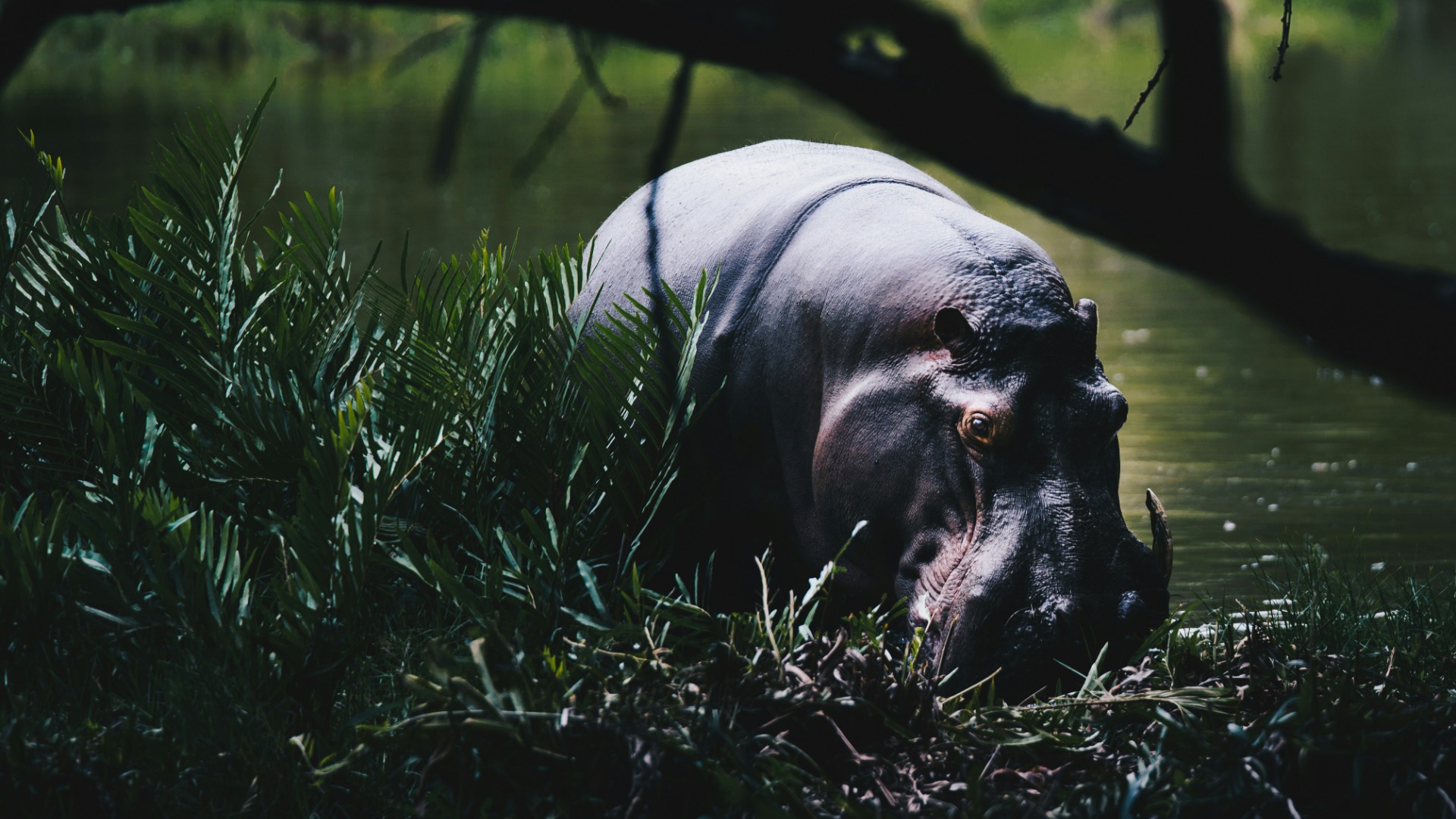
Photography
Mastering Light and Composition for Kenya’s Big Five on Camera
Encounters Africa - 10 min read
Updated on 21 July 2026
Photographing the Big Five in Kenya offers a profound challenge that rewards patience, technical skill, and deep respect for the animals and landscapes. From the sweeping grasslands of the Masai Mara to the dense thickets of Laikipia, Kenya presents ever-changing light conditions that can transform a simple portrait into something memorable. The key lies in understanding how to work with the environment rather than against it, creating images that honour the dignity of lions, leopards, elephants, buffalo, and rhinos while capturing their unique character.
This guide distils years of field experience into practical approaches for photographing Kenya’s iconic species. Whether you are tracking a coalition of lions at first light or waiting for a black rhino to emerge from cover at dusk, the principles of light, composition, and ethical positioning remain constant. Kenya’s varied ecosystems, from acacia-dotted plains to riverine forests, demand adaptability, yet they also provide some of the most consistent wildlife viewing opportunities on the continent, with over 500 resident mammal species supporting rich photographic possibilities year-round.
Understanding Kenya’s Light Patterns for Big Five Photography
Kenya’s equatorial position creates predictable yet nuanced light throughout the day. The golden hours, roughly the first hour after sunrise and last hour before sunset, deliver the warm, low-angle illumination that flatters wildlife textures and brings out the subtle colours in fur and hide. In the Masai Mara, morning mist often lingers until 7:30am during the dry season from June to October, softening harsh contrasts and creating ethereal backdrops for elephant herds.
Midday light, particularly between 11am and 3pm, presents greater challenges with high contrast and deep shadows. Savvy photographers use this time for shaded portraits or behavioural studies where animals rest under trees. The short rains from November to December and long rains from March to May transform the landscape, bringing vibrant greens that contrast beautifully with the warm tones of lions and leopards against fresh grass.
The most compelling wildlife images rarely come from perfect conditions; they emerge when you learn to read the subtle shifts in Kenya’s light and position yourself accordingly.
During the wildebeest migration between July and October, dust in the air creates dramatic god rays and softens the light, ideal for silhouetting large mammals against the horizon. Understanding these patterns allows you to anticipate rather than react, giving you precious seconds to compose before the decisive moment.

Essential Camera Settings for Sharp Wildlife Portraits
Photographing the Big Five requires equipment and settings that balance speed with image quality. A 400mm or 500mm prime lens paired with a teleconverter offers the reach needed for respectful distances, typically 30 to 50 metres depending on the species. For lions and leopards, shutter speeds of at least 1/1000th of a second freeze movement, while elephants and buffalo can often be captured at 1/500th due to their more deliberate pace.
ISO settings between 400 and 1600 work well in Kenya’s bright conditions, with modern mirrorless cameras handling noise exceptionally at higher values. Aperture priority at f/5.6 to f/8 provides sufficient depth of field for most portraits while maintaining a pleasing background blur. Continuous autofocus with subject tracking proves invaluable when photographing fast-moving predators or a rhino charging through bushes.
Raw file capture remains non-negotiable, allowing recovery of highlight details in bright skies and shadow information in dark fur. Many professional wildlife photographers in Kenya bracket exposures by one stop to ensure they capture the full dynamic range of high-contrast scenes, particularly useful when photographing black rhinos against bright morning light.
Vehicle Positioning Strategies That Enhance Composition
Where you position your safari vehicle often determines the success of an image more than camera settings. In Masai Mara, experienced guides understand how to approach animals at angles that align the subject with interesting background elements, whether distant hills or foreground acacia trees. The ideal approach follows a gentle curve rather than a direct line, reducing stress to the animals while allowing multiple compositional options.
For leopard photography in riverine areas, positioning the vehicle slightly below the animal creates a more imposing perspective, emphasising their arboreal grace. With elephants, shooting from a lower angle emphasises their monumental scale, while a higher vantage point can better capture family interactions within a herd. Always allow animals to dictate the encounter, never crowding or blocking their path.
In Laikipia’s private conservancies, the ability to drive off established tracks opens up creative possibilities, though this privilege comes with greater responsibility. Guides at properties like Loisaba Tented Camp excel at finding unique angles that avoid the crowded feeling sometimes experienced in national reserves.
Respectful positioning is not simply good manners; it directly improves your photography by allowing animals to behave naturally, revealing their true character rather than defensive postures.
Field Techniques for Each of Kenya’s Big Five
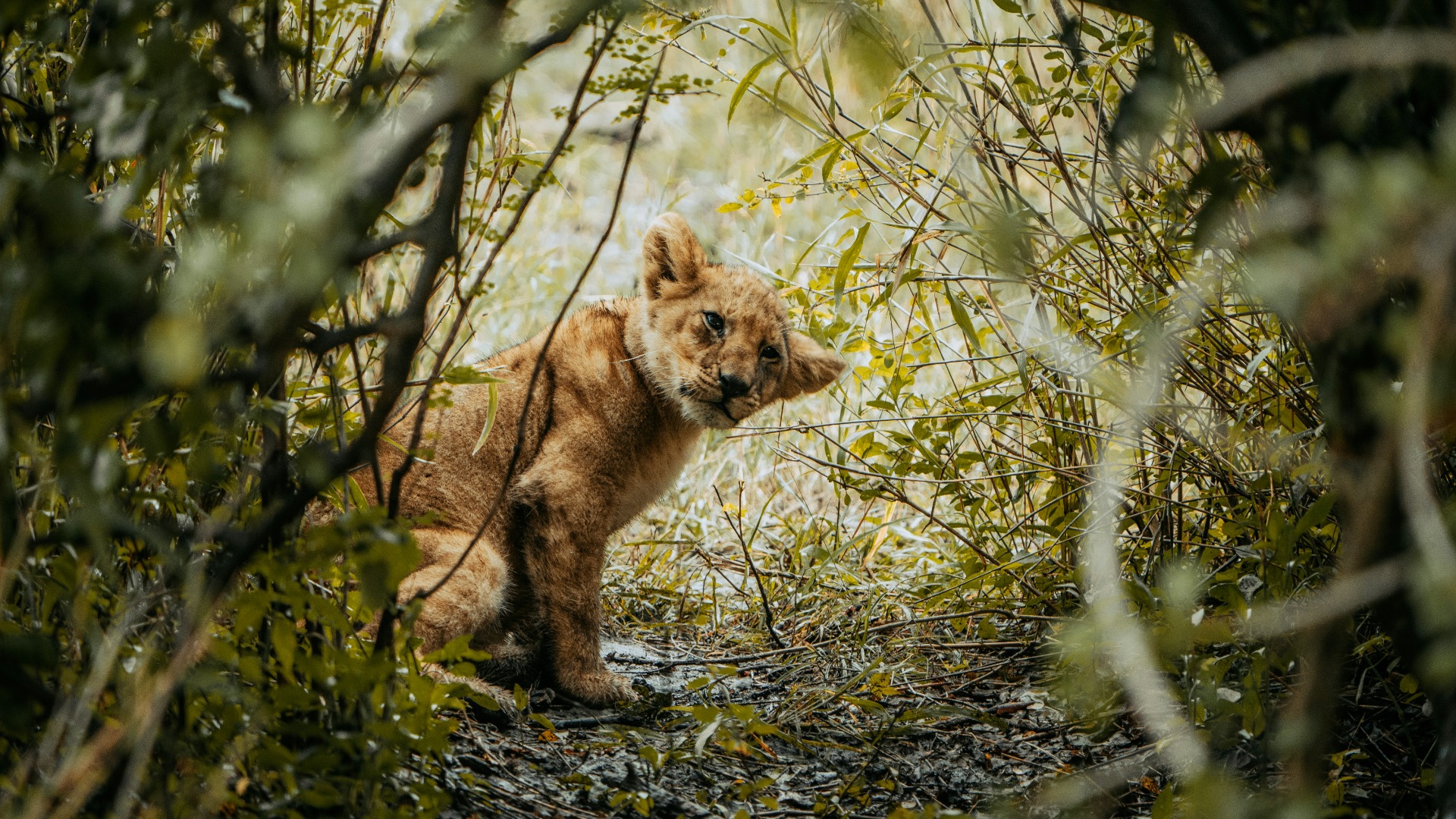
Lions present wonderful opportunities for intimate portraits, particularly when a pride rests in dappled shade. Look for moments of interaction between cubs and mothers, or the rare but spectacular sight of a male’s mane catching the light. The key is patience; many of the strongest lion images capture quiet moments of connection rather than dramatic action.
Leopards demand the highest level of preparedness. Their camouflage and preference for cover mean that when they do appear, often at dawn or dusk, you have mere minutes to capture them. Pre-focus on likely paths and use burst mode sparingly to avoid filling your buffer at the critical moment. In the Laikipia region, tree-climbing leopards offer unique elevated perspectives rarely seen elsewhere.
Elephants benefit from wider compositional approaches that show their interaction with the environment. The dust they kick up during dry months creates atmospheric conditions perfect for backlit silhouettes. Watch for the subtle signals within a herd that indicate movement or potential danger, allowing you to anticipate their path.
Buffalo herds present challenges of scale and chaos. Isolating individuals against the mass of the group often creates the most powerful images. Their formidable presence and battle-scarred faces reward close study with longer lenses, revealing textures that tell stories of survival.
Rhinos, particularly the critically endangered black rhino, require the most sensitive approach. Their poor eyesight means they rely heavily on scent and hearing, making quiet observation essential. The best images often come during the cooler hours when they are more active, with morning light beautifully illuminating their prehistoric profiles. Supporting conservancies that protect these animals through responsible photography helps fund vital anti-poaching efforts.
Ethical Considerations When Photographing Kenya’s Iconic Wildlife
Responsible wildlife photography in Kenya goes far beyond technical excellence. Maintaining appropriate distances protects both the animals and your opportunity for natural behaviour. For most Big Five species, 30 metres represents a sensible minimum, extending to 50 metres or more for rhinos and mothers with young. Many lodges work closely with local conservancies, ensuring that photographic activities contribute positively to conservation.
The rise of social media has increased pressure to capture dramatic images, sometimes at the expense of animal welfare. True mastery comes from knowing when to lower the camera and simply observe. Kenya’s wildlife authorities have implemented stricter guidelines in recent years, with fines for vehicles that harass animals or leave designated areas in national parks.
Supporting community-based conservation through your choice of accommodation and activities ensures that local people benefit from wildlife protection. Properties that employ local guides and contribute to education programmes create sustainable models that benefit both people and animals. When photographing in community areas, always seek permission and understand local protocols.

What Camera Equipment Works Best for Kenya’s Big Five?
Successful Big Five photography in Kenya does not require the most expensive gear, but it does demand thoughtful selection. A versatile combination might include a 100-400mm zoom for flexibility, paired with a 500mm prime for serious reach. Many experienced photographers now favour mirrorless systems for their silent shooting capabilities, crucial when working with easily disturbed species like leopards.
Stabilisation technology has transformed possibilities, allowing hand-held shooting at slower shutter speeds than previously possible. This proves particularly valuable during boat-based photography along the Chobe River or when shooting from moving vehicles. A sturdy bean bag remains one of the most useful accessories, providing stable support without the restrictions of a tripod in a safari vehicle.
Consider environmental factors when selecting equipment. Dust is a constant companion in Kenya’s dry seasons, making weather-sealed bodies and lenses essential. Multiple batteries and memory cards prevent disappointment during peak game viewing times, when you might capture several hundred frames in a single morning drive.
The finest wildlife photographs often result not from superior equipment but from superior understanding of both animal behaviour and the ever-changing African light.
Seasonal Timing for Different Photographic Opportunities
Kenya’s two distinct rainy seasons dramatically alter photographic conditions. The dry months from June to October and January to March generally offer the best wildlife concentrations around water sources, with thinner vegetation improving visibility. However, the green season brings its own rewards, with dramatic skies, lush landscapes, and fewer visitors sharing the experience.
The great wildebeest migration between July and October transforms the Masai Mara into one of the world’s premier wildlife photography destinations. River crossings present particularly challenging but rewarding subjects, requiring fast shutter speeds and predictive focusing. For more intimate encounters, consider private conservancies bordering the reserve, where vehicle numbers are strictly limited.
February and March often provide exceptional light conditions with clear skies and animals in prime condition before the long rains. This period also coincides with calving season for many species, offering tender moments between mothers and newborns. Whatever time you choose to visit, working with experienced guides who understand both wildlife patterns and photographic needs makes all the difference.
Creating Lasting Images Through Patience and Respect
Mastering light and composition for Kenya’s Big Five extends far beyond technical considerations. It requires developing an intuitive understanding of animal behaviour, light patterns across different landscapes, and the delicate balance between capturing images and respecting the subjects that make them possible. The most rewarding photographs often emerge after hours of patient observation rather than frantic shooting.
Kenya continues to evolve its approach to wildlife tourism, with increasing emphasis on responsible practices that benefit both animals and local communities. By choosing operators who prioritise conservation and community involvement, photographers become part of the solution rather than part of the pressure on these magnificent species.
For discerning travellers seeking a private safari beyond our set itineraries, we invite you to contact us directly. We specialise in designing exceptional, tailor-made journeys for individuals, couples, families, and private groups of up to eight guests. Drawing on our handpicked network of distinguished camps and lodges, we curate every detail with precision and care, creating a seamless, deeply personal safari experience shaped entirely around your preferences, pace, and budget.
Whether you dream of documenting the intimate lives of leopards in Laikipia or capturing the raw power of elephants against the dramatic skies of the Mara, reach out to Encounters Africa to begin planning your photographic safari. Our team of specialist consultants combines decades of African experience with a genuine passion for responsible wildlife photography, ensuring your journey creates not only exceptional images but also meaningful connections with the landscapes and communities that sustain Kenya’s extraordinary wildlife.
More like this
Photography
Mastering Light and Composition for South African Wildlife Photography
Photography
Mastering Light and Composition for Wildlife Shots in Southern Africa
photography
Light and Ethics: Field Techniques for Photographing Tanzania’s Endangered Wildlife
Photography
Mastering Light and Ethics While Photographing Tanzania's Conservation Landscapes
Photography
Mastering Light and Landscape: Practical Photography Techniques for Tanzania’s Diverse Terrain
Photography