Photography
Mastering Light and Composition for South African Wildlife Photography
Encounters Africa - 11 min read
Updated on 3 August 2026
South African wildlife photography rewards those who learn to read the land's shifting moods. From the first blush of dawn across the bushveld to the soft veils of mist rising in the Drakensberg, mastering light and composition turns good images into those that truly capture the spirit of this wild place. Whether you are tracking a lone leopard through dappled shade or framing a herd of elephants against a vast savanna, understanding how light and framing work together is essential for conveying scale, movement, and atmosphere.
The best time to visit South Africa for photography is during the drier winter months from May to September, when animals gather at water sources and vegetation thins to reveal clearer sightlines. Golden hour, that magical period shortly after sunrise and before sunset, offers the warm, directional light that sculpts every muscle and whisker. Yet the real skill lies in adapting when the sun climbs higher or clouds roll in, transforming harsh midday glare into opportunities for dramatic silhouettes or intimate behavioural studies.
Light in the African bush is never static. It dances with the hours, revealing new textures and stories with every subtle shift of the sun.
Understanding South Africa's Diverse Photographic Landscapes
South Africa's varied ecosystems demand different approaches to both light and composition. In the northern reaches, the thorny acacias and open plains of reserves such as the Kruger National Park create natural frames that guide the eye toward subjects. Here, low-angle morning light filters through branches, casting long shadows that add depth and drama to wildlife portraits.
Further south, the mountainous Drakensberg region presents misty mornings and dramatic cloud formations that require patience and a different compositional eye. The scale of these ancient peaks dwarfing eland or baboons calls for wider lenses that emphasise the relationship between animal and environment rather than isolated close-ups.
Coastal reserves along the Eastern Cape offer yet another palette, where soft sea light meets fynbos vegetation and marine influences create unique backlighting opportunities. Each landscape tells its own story through the quality of light available at different times of day and season.
Seasonal Light Patterns Across Key Regions
Winter brings crisp, clear skies and animals concentrated around remaining water points, making June to August ideal for consistent golden light. Summer rains from November to March transform the landscape into lush greens, but also bring afternoon thunderstorms that can yield spectacular post-storm light with rainbows arching over wet plains.
Transition months of April and October often deliver the most varied conditions, with dramatic cloud formations and animals active throughout the day. Tracking these patterns allows photographers to anticipate rather than react to changing conditions.

Mastering Light in South African Wildlife Photography
Light is the fundamental language of photography, and in South Africa it speaks with particular eloquence. The intense equatorial sun creates high contrast that can be challenging, yet when harnessed correctly produces images with remarkable dimensionality. Learning to read the quality, direction, and colour temperature of light throughout the day separates competent shots from memorable ones.
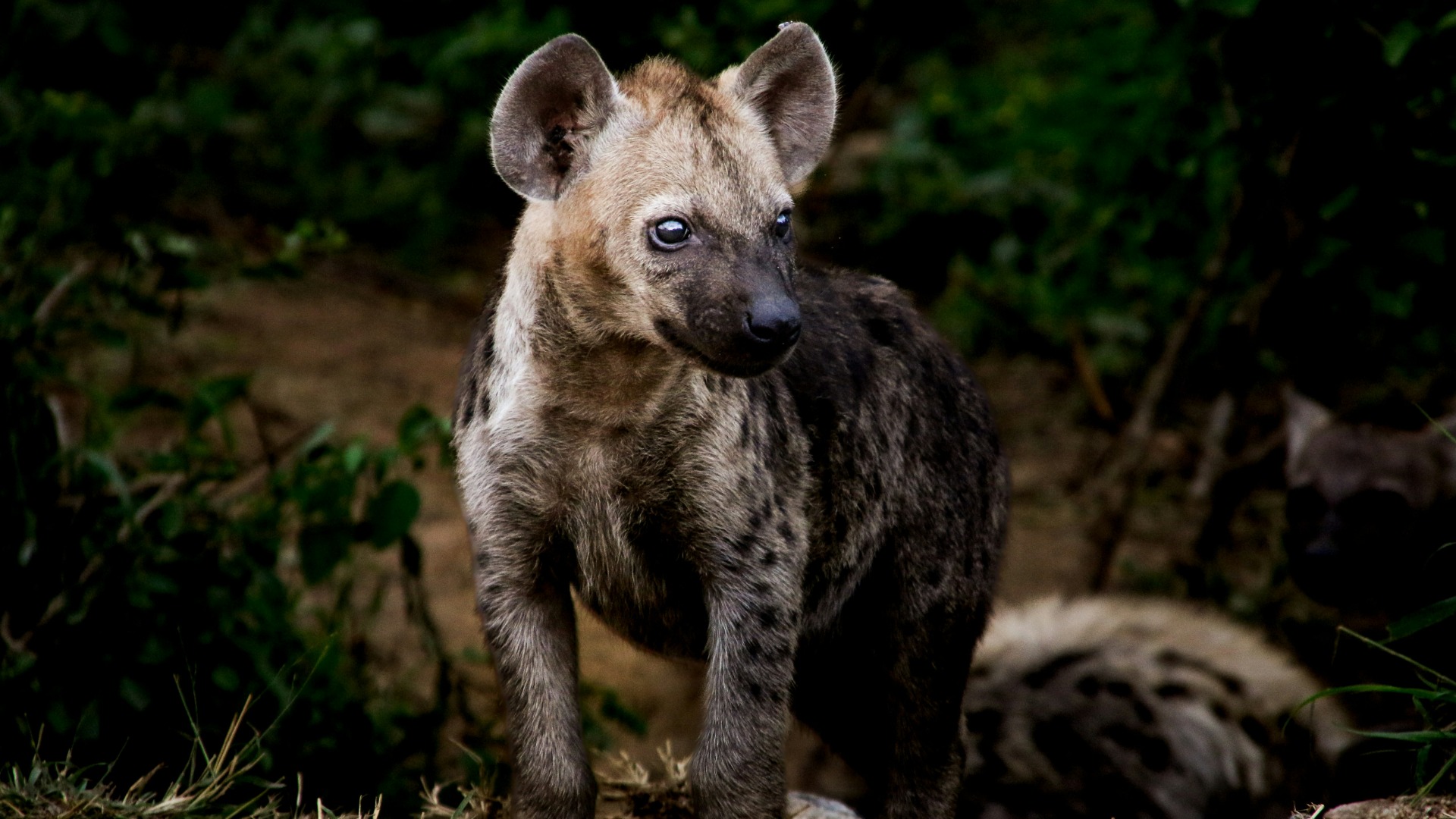
During the first and last hours of daylight, the sun's low angle creates warm tones and long shadows that define muscle tone on big cats or the texture of an elephant's skin. This side lighting reveals form and adds a three-dimensional quality impossible to achieve at midday. Backlighting, when the sun sits behind your subject, can create striking rim lighting around silhouettes of giraffes or impala against glowing skies.
Overcast days, often dismissed by beginners, actually provide beautifully diffused light perfect for capturing detail in both highlights and shadows. In dense bush or forested areas, this softer illumination prevents the harsh contrast that can obscure important details in an animal's face or behaviour.
The most compelling wildlife images rarely come from the brightest light, but from the moments when light and subject align in unexpected harmony.
Golden Hour Techniques for African Subjects
Arriving at waterholes or open plains 45 minutes before sunrise allows time to scout compositions while the light gradually builds. Position yourself with the sun at your back or to the side for the richest colour saturation on animals' coats. For backlit scenes, expose for the highlights and allow the subject to fall into partial silhouette, preserving the delicate rim of light around fur or feathers.
Experiment with spot metering on the animal's face rather than using evaluative metering, which can be fooled by bright skies. A slight underexposure of around one-third of a stop often preserves the warmth and drama of early light without blowing out highlights.
Working with Harsh Midday Light
When the sun climbs overhead, seek shade or convert the conditions to your advantage. Strong overhead light creates deep shadows that can be used creatively to isolate subjects or emphasise patterns. Converting to black and white in post-production can transform challenging contrast into powerful graphic images.
Alternatively, focus on behavioural moments in shaded areas where light is naturally diffused. Many animals rest during the heat of the day, offering opportunities for intimate portraits that reveal character rather than dramatic action.
Composition Principles for African Wildlife
Strong composition transforms a simple wildlife sighting into a narrative that resonates. The rule of thirds remains a reliable foundation, but South Africa's dramatic landscapes often call for breaking conventions to emphasise scale or isolation. Placing a lone cheetah on the edge of the frame with vast empty savanna stretching before it can powerfully convey the reality of finding food in an enormous wilderness.
Leading lines, whether created by a dried riverbed, a line of zebras, or the curve of a hillside, draw the viewer's eye naturally toward your main subject. Negative space plays an equally important role, particularly in South Africa where the sheer scale of the landscape often tells as much of the story as the animals themselves.
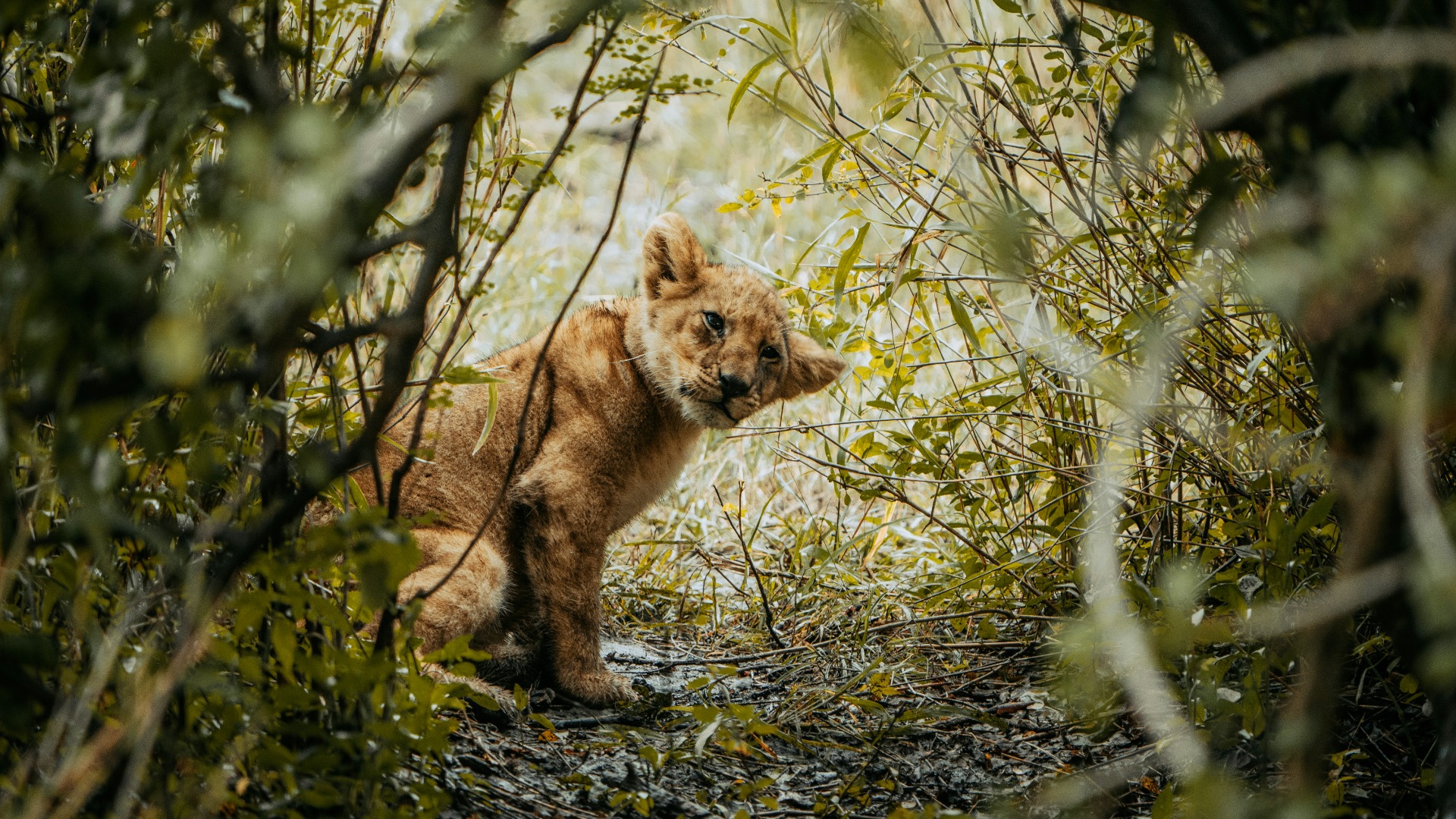
Consider the direction animals are moving or looking within the frame. Providing space in front of a walking lioness allows the image to breathe and creates a sense of anticipation. Similarly, leaving visual room for a bird to fly into prevents the composition from feeling cramped.
Choosing the Right Focal Length for Each Scene
Versatility is key on South African safaris. A 100-400mm zoom offers flexibility for changing conditions, while prime lenses like 400mm f/2.8 deliver superior sharpness for detailed portraits. Wider focal lengths from 24mm to 70mm become essential when the environment itself forms an integral part of the story.
For intimate behavioural shots, 500mm or 600mm lenses paired with a 1.4x extender allow respectful distances while filling the frame. However, don't overlook shorter lenses for environmental portraits that show animals within their full context, particularly effective in mountainous regions or when photographing herds.
Layering Elements for Depth and Story
Successful compositions often contain foreground, midground and background elements that work together. A foreground branch partially framing a distant rhino creates depth and context. Dust kicked up by running wildebeest in the midground can add atmosphere and narrative to a wider scene.
Look for opportunities to layer different species or elements. A lilac-breasted roller perched on a branch with elephants crossing a plain behind creates a complete ecosystem view rather than an isolated subject study.
Practical Field Techniques and Equipment Considerations
Preparation extends beyond camera gear to understanding animal behaviour and vehicle positioning. Experienced guides can position vehicles to take advantage of the best light angles while maintaining safe distances that don't disturb natural behaviour. Learning to anticipate movement allows you to pre-focus and compose before the decisive moment arrives.
Stability matters enormously when working with long lenses. Bean bags offer excellent support from vehicle windows or roofs, providing a stable platform without the restrictions of tripods in tight safari vehicles. For walking safaris in certain reserves, lightweight monopods or even stabilised lenses become valuable allies.
Protecting equipment from the African dust is crucial. Keep lenses covered when not shooting and carry microfibre cloths for frequent cleaning. A good UV filter serves as both protection and a permanent lens cover in harsh conditions.
Camera Settings for African Light Conditions
Fast shutter speeds are essential for freezing movement, particularly with big cats or birds in flight. A minimum of 1/1000th second for stationary subjects and 1/2000th or faster for action ensures sharpness. Opening the aperture to f/4 or wider creates pleasing background separation while gathering maximum light in early morning or late afternoon.
ISO settings should remain as low as possible for clean images, but don't hesitate to increase to 1600 or 3200 when necessary to maintain shutter speed. Modern cameras handle higher ISOs remarkably well, and a sharp noisy image is always preferable to a blurry clean one.

In the African wild, the perfect moment rarely coincides with perfect light. Learning to work with what nature offers separates the prepared photographer from the merely hopeful one.
Ethical Considerations and Conservation Through Photography
Responsible wildlife photography extends beyond technical excellence to ensuring your presence creates no negative impact. Maintaining respectful distances, remaining quiet in vehicles, and following your guide's instructions protects both animals and future photographic opportunities. The images you create can become powerful ambassadors for conservation when shared thoughtfully.
Many private reserves in South Africa channel photographic tourism revenue directly into anti-poaching and habitat restoration. By choosing operators committed to genuine conservation, photographers become active participants in protecting the subjects they love to capture.
Consider how your images might educate others about the challenges facing South African wildlife. A compelling photograph of a black rhino accompanied by context about conservation efforts can inspire action and support far beyond the safari itself.
Common Questions About South African Wildlife Photography
What is the best time of day for wildlife photography in South Africa? The golden hours shortly after sunrise and before sunset consistently deliver the most flattering light. However, midday can work well for certain subjects when used creatively, and overcast conditions often provide excellent soft light for detailed portraits throughout the day.
Which focal lengths work best for South African safaris? A versatile combination includes a 100-400mm zoom for flexibility, supplemented by a wider 24-70mm lens for environmental context. Serious enthusiasts often add a 500mm or 600mm prime for intimate portraits while maintaining respectful distances from subjects.
How can I capture scale in vast African landscapes? Including recognisable animals within wider environmental frames helps convey the immense scale of South African wilderness. Positioning smaller subjects against dramatic backdrops or using leading lines that draw the eye from foreground wildlife to distant mountains creates powerful perspective.
Conclusion
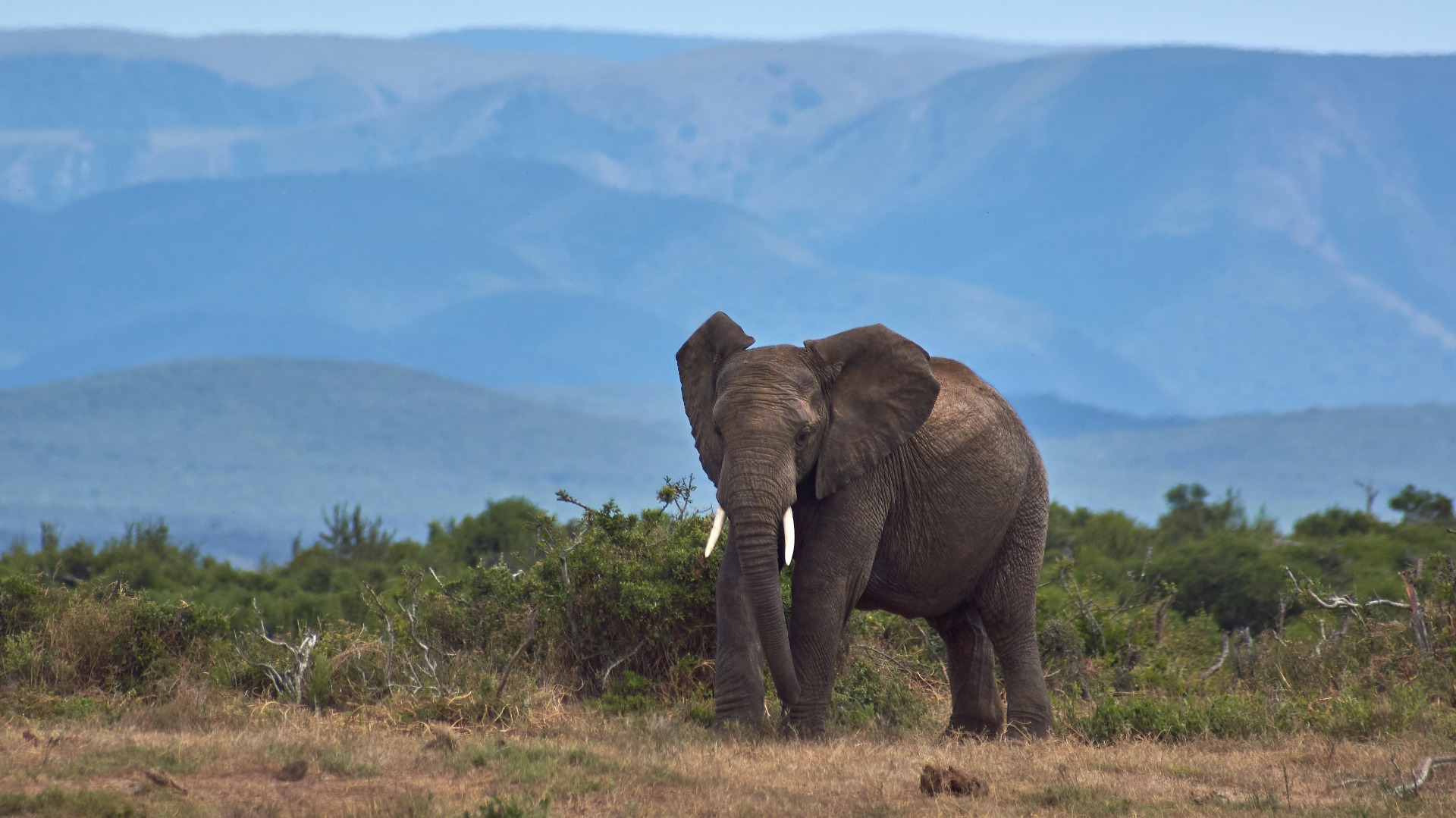
Mastering light and composition for South African wildlife photography is a lifelong pursuit that deepens with every journey into the bush. The interplay between golden light on a lion's mane, the vast scale of an elephant against an empty plain, and the quiet moments shared between a mother and calf creates images that resonate long after the memory of the safari has softened.
These skills develop through practice, patience, and a genuine connection with the landscapes and creatures that call South Africa home. Each frame becomes not just a photograph but a record of a moment in the ongoing story of African wilderness.
For discerning travellers seeking a private safari beyond our set itineraries, we invite you to contact us directly. We specialise in designing exceptional, tailor-made journeys for individuals, couples, families, and private groups of up to eight guests. Drawing on our handpicked network of distinguished camps and lodges, we curate every detail with precision and care, creating a seamless, deeply personal safari experience shaped entirely around your preferences, pace, and budget.
Whether you wish to focus on photography with expert guides who understand the light, or simply want to experience South Africa's wild places with the time and space to truly see them, reach out to Encounters Africa to begin planning your journey. Our team of specialists looks forward to crafting an experience that captures not only remarkable images but memories that will enrich you for years to come.
The camera is a tool, but the real art lies in learning to see the wild with both eyes and heart wide open.
More like this
Photography
Mastering Light and Composition for Wildlife Shots in Southern Africa
photography
Light and Ethics: Field Techniques for Photographing Tanzania’s Endangered Wildlife
Photography
Mastering Light and Ethics While Photographing Tanzania's Conservation Landscapes
Photography
Mastering Light and Landscape: Practical Photography Techniques for Tanzania’s Diverse Terrain
Photography
Mastering Light and Motion When Photographing the Great Migration
Photography