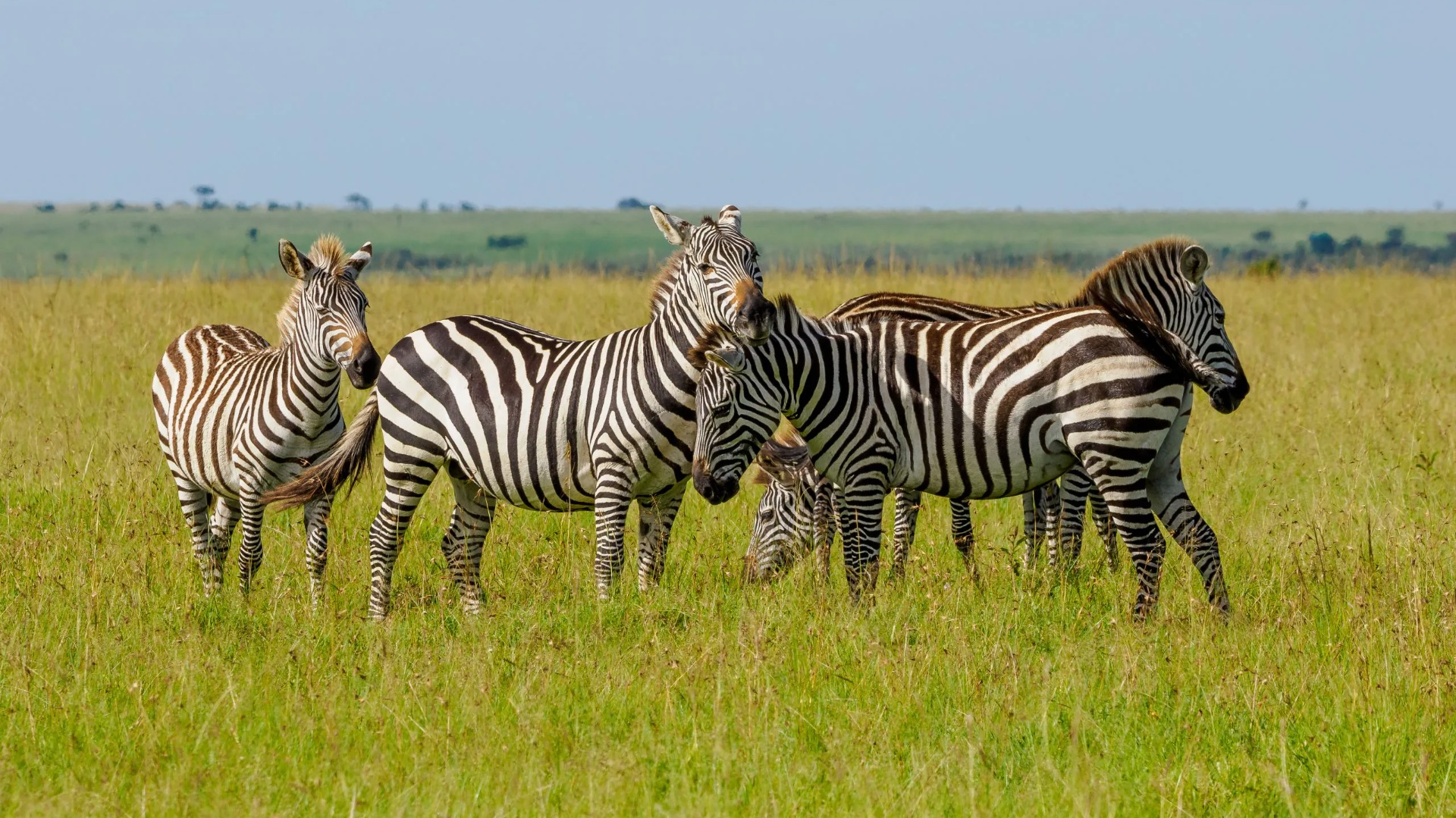
Tips & Advice
Practical Kenya Touring Advice That Prevents Common Safari Setbacks
Encounters Africa - 11 min read
Updated on 19 June 2026
Practical Kenya touring advice becomes invaluable the moment wheels touch the runway at Nairobi's Jomo Kenyatta International Airport. With its mosaic of ecosystems ranging from the high-altitude forests of the Aberdares to the acacia-dotted plains of the Masai Mara, Kenya rewards those who arrive prepared. A well-considered journey here sidesteps the frustrations of missed connections, unexpected road closures and cultural missteps that can quietly erode even the most luxurious safari experience.
From understanding the nuances of conservancy access fees to aligning transfers with the rhythms of seasonal rains, targeted tips on touring through Kenya help maintain momentum while honouring both wildlife corridors and community rhythms. Whether your route threads through private conservancies in Laikipia or coastal retreats near Diani Beach, thoughtful preparation ensures every transition feels intentional rather than reactive. Encounters Africa has guided countless travellers through these landscapes, refining approaches that balance comfort with authenticity across more than two decades of operation.
Understanding Kenya's Diverse Landscapes Before You Arrive
Kenya stretches across more than 580,000 square kilometres, encompassing everything from snow-capped Mount Kenya at 5,199 metres to the coral-fringed shores of the Indian Ocean. This dramatic variation in altitude and habitat means temperatures can swing from 30°C on the coast to near-freezing at night in the highlands. Savvy travellers factor these shifts into both wardrobe and expectations long before departure.
The country's road network, while steadily improving, still features significant stretches of corrugated gravel and seasonal black cotton soil that turns treacherously slippery after rain. Recognising which routes become impassable between March and May, or November and December, prevents the common setback of being stranded or forced onto expensive last-minute charter flights. The best time to visit the Masai Mara for the wildebeest migration is typically July to October, while the coastal belt enjoys its most reliable weather from December to March.
Kenya does not reveal itself to those in a hurry; its greatest rewards come to travellers who have studied the map, the calendar, and the culture with equal attention.
Before confirming any itinerary, request detailed route maps from your safari operator. Reputable specialists like Encounters Africa will gladly explain why certain roads are avoided during particular months and how alternative routing preserves both time and tranquillity. This foresight proves especially valuable when connecting Masai Mara with Laikipia or when planning onward travel to Amboseli National Park.
Choosing the Right Transport Mix for Seamless Movement
Most Kenya itineraries combine road transfers with strategic light aircraft hops. Domestic flights on well-maintained carriers such as Safarilink and Air Kenya operate to more than 30 airstrips, dramatically reducing travel fatigue on longer legs. A typical road transfer from Nairobi to the northern Masai Mara gate takes five to six hours, while flying the same distance requires under 45 minutes. Understanding when each option makes sense prevents both unnecessary expense and avoidable discomfort.
Private conservancies often maintain their own landing strips, allowing direct access that national parks cannot always provide. However, these flights carry supplementary landing fees ranging from US$15 to US$35 per person depending on the conservancy. Building these costs into your budget from the outset avoids awkward conversations at the airfield. When road transfers are preferred for their immersive quality, insist on late-model 4x4 vehicles equipped with charging points, binoculars and knowledgeable drivers who double as informal guides.
Navigating Conservancy Access and Gate Protocols
Private conservancies surrounding the Masai Mara National Reserve offer exclusive game viewing with dramatically lower vehicle density, yet they require advance booking of entry. Some properties restrict day visitors entirely, meaning your choice of overnight accommodation effectively determines your access. Booking through a trusted operator ensures the necessary permissions are secured weeks ahead rather than hours before arrival.
Gate formalities at both national parks and conservancies have tightened in recent years. Always carry your passport, even for internal flights, as occasional spot checks occur. Photography drones remain strictly prohibited in most protected areas without special permits that can take up to six weeks to obtain. Respecting these regulations preserves not only your journey but the delicate balance that allows wildlife to thrive so close to human settlement.

The difference between an ordinary safari and a transformative one often lies in the small courtesies extended to gate staff, community guides and lodge teams who make seamless movement possible.
Seasonal Considerations That Shape Successful Routes
Kenya's bimodal rainfall pattern creates two distinct green seasons that dramatically alter both landscape and wildlife behaviour. The long rains typically arrive in April and taper off by early June, transforming dusty plains into lush grazing that disperses animals across vast areas. Conversely, the dry months from July to October concentrate game around remaining water sources, offering some of the most reliable predator sightings on the continent.
Advice for Kenya touring must therefore address more than simple weather forecasts. The short rains in November often arrive with dramatic thunderstorms that can close low-lying roads for days. Experienced operators monitor satellite rainfall data and maintain flexible routing options, sometimes shifting entire segments of an itinerary with 48 hours' notice to ensure guests witness the landscape at its dramatic best rather than its most challenging.
Coastal Kenya follows a slightly different rhythm, with peak visitor seasons aligning with European winter. However, travellers seeking the renowned kitesurfing conditions at Diani Beach should target July through September when consistent northeast monsoon winds prevail. Understanding these overlapping patterns allows for elegant multi-destination journeys that flow naturally with the seasons rather than fighting against them.
Cultural Etiquette and Community Interactions That Matter
Kenya's extraordinary cultural diversity spans more than 40 ethnic groups, each with distinct traditions and expectations around visitor behaviour. Learning a few words of Swahili, Kenya's national language, opens doors in ways that no amount of money can replicate. Simple greetings such as "Jambo" and "Asante sana" (thank you very much) demonstrate respect that is immediately recognised and appreciated.
When visiting community conservancies or village projects, modest dress and restrained photography show appropriate sensitivity. Many Maasai communities now manage their own tourism initiatives, and the revenue from these visits directly funds education and healthcare. Participating thoughtfully, perhaps by purchasing directly from artisans rather than through intermediaries, creates meaningful economic impact while enriching your own experience.
Health, Safety and Responsible Packing Strategies
Malaria remains a consideration in much of Kenya below 1,800 metres, making prophylaxis an important discussion with your travel doctor at least six weeks before departure. Yellow fever vaccination is required if arriving from infected areas, and proof of vaccination may be requested at immigration. Packing both long-sleeved lightweight clothing for evenings and breathable layers for daytime temperature swings prevents the common discomfort of being either too hot or inadequately protected from insects.
Binoculars with 8x or 10x magnification, a good pair of dust-resistant binoculars harness, and a lightweight rain jacket that packs small represent wise investments. Power banks capable of multiple device charges become essential during longer road transfers where vehicle charging points may be limited. A small medical kit containing remedies for travellers' stomach upsets, antihistamines and basic first aid supplies offers peace of mind in remote areas where pharmacies are few and far between.
True luxury in the African bush is not found in marble bathrooms but in the quiet confidence that comes from being properly prepared for whatever the landscape presents.
What Should You Know About Photography and Technology on Kenyan Safaris?
Kenya's legendary light demands specific photographic considerations. Dawn and dusk offer the most flattering illumination, yet many travellers arrive with cameras set to automatic settings that struggle with the dramatic contrast between golden animals and deep shadow. Requesting vehicles with beanbag supports or specialised photographic vehicles can transform image quality without requiring professional-level equipment.
Mobile coverage has improved dramatically across most safari areas, yet signal blackspots still exist, particularly in the northern reaches of Samburu and the remote corners of the Laikipia Plateau. Downloading offline maps and ensuring your phone is loaded with relevant field guide apps before departure prevents frustration. Many luxury camps now offer complimentary Wi-Fi in main areas, though bandwidth remains limited during peak seasons when multiple guests attempt simultaneous uploads.
Selecting the Right Guiding Team for Your Interests
The quality of your guide often determines the depth of your Kenya experience more than the specific destinations visited. Specialist birding guides, photographic instructors and cultural interpreters each bring different strengths to the vehicle. Discussing your primary interests with Encounters Africa well in advance allows for the careful matching of guide personalities and expertise with guest preferences.
Many of Kenya's finest guides have accumulated more than two decades of experience in their particular regions. Their ability to interpret subtle signs, from distant dust plumes to the specific alarm calls of different species, transforms routine game drives into masterclasses in bushcraft. Building rapport with these knowledgeable companions from the first meeting often leads to more personalised experiences throughout your stay.

Common Financial and Booking Considerations
Kenya operates on a mixed payment system where major credit cards are widely accepted in urban areas and larger lodges, yet remote conservancies and smaller properties still prefer US dollars in cash for incidentals. Carrying a mix of denominations, including smaller bills for tipping, prevents awkward moments. Gratuities for guides and camp staff typically range from US$15 to US$30 per person per day, though these remain at the traveller's discretion based on service received.
Travel insurance that specifically covers safari activities, including emergency medical evacuation from remote airstrips, represents non-negotiable protection. Policies should include coverage for trip cancellation caused by airline delays that might cause missed connections to remote lodges. Booking at least six months in advance for peak season travel (July to September and December to mid-January) secures space at the most sought-after properties that often operate with fewer than 20 rooms.
The most rewarding Kenyan journeys are those built on partnership between traveller and specialist, where questions are welcomed and adjustments made with expertise born of deep local knowledge.
Practical Kenya Touring Advice: Answering Common Questions
How many days should I allocate for a comprehensive Kenyan safari? Most travellers find that 10 to 14 days allows meaningful time in two or three distinct ecosystems without feeling rushed. Seven days can work for a focused Masai Mara experience, while 21 days opens possibilities for combining wildlife, cultural encounters and coastal relaxation.
Is self-driving recommended for first-time visitors? While possible in certain areas with proper preparation, the combination of navigation challenges, wildlife encounters and occasional security considerations makes professional guiding a wiser choice for most international travellers. The incremental cost delivers exponentially richer interpretation and safety.
What is the ideal group size for a private safari? Parties of two to six guests typically enjoy the most flexibility and personalised attention. Larger groups may require multiple vehicles, which can fragment the experience. Encounters Africa specialises in curating journeys for private parties of up to eight guests, ensuring everyone receives individual attention while maintaining the intimacy that defines luxury African travel.
Turning Knowledge Into Memorable Kenyan Journeys
The difference between a good Kenyan safari and an exceptional one lies not in the destinations themselves but in the preparation that precedes them. By understanding the interplay between seasons, infrastructure, cultural nuances and conservation priorities, travellers position themselves to experience Kenya at its most authentic and generous.
Encounters Africa has spent years refining these insights across thousands of successful journeys. Our team remains dedicated to translating this accumulated knowledge into seamless, deeply personal experiences that respect both the land and its people. From the first consultation through to your final sundowner overlooking the Great Rift Valley, every detail receives careful attention.
For discerning travellers seeking a private safari beyond our set itineraries, we invite you to contact us directly. We specialise in designing exceptional, tailor-made journeys for individuals, couples, families, and private groups of up to eight guests. Drawing on our handpicked network of distinguished camps and lodges, we curate every detail with precision and care, creating a seamless, deeply personal safari experience shaped entirely around your preferences, pace, and budget.
Begin your Kenyan journey with confidence by reaching out today. Visit our enquiry form to share your aspirations, and allow us to craft an itinerary that honours both your expectations and the extraordinary reality of Kenya itself. The plains are waiting, and with the right preparation, your time here will create memories that resonate for decades to come.
More like this
Tips & Advice
Practical Rwanda Safari Advice: Spotting Gorillas and Avoiding Peak Crowds
Tips & Advice
Practical Rwanda Travel Advice That Shapes Smoother Journeys
Tips & Advice
Practical Steps Every Tourist Can Take to Protect African Wildlife on Safari
Tips & Advice
Some of The Best Ways to Observe Tanzania's Big Five Without Disturbing Their Natural Patterns
Tips & Advice
Important Steps Travelers Can Take to Bolster Zimbabwe's Wildlife Protection Efforts
Tips & Advice