Conservation
Rwanda Strengthens Anti-Poaching Measures Across Volcanoes National Park
Encounters Africa - 9 min read
Updated on 30 July 2026
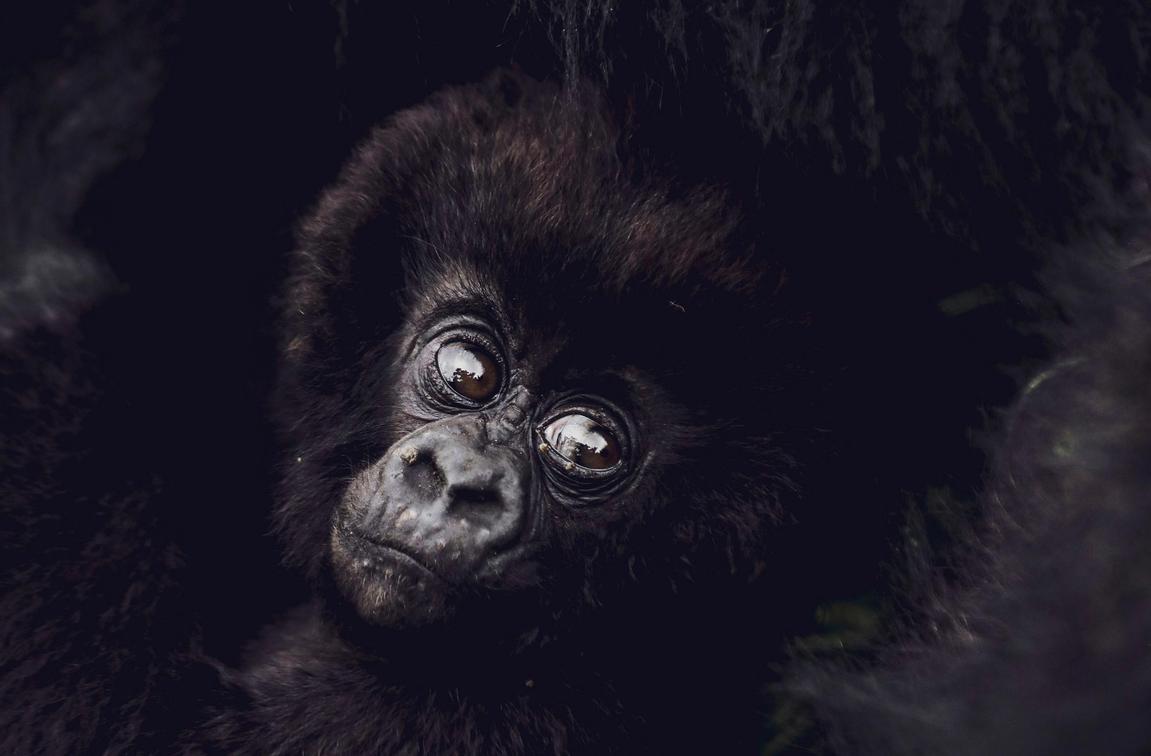
Rwanda strengthens anti-poaching measures across Volcanoes National Park through expanded ranger patrols and the deployment of artificial intelligence-enabled cameras. These policy updates, announced in late 2024, aim to reduce illegal activity by 40 percent within two years while deepening the involvement of local cooperatives in monitoring endangered species such as mountain gorillas and golden monkeys. The initiatives reflect a maturing conservation model that blends technology with community stewardship, offering travellers a chance to witness meaningful protection efforts in one of Africa's most celebrated highland ecosystems.
At an elevation reaching 4,500 metres, the Virunga massif's steep slopes and dense bamboo forests have long sheltered the world's remaining population of approximately 1,063 mountain gorillas. Recent figures from the Rwanda Development Board show a steady 3 percent annual increase in gorilla numbers since the last census, yet persistent threats from snares and habitat encroachment remain. By integrating real-time data analytics with on-the-ground presence, Rwanda is writing a new chapter in protected area management that balances ecological recovery with economic opportunity for neighbouring communities.
The forest does not forget those who stand watch over it; every camera trap and every patrol step reinforces a covenant between people and primates that stretches back generations.
The Evolution of Rwanda's Conservation Strategy
Conservation in Rwanda has transformed dramatically since the establishment of the Mountain Gorilla Project in the 1980s. Early efforts focused primarily on habituation and veterinary intervention, yet poaching incidents continued to undermine population gains. Today's approach incorporates satellite monitoring, community revenue sharing from gorilla permits, and sophisticated surveillance systems that alert rangers within minutes of detected movement.
The latest measures build upon successful programmes already operating in Volcanoes National Park, where annual tourism revenue now exceeds $25 million and funds both infrastructure and local development projects. By expanding these foundations, authorities hope to create a replicable blueprint for other protected areas across the country and the wider Virunga region shared with Uganda and the Democratic Republic of Congo.
Integration of Technology and Traditional Knowledge
AI-enabled cameras represent a significant leap forward. These solar-powered units, installed at strategic forest corridors, use machine learning algorithms to distinguish between authorised human activity and potential threats. When suspicious movement is detected, rangers receive instant notifications via a dedicated mobile application, allowing rapid response teams to reach remote sectors within 30 minutes rather than the previous four-hour average.
Importantly, the technology does not replace human expertise. Local trackers, many of whom come from families with generations of forest knowledge, continue to interpret signs that algorithms cannot yet fully comprehend, such as subtle changes in vegetation or the particular calls of sentinel birds. This fusion of old and new creates a more resilient monitoring network that respects both cultural heritage and scientific advancement.

Expanded Ranger Patrols and Their Impact
Patrol coverage in Volcanoes National Park has increased by 65 percent since the beginning of 2024, with new teams specifically trained in rapid response and evidence collection. These rangers, equipped with body cameras and GPS trackers, now cover more than 160 square kilometres of challenging terrain on a daily basis. Their presence has already led to a 28 percent reduction in snare incidents during the first half of the year.
Beyond enforcement, the expanded patrols serve an educational function. Many rangers participate in weekly community dialogues, sharing information about the ecological importance of intact forests and the long-term economic benefits of conservation. This dialogue has fostered greater local ownership of protection efforts, with several villages voluntarily reporting suspicious activity observed near their agricultural plots.
Each additional ranger footstep on these volcanic slopes represents not just security for gorillas, but renewed hope for the families who share this remarkable landscape.
Training and Community Recruitment Initiatives
A dedicated training academy near Musanze now graduates 45 new rangers annually, with priority given to candidates from the 12 surrounding cooperatives. The curriculum combines modern wildlife management techniques with traditional ecological knowledge passed down through oral histories. Graduates receive competitive salaries funded partly through the national park entry fees, creating a virtuous circle between conservation success and community prosperity.
Women now comprise 32 percent of the ranger force in Volcanoes National Park, up from just 8 percent five years ago. This shift has brought new perspectives to patrol strategies and strengthened trust with female-led farming cooperatives that border the park boundaries.
Local Cooperatives Take Centre Stage in Monitoring
One of the most promising developments involves the formal integration of local cooperatives into the monitoring framework. Previously, these groups focused primarily on handicraft production and guiding services. Now, selected members receive specialist training to participate in biodiversity surveys and camera trap maintenance, earning supplementary income while contributing directly to species protection.
The Sabyinyo Community Cooperative, for instance, manages 18 camera stations along the park's western boundary. Their members have recorded valuable data on golden monkey movements and identified previously unknown crossing points used by dispersing gorillas. This citizen science approach not only improves data collection but also creates tangible economic incentives for protecting rather than exploiting the forest.
Revenue Sharing and Alternative Livelihoods
Under the updated policy, 40 percent of all tourism revenue generated by Volcanoes National Park is returned to local communities through various development projects. Recent investments include terracing programmes that have increased potato yields by 45 percent on surrounding hillsides, reducing pressure to expand farmland into gorilla habitat.
Beekeeping initiatives have proven particularly successful, with honey production from forest-edge hives generating significant supplementary income. The distinctive flavour profile of high-altitude Rwandan honey has found ready markets in Kigali's growing hospitality sector and among international visitors seeking authentic souvenirs that support conservation.
Measuring Success: Key Conservation Metrics
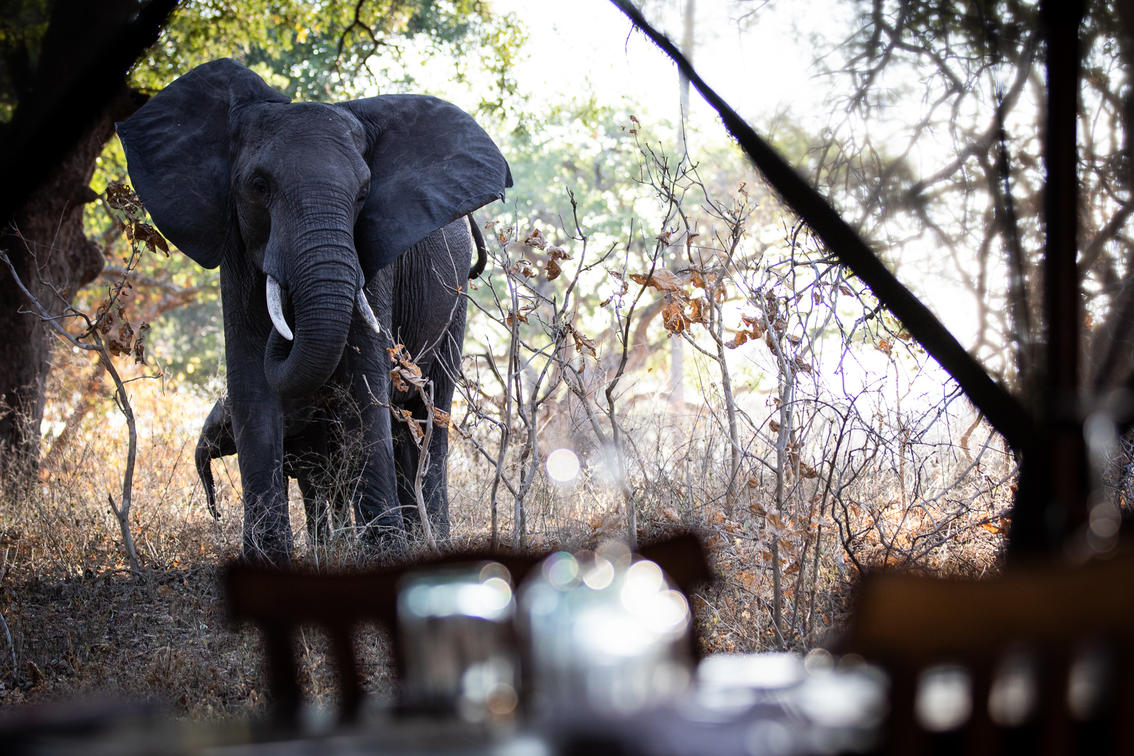
The effectiveness of Rwanda's strengthened anti-poaching measures can already be seen in several key indicators. Gorilla populations within the park have grown from 480 individuals in 2010 to over 600 today. Buffalo numbers have increased by 22 percent over the past three years, while sightings of elusive forest elephants have become more frequent in the lower elevation sectors.
Poaching-related arrests have declined by 52 percent since the introduction of the new surveillance network, suggesting that potential offenders are increasingly deterred by the visible and technological presence. Perhaps most encouragingly, snare removal rates have dropped from an average of 87 per month in 2022 to just 31 per month in 2024, indicating reduced illegal activity within the core protected zones.
What These Changes Mean for Future Generations
These measurable gains provide a foundation for long-term ecological stability. The park's forests not only support iconic species but also regulate water flow for millions of people downstream and store significant amounts of carbon. By securing this ecosystem, Rwanda is protecting both its natural heritage and its contribution to global climate objectives.
Young people in the surrounding communities now view conservation careers as viable and respected professions. School programmes that incorporate visits to habituated gorilla groups have inspired a new generation to see the forest as a source of pride and opportunity rather than simply a resource to be harvested.

Conservation success in these misty highlands is measured not only in gorilla numbers but in the quiet confidence of communities who now see their future inextricably linked to the health of the volcanoes above them.
How Travellers Can Support Conservation in Rwanda
Visitors play an important role in sustaining these efforts. Choosing responsible operators who prioritise community partnerships and adhere to strict viewing guidelines ensures that tourism revenue continues to fund protection work. Even small decisions, such as refusing to purchase souvenirs made from forest products, contribute to the broader conservation message.
Many lodges now offer optional conservation days where guests can participate in habitat restoration projects or meet with community cooperatives. These experiences provide deeper insight into the challenges and triumphs of modern African conservation while creating lasting connections between international visitors and the people who safeguard these landscapes daily.
Choosing Experiences That Make a Difference
When planning a journey to see Rwanda's mountain gorillas, selecting accommodations that demonstrate clear commitment to conservation yields both ethical and practical benefits. Properties such as Clouds Mountain Gorilla Lodge work closely with neighbouring communities and contribute directly to anti-poaching initiatives through their operational models.
Consider combining your gorilla trekking experience with a visit to one of the community projects supported by park revenue. These visits reveal the human dimension of conservation and often prove as memorable as the encounter with the gorillas themselves.
Looking Ahead: The Future of Protection in the Virungas
The coming years will test Rwanda's enhanced conservation framework as climate change brings new pressures to the high-altitude ecosystem. Rising temperatures may alter bamboo flowering cycles that form a critical part of gorilla diet, while changing rainfall patterns could affect agricultural patterns around the park boundaries.
Continued investment in both technology and community relationships will be essential. Plans are already underway to expand the AI camera network across adjacent reserves and to strengthen cross-border collaboration with conservation teams in neighbouring countries. The ultimate goal remains a secure future for mountain gorillas and the remarkable landscape they inhabit.
Conclusion
The recent strengthening of anti-poaching measures in Volcanoes National Park represents a thoughtful evolution in Rwanda's approach to conservation. By combining cutting-edge technology with deep community involvement, the country is creating more effective protection for its endangered wildlife while generating sustainable economic benefits for local people. These developments offer encouragement for similar initiatives across the continent.
For discerning travellers seeking a private safari beyond our set itineraries, we invite you to contact us directly. We specialise in designing exceptional, tailor-made journeys for individuals, couples, families, and private groups of up to eight guests. Drawing on our handpicked network of distinguished camps and lodges, we curate every detail with precision and care, creating a seamless, deeply personal safari experience shaped entirely around your preferences, pace, and budget.
Whether you wish to witness mountain gorillas in their misty realm, explore the broader wonders of Rwanda, or understand more about the conservation work happening on the ground, reach out to Encounters Africa. Our team of specialists will craft an experience that connects you meaningfully with both the wildlife and the people dedicated to its protection.
More like this
Conservation
Rwanda's Forests Tell a Story of Recovery and Resolve
conservation
Rwanda's Green Heart: A Journey Through Conservation and Safari
conservation
Sabi Sand: A Legacy of Luxury and Conservation
conservation
Safeguarding Africa's Black Rhinos: A Critical Conservation Journey
conservation
Safeguarding Katavi: A Deep Dive into Conservation Efforts
conservation