Conservation
Rwanda's Forests Tell a Story of Recovery and Resolve
Encounters Africa - 9 min read
Updated on 17 June 2026
Conservation efforts in Rwanda have transformed a country once scarred by conflict into a beacon of environmental stewardship in East Africa. Today, dense forests echo with the calls of restored wildlife populations while carefully managed agricultural zones support both human communities and biodiversity. This narrative follows how post-conflict policies evolved into today's model of conservation in Rwanda, where farmers, scientists, and park authorities work together to balance biodiversity protection with agricultural needs.
From the misty slopes of the Virunga volcanoes to the ancient canopies of Nyungwe, Rwandan conservation demonstrates what is possible when determination meets science and community inclusion. The results speak through hard data: mountain gorilla numbers have more than doubled since the 1980s, while forest cover has increased by over 20 percent in the past two decades. These gains offer valuable lessons for other nations grappling with similar pressures.
The forests of Rwanda do not simply stand as remnants of the past; they represent a living testament to what collective resolve can achieve when people and nature are given space to heal together.
The Historical Context of Rwandan Conservation
Conservation in Rwanda did not begin in a vacuum. Decades of political instability and the devastating 1994 genocide left both human and natural systems in tatters. Forests were cleared for cultivation, wildlife populations plummeted, and protected areas became battlegrounds rather than sanctuaries. Yet even in those darkest years, dedicated individuals continued monitoring the iconic mountain gorillas of the Virunga massif.
The turning point came with Rwanda's remarkable post-genocide recovery. As the country rebuilt its institutions, leaders recognised that environmental health was inseparable from economic and social stability. By 2005, a national forestry policy had been established, followed by ambitious reforestation targets. What sets Rwandan conservation apart is this integration of environmental goals into the broader national development strategy known as Vision 2020, later succeeded by Vision 2050.
Early efforts focused on halting deforestation. Between 1990 and 2010, Rwanda lost approximately 15 percent of its forest cover, but subsequent policies reversed this trend. Today, more than 30 percent of the country is under some form of forest or protected area management. This dramatic shift from depletion to restoration forms the foundation of modern conservation in Rwanda.
Recovery began not with grand pronouncements but with quiet determination to heal both land and people after unimaginable loss.
Key Protected Areas Driving Conservation Success
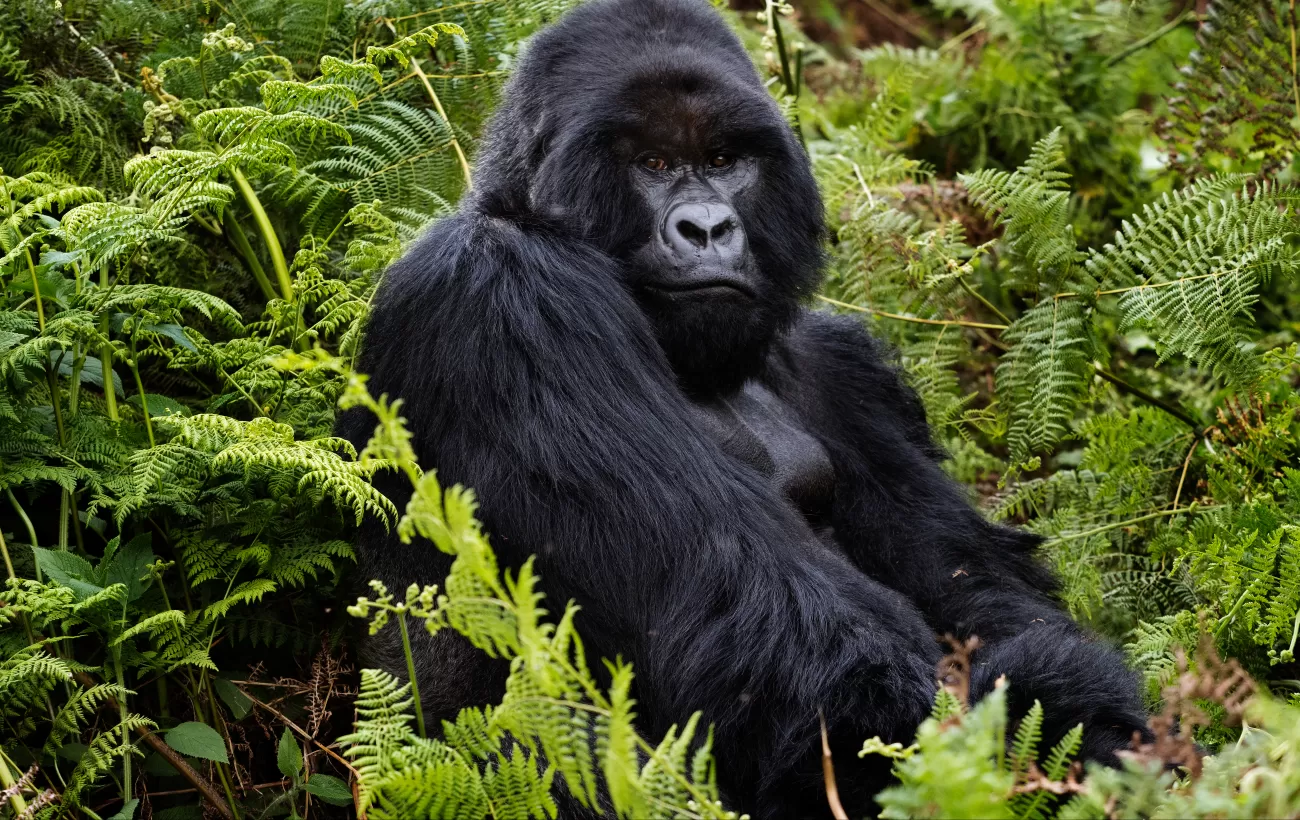
Three flagship protected areas anchor conservation efforts in Rwanda, each with distinct ecosystems and conservation challenges. Volcanoes National Park remains the most famous, protecting the endangered mountain gorillas that first captured global attention through the work of Dian Fossey. Spanning 160 square kilometres, this high-altitude park now supports over 480 gorillas, according to the latest 2022 census.
Further south lies Nyungwe National Park, a vast 970-square-kilometre expanse of montane rainforest that harbours 13 primate species including chimpanzees. Its importance extends beyond charismatic mammals; the forest acts as a critical water catchment for the region, feeding the Nile River basin. Recent studies show that canopy cover in Nyungwe has increased by 8 percent since 2010 thanks to targeted restoration projects.
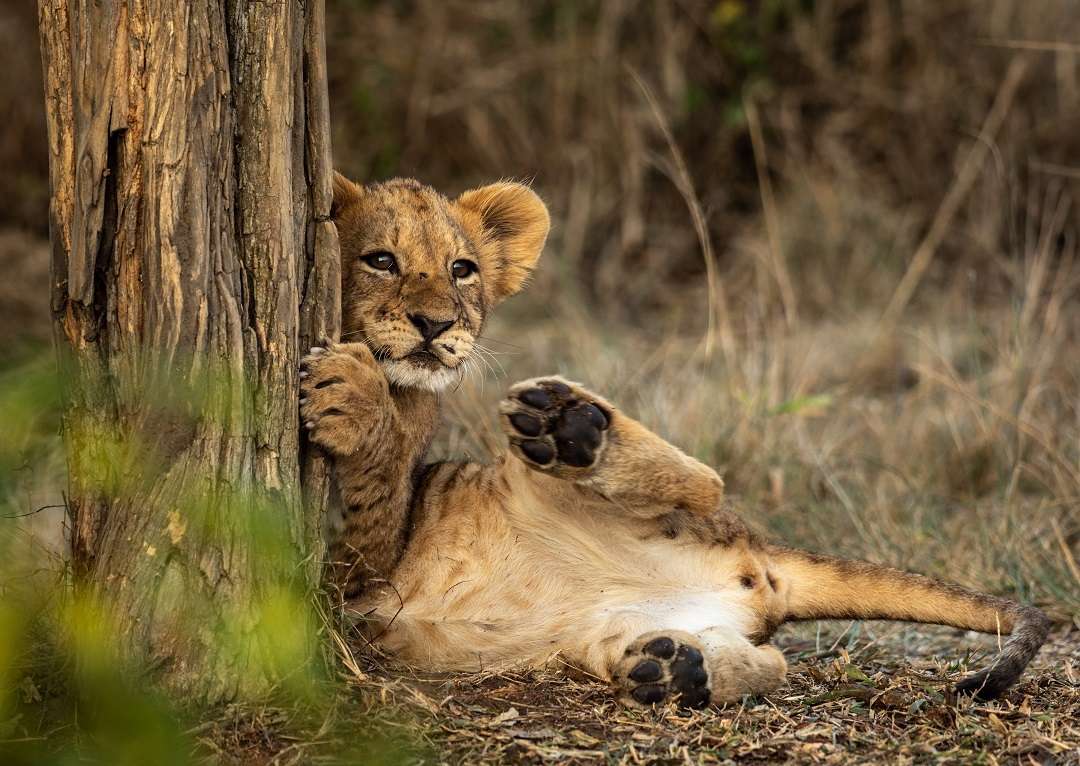
In the east, Akagera National Park tells perhaps the most remarkable recovery story. Completely emptied of large mammals during the civil war, the park has been painstakingly restocked. Today's visitors can see over 100 lions, more than 500 elephants, and the only population of black rhinos in the country. The park's wetland restoration programme, completed in phases between 2010 and 2015, has revived critical habitats for over 500 bird species.
Community Involvement in Protected Area Management
Modern Rwandan conservation recognises that parks cannot thrive in isolation. Around Volcanoes National Park, revenue-sharing schemes return 10 percent of tourism income directly to surrounding communities. These funds have financed schools, health centres, and agricultural cooperatives. Similar models operate around Nyungwe and Akagera, creating tangible links between wildlife protection and human wellbeing.
Community-Based Conservation Initiatives
At the heart of successful conservation in Rwanda lies a fundamental recognition: local people must benefit if protection efforts are to endure. The Rwanda Development Board has pioneered innovative approaches that blend traditional knowledge with modern science. In the buffer zones surrounding national parks, farmers now participate in agroforestry programmes that simultaneously boost crop yields and restore habitat connectivity.
One particularly effective model involves the establishment of community cooperatives focused on beekeeping, mushroom cultivation, and sustainable harvesting of forest products. These enterprises provide alternative income streams that reduce pressure on protected areas. Data from 2023 shows that households participating in these programmes have seen average income increases of 35 percent while reporting fewer incidents of human-wildlife conflict.
Education plays an equally vital role. School programmes reach over 50,000 children annually, teaching the importance of biodiversity through hands-on experiences. Adult education initiatives focus on sustainable land management techniques that help farmers increase productivity without expanding into forest areas. These community-based conservation initiatives represent some of the most measurable successes in Rwandan conservation.
When farmers see their children benefiting from conservation through better schools and healthcare, the forests transform from potential farmland into shared community assets.
Scientific Research and Monitoring Programmes
Rigorous science underpins all major conservation efforts in Rwanda. The Dian Fossey Gorilla Fund continues the longest-running gorilla study in the world, with data spanning more than five decades. Similar long-term monitoring occurs for chimpanzees in Nyungwe and large mammals in Akagera. These datasets provide crucial evidence for adaptive management strategies.
Technology increasingly supports these efforts. Camera traps, GPS collars, and drone surveys help researchers track animal movements and assess habitat health with unprecedented precision. A 2021-2023 camera trap survey in Nyungwe documented 87 mammal species, including several that had not been recorded for decades. Such findings demonstrate the effectiveness of anti-poaching measures and habitat restoration.
Climate change research forms another important pillar. Scientists are studying how rising temperatures affect altitudinal migration patterns of birds and primates. This information informs corridor creation and habitat management. The integration of citizen science, where local rangers and community members contribute observations, enriches these scientific endeavours and builds broader support for conservation in Rwanda.
Partnerships with International Organisations
Rwanda has cultivated productive relationships with global conservation bodies while maintaining national leadership. Organisations such as the World Wildlife Fund, the Jane Goodall Institute, and the International Gorilla Conservation Programme work alongside Rwandan institutions. These partnerships bring technical expertise and additional funding while ensuring that priorities remain locally determined.
Balancing Agriculture and Biodiversity Protection
With one of Africa's highest population densities at approximately 525 people per square kilometre, Rwanda faces intense competition for land. Conservation efforts in Rwanda therefore require sophisticated approaches to agricultural intensification. The government has promoted terracing, improved seeds, and precision farming techniques that allow farmers to produce more food from less land.
The Crop Intensification Programme, launched in 2007, has dramatically increased staple crop yields while reducing the need for agricultural expansion into sensitive ecosystems. Rice and maize production have more than doubled in many districts bordering protected areas. This agricultural success has been essential in gaining local support for conservation measures.
Yet challenges remain. Human-wildlife conflict continues in areas where elephants and buffalo raid crops. Innovative solutions include chilli fences, beehive barriers, and early warning systems using SMS alerts. These practical tools, developed through collaboration between farmers and scientists, demonstrate how conservation in Rwanda adapts to real-world conditions.
Measuring Success: Data and Future Challenges
The numbers tell a compelling story of progress. Mountain gorilla populations have grown from approximately 250 individuals in the 1980s to over 1,000 today across the Virunga landscape. Forest cover nationwide increased from 10 percent in 1990 to nearly 30 percent by 2022. Bird populations in restored Akagera wetlands have increased by an estimated 40 percent since rehabilitation began.
These gains have not gone unnoticed internationally. In 2021, Rwanda received the United Nations' highest environmental honour for its reforestation achievements. The country's model of integrating conservation with economic development offers valuable insights for other nations. However, success brings new challenges, including managing increased tourism pressure and addressing the impacts of climate change.
Looking ahead, Rwanda aims to expand its protected area network and strengthen habitat corridors between existing parks. Plans for a potential chimpanzee habituation programme in Nyungwe could provide new economic opportunities while requiring careful management to avoid stressing primate populations. The coming decades will test whether current conservation efforts in Rwanda can adapt to growing pressures while maintaining their remarkable momentum.
The true measure of Rwandan conservation lies not only in rising animal numbers but in the quiet confidence of communities who now see their natural heritage as a source of pride and prosperity.
Conclusion
Rwanda's journey from post-conflict environmental degradation to regional conservation leadership offers profound lessons about resilience and possibility. Through integrated approaches that value both scientific rigour and community wellbeing, the country has shown how conservation in Rwanda can deliver meaningful benefits for people and wildlife alike. The forests truly do tell a story of recovery and resolve.
For discerning travellers seeking a private safari beyond our set itineraries, we invite you to contact us directly. We specialise in designing exceptional, tailor-made journeys for individuals, couples, families, and private groups of up to eight guests. Drawing on our handpicked network of distinguished camps and lodges, we curate every detail with precision and care, creating a seamless, deeply personal safari experience shaped entirely around your preferences, pace, and budget.
Consider combining your exploration of Rwanda's conservation achievements with a visit to Volcanoes National Park or discovering the remarkable regeneration of Akagera National Park. Our specialists can design experiences that connect you meaningfully with both the wildlife and the communities protecting it. We also recommend reading our recent article on how community voices are reshaping conservation across East Africa to understand the wider regional context.
Whether you wish to track gorillas with expert guides, explore restored wetlands by boat, or simply understand the intricate relationship between Rwandan people and their natural heritage, contact Encounters Africa today. Let us help you witness firsthand how conservation efforts in Rwanda continue to write new chapters in the story of African environmental recovery.
More like this
conservation
Rwanda's Green Heart: A Journey Through Conservation and Safari
conservation
Sabi Sand: A Legacy of Luxury and Conservation
conservation
Safeguarding Africa's Black Rhinos: A Critical Conservation Journey
conservation
Safeguarding Katavi: A Deep Dive into Conservation Efforts
conservation
Safeguarding Kruger: A Deep Dive into Conservation Efforts
conservation