
tips and advice
Passport Rules and Visa Strategies for Crossing East African Safari Borders
Encounters Africa - 8 min read
Updated on 27 August 2026
Passport Rules and Visa Strategies for Crossing East African Safari Borders. Navigating visas, passport validity and health certificates across Kenya, Tanzania, Rwanda and beyond can feel daunting. This practical guide breaks down single-entry visa arrangements, required blank pages, yellow fever rules and the importance of verifying every detail with official sources before departure, because requirements frequently change. Encounters Africa is the specialist arm for safaris beyond Namibia, covering South Africa, Botswana, Kenya, Tanzania, Rwanda, Uganda, Zambia and Zimbabwe. Cape Town-based with three decades of combined experience, we book directly with camps and lodges, tailoring journeys for individuals, couples, families and private groups of up to eight using our 81 published itineraries that can all be reshaped. What paperwork do you need for a multi-country African safari? You will typically require a passport valid for at least six months beyond your return date, sufficient blank pages for stamps and visas, country-specific visas or e-visas where a single East African visa does not apply, and an International Certificate of Vaccination for yellow fever if you are arriving from or transiting through an infected area. Always cross-check current regulations with the relevant embassies or high commissions close to travel. Discover how these details shape seamless journeys by exploring our sample multi-country itinerary at our 14-day Namibia Botswana fly-in safari or browse more fly-in safari ideas at our collection of fly-in safari options.

Passport Validity: The Six-Month Rule That Guards Most Entries
Most countries in East and Southern Africa insist that your passport remains valid for at least six months from the date you plan to leave their territory. This buffer protects against unexpected delays and gives immigration officers confidence that you will not overstay.
Arrive with less than that remaining validity and you risk being turned away at the airport counter before you even clear customs. The rule applies uniformly whether you fly into Kenya, cross from Tanzania into Rwanda, or drive between South Africa and Botswana.
Nothing quite matches the quiet satisfaction of watching a border stamp land cleanly on a fresh page, knowing every detail was prepared months in advance.
Why Officials Enforce This Standard So Strictly
Immigration authorities view the six-month cushion as insurance against travellers becoming stranded abroad. Renewing a passport mid-journey in a remote African capital can prove both expensive and time-consuming.
Check your passport expiry now, then add the full length of your proposed safari plus six months. If any doubt lingers, renew early rather than gamble on an exception that may not exist.
Blank Pages: How Many Do You Actually Need?
Each entry and exit stamp claims space, and many visas still require a full page. A multi-country safari that hops between Kenya, Tanzania, Rwanda and Uganda can easily consume four to six pages in a fortnight.
Carry at least two completely blank facing pages for each new country on your route. Some officers refuse to place a visa sticker over an existing stamp, so generous white space prevents awkward conversations at the counter.
If your current passport is nearly full, consider an emergency second passport or renewal before departure. The small inconvenience of applying early far outweighs the risk of being denied boarding in Johannesburg or Nairobi.
Preparation transforms what could become stressful border moments into smooth passages that let you focus entirely on the wildlife ahead.
East Africa’s Single-Visa Arrangements: When One Document Covers Several Borders
The East African Community offers a useful single tourist visa that currently allows travel between Kenya, Uganda and Rwanda without separate applications. Approved in 2014, this visa is valid for 90 days and permits multiple entries within those three nations.
At the time of writing the cost sits at US$100 for most nationalities, but prices and participating countries can shift. Tanzania maintains its own visa regime, so travellers adding the Serengeti or Zanzibar must secure a separate Tanzanian visa or e-visa.
Practical Routing That Makes the Most of the Single Visa
Many of our journeys begin in Kigali, move through Volcanoes National Park for gorilla tracking, then cross into Uganda’s Bwindi Impenetrable Forest before returning via Kenya’s Masai Mara. The single visa simplifies this loop considerably.
Always confirm the latest participating countries and validity periods directly with the relevant high commissions. Requirements change with diplomatic negotiations, and what worked last dry season may need updating by the next migration.
Yellow Fever Certificate: The Health Document That Can Halt Your Journey
If you arrive from a country with active yellow fever transmission, or have simply transited through one for more than twelve hours, many East African nations will ask to see your International Certificate of Vaccination or Prophylaxis.
The certificate must be issued by an approved clinic and stamped accordingly. It becomes valid ten days after vaccination and remains effective for life for most travellers.
Even when not strictly required on paper, carrying the document removes any risk of last-minute quarantine or denial of entry. Keep the original in your hand luggage where it cannot be misplaced with checked bags.
A single yellow card, properly stamped, can open borders that otherwise remain firmly closed to the unprepared traveller.
What Paperwork Do You Need for a Multi-Country African Safari?
You will typically require a passport valid for at least six months beyond your return date, sufficient blank pages for stamps and visas, country-specific visas or e-visas where a single East African visa does not apply, and an International Certificate of Vaccination for yellow fever if you are arriving from or transiting through an infected area. Always cross-check current regulations with the relevant embassies or high commissions close to travel.
Visa Types and Application Timelines Worth Knowing
Most safari visitors now use e-visas that can be lodged online in advance. Processing times range from 48 hours in Kenya to up to two weeks for certain Rwandan permits during peak gorilla trekking months.
Print every approval email and keep digital copies on your phone. Some smaller border posts still prefer paper over QR codes, so redundancy protects against technical glitches.
For longer or more complex journeys that combine Southern and East Africa, individual country visas remain the norm. South Africa, Botswana and Zambia each maintain separate systems that do not currently fall under any single-visa umbrella.
Children and Dependants: Extra Considerations
Minors travelling with only one parent may need notarised consent letters from the absent parent. Birth certificates or passports listing both parents are often requested at immigration.
Check each destination’s rules individually, as standards differ. Our team regularly updates families on the latest requirements so nothing interrupts the excitement of their first safari sighting.
Why Entry Requirements Change and How to Stay Ahead
Health emergencies, political shifts and reciprocal agreements between nations can alter documentation demands overnight. What was accepted last year may require an additional PCR test or updated vaccination record next season.
The only reliable approach is to verify every detail with official embassy websites or your chosen safari operator no more than four weeks before departure. Treat any advice older than that with healthy caution.
Encounters Africa draws on three decades of combined experience to anticipate these nuances while designing seamless multi-country journeys. Because we book directly with the camps and lodges themselves, we can also adjust routing at short notice should a border regulation tighten unexpectedly.
Turning Paperwork into Peace of Mind
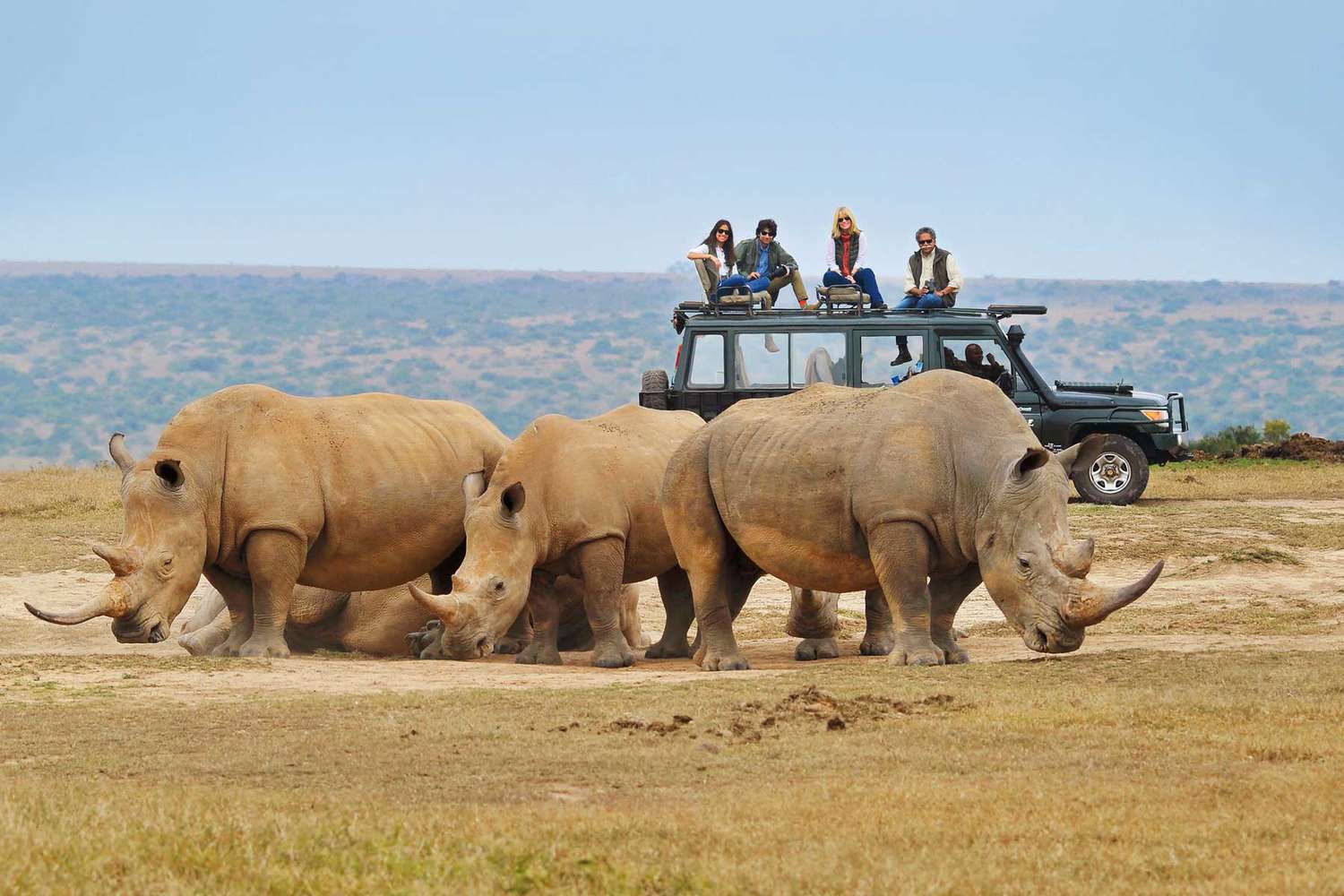
Once the documents sit neatly in your travel wallet, the real joy of a multi-country African safari begins. Each stamp becomes a marker on a journey that might carry you from the golden grasslands of the Masai Mara to the misty forests of the Virungas, or from the waterways of the Okavango to the thundering Zambezi.
With the correct passport validity, adequate blank pages, the right visas and your yellow fever certificate in order, you step off the aircraft ready to immerse yourself fully in the experience rather than worry about the next border.
For discerning travellers seeking a private safari beyond our set itineraries, we invite you to contact us directly. We specialise in designing exceptional, tailor-made journeys for individuals, couples, families, and private groups of up to eight guests. Drawing on our handpicked network of distinguished camps and lodges, we curate every detail with precision and care, creating a seamless, deeply personal safari experience shaped entirely around your preferences, pace, and budget.
Speak with our team today to begin shaping your own cross-border safari, whether it traces the Great Migration across Kenya and Tanzania or combines gorilla trekking in Rwanda with big-cat viewing in the South African bush. We look forward to ensuring every stamp in your passport leads to an unforgettable encounter with Africa.
More like this

tips and advice
Plan Your Stay at Mumbo Island Camp: Access, Packing and Daily Routines
tips and advice
Planning a Three-Generation Safari That Works for Everyone
tips and advice
Polar Days at Whichaway Camp: Shaping Expeditions Around Ice Flows and Midnight Light
tips and advice
Practical Connectivity Guide: African Safari Spots With Reliable High-Speed Internet

tips and advice
Practical Family Safari Planning: Ages, Vehicles and Malaria-Free Reserves

tips and advice