Tips & Advice
Important Steps Travelers Can Take to Bolster Zimbabwe's Wildlife Protection Efforts
Encounters Africa - 9 min read
Updated on 31 July 2026
Practical steps travelers can take to bolster Zimbabwe's wildlife protection efforts begin the moment you decide to visit this remarkable southern African country. With more than 80,000 elephants roaming its landscapes and one of the continent's strongest populations of black rhinos, Zimbabwe offers profound encounters that carry a responsibility to give back. From choosing lodges that directly fund ranger patrols to recognizing subtle signs of habitat stress during game drives, these targeted actions help visitors contribute meaningfully to the country's ongoing battle against poaching and land degradation.
Zimbabwe's conservation story is one of quiet determination. Protected areas cover roughly 27 percent of the nation's land, yet funding gaps and human-wildlife conflict continue to test even the most dedicated efforts. Encounters Africa has witnessed firsthand how informed, respectful travellers can become genuine partners in this work, turning every safari into an act of stewardship.
Understanding Zimbabwe's Conservation Landscape
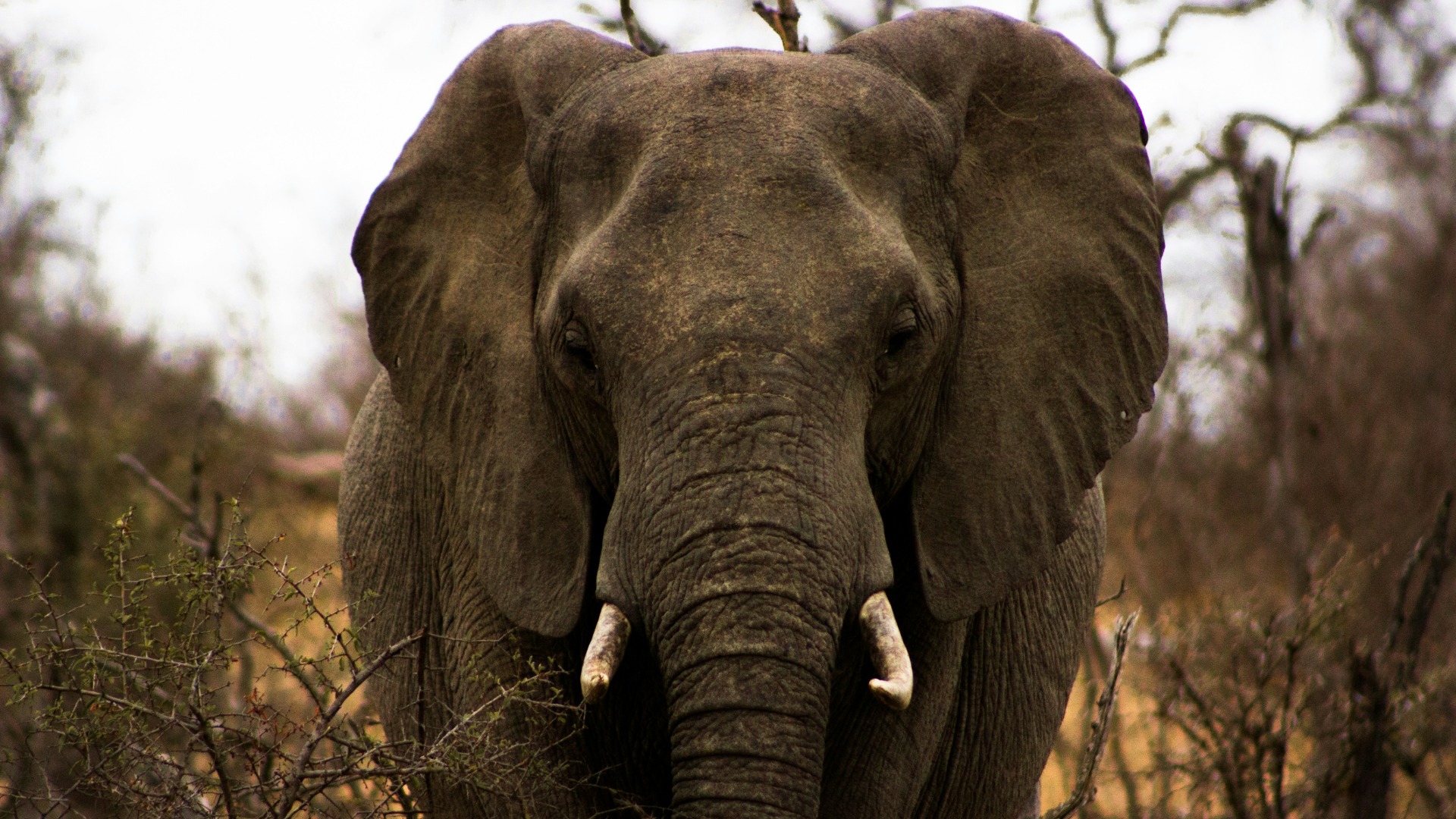
Zimbabwe stands as a crucial stronghold for African wildlife. Its vast wildernesses support around 100,000 elephants, representing nearly a quarter of the continental population, while black rhino numbers have grown from fewer than 500 in the early 1990s to over 700 today through intensive protection programmes.
The challenges remain significant. Poaching incidents, though reduced from their 2010s peak, still claim dozens of animals annually, while agricultural expansion presses against park boundaries. Community conservancies have emerged as a powerful response, linking local livelihoods to wildlife health in ways that benefit both people and animals.
The most meaningful safaris happen when visitors see themselves not as observers but as participants in landscapes that have sustained both wildlife and communities for generations.
These community models now protect more than two million hectares beyond formal national parks, creating vital corridors that allow elephants to move seasonally between Zimbabwe and neighbouring countries. Understanding this interconnected system helps travellers make choices that strengthen rather than strain these delicate balances.

Choosing Accommodations That Support Anti-Poaching Directly
Where you stay matters enormously in Zimbabwe. Many distinguished camps channel a percentage of their revenue straight into anti-poaching units, vehicle maintenance, and ranger training. Chobe Game Lodge, for instance, works closely with local authorities to support patrols along the Zambezi corridor, while properties in Hwange contribute to waterhole maintenance that benefits both wildlife and monitoring teams.
Look for lodges that publish transparent reports on their conservation spending. Genuine partners will happily share details about how guest contributions translate into boots on the ground, from purchasing thermal imaging equipment to funding community scouts who patrol the boundaries of private reserves.
Encounters Africa carefully selects its portfolio to ensure every property demonstrates measurable impact. When you book through us, you know your presence directly supports Zimbabwe's wildlife protection efforts rather than simply passing through its landscapes.
Questions to Ask Before Booking
Thoughtful enquiries reveal a lodge's true commitment. Ask how many anti-poaching rangers their fees support annually, whether they employ local community members in conservation roles, and if they participate in national monitoring programmes. Properties that integrate these practices view such questions as opportunities to share their work.
Consider also how the camp manages its own environmental footprint. Solar power, waste recycling, and water conservation measures indicate a broader ethos of care that typically extends to wildlife protection. These operational choices often correlate with stronger anti-poaching partnerships.
Recognising Signs of Habitat Stress and Poaching Activity
Developing a keen eye during game drives transforms you from passive viewer to active guardian. Freshly cut snare wire glinting in the grass, vehicle tracks leading away from established roads, or trees stripped of bark in unusual patterns can all signal trouble. Zimbabwean guides excel at reading these subtle indicators, and paying close attention to their explanations builds your own awareness.
Elephants offer particularly revealing insights into ecosystem health. When you notice herds spending unusually long periods at water sources or showing signs of nutritional stress through poor body condition, these observations can be shared with camp managers who feed data into national monitoring systems.
In Zimbabwe's wild places, the smallest observations often carry the largest implications for how we understand and protect these complex systems.
Learn to distinguish between natural wear on vegetation and the systematic damage caused by illegal resource extraction. Guides in Hwange National Park can teach you to recognise the difference between elephant browsing and human fuelwood collection that fragments critical habitats.
Practical Actions During Your Safari in Zimbabwe
Follow your guide's instructions meticulously, particularly regarding vehicle positioning and noise levels. These protocols exist not merely for your comfort but to minimise disruption to animals already navigating multiple pressures. Never pressure guides to approach animals too closely or leave designated tracks, even when spectacular sightings tempt you to bend the rules.
Resist the urge to share precise GPS coordinates of rare sightings on social media. In Zimbabwe, this practice has occasionally helped poachers locate valuable targets. Instead, celebrate the experience without compromising the animal's safety through digital breadcrumbs.
Consider participating in citizen science initiatives offered by certain camps. Simple tasks like photographing individual animals for identification databases or recording water quality measurements at key pans contribute valuable data to long-term research projects.
How to Report Suspicious Activity Responsibly
If you witness something concerning, inform your guide or camp manager immediately rather than confronting anyone directly. Zimbabwe's conservation teams have established channels for processing visitor reports efficiently while protecting those who provide information. Your calm, factual account could prove instrumental in preventing harm.
Many lodges now offer guests the opportunity to join ranger patrols as observers, providing a deeper understanding of the daily realities of wildlife protection. These experiences, carefully managed to avoid compromising security, often become the most memorable aspects of a safari.
Supporting Community Conservation Initiatives
Zimbabwe's most resilient conservation models place local communities at their centre. When travellers purchase crafts directly from community enterprises or participate in cultural experiences run by conservancy members, they help demonstrate that living with wildlife brings tangible benefits.
Programmes that link tourism revenue to school improvements, health clinics, and livestock protection have dramatically reduced poaching in several regions. By choosing experiences that channel funds through these verified channels, visitors reinforce the economic argument for conservation.
Consider extending your journey beyond the traditional safari circuit to visit community projects near Zimbabwe. Meeting the people whose daily choices determine wildlife survival creates powerful connections that last long after your return home.

Reducing Your Environmental Impact in Zimbabwe's Fragile Landscapes
Pack light and reuse wherever possible. Many remote camps struggle with waste management, making every plastic bottle and wrapper a potential burden. Choose operators who demonstrate clear commitments to reducing single-use plastics and managing their environmental footprint responsibly.
Respect water as the precious resource it is in this often arid country. Short showers, full laundry loads, and conscious consumption honour both the wildlife that depends on limited water sources and the communities sharing those same resources.
Travel in smaller groups when possible. The intimate camps favoured by Encounters Africa not only offer more exclusive experiences but also place less cumulative pressure on sensitive environments and infrastructure.
Conservation in Zimbabwe succeeds through countless small decisions made by both residents and visitors who understand that every choice ripples across these shared landscapes.
What Makes Zimbabwe's Conservation Model Distinctive
Zimbabwe pioneered the CAMPFIRE programme in the 1980s, an approach that devolved wildlife management rights to local communities decades before similar models gained traction elsewhere. Though the programme has faced challenges, its core principle, that people must benefit from the wildlife on their land, continues to shape effective conservation strategies across the country.
Today's successes build on this foundation. Private conservancies adjacent to national parks have created landscapes where wildlife moves freely across thousands of square kilometres, supported by tourism revenue that funds both protection and community development. These models offer hope for scalable solutions across southern Africa.
The country has also maintained strong scientific research programmes even during difficult economic periods. Long-term studies in Mana Pools and Hwange provide some of Africa's most detailed data on elephant social structures, lion dynamics, and ecosystem responses to climate variation.
How to Prepare Before Your Journey
Research the specific conservation challenges facing the areas you plan to visit. Different regions face distinct pressures, from snare proliferation in certain woodlands to human-elephant conflict along agricultural boundaries. Understanding these local realities allows you to ask more perceptive questions and offer more relevant support.
Consider making a direct contribution to one of Zimbabwe's trusted conservation organisations before you travel. Even modest donations for fuel, equipment, or community projects multiply through the dedication of those working on the ground. Encounters Africa can suggest verified partners whose work aligns with your particular interests.
Pack with purpose. Binoculars, field guides, and a genuine curiosity about conservation challenges demonstrate respect for the work being done. Your engagement signals to guides and communities that visitors value not just the sightings but the systems that make them possible.
Carrying the Commitment Home
The true measure of a safari in Zimbabwe lies not in the photographs you take but in the difference you help sustain. Every informed choice, from selecting the right operator to sharing knowledge with fellow travellers, contributes to a collective effort that spans continents and generations.
Encounters Africa has spent years building relationships with the guides, conservationists, and community leaders who form the backbone of Zimbabwe's wildlife protection. We understand both the remarkable progress achieved and the persistent challenges that remain. For discerning travellers seeking a private safari beyond our set itineraries, we invite you to contact us directly. We specialise in designing exceptional, tailor-made journeys for individuals, couples, families, and private groups of up to eight guests. Drawing on our handpicked network of distinguished camps and lodges, we curate every detail with precision and care, creating a seamless, deeply personal safari experience shaped entirely around your preferences, pace, and budget.
By travelling thoughtfully with Encounters Africa, you become part of Zimbabwe's conservation story. Your journey helps secure the future of landscapes where elephants still move in their ancient patterns and where the next generation of both wildlife and people can thrive together.
More like this
Tips & Advice
Practical Strategies for Choosing and Booking Luxury Lodges in Tanzania
Tips & Advice
Practical Ways to Collaborate Effectively with Your Safari Guide
Tips & Advice
Practical Ways to Identify and Observe Rare Birds Across Kenya and South Africa
Tips & Advice
Smart Ways to Minimize Your Footprint and Maximize Wildlife Encounters on African Safaris
Tips & Advice
Practical Ways to Settle into Life at an African Game Lodge
Tips & Advice