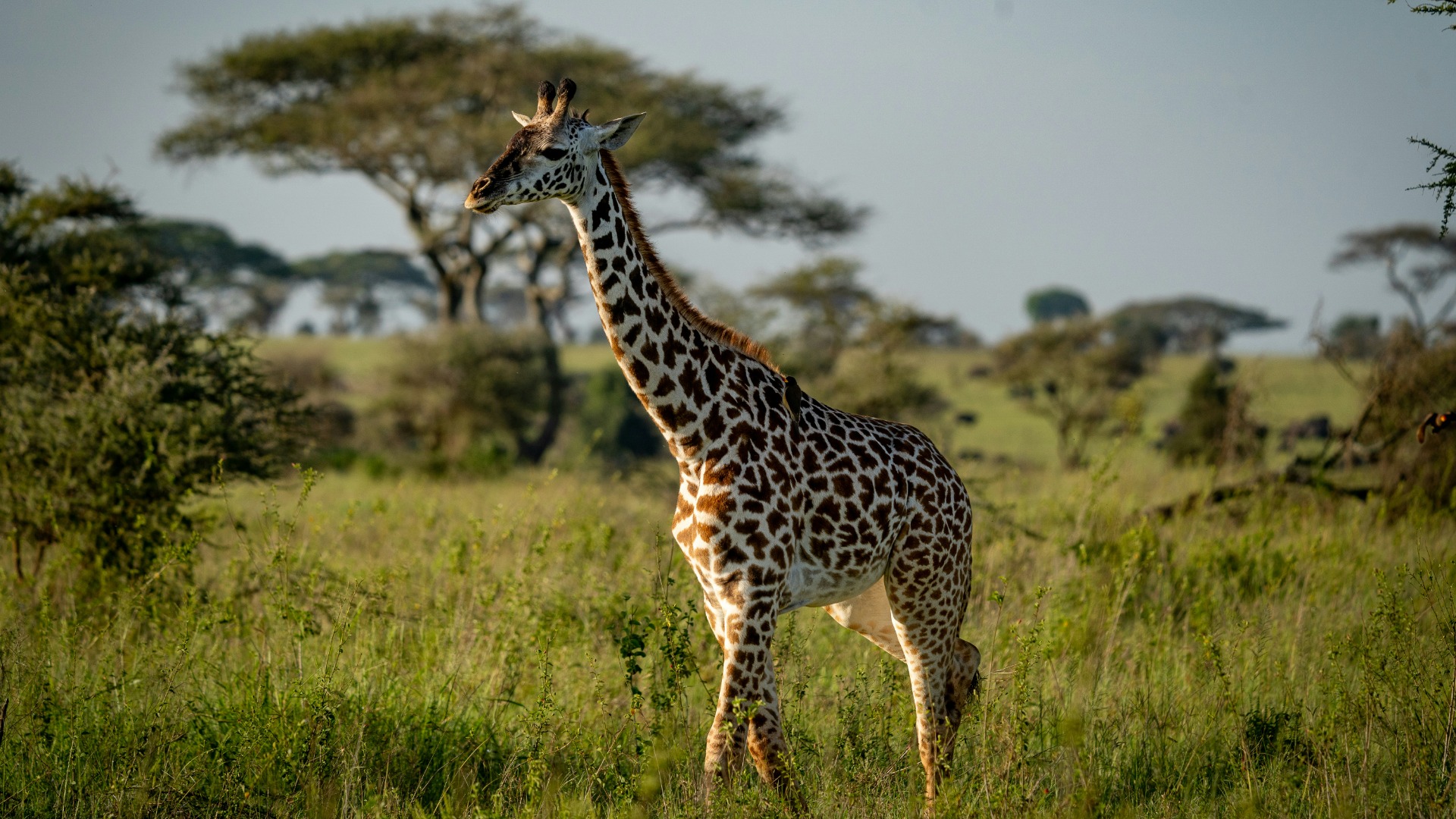
Tips & Advice
Smart Ways to Minimize Your Footprint and Maximize Wildlife Encounters on African Safaris
Encounters Africa - 10 min read
Updated on 7 August 2026
Practical ways to minimize your footprint and maximize wildlife encounters on African safaris begin with a shift in mindset. Rather than chasing dramatic spectacles, the most rewarding journeys come from moving gently through the landscape, allowing animals to reveal their natural behaviours on their own terms. This measured approach not only reduces disturbance to delicate ecosystems but deepens every sighting, creating memories that linger long after the dust settles. Across Kenya, Tanzania and beyond, thoughtful travellers who embrace these principles consistently report richer, more authentic experiences while actively supporting the conservation of the very wildlife they have come to see.
A responsible safari traveller leaves behind almost no trace while gaining profound insights into Africa's wild places. By adjusting vehicle positioning, observing quiet hours, and contributing directly to ranger initiatives, you help protect fragile habitats and improve the quality of encounters for everyone who follows. The following guidance draws on decades of collective experience guiding discerning travellers through Southern and East African wilderness areas.
Understanding Your Impact on African Wildlife
Every vehicle movement, voice raised above a whisper, and flash of light carries potential consequences for the animals sharing their territory. A herd of elephants may appear unconcerned, yet subtle ear flares or trunk twitches often signal rising stress levels invisible to the untrained eye. Recognising these cues allows you to maintain respectful distance, typically 25 metres for most large mammals and considerably further for predators with young.
Noise travels far across open savannah and through dense woodland alike. A single loud conversation or slammed car door can interrupt critical behaviours such as hunting, mating displays or nursing. The cumulative effect of multiple vehicles disregarding these boundaries fragments natural patterns that have evolved over millennia. When entire groups of travellers commit to silence and stillness, the bush seems to exhale, and animals resume their rhythms with visible relaxation.
The quietest vehicles often witness the most intimate moments. A leopard draped along a branch may remain for hours when no voices break the morning hush, offering prolonged observation that noisy groups will never experience.
The Science Behind Minimal Disturbance
Research conducted in the Masai Mara National Reserve shows that vehicles maintaining a 30-metre buffer allow lions to increase their hunting success rate by up to 18 percent compared with crowded sightings. Similar studies in the Okavango Delta demonstrate that breeding herds of elephants spend 40 percent less time in vigilant postures when approached with engines switched off and voices kept to murmurs. These statistics translate directly into healthier wildlife populations and more satisfying encounters for those who understand the connection.

Choosing Operators Who Prioritise Conservation
Your choice of safari operator shapes not only the quality of your experience but the financial health of the landscapes you visit. Reputable companies channel a significant percentage of revenue directly into anti-poaching, habitat restoration and community development. Look for operators transparent about their conservation levies and able to demonstrate measurable outcomes from visitor contributions.
Encounters Africa maintains close partnerships with camps and lodges that exceed industry standards for environmental stewardship. Properties such as Duba Plains Camp in Botswana and those supporting the Mara North Conservancy in Kenya exemplify the model of tourism that actively repairs rather than merely visits wilderness areas. When booking, ask specifically about their vehicle-to-guide ratios, fuel consumption policies and community investment programmes.
Questions to Ask Before You Book
Thoughtful preparation begins with targeted enquiries that reveal an operator's true priorities. Inquire about their policy on off-road driving, maximum number of vehicles at a sighting, and whether they participate in long-term ecological monitoring. Operators who hesitate to provide clear answers may not align with the low-impact philosophy that defines exceptional safaris.
Request details about their carbon offsetting programme and how they manage waste in remote areas
Ask about guide training standards and whether naturalist guides receive ongoing conservation education
Confirm their commitment to employing and training staff from neighbouring communities
Establish whether they limit group sizes to ensure personalised, low-impact experiences
Practical Behaviour During Game Drives
The most effective way to minimise disturbance lies in small, consistent adjustments to how you occupy the vehicle. Position yourself to observe without needing constant repositioning of the car. Keep movements slow and predictable. Allow your guide to decide when and how to approach animals based on their intimate knowledge of individual behaviours and current conditions.
Resist the urge to stand up for photographs unless invited. Sudden changes in silhouette can startle sensitive species, particularly those habituated to vehicles remaining at consistent heights. Many seasoned guides now carry bean bags and specialised camera supports precisely so guests can remain seated while capturing memorable images.
True connection with wild Africa happens in stillness. The moments when a cheetah mother brings her cubs within metres of a silent vehicle create memories far more powerful than any checklist sighting achieved through aggressive pursuit.
Reading Animal Body Language
Learning to interpret subtle signals transforms you from passive observer to respectful participant in the unfolding drama of the bush. A tail held horizontally rather than vertically in impala signals heightened alertness. Elephants spreading their ears wide while facing your direction are requesting more space. These cues, once recognised, allow you to adjust your position before guides need to intervene, demonstrating genuine respect for the animals' comfort.
Respecting Camp Quiet Hours and Night-time Protocols
Many of Africa's most magical wildlife moments occur between dusk and dawn when nocturnal species emerge. Camps deliberately maintain strict quiet hours to allow both guests and wildlife to rest and move naturally around the property. Walking to your tent after dark should be done in companionable silence with your guide, using only the minimum necessary light.
Resisting the temptation to check your phone or use a bright torch preserves the natural darkness that many creatures rely upon for navigation and hunting. The soft glow of a paraffin lantern or carefully shielded head-torch provides sufficient illumination while maintaining the integrity of the nocturnal environment. These small considerations contribute to the authentic wilderness experience that distinguishes exceptional safaris from ordinary ones.
Maximising Night Drive Opportunities
When night drives are offered, they present unique opportunities to observe species rarely seen during daylight hours. Following your guide's instructions regarding spotlight use prevents unnecessary disturbance to animals' eyes. Many properties now employ red filters on spotlights precisely because this wavelength causes less visual disruption while still allowing guests to appreciate the remarkable diversity of nocturnal life.
Supporting Ranger-Led Initiatives and Community Projects
The most impactful travellers go beyond simply following rules to actively contribute to the protection of the areas they visit. Many lodges offer opportunities to join conservation teams on monitoring patrols, contribute to camera trap surveys, or participate in educational programmes with local schools. These experiences provide fascinating insights while ensuring your visit delivers tangible benefits.
Direct financial contributions to specific projects create measurable impact. Whether funding the purchase of new anti-poaching equipment, supporting habitat restoration initiatives, or helping establish wildlife corridors, these targeted donations strengthen the foundation upon which all safari experiences depend. Ask your host how best to direct additional support during your stay.
Understanding Conservation Fees and Their Impact
Park fees and conservation levies represent one of the most direct ways visitors contribute to wildlife protection. In many areas, up to 70 percent of these funds support on-the-ground conservation work, including ranger salaries, vehicle maintenance and community outreach programmes. Choosing destinations and operators that transparently allocate these resources ensures your presence genuinely strengthens rather than strains local ecosystems.
Every responsible choice ripples outward. When travellers prioritise low-impact operators, they create market demand for higher standards across the entire safari industry, ultimately benefiting both wildlife and the communities who depend upon healthy ecosystems for their livelihoods.
Photography Ethics That Enhance Rather Than Intrude
Responsible wildlife photography on safari celebrates natural behaviour without influencing it. This means leaving drones at home in most protected areas, never using artificial calls or bait, and resisting the pressure to capture every sighting from multiple angles if doing so requires excessive vehicle movement. The most powerful images often emerge from patient observation rather than pursuit.
Sharing your photographs through platforms that support conservation organisations multiplies the impact of your images. Many professional photographers now allocate a percentage of print sales or licensing fees to the specific reserves where their work was created. This creates a virtuous circle where the act of documenting wilderness directly contributes to its protection.
Essential Gear Considerations
Thoughtful equipment choices reflect respect for the environment you are visiting. Compact, lightweight binoculars reduce the overall load on vehicles and guides. Reusable water bottles and coffee cups eliminate unnecessary plastic waste. Even selecting neutral-coloured clothing in muted tones helps vehicles blend more naturally into the landscape, potentially allowing closer approaches without alarming wildlife.

Common Questions About Responsible Safari Travel
What is the single most important thing I can do to minimise my impact on safari? Maintain silence and stillness whenever animals are nearby. This simple practice consistently yields the most profound encounters while reducing stress on the wildlife you have travelled so far to observe.
How can I be certain my safari fees are actually supporting conservation? Choose operators who provide transparent reporting on how visitor revenue is allocated. Reputable companies willingly share details about specific projects funded by tourism income, from borehole maintenance in arid regions to school construction in neighbouring communities.
Is it possible to have a luxurious safari while still treading lightly? Absolutely. Many of Africa's finest camps and lodges have pioneered models that combine exceptional comfort with exemplary environmental stewardship. Properties that generate their own solar power, recycle water and employ almost exclusively from local communities prove that luxury and responsibility can enhance rather than contradict one another.
Cultural Respect and Community Engagement
African safaris unfold within living cultural landscapes where traditional communities have coexisted with wildlife for generations. Taking time to learn basic greetings in local languages, asking permission before photographing people, and engaging respectfully with staff creates meaningful connections that enrich every aspect of your journey. Many lodges facilitate visits to nearby villages where travellers can purchase crafts directly from makers, ensuring that tourism benefits extend beyond the wildlife areas themselves.
Understanding the complex relationship between local people and wildlife provides essential context for your safari. In many regions, community conservancies now protect more land than formal national parks, making local support crucial for long-term conservation success. When travellers demonstrate genuine interest in these human stories alongside the animal encounters, they participate in a more complete and satisfying experience of Africa.
Conclusion
The most memorable African safaris balance excitement with restraint, curiosity with respect, and comfort with consciousness. By embracing these practical approaches to minimising your footprint, you not only enhance your own experience but contribute meaningfully to the preservation of these extraordinary landscapes for future generations. The animals seem to sense the difference. In the presence of truly attentive travellers, they often display more natural behaviours, remain visible longer, and sometimes even approach with evident curiosity rather than caution.
For discerning travellers seeking a private safari beyond our set itineraries, we invite you to contact us directly. We specialise in designing exceptional, tailor-made journeys for individuals, couples, families, and private groups of up to eight guests. Drawing on our handpicked network of distinguished camps and lodges, we curate every detail with precision and care, creating a seamless, deeply personal safari experience shaped entirely around your preferences, pace, and budget.
Begin your journey towards a more meaningful connection with Africa by reaching out to Encounters Africa today. Our team of specialists looks forward to crafting an experience that respects both your desire for exceptional wildlife encounters and the delicate ecosystems that sustain them. Whether exploring the vast horizons of the Masai Mara or the intimate waterways of the Okavango Delta, your thoughtful approach will ensure that the wild places you visit remain as magical for those who follow as they were for you.
More like this
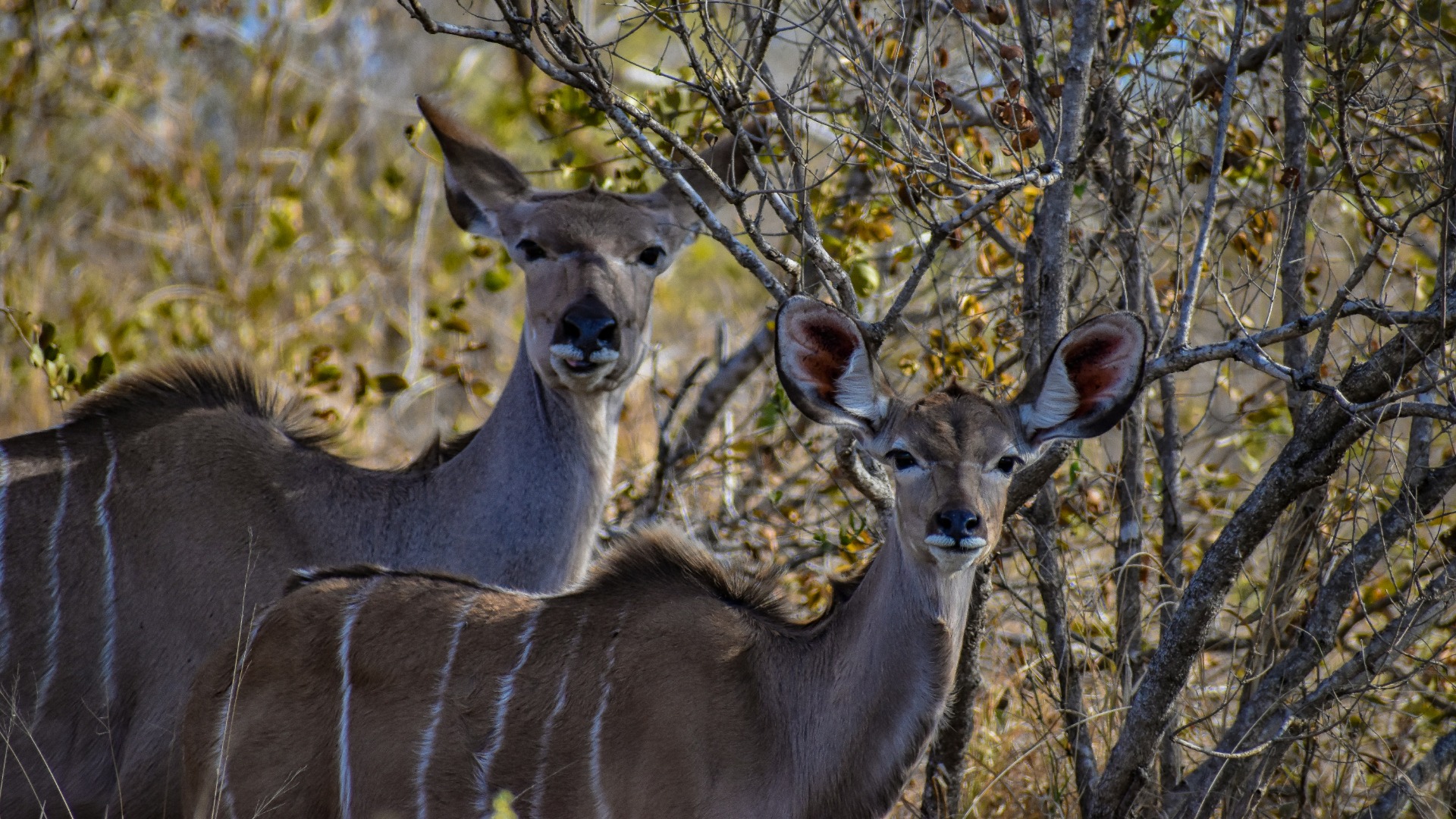
Tips & Advice
Practical Ways to Settle into Life at an African Game Lodge
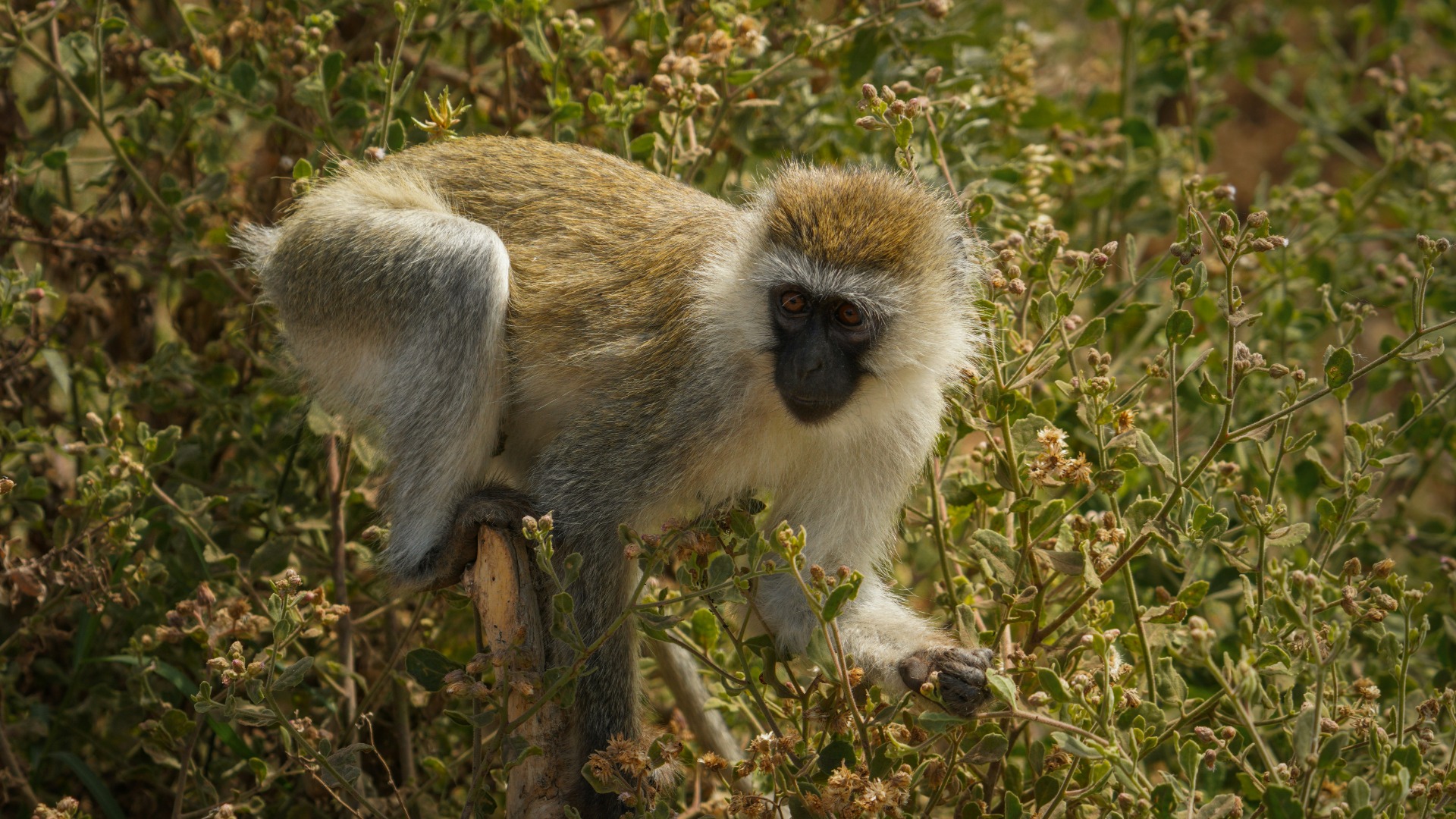
Tips & Advice
Practical Ways Travelers Can Aid Uganda's Gorilla Conservation Efforts
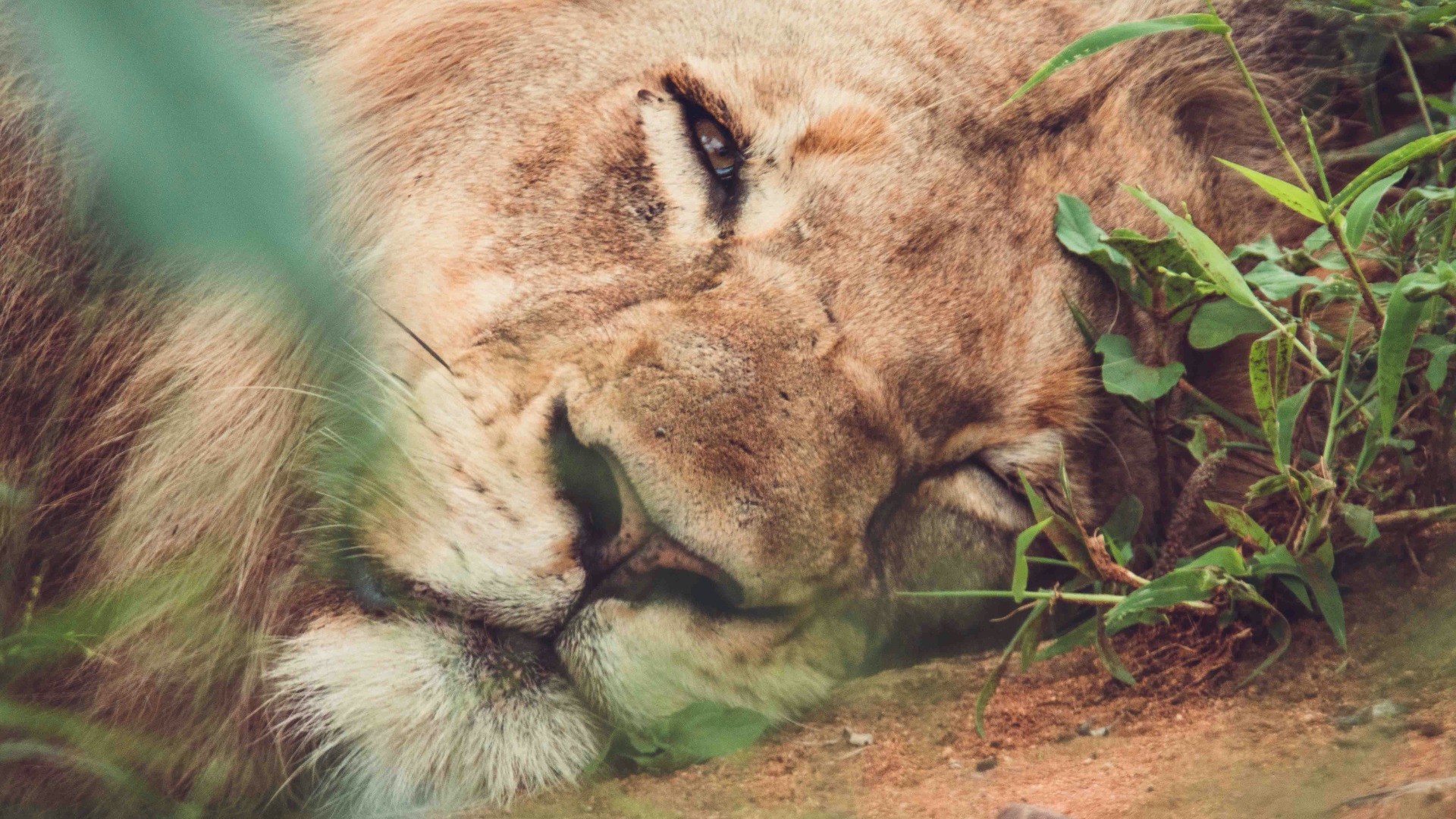
Tips & Advice
Practical Ways Travelers Can Reduce Their Footprint on Kenyan Wildlife Corridors
Tips & Advice
Smart Choices That Support Zimbabwe’s Wildlife Guardians on Safari
Tips & Advice
Smart Moves Every Traveler Should Make When Tracking Kenya's Big Five
Tips & Advice