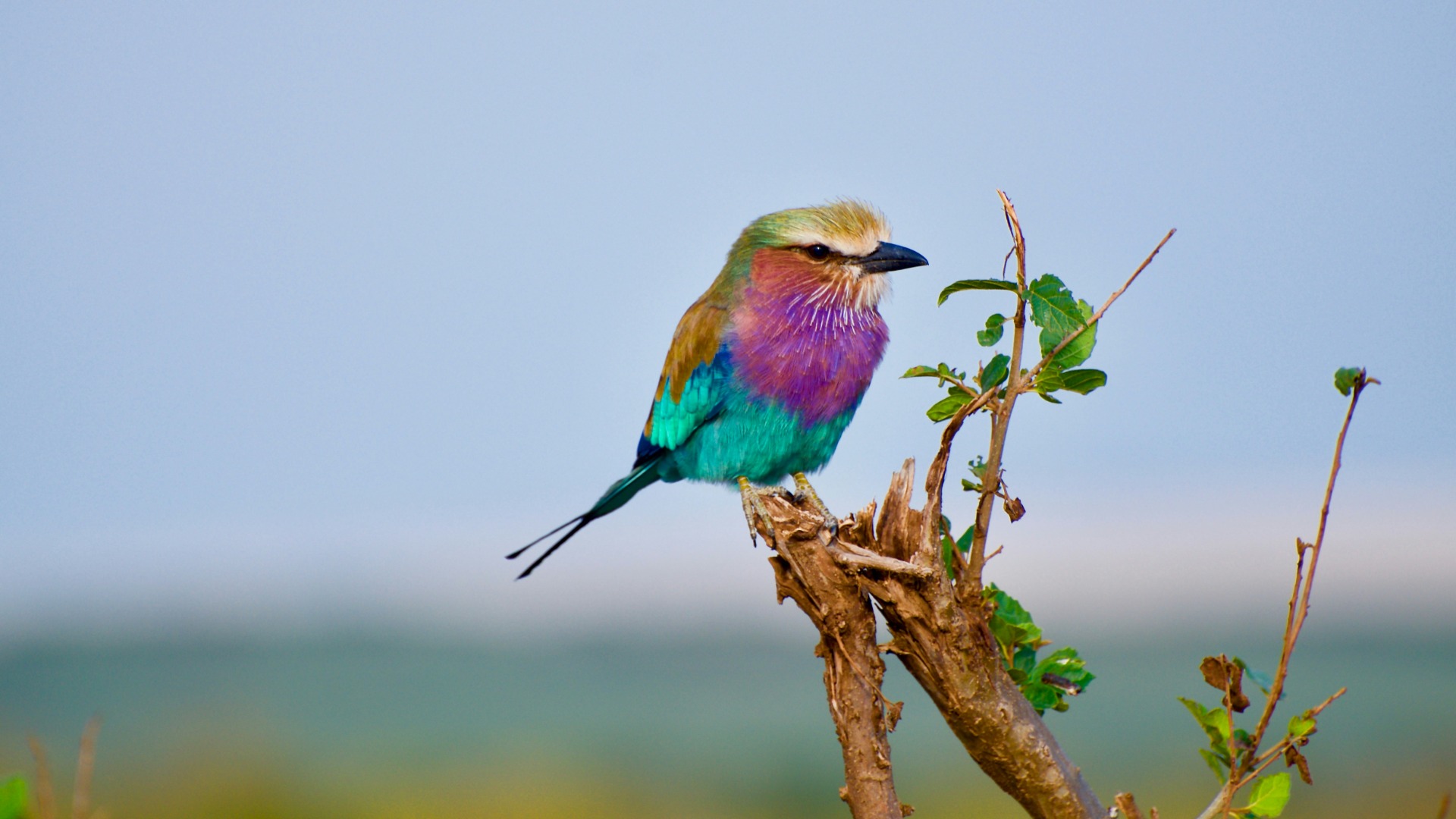
Tips & Advice
Practical Ways to Identify and Observe Rare Birds Across Kenya and South Africa
Encounters Africa - 11 min read
Updated on 11 August 2026
Birdlife in African countries offers some of the richest and most varied avian encounters on the planet, particularly across Kenya and South Africa where over 1,100 species have been recorded between them. From the vast flamingo congregations numbering up to two million at Lake Nakuru to the striking endemic birds of the Cape fynbos, these destinations provide exceptional opportunities for travellers passionate about observing rare and beautiful species. This guide shares practical ways to identify and observe rare birds across Kenya and South Africa, ensuring your sightings are both rewarding and respectful to the delicate ecosystems that support them.
The best time to visit Kenya for birdwatching is during the northern hemisphere winter from November to April, when millions of migratory species arrive from Europe and Asia, swelling local populations. In South Africa, the period from September to March brings ideal conditions in the Western Cape and KwaZulu-Natal, with breeding activity at its peak. Understanding these seasonal patterns helps travellers time their journeys to coincide with peak diversity and activity.
Approaching birds with patience and quiet observation transforms a simple sighting into a profound connection with the intricate web of African wilderness.
Choosing the Right Season and Location for Rare Bird Sightings
Timing remains one of the most important factors when planning to observe rare birds. In Kenya, the soda lakes of the Rift Valley, including Lake Nakuru, attract lesser and greater flamingos in their hundreds of thousands between November and March. This spectacle draws bird enthusiasts from around the world, but the true rewards often lie in the surrounding acacia woodlands where species such as the Hartlaub's turaco and Narina trogon can be found.
South Africa's Cape Peninsula and the adjacent fynbos biome harbour 17 endemic bird species, many of which are most active during the southern spring. The striking protea canary and Cape rockjumper are particular highlights for those exploring the mountainous areas around Cape Town. Further east, the subtropical forests of the Garden Route and the wetlands of iSimangaliso provide habitat for the endangered African penguin and the cryptic spotted ground thrush.
Private concessions and conservancies often offer superior opportunities compared with busy national parks because visitor numbers are limited. Properties such as those in the Mara North Conservancy allow for early morning and late afternoon excursions when birds are most vocal and visible. Similarly, several well-positioned lodges in the Eastern Cape provide access to both coastal and inland habitats within a single stay.
Understanding Migration Patterns
More than 200 bird species migrate to East Africa each year, arriving as the rains begin in October and November. The European bee-eater, white stork and various waders transform the landscape with their presence. Knowing the expected arrival windows helps travellers anticipate which species might appear during their journey.
In South Africa, the arrival of intra-African migrants such as the African paradise flycatcher signals the change of seasons. These predictable patterns allow experienced guides to position vehicles or walking groups in locations where specific birds are likely to appear.

Essential Optics and Equipment for Bird Identification
Quality binoculars represent the single most important piece of equipment for anyone hoping to identify and observe rare birds. A magnification of 8x or 10x with an objective lens of at least 42mm provides the ideal balance between brightness, field of view and manageable weight for extended days in the field. Brands offering nitrogen-filled, waterproof models perform best in the variable African climate.
A field guide specific to the region is equally valuable. For Kenya, the Birds of East Africa by Stevenson and Fanshawe remains the standard reference, while Roberts Birds of Southern Africa serves travellers heading to South Africa. Many modern travellers also use smartphone apps that include bird calls, which prove particularly helpful when trying to distinguish between similar-looking species.
Photography enthusiasts should consider a telephoto lens of at least 400mm, paired with a sturdy tripod or beanbag for vehicle-based observation. However, the most skilled observers often leave the camera behind on their first few outings, allowing them to focus entirely on learning shapes, colours, behaviours and calls without the distraction of technical settings.
The quiet click of a binocular focus ring can sometimes reveal more than the loudest camera shutter ever could.
What to Pack Beyond Binoculars
A small notebook or voice recording app helps document observations, especially when several similar species might be present. A lightweight rain jacket in a neutral colour doubles as protection from sudden showers and as additional camouflage. Comfortable, quick-drying clothing in khaki, olive or soft brown tones helps travellers blend into the environment rather than stand out.
Consider bringing a small pair of compact binoculars for use around camp or during forest walks where a full-sized pair might prove cumbersome. A head torch with a red light setting allows early morning preparation without disturbing roosting birds nearby.
Developing Skills to Identify Birds by Sight and Sound
Learning to identify birds involves training both the eye and the ear. Start by focusing on size, shape and silhouette before moving on to detailed plumage. The distinctive upright posture of a secretarybird or the hovering flight of a malachite kingfisher can often identify a species before colour patterns become clear.
Bird calls offer even more reliable clues, particularly in dense vegetation. The explosive call of the African fish eagle carries for kilometres across wetlands, while the liquid notes of the black-headed oriole are a signature sound of acacia woodland. Recording unfamiliar calls and comparing them later with reference material accelerates learning dramatically.
Guides at quality lodges often possess remarkable ability to distinguish species by sound alone. Travellers who listen carefully to their explanations and ask questions about vocalisations return from their journeys with far greater knowledge than those who focus solely on visual sightings.
Common Confusions and How to Avoid Them
Many first-time visitors struggle to separate the various weavers, sunbirds and cisticolas. Learning the habitat preferences of each species helps narrow down possibilities. A sunbird seen in the arid regions of the Karoo is far more likely to be a southern double-collared than a collared sunbird, which prefers coastal forests.
Pay close attention to behaviour. The way a bird forages, its flight pattern, and how it interacts with others often provides more definitive identification clues than a brief glimpse of plumage.
Responsible Observation Techniques That Protect Bird Habitats
Approaching birds demands patience and consideration. Maintain a minimum distance of 25 metres from most species and significantly more from nesting colonies or endangered birds. Sudden movements or loud conversation can cause birds to abandon feeding areas or, worse, desert nests.
Early morning and late afternoon offer the best conditions for observation, when temperatures are cooler and birds are more active. During these times, the golden light also enhances the visibility of subtle plumage details that might be lost in harsh midday sun.
When walking in forest or thicket areas, move slowly and pause frequently. Many of the most sought-after species, such as the green-headed oriole in Kenyan forests or the Knysna woodpecker in South African coastal woods, are more likely to approach curious travellers who remain still than those who press constantly forward.
True appreciation of Africa's birdlife comes not from collecting long species lists but from watching individual birds going about their lives undisturbed.
Supporting Conservation Through Observation
Many of the specialised lodges and conservancies that offer exceptional birdwatching contribute directly to habitat protection. Choosing operators that support local bird monitoring programmes or employ community guides creates positive impact beyond the immediate experience.
Several organisations across both countries run citizen science projects where visitor observations contribute to national databases. The Kenya Bird Atlas Project and the Southern African Bird Atlas Project welcome records from travelling birdwatchers, turning personal sightings into valuable scientific data.
Working Effectively with Expert Guides and Local Knowledge
The most rewarding birdwatching experiences almost always involve skilled local guides who understand both the birds and the landscapes they inhabit. These experts can imitate calls to draw shy species into view and know the precise locations of nesting sites that change from season to season.
When travelling with Elewana Elsa's Kopje Meru in Kenya or staying at properties in the Addo Elephant National Park region, request specific birdwatching drives or walks. Many camps maintain detailed sighting records that help guests target particular species during their stay.
Communicate your interests clearly at the beginning of your journey. Guides appreciate guests who demonstrate genuine curiosity rather than simply wanting to tick species off a list. Those who ask thoughtful questions and show appreciation for ecological connections often receive the most dedicated attention.
Maximising Time in the Field
Requesting a private vehicle when possible allows greater flexibility to stop for extended periods when interesting birds appear. In smaller groups, guides can adjust the pace and duration of excursions to suit the energy and interests of those on board.
Consider combining morning and evening activities with a midday session at a waterhole or feeding station. Many lodges in South Africa have set up small water features that attract a surprising variety of species throughout the day.

Common Questions About Birdwatching in Kenya and South Africa
What is the best time to visit for birdwatching in Kenya and South Africa? The optimal period for Kenya runs from November to April when Palearctic migrants boost species counts significantly. For South Africa, September to March offers excellent conditions across most regions, with the Western Cape particularly productive during the southern spring from September to November.
How many bird species can I realistically expect to see? Dedicated birdwatchers staying two weeks and visiting several habitats in Kenya regularly record between 300 and 450 species. In South Africa, a similar itinerary across diverse biomes might yield 250 to 400 sightings, depending on the precise route and seasonal conditions.
Do I need previous birdwatching experience? Not at all. Many travellers develop their interest during their first African journey. Knowledgeable guides can explain identification features in accessible ways, and the sheer abundance of birds makes the learning process enjoyable rather than intimidating.
Is photography essential for enjoying birdlife? While capturing images can enhance the experience for some, many of the most memorable moments come from simply watching birds through binoculars. The behaviour, calls and interactions often create more lasting impressions than photographs alone.
Capturing Memories While Respecting Wildlife
When photographing birds, prioritise the welfare of your subjects above the perfect image. Avoid using artificial calls to lure already-stressed individuals, and never leave established tracks or roads to pursue a sighting. The most compelling photographs usually result from patience rather than pursuit.
Consider joining one of the specialist birding safaris offered by Encounters Africa, which are designed around the needs of keen observers rather than general game viewing. These journeys visit key sites at optimal times and include guides with particular expertise in avian identification.
Deepening Your Connection with African Birdlife
The extraordinary diversity of birds across Kenya and South Africa offers far more than a simple checklist experience. Each sighting contributes to a broader understanding of the complex ecosystems that support not only avian life but the entire web of wilderness that makes these countries so special.
By approaching birdwatching with respect, preparation and genuine curiosity, travellers gain access to some of the most intimate and rewarding aspects of the African landscape. The flash of a narina trogon through the forest canopy or the haunting call of a fiery-necked nightjar at dusk creates memories that last far longer than any photograph.
For discerning travellers seeking a private safari beyond our set itineraries, we invite you to contact us directly. We specialise in designing exceptional, tailor-made journeys for individuals, couples, families, and private groups of up to eight guests. Drawing on our handpicked network of distinguished camps and lodges, we curate every detail with precision and care, creating a seamless, deeply personal safari experience shaped entirely around your preferences, pace, and budget.
Whether your interest lies in the spectacular congregations at Lake Nakuru, the endemic species of the Cape, or the elusive forest birds of the highlands, Encounters Africa can craft an itinerary that brings you closer to the remarkable birdlife of these extraordinary countries. Visit our enquiry form to begin planning your own journey of discovery.
Related reading: Discover more about responsible wildlife encounters in our guide to minimising your footprint on safari, or explore the seasonal rhythms of East African ecosystems in our article on Tarangire's seasonal transformations.
More like this
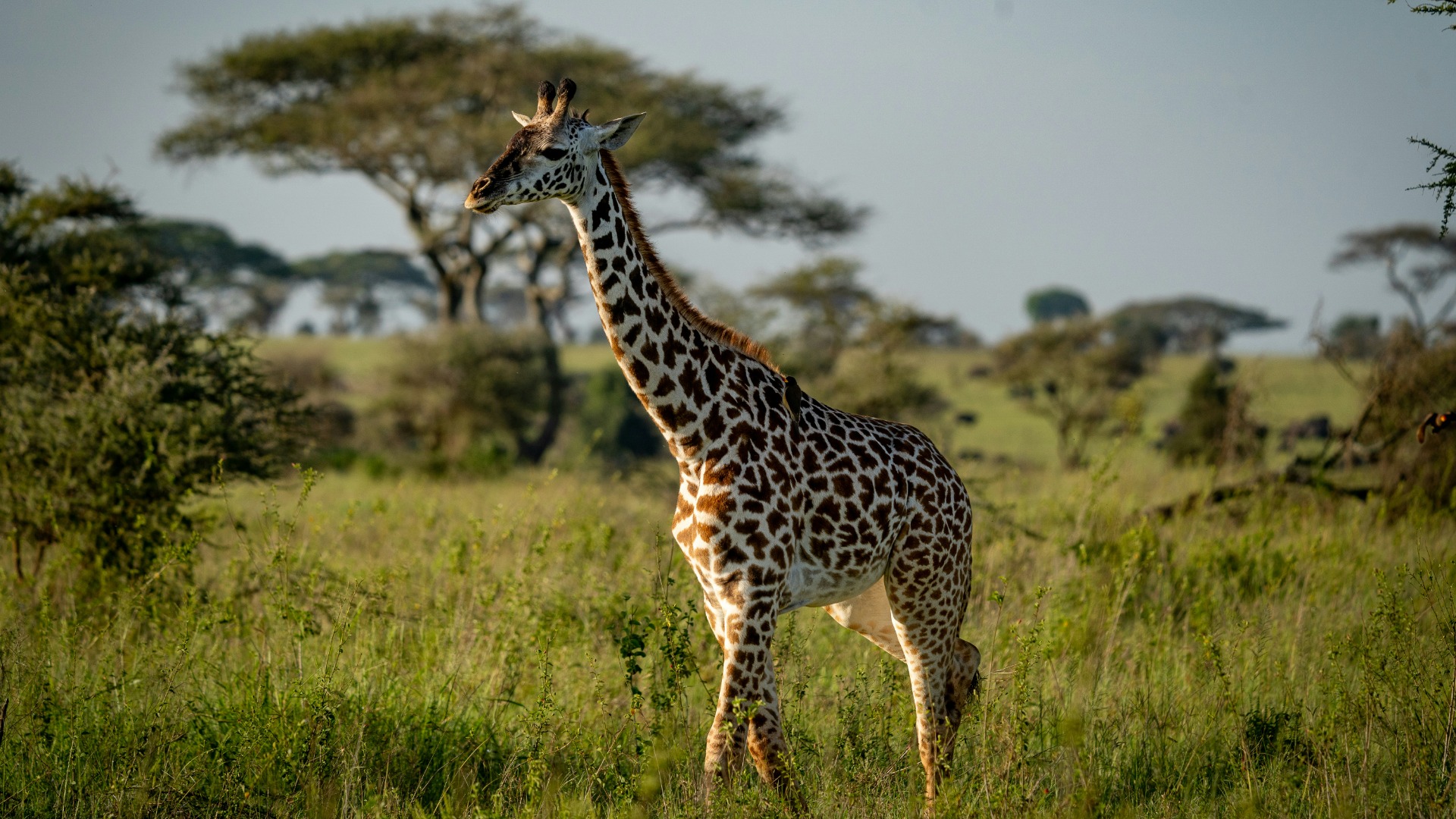
Tips & Advice
Smart Ways to Minimize Your Footprint and Maximize Wildlife Encounters on African Safaris
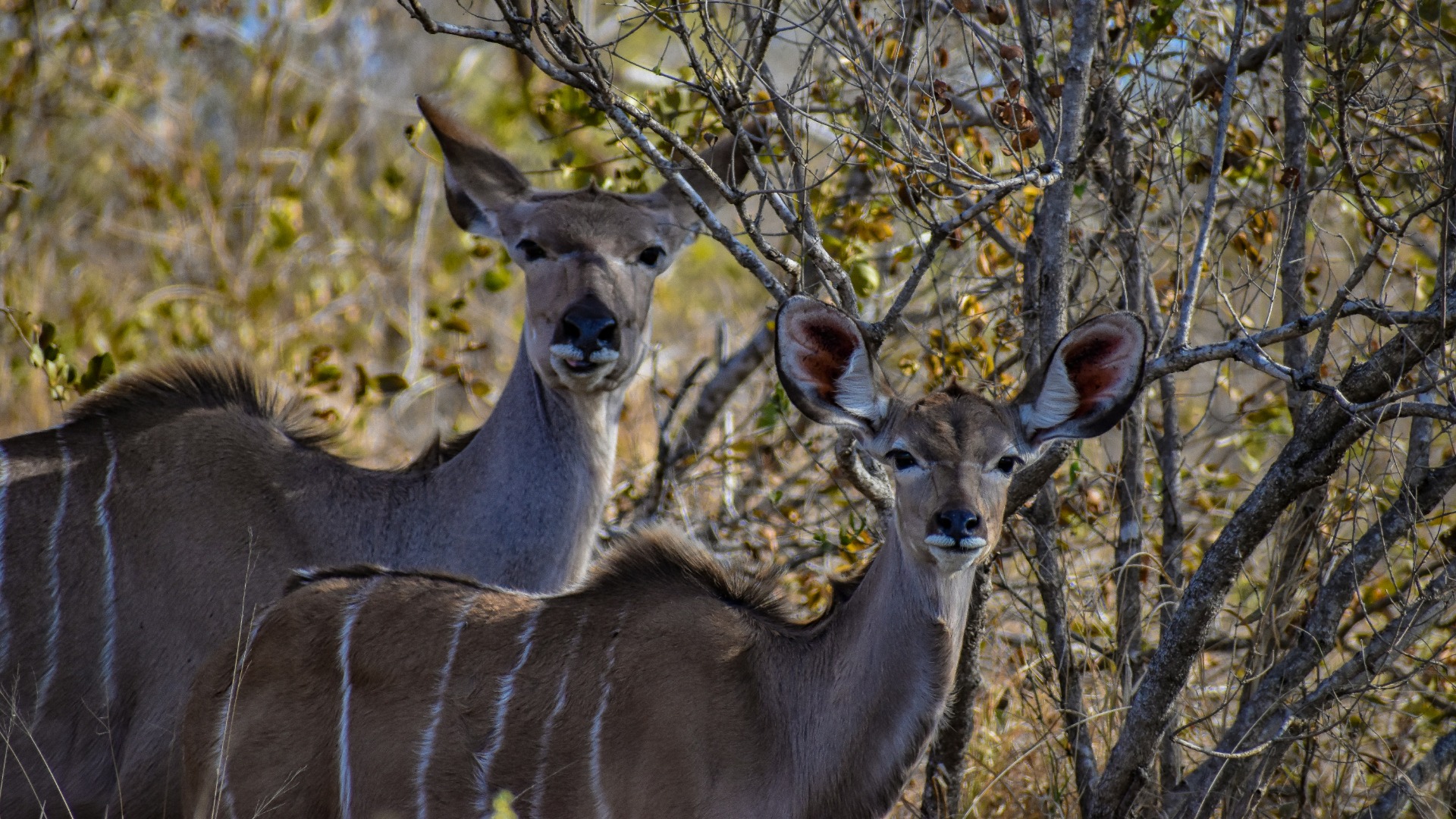
Tips & Advice
Practical Ways to Settle into Life at an African Game Lodge
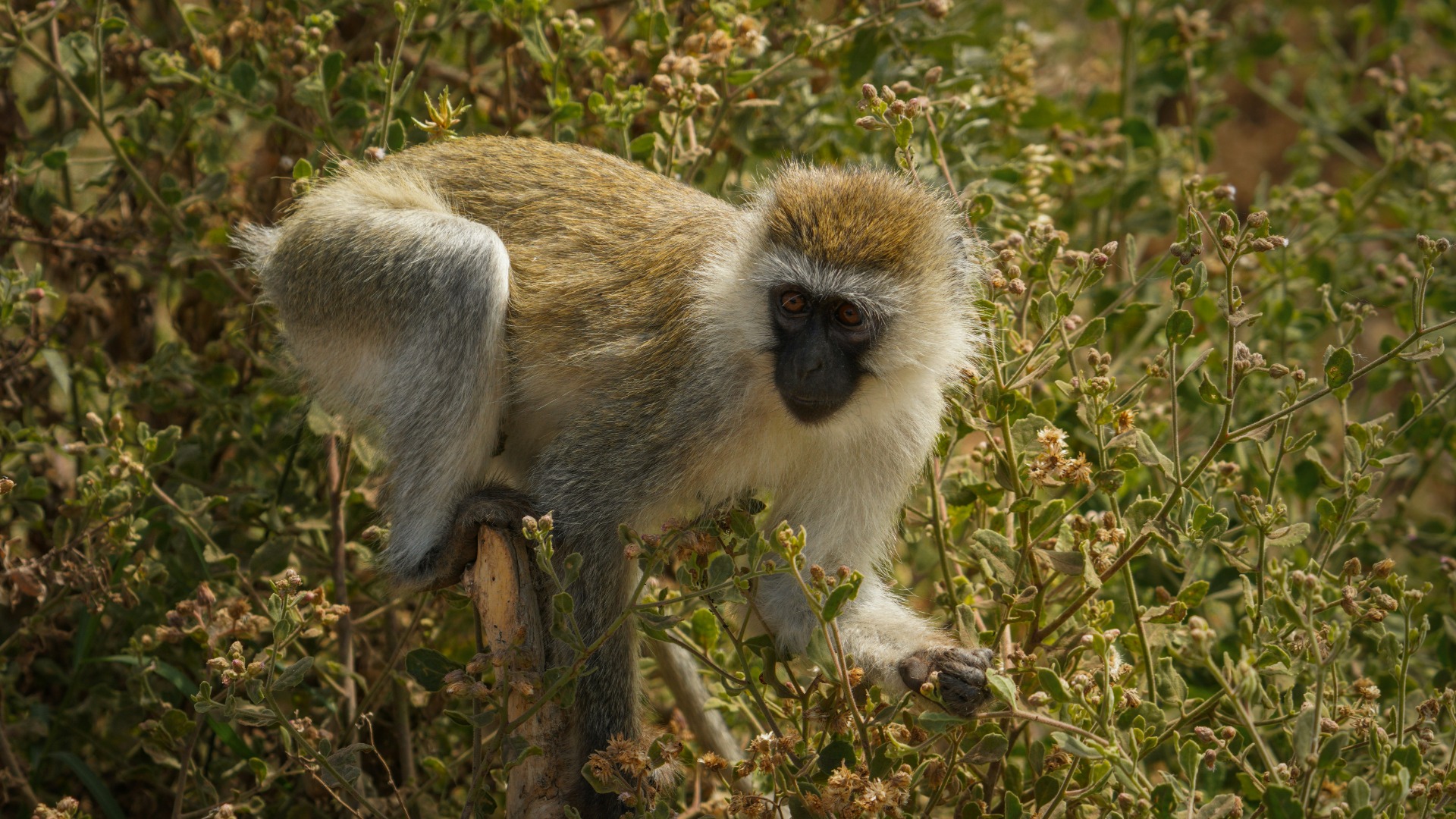
Tips & Advice
Practical Ways Travelers Can Aid Uganda's Gorilla Conservation Efforts
Tips & Advice
Practical Ways Travelers Can Reduce Their Footprint on Kenyan Wildlife Corridors
Tips & Advice
Smart Choices That Support Zimbabwe’s Wildlife Guardians on Safari
Tips & Advice