Tips & Advice
Practical Ways to Settle into Life at an African Game Lodge
Encounters Africa - 10 min read
Updated on 7 August 2026
Practical ways to settle into life at an African game lodge can transform an already memorable safari into something far richer. Understanding the subtle rhythms that govern each day, from the timing of wake-up calls aligned with animal movements to recognising when silence deepens your connection with the wild, allows travellers to move beyond mere observation and truly inhabit the experience. These approaches, drawn from years of guiding discerning guests across Southern and East Africa, help you embrace the daily cadence of lodge life with confidence and curiosity.
African game lodges operate on schedules dictated by nature rather than clocks. The best time to visit most regions is during the dry season, typically from May to October in countries like Botswana, when wildlife congregates around water sources and game drives yield frequent sightings. Yet the real value lies in how you inhabit those hours between drives. By adopting a few field-tested habits, you will find yourself slipping seamlessly into the bush routine, noticing details that fleeting visitors often miss.
The African wilderness does not hurry, and neither should you. Some of the most profound moments arrive when you simply sit still and let the landscape reveal itself.
Understanding the Daily Rhythm of Lodge Life
Life at an African game lodge follows a pattern shaped by wildlife behaviour and light conditions. Most properties schedule an early morning activity beginning around 5:30 or 6:00 am, timed to coincide with the cooler hours when predators are active and birdsong fills the air. After returning for a hearty breakfast, guests often enjoy a few hours of relaxation before the afternoon activity, which might depart around 3:30 or 4:00 pm and continue until after dark with a spotlight.
Evening meals are usually served between 7:30 and 8:30 pm, often around a communal fire or in a dedicated dining area. This structure is not arbitrary; it mirrors the natural cycles of the animals you have come to see. Adapting to these hours quickly prevents the fatigue that can dull your senses after several days in the bush.
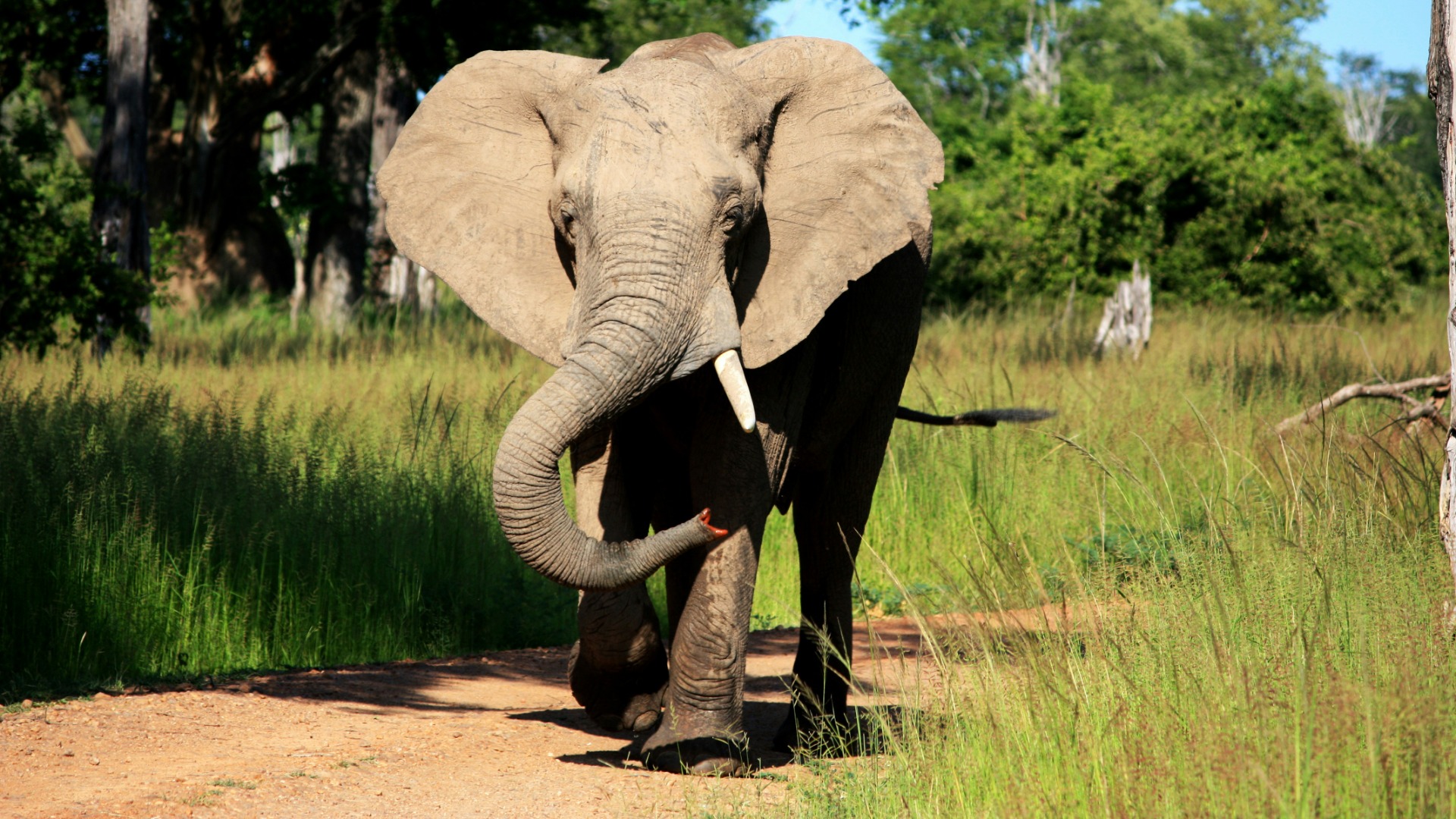
Seasoned travellers know that the quiet periods between activities hold their own rewards. Whether reading on your private deck overlooking a waterhole or watching a family of elephants pass by at dusk, these interludes allow the bush to come to you. Duba Plains Camp in the Okavango Delta exemplifies this philosophy, where the camp’s elevated position offers uninterrupted views without the need to venture out constantly.
Preparing for Early Starts
Pack your day bag the night before with essentials such as binoculars, a notebook, sunscreen, and a lightweight waterproof layer. Many lodges provide ponchos, but having your own familiar rain gear adds comfort during sudden showers. Lay out your clothing in advance, remembering that temperatures can drop sharply before dawn even in warmer regions.
Consider bringing a small torch with a red filter to preserve night vision during early departures. Guides appreciate guests who move quietly through camp before sunrise, preserving the stillness that makes those first hours so special.

Practical Ways to Settle into Life at an African Game Lodge
Settling into lodge life begins with observation and respect for both the environment and the people who make your stay possible. Learn the names of your tracker and guide on the first day; these individuals often become your greatest teachers during your time in camp. A genuine interest in their knowledge opens doors to insights rarely found in guidebooks.
Respect the camp’s quiet hours, typically from 10:00 pm until the morning wake-up call. Many properties are unfenced, meaning wildlife moves freely through the grounds at night. Walking after dark requires an escort, a safety measure that also prevents unnecessary disturbance to nocturnal animals.
One of the most valuable skills is knowing when to remain silent. On game drives, guides often use hand signals or soft voices to communicate. Following their lead helps maintain the natural behaviour of the animals you are watching. This mindfulness extends to photography, where avoiding sudden movements and loud shutter sounds preserves the authenticity of each encounter.
In the bush, restraint often yields greater reward than action. The patience to wait quietly can reveal behaviours that noisy visitors never witness.
Interacting Respectfully with Staff and Fellow Guests
Staff at quality lodges are drawn from surrounding communities and bring generations of local knowledge. Take time to learn a few words in the relevant language, whether Setswana in Botswana or Swahili in Kenya. Even simple greetings demonstrate appreciation and often lead to more meaningful exchanges.
Communal dining creates opportunities for connection, yet it is perfectly acceptable to request private meals if you prefer solitude. Most establishments accommodate both preferences with equal grace. When sharing experiences with other guests, focus on what you have observed rather than competing with sighting stories.
Maximising Your Time Between Activities
The hours between game drives offer rich possibilities for deeper engagement with your surroundings. Many lodges maintain small libraries with books on local ecology, culture, and history. Reading about the species you have seen that morning transforms casual sightings into informed understanding.
Consider keeping a journal. Noting the specific behaviour of a particular leopard or the changing light across the plains helps cement memories and sharpens your observational skills. Some travellers sketch what they see, finding that drawing forces them to notice details easily missed through a camera lens.
Wellness facilities at many properties provide another avenue for connection with the environment. A massage using indigenous oils while listening to the sounds of the bush creates a multisensory experience that complements the more active elements of safari. Chobe Game Lodge on the Chobe River Front offers spa treatments with views across the water where elephants frequently cross.
Engaging with Lodge Conservation Initiatives
Many properties support specific projects that guests can visit or contribute to directly. These might include anti-poaching initiatives, community education programmes, or habitat restoration efforts. Participating in a tree-planting activity or learning about collaring programmes provides tangible connection to conservation work happening beyond the immediate camp.
Ask your host what initiatives the lodge supports. Understanding how visitor fees translate into practical outcomes, such as funding ranger salaries or purchasing equipment, adds meaning to your presence in these sensitive ecosystems.
Essential Packing and Preparation Tips
Successful adaptation to lodge life begins before departure. Pack neutral-coloured clothing in khaki, olive, and beige tones that blend with the environment. Avoid bright whites and dark navy, which can attract tsetse flies in certain regions. Layering is essential as temperatures fluctuate dramatically between the chill of early morning and the heat of midday.
Bring high-quality binoculars with at least 8x magnification. While guides carry spotting scopes, having your own pair allows independent observation from your tent or vehicle. A good pair of comfortable walking shoes is valuable even if you primarily travel by vehicle, as many lodges offer short interpretive walks around camp.
Consider a small pair of earplugs for light sleepers. Although the sounds of the African night form part of the magic, hyenas, lions, and elephants can be surprisingly vocal after dark. Most guests quickly find these natural symphonies soothing rather than disruptive.
What to Expect from Lodge Facilities
Accommodation ranges from traditional canvas tents to sophisticated suites, yet nearly all maintain an ethos of bringing the outside in. Expect mesh windows that allow you to fall asleep to the calls of nightjars and the distant whoop of hyenas. Many properties now offer private plunge pools and outdoor showers where you can watch wildlife while bathing.
Power is often solar-generated and may be limited during certain hours. Most lodges provide charging facilities and advise guests to conserve energy where possible. Wi-fi, when available, is typically restricted to public areas to encourage disconnection from the outside world.
Common Questions About Life at African Game Lodges
What should I do if I encounter dangerous wildlife near my accommodation?
Remain calm and follow the instructions of lodge staff. Never approach or attempt to photograph animals from close range on foot. Professional guides and trackers are trained to manage these situations safely, and most lodges have clear protocols for moving guests between their rooms and main areas after dark.
How early should I wake up for morning activities?
Most properties recommend being ready 15-20 minutes before your scheduled departure. This allows time for a quick coffee or tea before heading out. Wake-up calls are usually delivered 30-45 minutes prior, giving you sufficient time to prepare without rushing.
Is it appropriate to tip lodge staff, and if so, how?
Most lodges operate a central tipping system where guests can contribute to a staff gratuity fund at the end of their stay. This ensures all team members, including those working behind the scenes, are recognised. Individual tipping is generally discouraged to maintain equality among staff.

The most rewarding safaris are those where guests arrive with open minds and willing hearts. When you meet the bush on its own terms, it offers experiences that remain with you long after you have returned home.
Embracing the Unexpected
Perhaps the most important advice for living an African game lodge experience is maintaining flexibility. Weather conditions, animal movements, and even vehicle breakdowns can alter plans at short notice. Rather than viewing these as inconveniences, experienced travellers see them as opportunities to witness authentic bush life.
A sudden rainstorm might bring frogs calling in chorus or trigger an impressive insect emergence that attracts birds. A vehicle breakdown in a scenic location could lead to an impromptu bush breakfast while repairs are made. These unplanned moments often become the stories travellers recount years later.
Trust your guide’s judgement regarding safety and wildlife viewing distances. Their intimate knowledge of individual animals and their behaviour allows for responsible yet intimate encounters that respect the dignity of the wildlife.
Creating Lasting Memories Through Mindful Presence
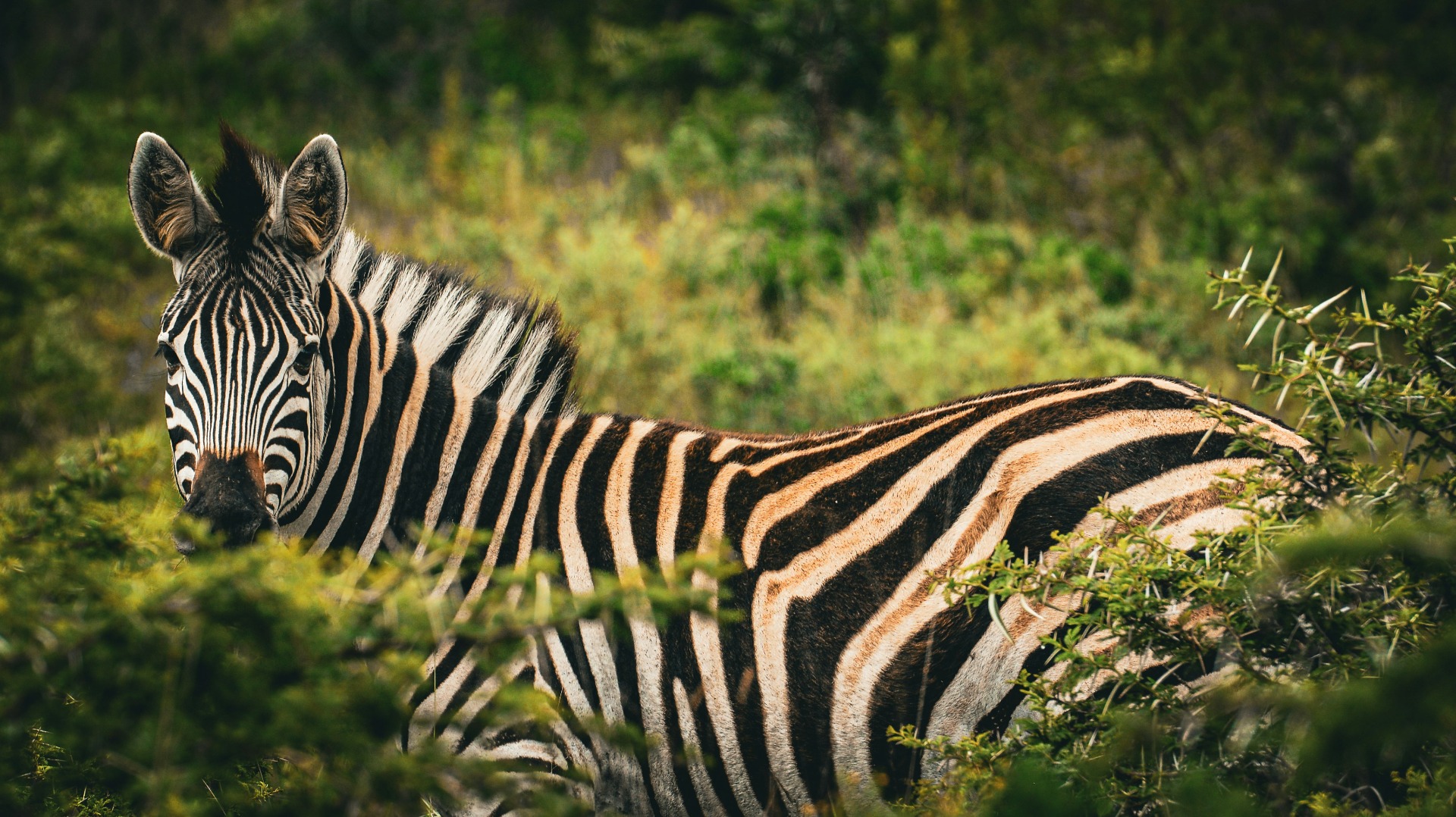
Settling comfortably into the unique cadence of African game lodge life ultimately comes down to presence. By approaching each day with curiosity, respect, and a willingness to learn, you position yourself to receive the countless small gifts the wilderness offers. From the intricate patterns on a zebra’s coat to the complex social dynamics within a troop of baboons, the details that make a safari unforgettable become visible when you slow down and truly look.
For discerning travellers seeking a private safari beyond our set itineraries, we invite you to contact us directly. We specialise in designing exceptional, tailor-made journeys for individuals, couples, families, and private groups of up to eight guests. Drawing on our handpicked network of distinguished camps and lodges, we curate every detail with precision and care, creating a seamless, deeply personal safari experience shaped entirely around your preferences, pace, and budget.
Whether this will be your first journey into the African wild or a return to familiar landscapes, the right preparation and mindset allow you to inhabit these extraordinary places with grace and appreciation. The bush has much to teach those who arrive ready to listen. We would be delighted to help you craft an experience that honours both the land and its people while creating memories that will resonate for a lifetime.
Begin your planning by visiting our enquiry form to share your vision. Our team of Africa specialists looks forward to designing a journey that captures the essence of what makes time spent in these wild places so profoundly moving. From the first misty morning drive to the final fireside conversation under a sky blazing with stars, your African experience awaits.
More like this
Tips & Advice
Practical Ways Travelers Can Aid Uganda's Gorilla Conservation Efforts
Tips & Advice
Practical Ways Travelers Can Reduce Their Footprint on Kenyan Wildlife Corridors
Tips & Advice
Smart Choices That Support Zimbabwe’s Wildlife Guardians on Safari
Tips & Advice
Smart Moves Every Traveler Should Make When Tracking Kenya's Big Five
Tips & Advice
Smart Strategies for Staying Secure as a Solo Woman in Cape Town, Nairobi and Johannesburg
Tips & Advice