Tips & Advice
Practical Ways Travelers Can Reduce Their Footprint on Kenyan Wildlife Corridors
Encounters Africa - 9 min read
Updated on 31 July 2026
Practical ways to reduce your footprint on Kenyan wildlife corridors begin with understanding that every choice you make on safari can either support or strain the delicate balance of these vital migration routes. Kenya's ecosystems support the annual movement of over 1.5 million wildebeest and zebra across the Masai Mara and beyond, yet increasing visitor numbers place growing pressure on these pathways. For discerning travellers, recognising this impact is the first step toward meaningful conservation contributions during any Kenyan safari experience.
Kenya's wildlife corridors serve as essential lifelines connecting protected areas like the Masai Mara National Reserve with community lands and neighbouring reserves. These corridors allow animals to access seasonal grazing, water sources, and breeding grounds while reducing dangerous encounters with human settlements. By following targeted practices, visitors can help preserve these routes for generations, ensuring that the rhythms of predator and prey continue uninterrupted.
The quiet choices we make on safari, from vehicle positioning to lodge selection, ripple far beyond our own experience and directly shape the future of Kenya's migratory wildlife.
Understanding Kenya's Wildlife Corridors and Their Fragility
Kenya's wildlife corridors stretch across more than 5,000 square kilometres of mixed-use land, linking core conservation zones with community-owned territories. These pathways are not formal roads but living landscapes shaped by centuries of animal movement, rainfall patterns, and traditional pastoral practices. Without them, species such as elephants, lions, and endangered wild dogs would face isolation, reduced genetic diversity, and heightened conflict with farmers.
Recent studies indicate that corridor degradation has already reduced some migration routes by up to 40 percent over the past three decades. Factors include fencing, agricultural expansion, and poorly managed tourism infrastructure. As travellers, we hold power to reverse this trend through informed decisions that support land-use models favouring coexistence rather than competition.
The Laikipia plateau and areas surrounding Amboseli National Park exemplify successful corridor management where community conservancies have maintained connectivity. These models demonstrate that thoughtful visitor behaviour can strengthen rather than undermine such efforts.

Choosing Responsible Operators for Your Kenyan Safari
Selecting operators certified by the Global Sustainable Tourism Council or Kenya Wildlife Service-approved partners forms the foundation of low-impact travel. These organisations adhere to strict guidelines on vehicle numbers, off-road driving, and community benefit sharing. Reputable operators also employ local guides who understand both wildlife behaviour and the cultural significance of the corridors they traverse.
Look for lodges and camps that actively participate in corridor conservation initiatives. Properties such as those in the Ol Pejeta Conservancy channel tourism revenue directly into fencing removal projects and predator compensation schemes. When researching options, enquire about specific measures each operator takes to minimise disturbance along migratory paths.
Ask pointed questions before booking: How many vehicles are permitted per sighting? What protocols exist for night drives near corridor boundaries? Does the camp support local conservancy rangers through training or equipment provision? The answers reveal whether an operator views conservation as marketing or as core operational practice.
Responsible safari operators don't simply avoid harm; they actively invest in the landscapes their guests come to experience, creating genuine partnerships with the communities who share space with Kenya's iconic species.
Adjusting Safari Behaviours to Protect Migratory Routes
On game drives, maintaining respectful distances from animals prevents unnecessary stress that can alter natural movement patterns along corridors. The general rule suggests staying at least 25 metres from large mammals and never positioning vehicles to block established game paths. Experienced guides will often interpret subtle signs indicating animals wish to cross your path, allowing them right of way.
Minimise noise and sudden movements during sightings, particularly near water sources or known crossing points. Elephants and buffalo, key corridor users, are especially sensitive to disturbance that might push them toward dangerous farmland boundaries. Keeping engines running only when necessary and avoiding unnecessary radio chatter helps maintain the natural soundscape these animals rely upon.
Follow your guide's lead regarding off-road driving. While certain situations may warrant leaving established tracks, this should be exceptional rather than routine. Repeated tyre tracks compact soil, damage vegetation, and create erosion channels that ultimately fragment these critical movement corridors.
Practical Field Guidelines for Responsible Viewing
Adopt a patient approach to photography that doesn't require constant repositioning. Modern camera equipment with quality zoom lenses allows excellent images from appropriate distances without crowding animals. Dawn and dusk offer the most rewarding light conditions while coinciding with peak natural activity periods along corridors.
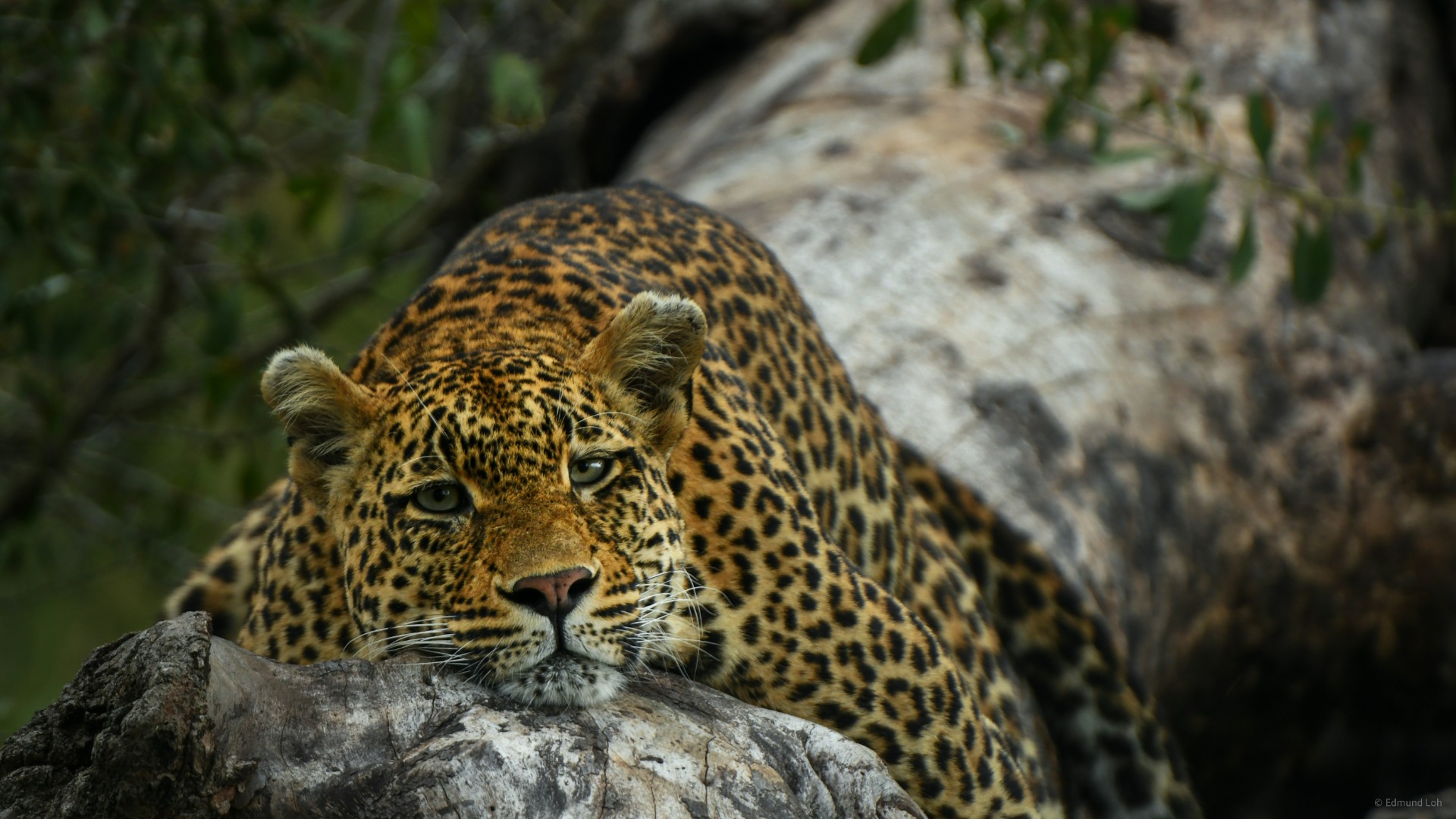
Resist the temptation to pursue specific sightings at the expense of animal welfare. If a leopard has chosen a thicket for rest, accepting that some encounters will be brief protects both the individual and the wider population's behaviour patterns. True appreciation often comes from observing undisturbed natural interactions rather than forced close encounters.
Supporting Community-Led Conservation Initiatives
Kenya's most effective corridor protection comes through community conservancies where local landowners receive direct benefits from tourism. By choosing experiences that incorporate visits to these conservancies, travellers can contribute to economic incentives that discourage fencing and poaching. Many conservancies offer cultural activities that provide additional income streams beyond traditional livestock keeping.
Consider allocating part of your journey to properties that fund specific corridor projects. Several camps in the Mara North Conservancy, for instance, support collaring programmes that track elephant movements across community lands. Understanding these connections transforms your safari from passive observation to active participation in landscape-level conservation.
Direct purchases from community craft cooperatives and conservancy-run enterprises create tangible economic alternatives to practices that might otherwise compromise wildlife corridors. When evaluating experiences, prioritise those demonstrating measurable outcomes such as hectares of corridor restored or compensation payments made to farmers living alongside wildlife.

Reducing Plastic and Waste Impact on Kenyan Ecosystems
Single-use plastics pose particular threats to Kenyan wildlife corridors where animals may ingest discarded items while foraging. Committing to reusable water bottles, avoiding plastic-wrapped amenities, and carrying a small waste bag for personal rubbish demonstrates practical commitment to ecosystem health. Many quality camps now operate comprehensive recycling programmes, but guest cooperation remains essential.
Choose toiletries free from microplastics and ensure all waste travels back to proper disposal facilities rather than being left in the bush. Even seemingly small items like cigarette butts or sweet wrappers can have outsized impacts when consumed by wildlife or washed into water sources used by both animals and communities.
During stays at remote camps, respect water conservation measures that reflect the realities of arid corridor regions. Short showers, reusing towels, and reporting leaks help preserve precious resources that wildlife depends upon during dry season movements through these same areas.
Minimising Human-Wildlife Conflict Through Informed Choices
Human-wildlife conflict represents one of the greatest threats to corridor functionality. Travellers can help by supporting operations that participate in compensation schemes for livestock losses and by respecting traditional livestock herding practices when encountering pastoralists on community lands. Understanding that these herders share landscapes with dangerous animals fosters greater empathy and support for coexistence models.
Avoid feeding wildlife or leaving food unsecured at camps, as habituated animals are more likely to venture into human settlements with tragic consequences. Even seemingly harmless actions like offering snacks to baboons can disrupt natural foraging patterns and increase conflict potential along corridor edges.
Many conservancies now employ dedicated conflict mitigation teams using techniques such as beehive fences and livestock guarding dogs. Choosing experiences that highlight these innovative approaches educates visitors while directly funding their expansion across critical corridor areas.
Every time we choose patience over pursuit, silence over noise, and community benefit over convenience, we cast a vote for the continued existence of Kenya's ancient wildlife highways.
Common Questions About Responsible Travel in Kenya
What is the best time to visit Kenyan wildlife corridors while minimising impact? The shoulder seasons of March to May and November offer fewer visitors, reducing pressure on popular sighting areas while often providing excellent game viewing. These periods coincide with long rains when corridors see peak usage by migratory species, allowing travellers to witness natural patterns with less crowding.
How can I verify that a Kenyan safari operator genuinely supports conservation? Look for membership in organisations like the Kenya Association of Tour Operators' eco-rating scheme, evidence of specific conservation projects on their website, and transparent reporting of how tourism revenue supports local communities and wildlife monitoring. Genuine operators welcome detailed questions about their practices.
Does using drones harm wildlife in Kenyan corridors? In most Kenyan protected areas and conservancies, drone use is heavily restricted or prohibited due to disturbance effects on breeding birds and large mammals. Respecting these regulations protects sensitive species and prevents the development of negative associations with human technology along migration routes.
The Long-Term Impact of Collective Traveller Choices
When thousands of visitors annually adopt even small changes in behaviour, the cumulative effect creates meaningful protection for Kenya's wildlife corridors. Each respectful sighting, each pound spent with community-focused operators, and each conscious decision to reduce waste contributes to a growing movement that values coexistence over exploitation. The corridors themselves cannot speak, but their health reflects our collective choices with startling clarity.
Conservation in Kenya has evolved from purely protected area management to landscape-scale approaches that recognise the essential role of community lands. Travellers who engage thoughtfully with this reality become part of the solution rather than additional pressure on already strained ecosystems. The knowledge gained through such mindful journeys often transforms how we view our own relationship with the natural world long after returning home.
Planning Your Responsible Kenyan Safari Experience
Creating a safari that actively supports Kenyan conservation requires careful planning and expert guidance. Encounters Africa specialises in designing journeys that balance exceptional wildlife encounters with meaningful contributions to corridor protection and community wellbeing. Our team maintains close relationships with leading conservancies and operators who demonstrate genuine commitment to sustainable practices across Kenya.
Whether you seek a private safari focusing on particular species or a family journey incorporating educational elements, we can curate an itinerary that aligns with your values while delivering memorable experiences. From Elewana Elsa's Kopje Meru to conservancy-based camps in Laikipia, each property in our collection shares a dedication to ethical wildlife viewing and landscape conservation.
For those looking for a private safari beyond our set itineraries, we would be delighted to hear from you directly. We specialise in creating beautifully tailored journeys for solo travellers, couples, families, and private groups of up to eight guests. Through our trusted network of carefully selected camps and lodges, we craft each safari around your individual interests, preferred pace, and budget, ensuring a seamless and deeply personal experience from beginning to end.
Begin your journey toward more conscious African travel by reaching out through our enquiry form. Let us help you craft an experience that leaves Kenya's wildlife corridors stronger for your having passed through them.
More like this
Tips & Advice
Smart Choices That Support Zimbabwe’s Wildlife Guardians on Safari
Tips & Advice
Smart Moves Every Traveler Should Make When Tracking Kenya's Big Five
Tips & Advice
Smart Strategies for Staying Secure as a Solo Woman in Cape Town, Nairobi and Johannesburg
Tips & Advice
Smart Ways to Navigate Zimbabwean Safaris Without Missing Key Details
Tips & Advice
Stretch Every Dollar Across Africa: Backpacker Strategies That Actually Work
Tips & Advice