conservation
Sabi Sand: A Legacy of Luxury and Conservation
Encounters Africa - 7 min read
Updated on 1 May 2026
The Sabi Sand Game Reserve, nestled alongside the iconic Kruger National Park in South Africa, stands as a beacon of successful private conservation. It is a place where the pursuit of an unparalleled sabi sand luxury safari experience goes hand-in-hand with a profound commitment to protecting Africa's precious wildlife and ecosystems. This reserve, renowned for its exceptional leopard sightings and intimate wildlife encounters, offers more than just breathtaking game drives; it offers a model for sustainable tourism.
For decades, the Sabi Sand has been at the forefront of conservation, demonstrating how private land ownership and responsible tourism can create a thriving sanctuary for biodiversity. Its unfenced border with Kruger allows for the free movement of animals, creating a vast and dynamic ecosystem. This article delves into the intricate balance of conservation and luxury that defines the Sabi Sand, highlighting the efforts that make a sabi sand game reserve safari an experience with purpose.
The Genesis of Sabi Sand Conservation
The history of the Sabi Sand is deeply rooted in a conservation ethos that predates many national parks. Established in 1948 by a collective of landowners, the reserve was born from a vision to protect the area's incredible biodiversity. This pioneering spirit laid the groundwork for the collaborative conservation efforts seen today.
Initially, individual farms were consolidated, and fences between them were removed to allow wildlife to roam freely. This early commitment to ecological integrity set the Sabi Sand apart and fostered an environment where wildlife could flourish, attracting discerning travellers seeking authentic African experiences.
The Sabi Sand is a testament to the power of private conservation, proving that luxury and ecological stewardship can coexist harmoniously for the benefit of wildlife and future generations.
Pioneering Private Reserve Management
The Sabi Sand's success is largely due to its unique private ownership model. Unlike government-run parks, the reserve is managed by the landowners themselves, who collectively invest in anti-poaching, ecological research, and community development. This direct investment ensures a high level of dedication and accountability.
The landowners, many of whom have generational ties to the land, share a common goal: to preserve the Sabi Sand for future generations. This long-term vision underpins every decision, from lodge development to wildlife management strategies.
Wildlife Management and Anti-Poaching Initiatives
Central to Sabi Sand Nature Reserve conservation are its robust wildlife management and anti-poaching strategies. The reserve is home to the 'Big Five' – lion, leopard, elephant, rhino, and buffalo – and maintaining healthy populations requires constant vigilance and scientific intervention.
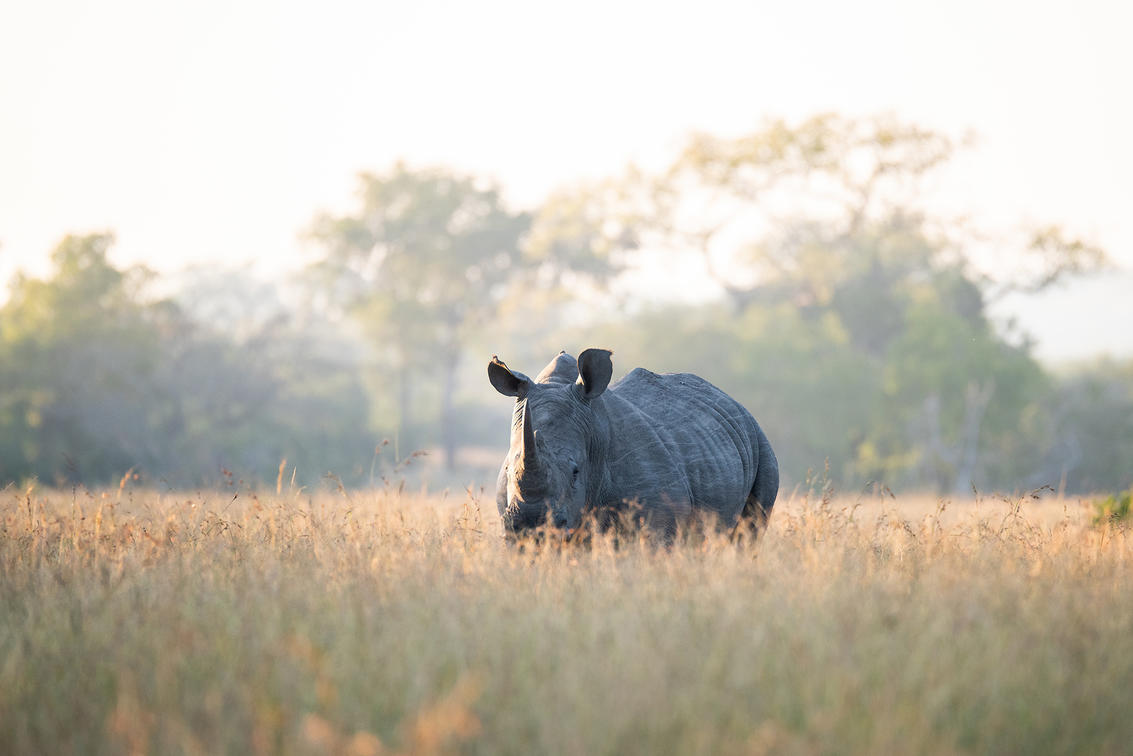
One of the most critical challenges is rhino poaching. The Sabi Sand invests heavily in advanced anti-poaching units, employing highly trained rangers, K9 units, and aerial surveillance. These dedicated teams work tirelessly to protect these endangered animals, often putting their lives on the line.
Rhino Protection: A Top Priority
The fight against rhino poaching is a continuous battle. The Sabi Sand employs a multi-faceted approach:
Highly Trained Anti-Poaching Units: These units conduct daily patrols, track suspicious activity, and respond rapidly to threats.
Advanced Technology: Drones, thermal imaging, and sophisticated communication systems enhance surveillance capabilities.
Community Involvement: Engaging local communities through education and employment opportunities helps create a vested interest in conservation.
Dehorning Programs: In some cases, rhinos are dehorned as a deterrent to poachers, reducing the value of the animal to illegal syndicates.
These efforts have yielded positive results, demonstrating the effectiveness of a proactive and well-resourced conservation strategy.
Ecological Monitoring and Research
Beyond anti-poaching, the Sabi Sand actively engages in ecological monitoring and research. This includes:
Population Surveys: Regular counts of key species help track population trends and inform management decisions.
Habitat Management: Controlled burning, waterhole management, and alien plant removal maintain healthy ecosystems.
Research Partnerships: Collaborations with scientific institutions contribute to a deeper understanding of wildlife behaviour and ecological processes.
This scientific approach ensures that conservation efforts are evidence-based and effective in the long term.
The Role of Luxury Safaris in Conservation
The presence of sabi sand luxury safari lodges plays a crucial role in funding and supporting the reserve's conservation initiatives. High-end tourism generates significant revenue, which is directly reinvested into wildlife protection, habitat management, and community programmes.
Travellers who choose a sabi sand game reserve safari are not just enjoying an incredible holiday; they are actively contributing to the preservation of this vital ecosystem. The lodges operate with a strong commitment to sustainability, often employing local staff and sourcing goods responsibly.
Sustainable Tourism Practices
Many sabi sand lodges implement various sustainable practices:
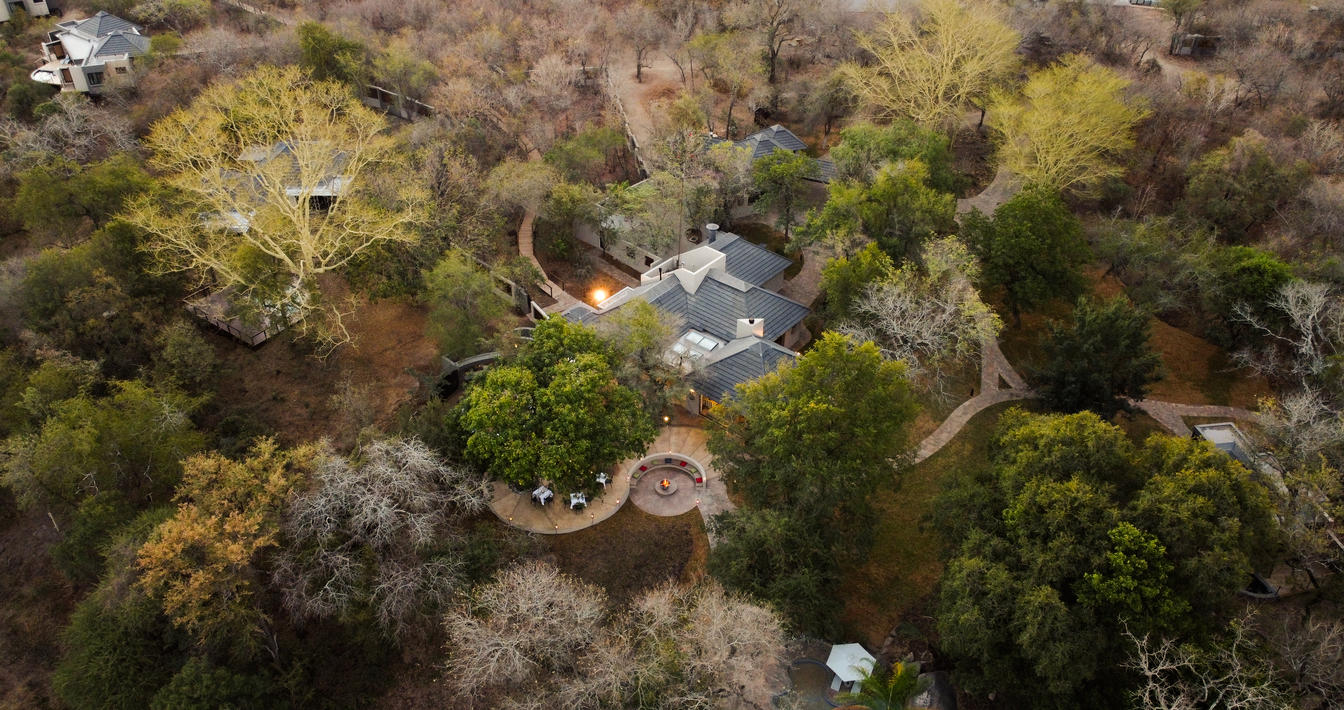
Eco-Friendly Design: Lodges are often built with minimal environmental impact, using local materials and blending into the landscape.
Water and Energy Conservation: Initiatives include rainwater harvesting, solar power, and efficient waste management systems.
Community Empowerment: Lodges provide employment, training, and support for local businesses, fostering economic growth within surrounding communities.
Wildlife Education: Guests are educated about conservation challenges and the importance of responsible tourism, becoming advocates for wildlife protection.
These practices ensure that the environmental footprint of tourism is minimised while maximising its positive impact on conservation.
Exceptional Wildlife Viewing Experiences
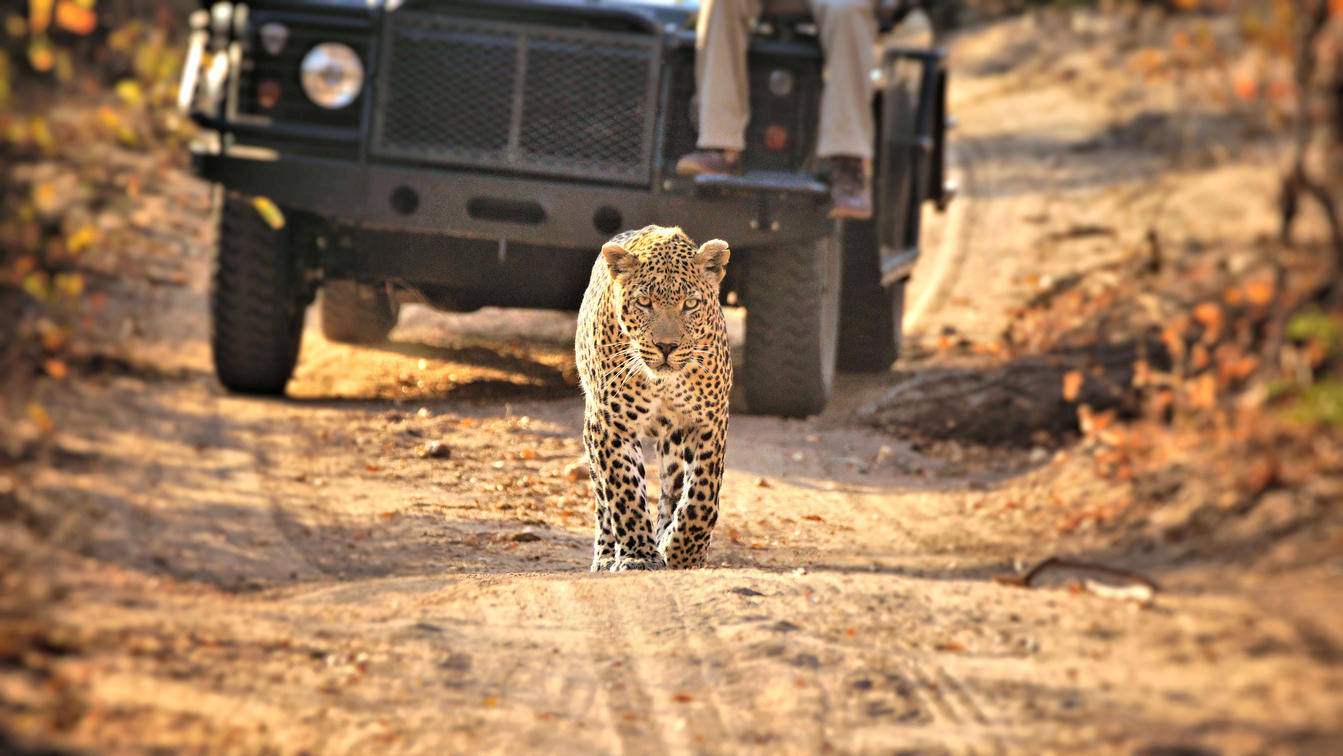
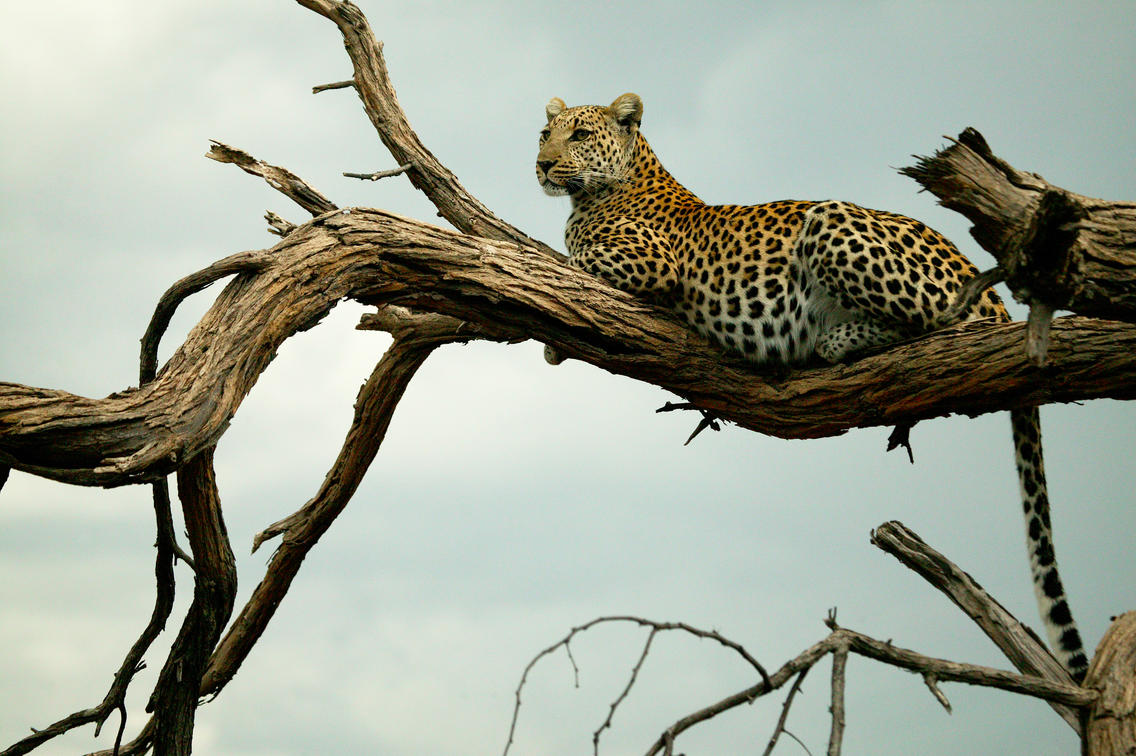
The Sabi Sand is globally renowned for its exceptional wildlife viewing, particularly its leopard sightings. The habituation of animals to safari vehicles, a result of decades of careful management, allows for incredibly close and intimate encounters without disturbing the animals.
Expert guides and trackers, many of whom are from local communities, possess an unparalleled knowledge of the bush, enhancing every game drive. This combination of abundant wildlife and expert interpretation makes a safari here truly unforgettable.
Community Engagement and Empowerment
True conservation success extends beyond wildlife to include the well-being of local communities. The Sabi Sand understands this intrinsically, and many of its conservation programmes are intertwined with community development initiatives.
By providing employment, education, and healthcare, the reserve fosters a sense of ownership and partnership among its neighbours. This collaborative approach is vital in the long-term sustainability of conservation efforts.
Education and Skills Development
Investment in education is a cornerstone of community engagement. The Sabi Sand supports local schools, provides scholarships, and offers vocational training programmes. These initiatives equip community members with the skills needed to participate in the tourism industry and other sectors.
Many rangers, trackers, and lodge staff are recruited from local villages, providing meaningful employment and career progression opportunities. This creates a direct link between conservation success and community prosperity.
Healthcare and Infrastructure Support
Beyond education, the Sabi Sand and its lodges contribute to improving local infrastructure and healthcare services. This can include:
Clinic Support: Providing resources, equipment, or funding for local clinics.
Water Projects: Assisting with access to clean drinking water.
Road Maintenance: Contributing to the upkeep of roads that benefit both the reserve and local communities.
These contributions demonstrate a holistic approach to conservation that recognises the interconnectedness of people and nature.
Conclusion: A Model for Sustainable Safaris
The Sabi Sand Game Reserve stands as a shining example of how private conservation, coupled with responsible luxury tourism, can create a powerful force for good. Its unwavering commitment to wildlife protection, habitat management, and community empowerment ensures that this incredible wilderness will continue to thrive for generations to come. A sabi sand luxury safari is not merely a holiday; it is an investment in the future of African conservation.
Encounters Africa is proud to partner with lodges and operators in the Sabi Sand who share our dedication to ethical and sustainable travel. For discerning travellers seeking a private safari beyond our set itineraries, we invite you to contact us directly. We specialise in designing exceptional, tailor-made journeys for individuals, couples, families, and private groups of up to eight guests. Drawing on our handpicked network of distinguished camps and lodges, we curate every detail with precision and care, creating a seamless, deeply personal safari experience shaped entirely around your preferences, pace, and budget.
More like this
conservation
Safeguarding Africa's Black Rhinos: A Critical Conservation Journey
conservation
Safeguarding Katavi: A Deep Dive into Conservation Efforts
conservation
Safeguarding Kruger: A Deep Dive into Conservation Efforts
conservation
Safeguarding Uganda's Crown Jewel: Queen Elizabeth National Park
Conservation
Scientists Track Rapid Retreat of Kilimanjaro's Glaciers and What It Means for East Africa
conservation