conservation
Safeguarding Katavi: A Deep Dive into Conservation Efforts
Encounters Africa - 8 min read
Updated on 1 May 2026
Nestled in the remote western reaches of Tanzania, Katavi National Park stands as one of Africa's last true wildernesses. This vast, untamed expanse, characterised by its seasonal floodplains, dense woodlands, and the life-giving Katuma River, is a sanctuary for an incredible diversity of wildlife. However, like many precious ecosystems across the continent, Katavi faces its share of challenges, making conservation efforts here not just important, but absolutely critical for its survival.
Encounters Africa is deeply committed to supporting and understanding the intricate balance of nature in such pristine environments. Our journeys to Katavi offer a privileged glimpse into a world where nature reigns supreme, and where dedicated individuals and organisations work tirelessly to protect its future. This article delves into the multifaceted conservation strategies employed within Katavi, highlighting the successes, the ongoing struggles, and the profound importance of preserving this irreplaceable natural heritage.
The Unique Ecosystem of Katavi National Park
Katavi's landscape is defined by dramatic seasonal changes. During the dry season, the Katuma River shrinks into a series of muddy pools, drawing thousands of hippos and crocodiles into close quarters – a spectacle found almost nowhere else on Earth. The surrounding floodplains transform from lush green to parched earth, concentrating wildlife around the remaining water sources.
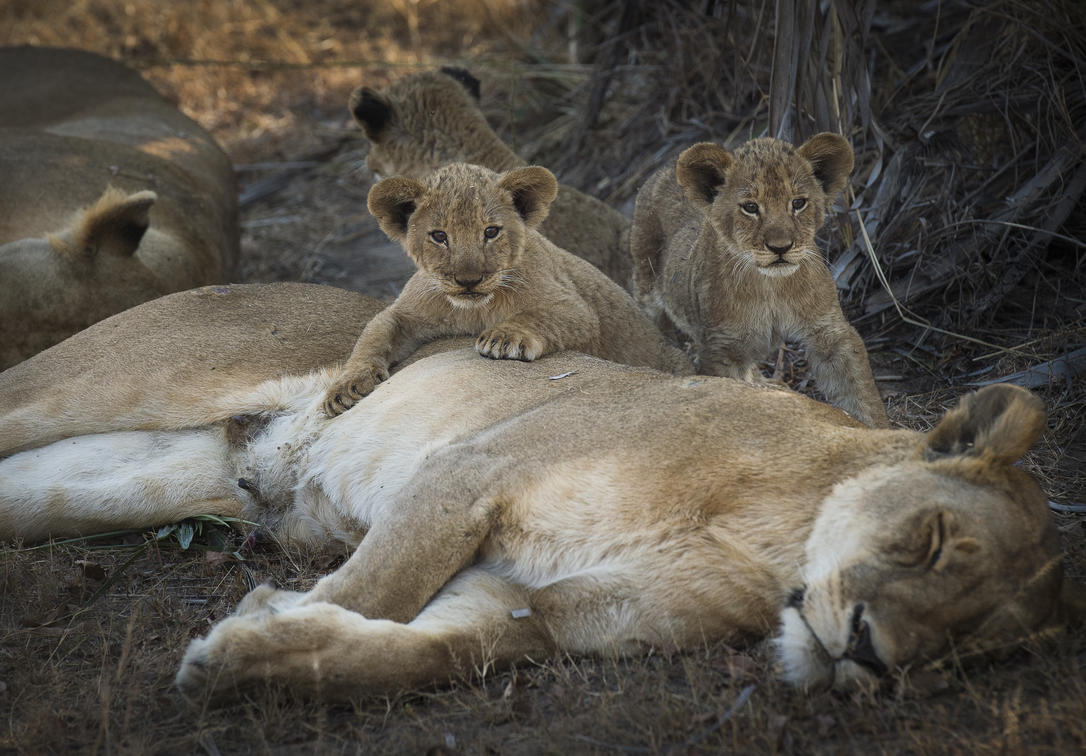
This unique hydrological cycle supports an astonishing array of species. Katavi is renowned for its massive buffalo herds, numbering in the thousands, and boasts one of the highest densities of hippos and crocodiles in Africa. Lion prides thrive here, often seen in large numbers, alongside leopards, elephants, and various antelope species. The park's isolation has contributed to its wild character, offering an authentic and uncrowded safari experience.
Katavi's raw, untamed beauty and dramatic seasonal shifts create an unparalleled wildlife spectacle, a testament to Africa's enduring wilderness.
Wildlife Diversity and Ecological Significance
Beyond the charismatic megafauna, Katavi is home to over 400 species of birds, including migratory waterfowl and raptors. Its woodlands provide habitat for sable and roan antelope, while the riverine areas are crucial for water-dependent species. The park's ecological significance lies in its role as a critical refuge for large mammal populations, many of which are declining elsewhere.
The sheer scale of wildlife concentrations during the dry season is a natural phenomenon that underscores the park's importance. These seasonal gatherings are not just a draw for visitors; they are a vital part of the ecosystem's functioning, influencing predator-prey dynamics and nutrient cycling across the landscape.
Challenges to Katavi's Conservation
Despite its remote location, Katavi National Park is not immune to external pressures. The surrounding communities, often reliant on natural resources for their livelihoods, can inadvertently impact the park's integrity. Understanding these challenges is the first step towards effective conservation.
Poaching and Illegal Activities
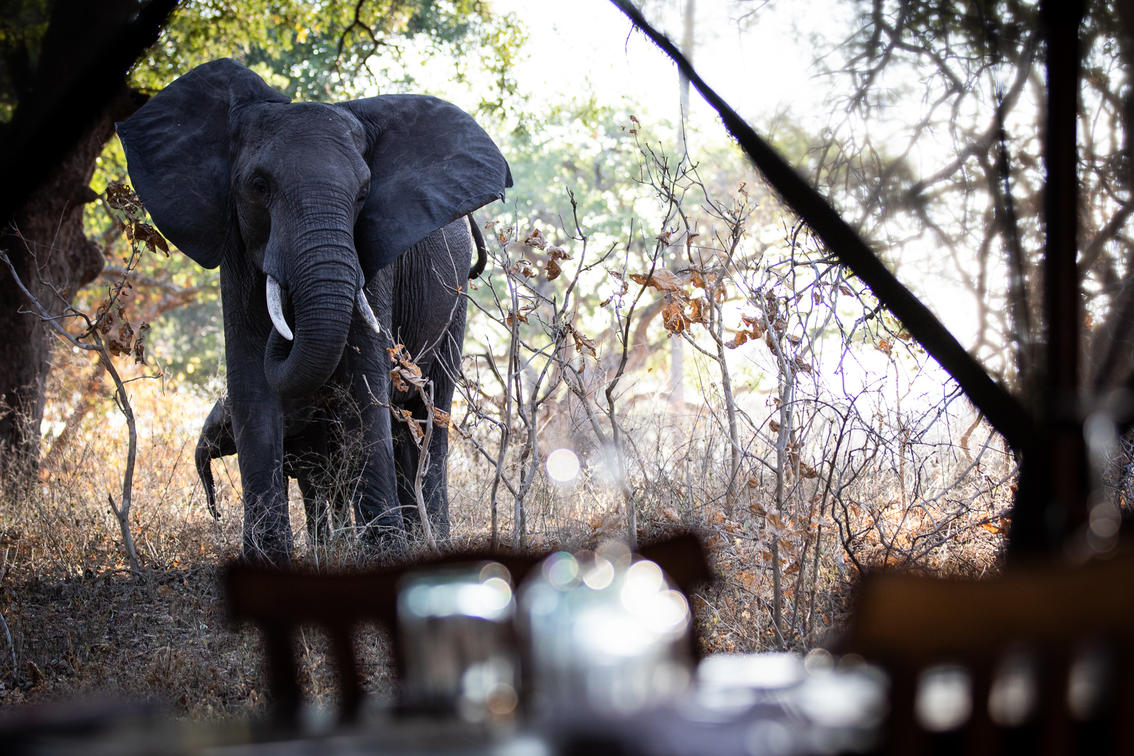
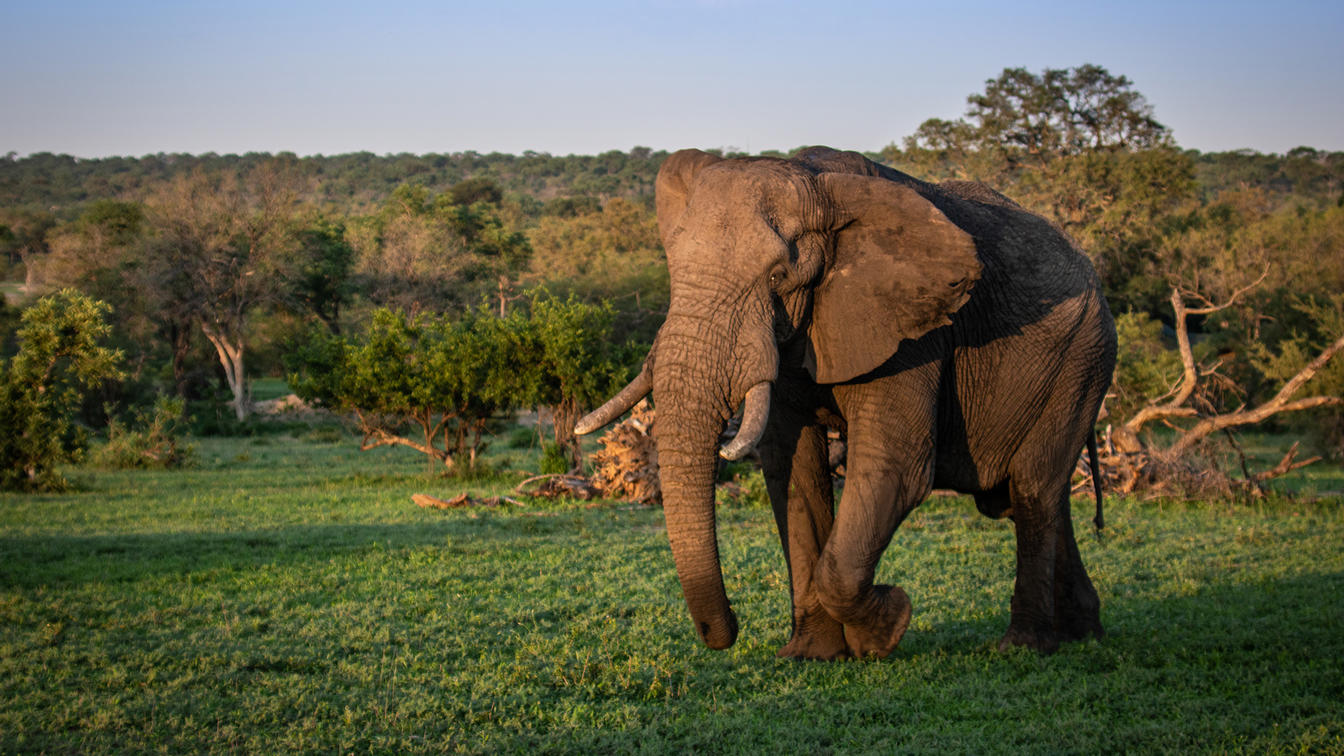
Poaching remains a significant threat, particularly for elephants and other high-value species. Ivory poaching, though declining due to concerted efforts, still poses a risk. Bushmeat poaching also affects various antelope species, impacting the park's overall biodiversity. Illegal fishing in the Katuma River can deplete fish stocks, affecting the wider aquatic ecosystem and the predators that rely on it.
The vastness and remoteness of Katavi make patrolling and monitoring a continuous challenge. Anti-poaching units work tirelessly, often in difficult conditions, to deter and apprehend those involved in illegal wildlife trade. Community intelligence and technological advancements are increasingly playing a role in these efforts.
Human-Wildlife Conflict
As human settlements expand around the park's boundaries, interactions between people and wildlife inevitably increase. Elephants raiding crops, predators attacking livestock, and the risk of disease transmission are common issues. These conflicts can erode local support for conservation and lead to retaliatory killings of wildlife.
Mitigating human-wildlife conflict requires a multi-pronged approach, including education, community engagement, and the implementation of protective measures. Finding sustainable solutions that benefit both people and wildlife is crucial for the long-term viability of Katavi's ecosystem.
Habitat Degradation and Encroachment
While Katavi itself is largely pristine, areas bordering the park face pressures from agricultural expansion, logging, and charcoal production. These activities can lead to habitat fragmentation, loss of vital wildlife corridors, and degradation of water sources. Encroachment into the park for grazing livestock also poses a threat, leading to overgrazing and potential disease transmission to wild populations.
The health of the park is intrinsically linked to the health of its surrounding buffer zones. Protecting these areas through sustainable land-use planning and community-led initiatives is essential for maintaining Katavi's ecological integrity.
Effective Conservation Strategies in Katavi
Addressing the complex challenges facing Katavi requires a comprehensive and collaborative approach. Various organisations, including the Tanzania National Parks Authority (TANAPA), NGOs, and local communities, are working together to implement effective conservation strategies.
Anti-Poaching and Law Enforcement
Robust anti-poaching operations are at the forefront of Katavi's conservation efforts. This includes regular patrols by armed rangers, intelligence gathering, and the use of technology such as GPS tracking and aerial surveillance. Training and equipping rangers with the necessary skills and resources are paramount.
Collaboration with local law enforcement and judiciary systems is also vital to ensure that poachers are prosecuted effectively, sending a strong deterrent message. The aim is not just to apprehend poachers but to dismantle the entire illegal wildlife trade chain.
Community Engagement and Benefits
Recognising that local communities are key stakeholders, conservation programmes in Katavi increasingly focus on engaging them directly. This involves educating communities about the value of wildlife and the park, and ensuring they derive tangible benefits from its existence.
Revenue Sharing: A portion of park entry fees is often channelled back to local communities for development projects, such as schools, clinics, and water infrastructure.
Employment Opportunities: Locals are employed as park rangers, guides, and in tourism-related services, providing alternative livelihoods.
Conservation Education: Programmes in schools and villages raise awareness about conservation, fostering a sense of ownership and responsibility.
Sustainable Resource Management: Initiatives that promote sustainable farming practices and alternative energy sources reduce pressure on natural resources.
Research and Monitoring
Scientific research and ongoing monitoring are fundamental to informed conservation decisions. Researchers study wildlife populations, their movements, habitat use, and the impacts of environmental changes.
Wildlife Census: Regular counts of key species like elephants, buffalo, and predators help assess population trends and health.
Habitat Monitoring: Satellite imagery and ground surveys track changes in vegetation cover, water availability, and land use.
Disease Surveillance: Monitoring for wildlife diseases helps prevent outbreaks that could decimate populations.
This data provides crucial insights, allowing conservation managers to adapt strategies and allocate resources effectively. For discerning travellers seeking a private safari beyond our set itineraries, we invite you to contact us directly. We specialise in designing exceptional, tailor-made journeys for individuals, couples, families, and private groups of up to eight guests. Drawing on our handpicked network of distinguished camps and lodges, we curate every detail with precision and care, creating a seamless, deeply personal safari experience shaped entirely around your preferences, pace, and budget.
The Role of Tourism in Katavi's Conservation
Responsible tourism plays a critical role in the long-term sustainability of Katavi National Park. By generating revenue and providing economic incentives, tourism directly supports conservation efforts and offers local communities alternatives to resource extraction.
Economic Benefits and Funding
Every visitor to Katavi contributes directly to its protection through park entry fees, which fund anti-poaching operations, community projects, and park infrastructure. Lodges and tour operators also provide employment and purchase local goods and services, further boosting the regional economy.
Encounters Africa is committed to promoting ethical and sustainable tourism that benefits both the environment and local people. When you embark on an Encounters Africa safari to Katavi, you are directly investing in the future of this magnificent wilderness.
Raising Awareness and Advocacy
Tourism also serves as a powerful platform for raising global awareness about Katavi's unique ecosystem and the challenges it faces. Travellers who experience the park's raw beauty often become passionate advocates for its conservation, sharing their stories and inspiring others to support these vital efforts.
Our expert guides provide deep insights into the park's ecology and conservation initiatives, offering a richer, more meaningful safari experience. This educational aspect is invaluable in fostering a deeper appreciation for wildlife and wild spaces.
Future Outlook for Katavi's Conservation
The future of Katavi National Park hinges on continued dedication, innovation, and collaboration. While significant strides have been made, the dynamic nature of conservation demands constant adaptation and foresight.
Expanding Protected Areas and Corridors
Efforts are underway to explore the expansion of protected areas and the establishment of wildlife corridors that connect Katavi to other important ecosystems. This would allow for greater genetic exchange among wildlife populations and provide more space for animals to roam, especially in response to climate change.
Securing these corridors is crucial for the long-term health and resilience of Katavi's wildlife populations, ensuring they can adapt to changing environmental conditions and maintain genetic diversity.
Technological Advancements in Monitoring
The integration of advanced technology, such as drones for surveillance, remote sensor networks, and AI-powered data analysis, is set to revolutionise conservation efforts. These tools can enhance monitoring capabilities, improve the efficiency of anti-poaching patrols, and provide real-time data for decision-making.
Such innovations allow conservationists to cover vast areas more effectively and respond rapidly to threats, making the protection of Katavi's wilderness more feasible.
Conclusion: Protecting a Priceless Wilderness
Katavi National Park represents a truly wild and invaluable part of Africa's natural heritage. Its ongoing conservation is a testament to the dedication of rangers, scientists, local communities, and responsible tourism operators. The challenges are real, but the commitment to safeguarding this unique ecosystem is unwavering.
By understanding and supporting the multifaceted conservation efforts in Katavi, we contribute to the preservation of its extraordinary wildlife and landscapes for generations to come. An Encounters Africa journey to Katavi is not just a safari; it's an immersive experience into the heart of African conservation, offering a profound connection to the wild. To plan your bespoke safari and become part of Katavi's conservation story, we invite you to contact us today.
More like this
conservation
Safeguarding Kruger: A Deep Dive into Conservation Efforts
conservation
Safeguarding Uganda's Crown Jewel: Queen Elizabeth National Park
Conservation
Scientists Track Rapid Retreat of Kilimanjaro's Glaciers and What It Means for East Africa
conservation
Selinda Reserve: A Jewel of Botswana's Conservation Landscape
Conservation
South Africa's Wildlife Recovery: Key Figures Behind Rhino and Elephant Protection
conservation