conservation
Safeguarding Uganda's Crown Jewel: Queen Elizabeth National Park
Encounters Africa - 9 min read
Updated on 1 May 2026
Nestled in the heart of Uganda, Queen Elizabeth National Park stands as a testament to Africa's enduring wilderness. This remarkable landscape, renowned for its diverse ecosystems and abundant wildlife, is not merely a tourist destination but a critical conservation battleground. Its future, and that of its magnificent inhabitants, hinges on dedicated efforts to balance human development with ecological preservation.
Encounters Africa is deeply committed to showcasing and supporting these vital conservation initiatives. Our journeys through this iconic park offer travellers an intimate understanding of the challenges and triumphs involved in safeguarding one of Africa's most biodiverse regions. From the tree-climbing lions of Ishasha to the shimmering waters of the Kazinga Channel, every encounter underscores the urgent need for continued protection.
The Ecological Tapestry of Queen Elizabeth National Park
Queen Elizabeth National Park, often referred to as 'Uganda's Medley of Wonders', spans nearly 2,000 square kilometres. Its varied habitats, including savannas, wetlands, crater lakes, and forests, support an astonishing array of flora and fauna. This ecological diversity makes it a cornerstone of conservation in East Africa.
A Haven for Biodiversity
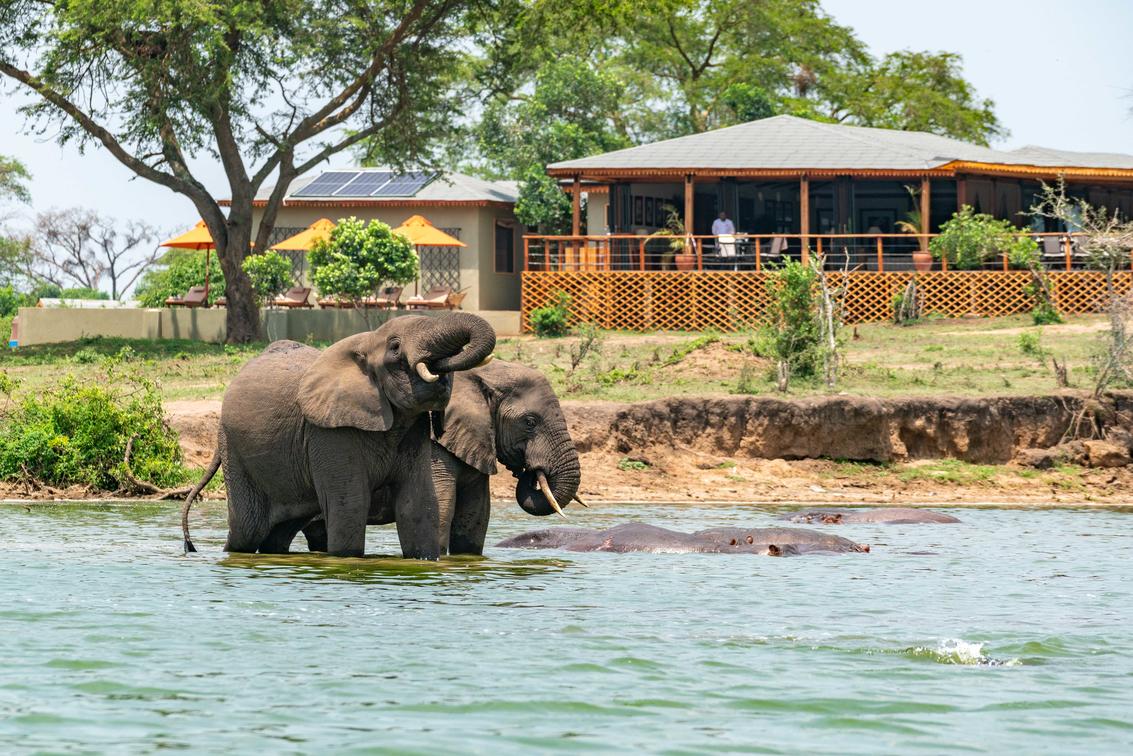
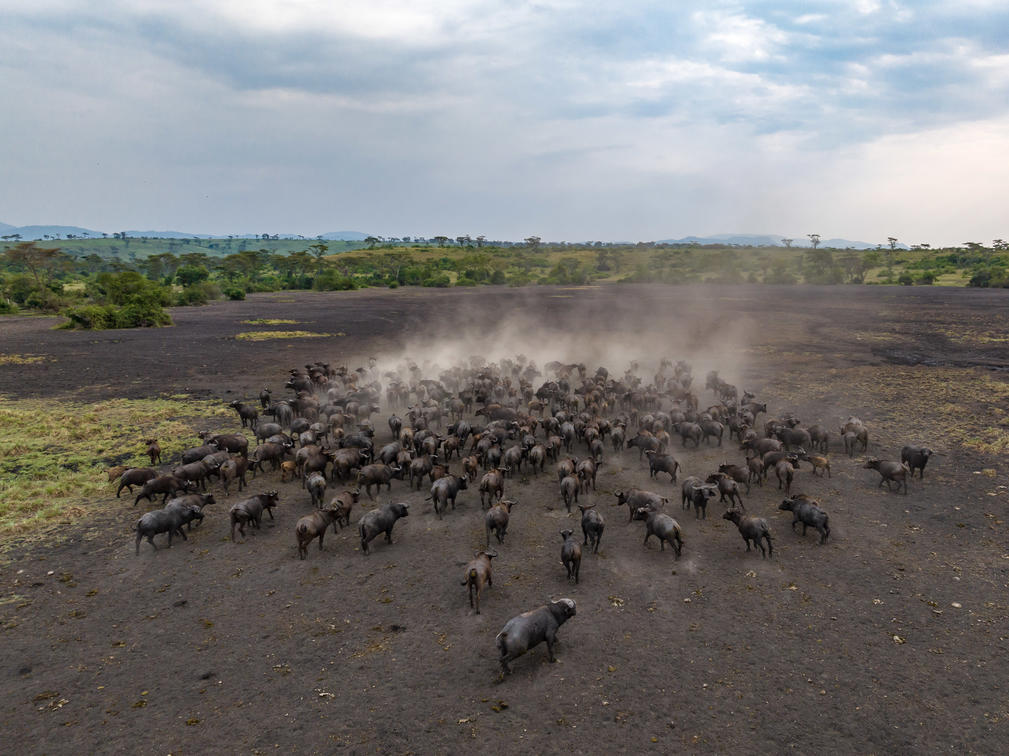
The park is home to over 95 mammal species, including the 'Big Four' (lions, leopards, elephants, and buffaloes), and a staggering 600 bird species, making it a birdwatcher's paradise. The famous tree-climbing lions of the Ishasha sector are a unique highlight, attracting visitors from across the globe. The Kazinga Channel, connecting Lake Edward and Lake George, teems with hippos and crocodiles, while its banks host an incredible concentration of waterbirds.
Beyond the charismatic megafauna, the park's ecosystems play a crucial role in regional ecological health. The wetlands filter water, the forests absorb carbon dioxide, and the diverse plant life supports countless insect species, forming the base of the food web. Protecting this intricate web is paramount for the long-term viability of the entire region.
Queen Elizabeth National Park is a vibrant mosaic of ecosystems, a living testament to nature's resilience and a critical sanctuary for Uganda's precious wildlife heritage.
Challenges to Conservation in Southern Queen Elizabeth National Park
Despite its protected status, Queen Elizabeth National Park faces significant and complex conservation challenges. These issues often stem from the increasing human population density around its borders, leading to direct and indirect pressures on the park's resources and wildlife.
Human-Wildlife Conflict
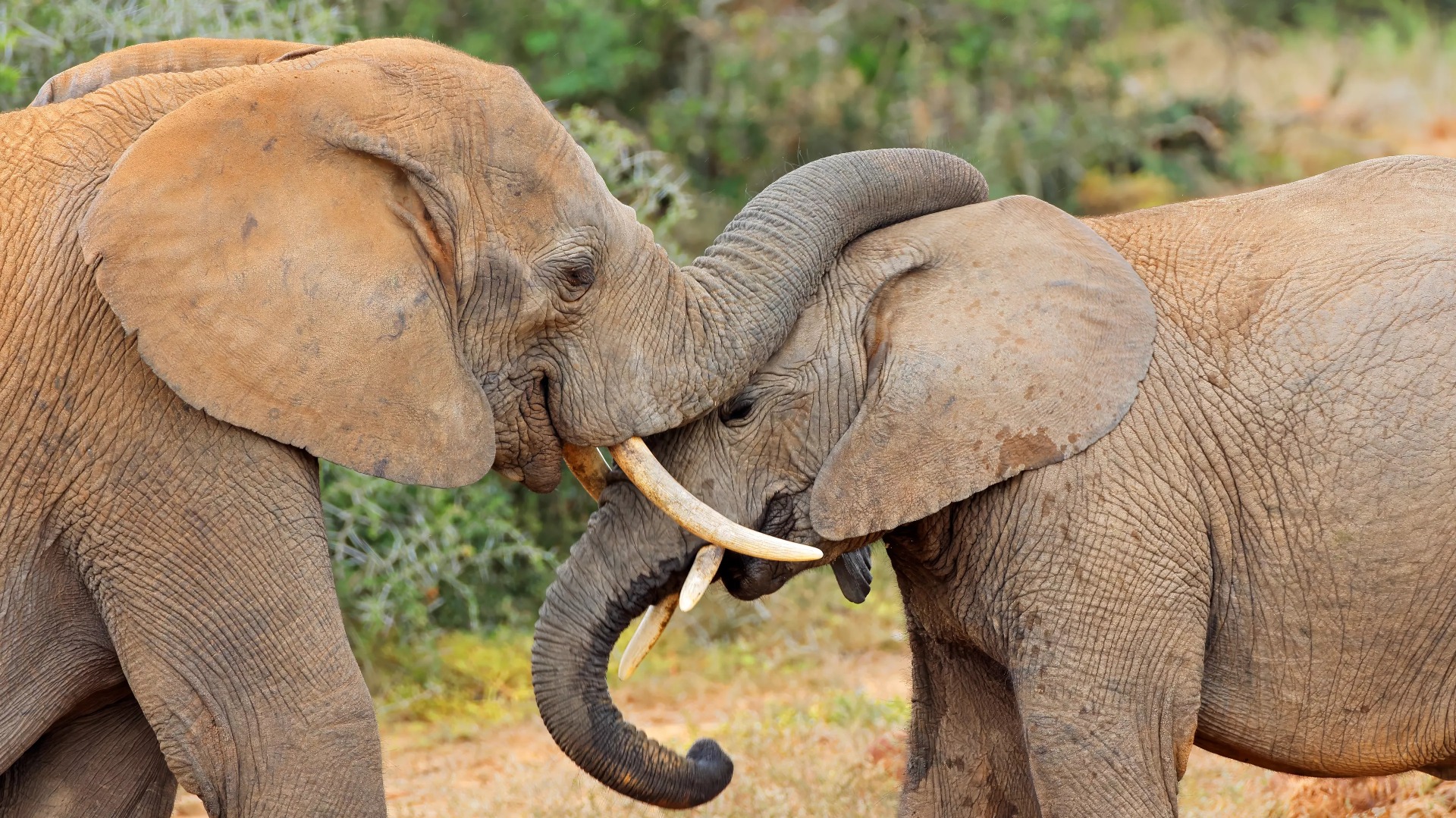
One of the most pressing issues is human-wildlife conflict. As human settlements expand, and agricultural land encroaches on the park's boundaries, encounters between people and wildlife become more frequent. Elephants raiding crops, lions preying on livestock, and baboons damaging property are common occurrences, leading to animosity and retaliatory killings of animals.
This conflict not only threatens individual animals but also undermines conservation efforts by eroding local communities' support for wildlife protection. Finding sustainable solutions that benefit both people and wildlife is a continuous and complex endeavour.
Poaching and Illegal Wildlife Trade
Poaching remains a persistent threat, driven by demand for bushmeat, ivory, and other wildlife products. While anti-poaching patrols have intensified, the vastness of the park makes it challenging to monitor every corner effectively. Snares set for smaller animals often injure or kill larger species, including elephants and buffaloes.
The illegal wildlife trade is a global issue, and Uganda, like many African nations, is on the front lines. Combating this trade requires not only local enforcement but also international cooperation to disrupt supply chains and reduce demand.
Habitat Degradation and Encroachment
Habitat degradation due to illegal logging, charcoal production, and agricultural expansion further threatens the park's integrity. These activities reduce the available habitat for wildlife, fragment ecosystems, and can lead to soil erosion and water pollution. The loss of critical corridors also isolates wildlife populations, making them more vulnerable to disease and genetic bottlenecks.
Climate change also plays a role, with altered rainfall patterns and increased temperatures potentially impacting water sources and vegetation, further stressing already vulnerable ecosystems.
Innovative Conservation Initiatives
To address these multifaceted challenges, a range of innovative and collaborative conservation initiatives are being implemented within and around Queen Elizabeth National Park. These efforts often involve a combination of direct protection, community engagement, and scientific research.
Community Engagement and Livelihood Projects
Recognising that local communities are key to long-term conservation success, many projects focus on improving livelihoods and fostering a sense of ownership over wildlife. This includes initiatives such as:
Revenue Sharing: A portion of park entry fees is directed back to local communities for development projects like schools, health centres, and clean water sources.
Conservation Education: Programmes in local schools and communities raise awareness about the value of wildlife and the importance of conservation.
Alternative Livelihoods: Supporting sustainable agriculture, beekeeping, and craft production reduces reliance on activities that harm the park.
Chilli Farming: Farmers are encouraged to plant chilli peppers around their fields, as elephants dislike the smell and taste, acting as a natural deterrent to crop raiding.
These initiatives aim to demonstrate that wildlife can be a source of benefit, not just conflict, for local populations.
Anti-Poaching and Wildlife Monitoring
Ranger patrols are the backbone of anti-poaching efforts, conducting regular sweeps, removing snares, and apprehending poachers. These teams are often supported by advanced technology, including GPS tracking, drones, and camera traps, to monitor wildlife movements and detect illegal activities.
Wildlife monitoring programmes track key species populations, such as lions and elephants, to assess their health, distribution, and breeding success. This data is crucial for informing management decisions and ensuring effective conservation strategies.
Habitat Restoration and Management
Efforts are underway to restore degraded habitats, including reforestation projects and wetland rehabilitation. Controlled burning is also used in some areas to manage savanna ecosystems, prevent large uncontrolled fires, and promote the growth of fresh grasses for grazers.
The management of water resources, particularly during dry seasons, is also critical for supporting the park's diverse wildlife populations. This involves protecting natural springs and ensuring sustainable water access.
The Role of Sustainable Tourism
Sustainable tourism plays a pivotal role in the conservation of Queen Elizabeth National Park. By attracting travellers who appreciate and respect the natural environment, tourism provides essential funding, creates local employment, and raises global awareness.
Funding Conservation Efforts
A significant portion of park entry fees and concession fees from lodges and tour operators directly contributes to conservation initiatives. This revenue funds ranger salaries, anti-poaching equipment, community projects, and scientific research. Without this financial support, many vital programmes would not be possible.
When you embark on a safari with Encounters Africa, you are directly contributing to these efforts, ensuring the long-term protection of the park's wildlife and ecosystems.
Economic Benefits for Local Communities
Tourism provides employment opportunities for local people as guides, lodge staff, craft producers, and service providers. This economic benefit incentivises communities to protect the park, as their livelihoods become intrinsically linked to its success. It offers a tangible alternative to activities that might otherwise degrade the environment.
Encounters Africa prioritises working with local communities and supporting businesses that uphold ethical and sustainable practices, ensuring that the benefits of tourism are widely shared.
Raising Awareness and Advocacy
Travellers returning from Uganda become ambassadors for conservation, sharing their experiences and inspiring others to support wildlife protection. The stories of Queen Elizabeth National Park's unique wildlife and the dedicated people working to save it resonate globally, fostering a wider understanding of conservation needs.
By witnessing these efforts firsthand, visitors gain a deeper appreciation for the delicate balance of nature and the importance of preserving it for future generations.
Planning Your Conservation-Focused Safari
For those inspired to witness and support these conservation efforts, planning a safari to Queen Elizabeth National Park is an unforgettable experience. Encounters Africa offers bespoke itineraries designed to immerse you in the park's wonders while ensuring your visit contributes positively to its future.
Best Time to Visit
The best time to visit Queen Elizabeth National Park is during the dry seasons, from January to February and from June to September. During these months, wildlife is easier to spot as animals congregate around water sources, and the vegetation is less dense. The roads are also generally in better condition, making travel within the park more comfortable.
However, the wet seasons (March to May and October to December) offer lush landscapes, migratory birds, and fewer crowds, providing a different, equally rewarding experience.
What to Expect on Your Safari
A safari in Queen Elizabeth National Park typically includes:
Game Drives: Exploring the Kasenyi plains and Ishasha sector for lions, elephants, buffaloes, and antelopes.
Boat Safari on the Kazinga Channel: A highlight, offering incredible views of hippos, crocodiles, and diverse birdlife.
Chimpanzee Tracking: In the Kyambura Gorge or Kalinzu Forest, offering an intimate encounter with our primate relatives.
Community Visits: Opportunities to interact with local communities and learn about their conservation initiatives.
Crater Lake Exploration: Discovering the park's stunning volcanic features and unique ecosystems.
Encounters Africa can tailor your itinerary to your interests, ensuring a personalised and impactful journey.
Conclusion: A Future for Uganda's Wildlife
The conservation of Queen Elizabeth National Park is a complex, ongoing endeavour, but one filled with hope and dedication. It is a powerful example of how sustained effort, community involvement, and responsible tourism can safeguard invaluable natural heritage. The park's vibrant ecosystems and the incredible diversity of life they support are a treasure not just for Uganda, but for the entire world.
By choosing to travel with Encounters Africa, you become an integral part of this conservation story. Your journey helps to fund vital protection programmes, empower local communities, and ensure that the roar of the lion and the trumpeting of the elephant continue to echo across the savannas of Queen Elizabeth National Park for generations to come.
Every journey to Queen Elizabeth National Park is a step towards securing a wilder, brighter future for Uganda's magnificent biodiversity.
For discerning travellers seeking a private safari beyond our set itineraries, we invite you to contact us directly. We specialise in designing exceptional, tailor-made journeys for individuals, couples, families, and private groups of up to eight guests. Drawing on our handpicked network of distinguished camps and lodges, we curate every detail with precision and care, creating a seamless, deeply personal safari experience shaped entirely around your preferences, pace, and budget.
More like this
Conservation
Scientists Track Rapid Retreat of Kilimanjaro's Glaciers and What It Means for East Africa
conservation
Selinda Reserve: A Jewel of Botswana's Conservation Landscape
Conservation
South Africa's Wildlife Recovery: Key Figures Behind Rhino and Elephant Protection
conservation
Thornybush Game Reserve: A Beacon of Conservation in South Africa
Conservation
What Botswana's Wildlife Recovery Teaches Us About Shared Landscapes
Conservation