conservation
Safeguarding Kruger: A Deep Dive into Conservation Efforts
Encounters Africa - 8 min read
Updated on 1 May 2026
Kruger National Park, a name synonymous with unparalleled wildlife viewing and vast African landscapes, stands as a beacon of biodiversity. However, this iconic wilderness in South Africa faces immense challenges, from poaching to climate change. The ongoing mission of conserving Kruger National Park is a complex, multi-faceted endeavour, requiring dedication, innovation, and global collaboration. It's a story of human commitment to protecting one of Earth's most precious natural heritage sites.
At Encounters Africa, we believe that responsible travel goes hand-in-hand with conservation. Understanding the intricate efforts involved in safeguarding Kruger not only enriches the safari experience but also highlights the critical importance of sustainable tourism in supporting these vital initiatives. Join us as we explore the strategies and passionate individuals working tirelessly to preserve this magnificent ecosystem for future generations.
The Pillars of Conserving Kruger National Park
The conservation strategy for Kruger National Park rests on several key pillars, each addressing a specific threat or aspect of ecosystem management. These include anti-poaching operations, habitat management, community involvement, and scientific research. Each component is crucial for maintaining the park's ecological integrity and ensuring the long-term survival of its diverse species.
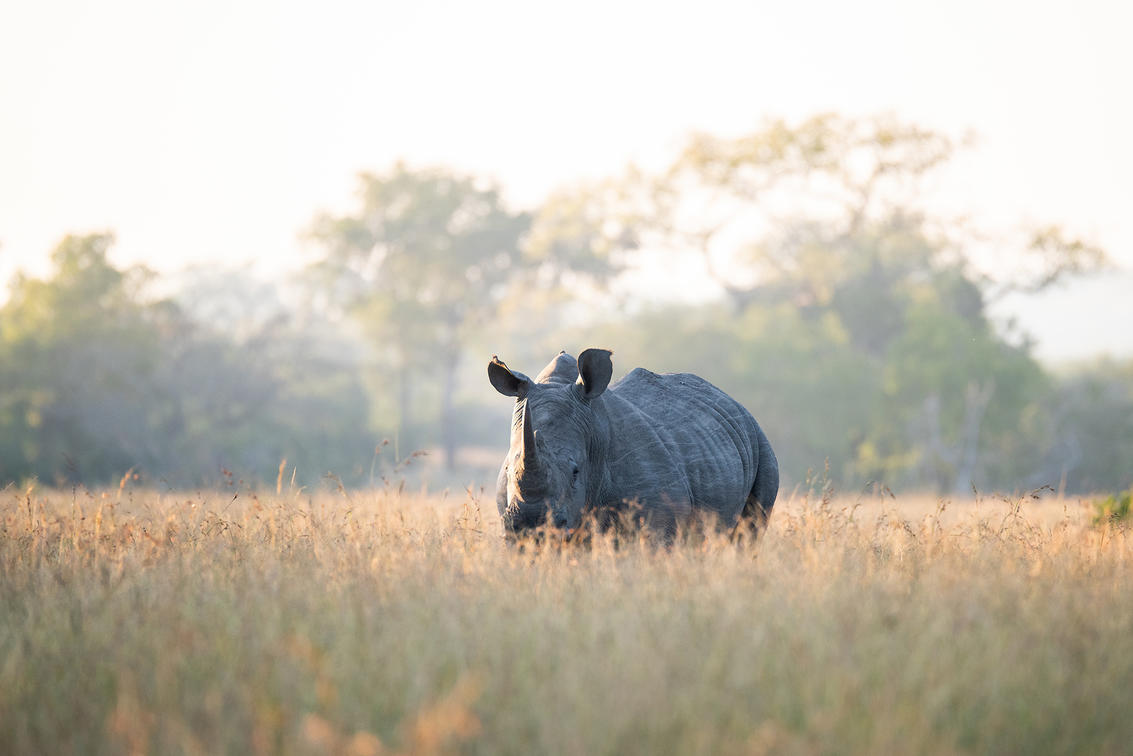
Anti-poaching efforts are perhaps the most visible and urgent aspect of conservation, particularly concerning rhinos. However, a holistic approach recognises that protecting wildlife also means protecting their environment and involving the people who live alongside them.
"Kruger National Park is more than just a wildlife sanctuary; it's a living laboratory and a testament to what dedicated conservation can achieve against formidable odds."
Anti-Poaching and Wildlife Protection
The relentless fight against poaching, especially of rhinos, is a daily battle in Kruger. Highly trained anti-poaching units, often supported by advanced technology, patrol vast areas of the park. These teams comprise rangers, K9 units, aerial surveillance, and intelligence networks.
Ranger Patrols: Ground teams conduct regular patrols, often on foot, covering challenging terrain to detect and deter poachers.
Aerial Surveillance: Helicopters and drones provide vital eyes in the sky, enabling rapid response and monitoring of large areas.
K9 Units: Specially trained dogs are invaluable for tracking poachers and detecting contraband.
Intelligence Gathering: Working with local communities and international agencies helps dismantle poaching syndicates.
Technology Integration: Thermal imaging, remote sensors, and data analytics are increasingly used to predict and prevent poaching incidents.
The dedication of these men and women on the front lines is truly inspiring. Their courage and commitment are paramount in the ongoing struggle to protect Kruger's endangered species.
Habitat Management and Ecosystem Health
Beyond protecting individual animals, effective conservation in Kruger involves meticulous habitat management. This ensures the health and balance of the entire ecosystem, benefiting all species.
Fire Management: Controlled burns are essential for maintaining the savanna grasslands, preventing uncontrolled wildfires, and promoting new growth for grazers.
Water Provision: Artificial waterholes are strategically managed, especially during dry seasons, to support wildlife populations. However, their placement is carefully considered to avoid overgrazing in certain areas.
Alien Plant Removal: Invasive plant species can outcompete native flora, disrupting the ecosystem. Ongoing efforts focus on identifying and removing these non-native plants.
Corridor Management: Maintaining wildlife corridors allows animals to move freely between protected areas, promoting genetic diversity and adapting to environmental changes.
These interventions are guided by scientific research, ensuring that management practices are ecologically sound and sustainable.
Community Engagement: The Human Element of Conservation
True conservation success in South Africa, and particularly in Kruger, cannot be achieved without the active involvement and support of local communities. The park is surrounded by numerous communities whose livelihoods are often intertwined with its fate.
Empowering Local Communities
Encounters Africa understands that conservation is not just about fences and rangers; it's about people. Initiatives focus on providing tangible benefits to communities, fostering a sense of ownership and partnership in conservation efforts.
Job Creation: Employment opportunities within the park, such as rangers, guides, and hospitality staff, provide sustainable incomes.
Education and Awareness: Programmes educate local children and adults about the value of wildlife and the importance of conservation, building a future generation of environmental stewards.
Resource Sharing: Some programmes explore ways for communities to benefit from natural resources sustainably, such as through ecotourism or responsible harvesting.
Healthcare and Infrastructure: Support for community development projects, including healthcare and infrastructure, can improve living standards and reduce reliance on illegal activities.
When communities see direct benefits from conservation, their commitment to protecting the park strengthens significantly.
Addressing Human-Wildlife Conflict
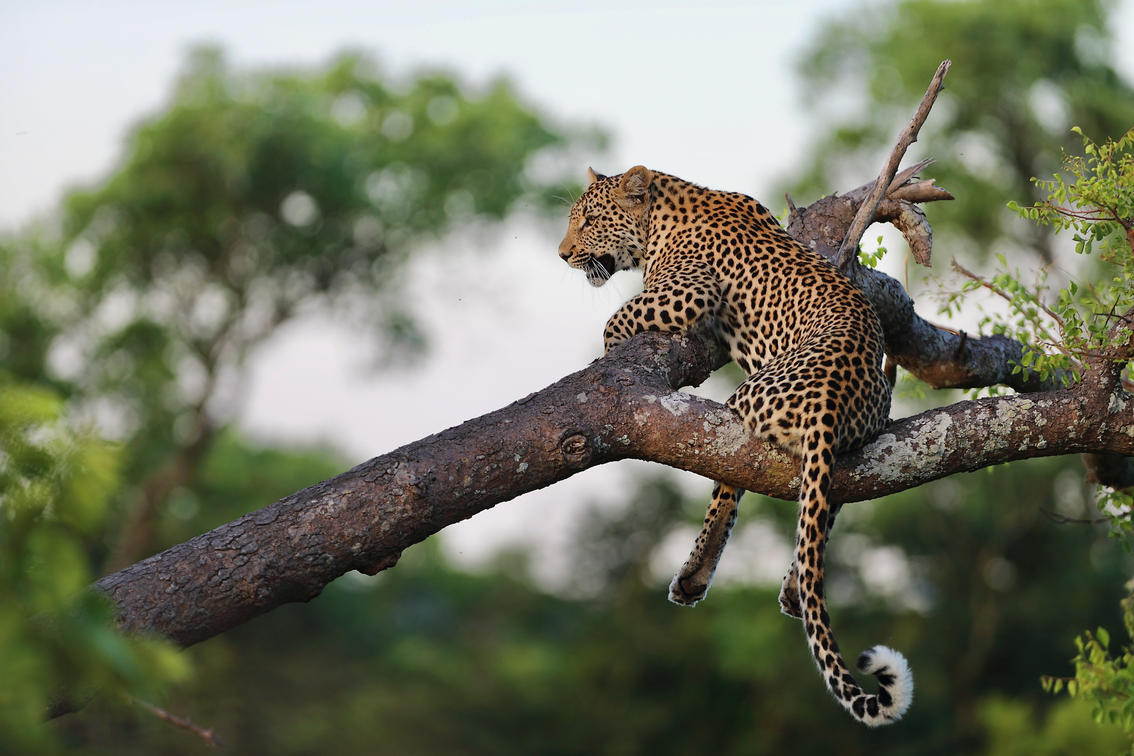
Living alongside large, wild animals can present challenges for communities. Human-wildlife conflict, such as crop raiding by elephants or livestock predation by predators, requires careful management.
Conservationists in Kruger work to implement strategies that mitigate these conflicts, such as erecting elephant-proof fences around agricultural areas, developing early warning systems for dangerous animals, and providing compensation for losses. These efforts are crucial for maintaining positive relationships between the park and its neighbours.
Scientific Research and Innovation in Kruger
Kruger National Park is not only a tourist destination but also a vital centre for scientific research. Understanding the complex dynamics of its ecosystems is fundamental to effective conservation.
Monitoring and Data Collection
Scientists and researchers continuously monitor wildlife populations, vegetation health, and climate patterns within the park. This data is critical for informed decision-making.
Wildlife Census: Regular counts of key species like elephants, rhinos, and predators help assess population trends and health.
Ecological Surveys: Monitoring vegetation, water quality, and soil health provides insights into ecosystem changes.
Disease Surveillance: Tracking animal diseases helps prevent outbreaks that could decimate populations.
The long-term datasets collected in Kruger are invaluable for understanding ecological processes and the impacts of environmental change.
Technological Advancements
Innovation plays a significant role in enhancing conservation efforts. New technologies are constantly being explored and implemented.
GPS Tracking: Collaring animals with GPS devices provides crucial data on movement patterns, habitat use, and early warnings of potential poaching.
Remote Sensing: Satellite imagery and drones are used to monitor habitat changes, detect fires, and track illegal activities.
DNA Forensics: Analysing DNA from poached animals helps trace the origin of illegal wildlife products, aiding in prosecution.
Artificial Intelligence: AI is being explored for predictive analytics, identifying poaching hotspots, and optimising patrol routes.
These technological tools significantly enhance the efficiency and effectiveness of conservation interventions.
The Role of Tourism in Conserving Kruger National Park
Responsible tourism is a powerful force for conservation in Kruger. The revenue generated from park fees and safari operations directly funds many of the initiatives discussed above. When you choose a safari with Encounters Africa, you are directly contributing to these vital efforts.
Funding Conservation
Every visitor to Kruger National Park contributes to its upkeep. Park entrance fees, concession fees paid by lodges, and tourism levies all flow back into conservation programmes.
Direct Financial Support: Funds are allocated to anti-poaching, habitat management, research, and community projects.
Economic Incentive: Tourism creates a strong economic incentive for governments and local communities to protect wildlife and natural habitats.
Awareness and Advocacy: Visitors become ambassadors for conservation, raising awareness and support for Kruger's plight globally.
A well-managed safari industry ensures that the economic benefits are sustainable and directly support the park's long-term health.
Ethical Safari Practices
Encounters Africa is committed to ethical safari practices that minimise environmental impact and maximise positive contributions to conservation. This includes:
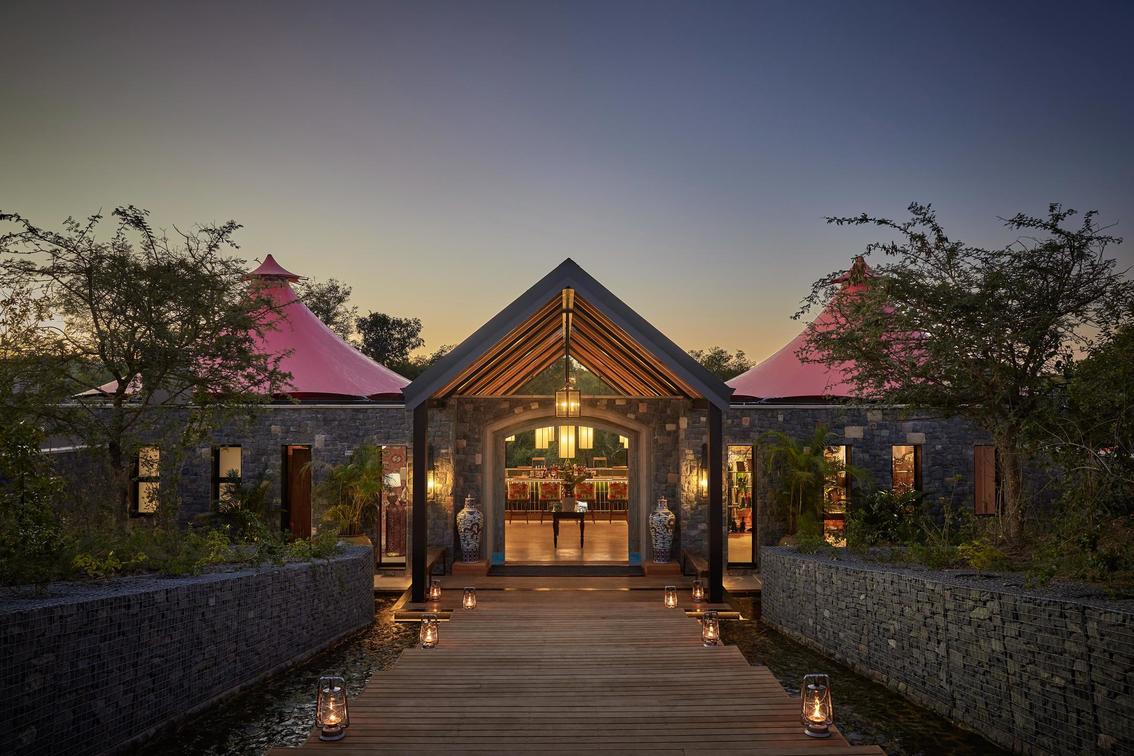
Supporting Eco-Lodges: Partnering with lodges that have strong environmental policies, employ local staff, and engage in community projects.
Minimising Footprint: Encouraging responsible behaviour from travellers, such as staying on designated roads, respecting wildlife, and reducing waste.
Educating Travellers: Providing guests with information about conservation challenges and how their visit makes a difference.
By choosing a reputable and responsible tour operator, travellers can ensure their safari experience is both unforgettable and impactful in a positive way.
Conclusion: A Shared Responsibility for Kruger's Future
Conserving Kruger National Park is an ongoing, dynamic process that requires continuous adaptation and unwavering commitment. From the brave anti-poaching rangers to the dedicated scientists and the engaged local communities, countless individuals are working to secure its future. The challenges are immense, but so is the resolve to protect this irreplaceable natural treasure.
As travellers, our role is significant. By choosing to visit Kruger responsibly and supporting operators like Encounters Africa who prioritise ethical and sustainable practices, we become active participants in its conservation story. Your journey to Kruger is not just a holiday; it's an investment in the future of African wildlife and a testament to the power of collective action.
For discerning travellers seeking a private safari beyond our set itineraries, we invite you to contact us directly. We specialise in designing exceptional, tailor-made journeys for individuals, couples, families, and private groups of up to eight guests. Drawing on our handpicked network of distinguished camps and lodges, we curate every detail with precision and care, creating a seamless, deeply personal safari experience shaped entirely around your preferences, pace, and budget.
"The future of Kruger's magnificent wildlife rests on the collective actions we take today, ensuring its roar echoes for generations to come."
More like this
conservation
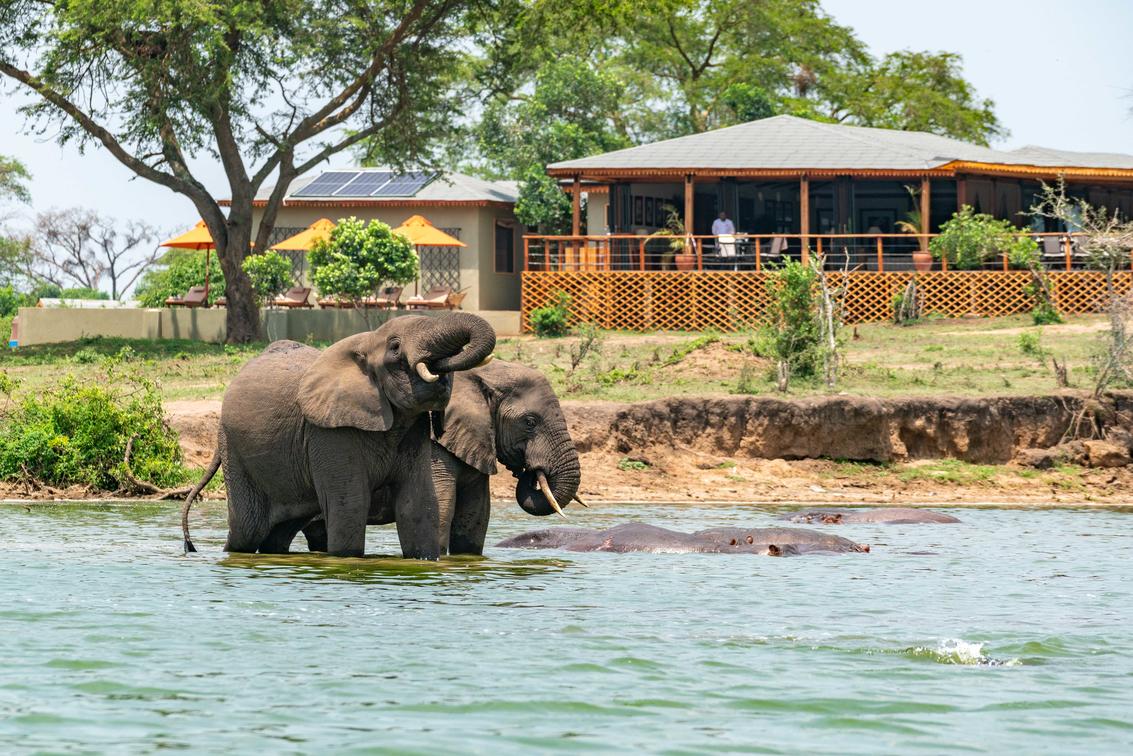
Safeguarding Uganda's Crown Jewel: Queen Elizabeth National Park
Conservation
Scientists Track Rapid Retreat of Kilimanjaro's Glaciers and What It Means for East Africa
conservation
Selinda Reserve: A Jewel of Botswana's Conservation Landscape
Conservation
South Africa's Wildlife Recovery: Key Figures Behind Rhino and Elephant Protection
conservation
Thornybush Game Reserve: A Beacon of Conservation in South Africa
Conservation