News
Tanzania Reports Sharp Rise in Key Wildlife Populations Across Northern Parks
Encounters Africa - 11 min read
Updated on 22 July 2026
Tanzania's wildlife populations have recorded a sharp rise across its flagship northern parks, according to the latest government surveys released in early 2025. The data reveals healthy increases in key species including elephants, lions and buffalo, particularly within the Serengeti ecosystem and Ngorongoro Crater. These positive developments stem from intensified anti-poaching efforts, expanded community-led protection initiatives, and improved habitat management practices that have taken root over the past decade.
This news arrives at a pivotal moment for conservation across East Africa. It underscores how targeted interventions can yield measurable results even amid broader challenges such as climate variability and human-wildlife conflict. For travellers planning a safari in Tanzania, these figures point to richer wildlife encounters and reinforce the value of supporting responsible operators who contribute directly to these outcomes.
The recent uptick in Tanzania's iconic species demonstrates what becomes possible when scientific monitoring, dedicated rangers and local communities align their efforts towards a common purpose.
What the Latest Wildlife Census Data Reveals
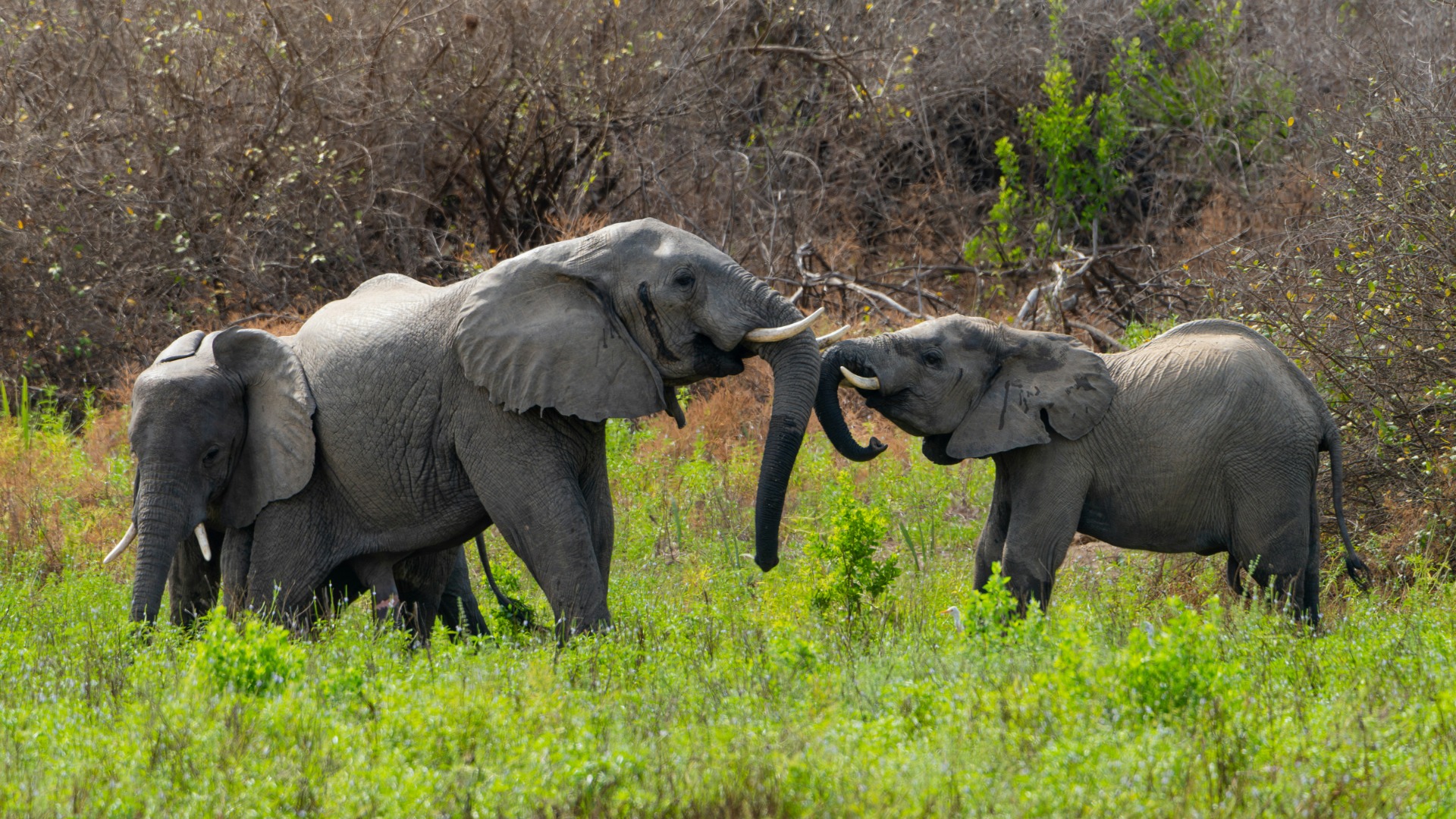
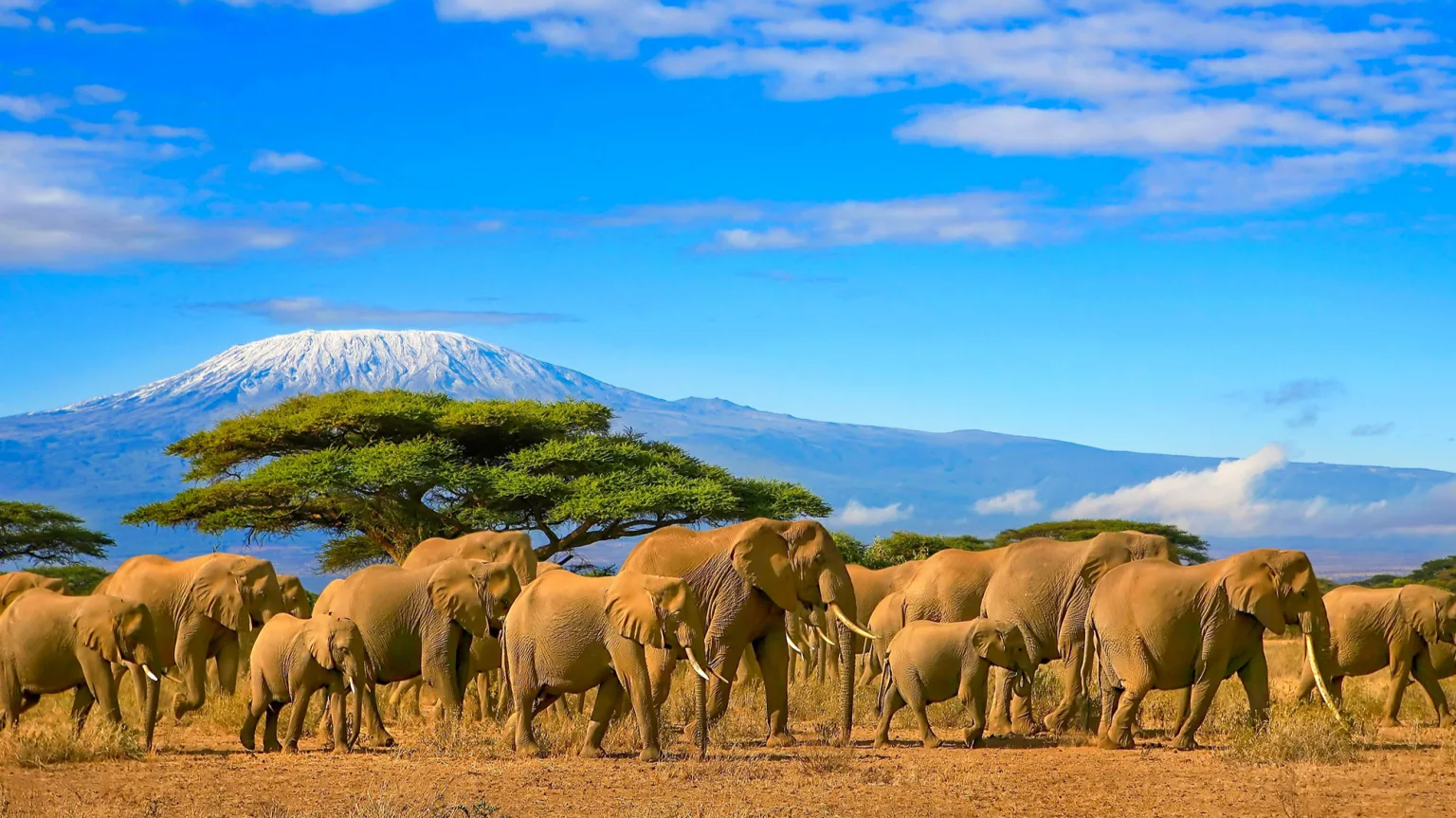
The Tanzania Wildlife Research Institute (TAWIRI) conducted comprehensive aerial and ground surveys between June and October 2024, covering more than 25,000 square kilometres of prime habitat. Results show elephant numbers in the Serengeti-Mara ecosystem have grown by 18 percent since the 2019 count, reaching an estimated 7,200 individuals. Lion populations have increased by 12 percent in the same period, now numbering around 3,800 across the greater Serengeti landscape.
Buffalo herds have shown particularly robust recovery, with a 22 percent rise recorded in Ngorongoro Conservation Area. This brings the crater's buffalo population to approximately 4,100, the highest figure documented in the past 25 years. These statistics represent more than numbers on a page; they translate into visibly healthier herds and more frequent predator-prey interactions that define the rhythm of a classic African safari experience.
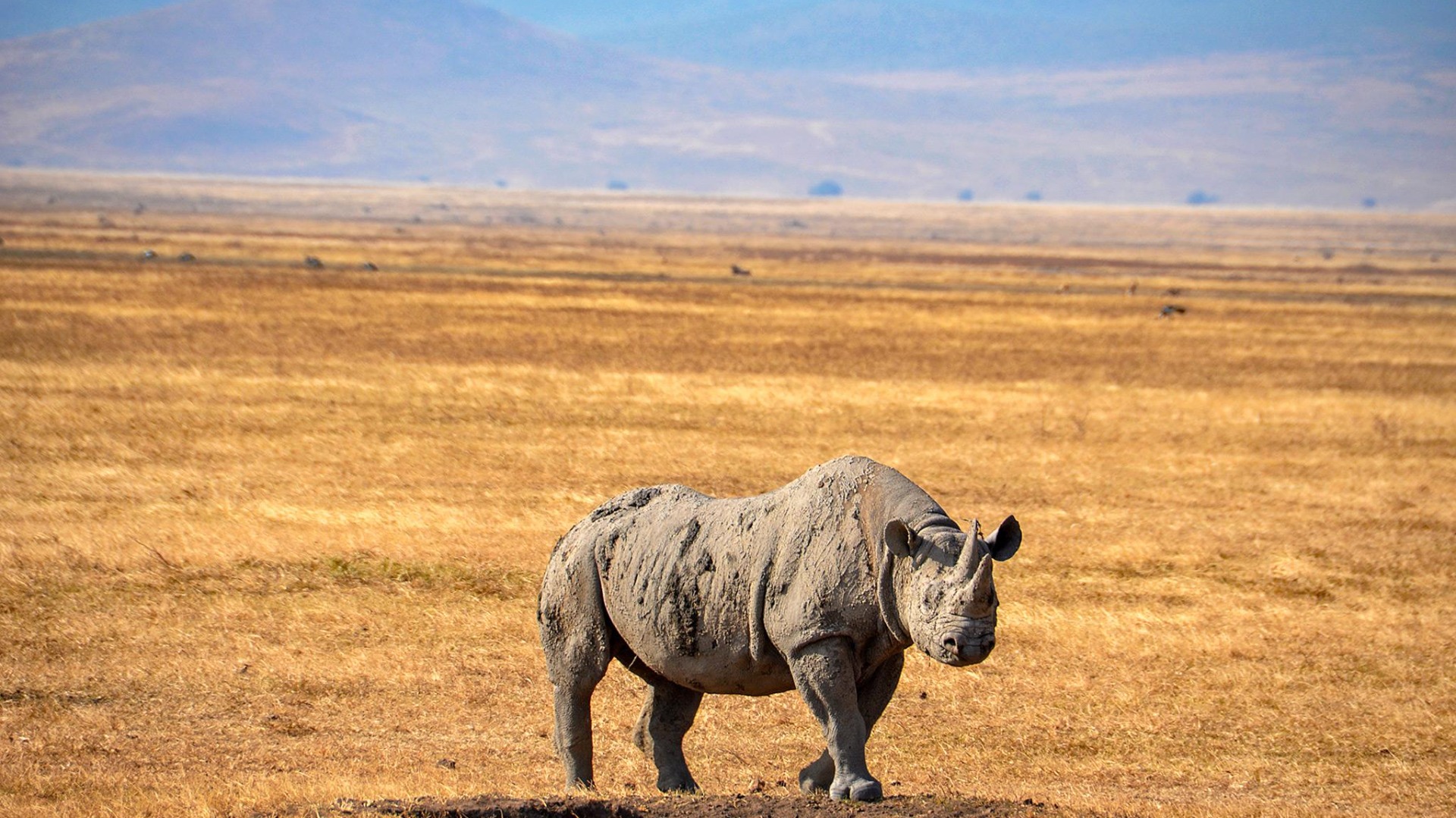
Smaller but equally significant gains were noted among endangered species. Black rhino numbers in Ngorongoro have edged upwards to 78 individuals, while the greater Serengeti cheetah population stands at roughly 250 adults and sub-adults. Such incremental progress reflects years of painstaking work by conservation teams operating in often challenging conditions.
Breaking Down the Numbers by Park
In Serengeti National Park proper, elephant densities have climbed from 1.2 to 1.8 animals per square kilometre in key sectors. The central plains and western corridor show the strongest gains, areas where water availability has been enhanced through careful management of seasonal wetlands.
Ngorongoro Crater continues to function as a natural laboratory for population dynamics. The crater floor supports one of the densest concentrations of large mammals on the continent, and the latest figures confirm that this fragile ecosystem remains in balance despite increasing pressure from surrounding agricultural lands.

These increases are not accidental. They result from sustained investment in ranger training, real-time intelligence networks, and genuine partnerships with the communities that share the land with wildlife.
Key Factors Driving Tanzania Wildlife Recovery
The most significant contributor to these encouraging trends has been the substantial strengthening of anti-poaching operations. Between 2020 and 2024, the number of trained rangers deployed across northern Tanzania increased by 43 percent. Advanced technologies including camera traps, drone surveillance and mobile data collection systems have transformed how patrols are conducted and coordinated.
Community conservancies surrounding the national parks have played an equally vital role. Programmes that provide direct economic benefits to local villages from wildlife tourism have reduced poaching incidents by creating tangible incentives for protection. In the areas bordering Serengeti, several villages now generate more income from photographic safaris and cultural visits than from traditional livestock practices.
Habitat restoration projects have also borne fruit. Controlled burning regimes, invasive species management and the creation of new water sources during dry periods have improved carrying capacity across multiple ecosystems. These interventions demonstrate how thoughtful landscape-level management can support larger wildlife populations without compromising ecological integrity.
The Role of International Partnerships
Collaborations with organisations such as the Frankfurt Zoological Society, African Wildlife Foundation and various academic institutions have provided essential scientific backing and funding. Long-term monitoring programmes, some running for more than three decades, offer the baseline data necessary to interpret current population changes accurately.
Importantly, these partnerships increasingly emphasise capacity building within Tanzanian institutions. Local researchers now lead many of the analytical components, ensuring that conservation strategies remain rooted in national priorities and contextual understanding.
How Stronger Anti-Poaching Patrols Make a Difference
The transformation in anti-poaching capability has been remarkable. Where once patrols relied primarily on foot and basic radio communication, many units now operate with real-time satellite tracking, night-vision equipment and rapid response vehicles. This modernisation has dramatically reduced response times to incidents and increased the likelihood of successful prosecutions.
Intelligence-led operations have proven particularly effective. Networks of informants within communities, combined with cross-border cooperation with Kenyan authorities, have disrupted several major poaching syndicates operating in the greater Serengeti-Mara region. The conviction rate for wildlife crimes in Tanzania has risen from 47 percent in 2018 to 81 percent in 2024.
These enforcement measures work hand in hand with prevention strategies. Community education programmes reaching more than 45,000 people annually have helped shift attitudes towards illegal wildlife activities. When local people understand both the ecological importance of species and the legal consequences of poaching, sustainable behaviour change becomes more achievable.
Technology in the Service of Conservation
The deployment of over 1,200 camera traps across key corridors has generated an extraordinary dataset. Artificial intelligence systems now help rangers analyse thousands of images quickly, identifying both wildlife movements and potential threats. This technological leap has allowed conservation teams to cover far greater areas with limited human resources.
Similar innovations in water point monitoring and vegetation mapping using satellite imagery provide early warning of potential conflict zones, enabling proactive management rather than reactive responses.

What These Population Increases Mean for Future Safaris
For those planning a safari in Tanzania, the implications are profoundly positive. Higher wildlife densities generally translate into more frequent and rewarding sightings, particularly in the shoulder seasons when visitor numbers are lower. The greater Serengeti ecosystem, already renowned for its spectacular wildebeest migration, now offers even richer predator viewing opportunities as lion and cheetah numbers continue to recover.
The improved health of buffalo and elephant populations enhances the entire food web. Healthy prey bases support not only large carnivores but also the smaller predators, birds of prey and scavengers that contribute to the complex tapestry of safari experiences. Guests at well-managed camps frequently report seeing more species in a single game drive than was typical a decade ago.
Importantly, these gains have not come at the expense of wilderness quality. The northern parks maintain their sense of remoteness and authenticity, offering that profound connection with wild places that discerning travellers seek. The knowledge that one's visit contributes to these conservation successes adds meaningful depth to the experience.
Choosing Operators Who Support Conservation
Not all safari experiences contribute equally to these outcomes. Travellers who select operators with demonstrated commitment to conservation funding, fair employment practices and genuine community partnerships ensure their journeys have positive impact. Encounters Africa works exclusively with camps and lodges that meet these exacting standards.
Elewana Serengeti Pioneer Camp and Entamanu Ngorongoro exemplify this approach, directing significant resources towards local conservation initiatives while offering exceptional guiding and accommodation.
Community-Led Protection Programmes Showing Results
One of the most heartening aspects of Tanzania's wildlife recovery story lies in the growing leadership of local communities. The establishment of Wildlife Management Areas (WMAs) has given villages greater authority over natural resources on their lands. Several of these community conservancies now generate substantial revenue from photographic tourism and carefully managed hunting concessions.
In the areas surrounding Tarangire and Lake Manyara, community conservancies have expanded by more than 40 percent since 2015. These buffer zones provide crucial connectivity for elephant movements between protected areas and have become important wildlife corridors in their own right.
Programmes that train local people as guides, trackers and researchers have created meaningful career pathways. Young people who once might have viewed wildlife primarily as competition for grazing land now see it as a valuable economic and cultural asset. This shift in perspective represents one of the most sustainable foundations for long-term conservation success.
Success Stories from the Ground
The Simanjiro Wildlife Management Area offers a compelling case study. Once plagued by widespread poaching, the area now supports healthy populations of zebra, wildebeest and giraffe, along with returning predators. Revenue from tourism has funded school construction, medical clinics and livestock improvement programmes, creating a virtuous cycle of community development and wildlife protection.
Similar successes are emerging across the northern circuit. These stories deserve to be shared widely, as they challenge outdated narratives about conservation in Africa and highlight the sophisticated, locally-driven solutions taking shape.
When communities benefit directly from living alongside wildlife, protection becomes not just a government responsibility but a shared cultural value passed between generations.
Challenges That Remain on the Horizon
Despite these encouraging developments, significant challenges persist. Climate change continues to alter rainfall patterns across East Africa, with implications for vegetation growth and water availability. The severe drought of 2022-2023 demonstrated how vulnerable even robust ecosystems can become during extended dry periods.
Human population growth around park boundaries increases pressure on limited resources. Finding ways for people and wildlife to coexist harmoniously requires ongoing innovation in land-use planning, compensation schemes for crop damage, and creative approaches to infrastructure development.
Global economic factors also influence conservation outcomes. Tourism revenue, while recovering strongly after the pandemic, remains sensitive to international events. Maintaining stable funding for protection efforts during lean periods represents an enduring challenge for park authorities.
The Importance of Long-Term Commitment
The gains documented in the 2024 surveys reflect more than a decade of consistent effort. Conservation success rarely happens quickly; it builds through sustained investment, adaptive management and the patient accumulation of knowledge. Tanzania's experience offers valuable lessons for other range states facing similar pressures.
Looking ahead, maintaining these positive trends will require continued vigilance and resources. The coming years will test the resilience of both ecosystems and the organisations dedicated to their protection.
Common Questions About Tanzania's Wildlife News
How significant are these population increases compared to other African countries? The 12-22 percent growth rates recorded in Tanzania's northern parks over five years represent some of the strongest recovery figures documented in East Africa during this period. While Kenya and parts of southern Africa have also seen positive trends in certain species, Tanzania's combination of vast protected areas and strong community involvement makes these gains particularly noteworthy.
Will these higher numbers mean more crowded safari experiences? Not necessarily. Tanzania has maintained sensible visitor management policies that limit vehicle numbers at sightings and protect the wilderness character of its parks. The increased wildlife densities tend to spread out rather than concentrate visitors, especially for those staying in more remote concessions or travelling during less busy months.
How can visitors contribute to these conservation successes? Choosing responsible operators, following ethical wildlife viewing guidelines, supporting community projects, and sharing accurate information about Tanzania's conservation efforts all make meaningful differences. Even small actions by informed travellers can help sustain the momentum of recent years.
Looking Forward with Cautious Optimism
The latest wildlife census data from Tanzania offers genuine cause for celebration. These measurable increases in elephant, lion, buffalo and other species reflect years of dedication by rangers, scientists, community leaders and conservation organisations working across challenging landscapes. They demonstrate that with sufficient resources, political will and local engagement, wildlife populations can recover even in the face of significant pressures.
For those who care deeply about Africa's natural heritage, this news brings both hope and renewed purpose. It reminds us that conservation is not a lost cause but an active, evolving field where thoughtful interventions can yield impressive results. The northern parks of Tanzania, already among the world's premier wildlife destinations, now stand as powerful examples of what effective protection can achieve.
Yet these gains remain fragile. Continued success depends on maintaining investment in protection, adapting to changing climatic conditions, and ensuring that local communities remain genuine partners in conservation. The coming decade will prove whether these positive trends can be sustained and extended to other parts of the country facing different challenges.
As travellers, we each have a role to play. By choosing journeys that support rather than simply observe these conservation efforts, we become part of the solution. The opportunity to witness thriving wildlife populations in their natural habitats carries with it a responsibility to help ensure such experiences remain available for future generations.
For discerning travellers seeking a private safari beyond our set itineraries, we invite you to contact us directly. We specialise in designing exceptional, tailor-made journeys for individuals, couples, families, and private groups of up to eight guests. Drawing on our handpicked network of distinguished camps and lodges, we curate every detail with precision and care, creating a seamless, deeply personal safari experience shaped entirely around your preferences, pace, and budget.
Discover more about responsible wildlife tourism in our guide to Tanzania safaris, explore the wonders of the Ngorongoro Crater, or learn about ethical photography practices that support conservation in our related article on field techniques for documenting Africa's wildlife.
More like this
News
Tanzania Strengthens Rhino Conservation With Expanded Antipoaching Patrols
news
Tanzania's 2026 Conservation Mandates: Key Changes for Serengeti and Selous Reserves
News
Tanzania's Poaching Crisis: Current Enforcement Measures and Their Outcomes

news
Uganda Mandates Stricter Nature Safeguards for 2026 Tourism Season
news
Uganda Prioritizes Tourist Safety Protocols Ahead of 2026 Boom
news