news
Tanzania's 2026 Conservation Mandates: Key Changes for Serengeti and Selous Reserves
Encounters Africa - 5 min read
Updated on 13 May 2026
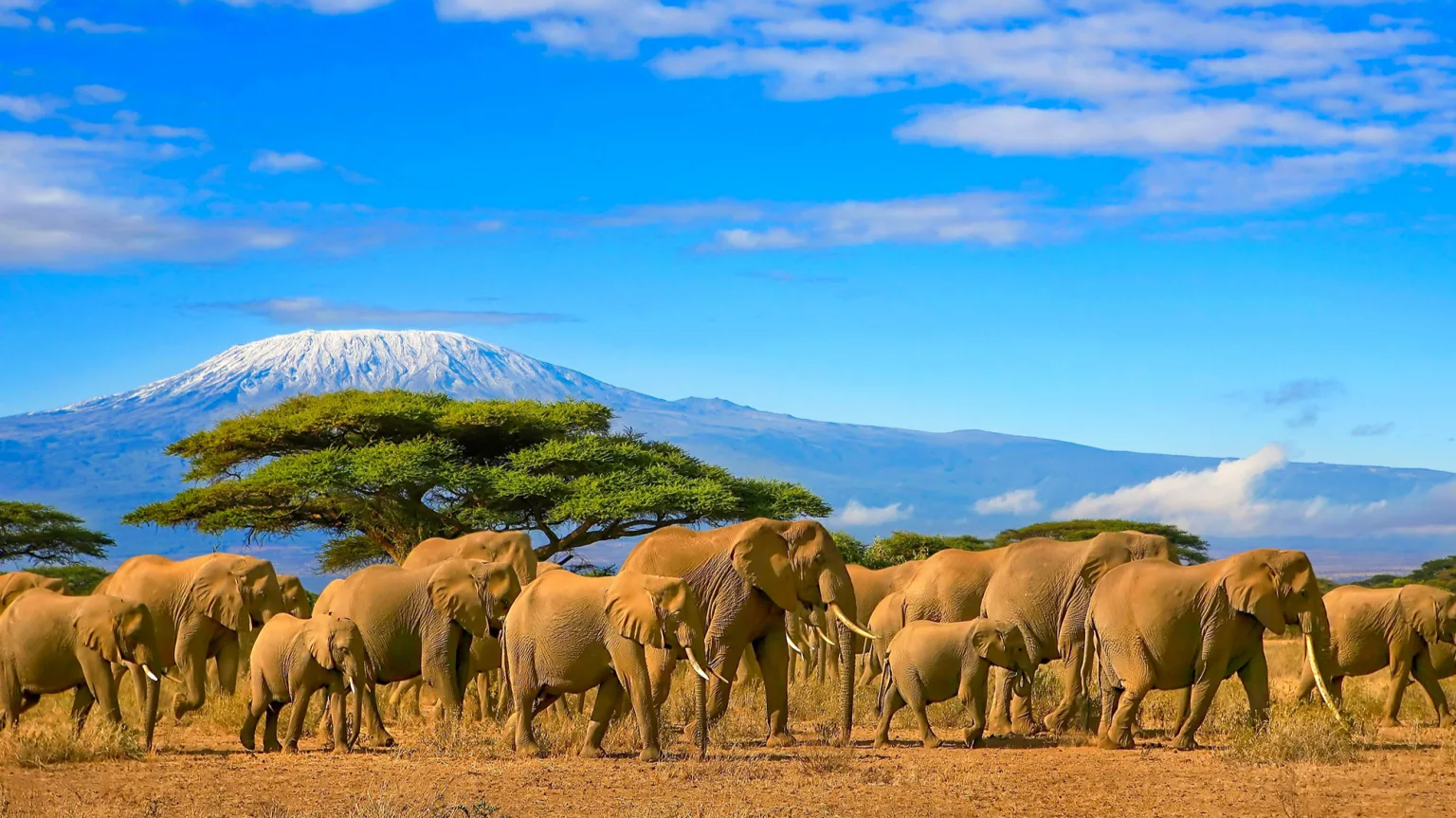
Tanzania's 2026 conservation mandates mark a pivotal shift in managing its premier wildlife reserves, with the Serengeti and Selous Game Reserve at the forefront. Authorities have introduced visitor caps reducing daily entries by 20% in the Serengeti to alleviate pressure on elephant herds, while Selous rolls out drone surveillance to deter poachers. These measures, effective from January 2026, aim to balance tourism growth with ecological health, ensuring the plains' thunderous migrations and Selous' wild expanses endure for future generations.
Picture the vast Serengeti under a relentless sun, where elephant matriarchs lead families to shrinking waterholes amid rising visitor numbers. Tanzania's bold quotas respond directly to data showing heightened stress levels in these herds, with cortisol readings elevated by 15% in high-traffic zones during peak seasons. This news reshapes safari planning, prioritising quality encounters over crowded spectacles.
Serengeti Visitor Caps: Protecting the Great Migration
The Serengeti National Park, famed for the world's largest terrestrial mammal migration, faces mounting strain from overtourism. Starting 1 January 2026, daily vehicle limits drop by 20%, capping entries at 450 from the current 560 during July-October peaks. This targets the wildebeest river crossings, where congestion disrupts natural behaviours.
Rangers report elephants altering migration routes to avoid safari traffic, leading to nutritional deficits. The new mandates enforce timed slots via digital permits, available 90 days in advance through the Tanzania National Parks Authority portal. Travellers booking Tanzania safari itineraries must secure these early to align with lodge stays.
"By limiting vehicles to 450 daily, Tanzania safeguards the Serengeti's pulse—the migration—while preserving intimate wildlife encounters."
Local communities near the park gates welcome the changes, as reduced congestion improves monitoring of illegal grazing. Encounters Africa anticipates smoother game drives, with lodges like those in the northern Serengeti adapting by offering exclusive low-vehicle zones.
Selous Drone Surveillance: A Tech-Driven Anti-Poaching Frontier
In the Selous Game Reserve, spanning 50,000 square kilometres of miombo woodland and rivers, poaching threatens rhino and elephant populations. From mid-2026, 50 thermal-imaging drones will patrol core areas, covering 10,000 km² monthly and integrating with ranger apps for real-time alerts. This follows a 2025 pilot that cut snare detections by 35%.
Drones fly autonomous night missions along the Rufiji River, spotting heat signatures up to 5 km away. Coupled with AI analytics, they identify poacher camps with 92% accuracy, enabling rapid interventions. Selous' wild dogs and African hunting dogs stand to benefit most, as habitat incursions decline.
Conservation partners, including the Frankfurt Zoological Society, fund the rollout at $2.5 million annually. For safari-goers, this means safer fly-camping and walking safaris, with drone data shared to avoid active patrol zones.
Impact on Elephant Herds and Biodiversity
Elephant stress in the Serengeti stems from noise and proximity, with studies from 2024-2025 logging 25% higher abandonment rates in calves near roads. The 20% cap directly addresses this, projecting a 12% drop in stress hormones within two years. Selous elephants, numbering around 15,000, gain from drone deterrence reducing ivory losses by an estimated 40%.
Broader Biodiversity Gains
Less human presence boosts predator-prey dynamics; cheetahs in Serengeti’s southern plains show improved cub survival. In Selous, drone patrols protect 200+ lion prides, with buffalo herds rebounding as poaching ebbs.
Serengeti: Projected 10% rise in hyena den occupancy due to quieter fringes.
Selous: 25% fewer snares, aiding duiker and bushbuck populations.
Shared: Enhanced bird counts, including 500+ martial eagles monitored via camera traps.

"Drones over Selous transform poaching from a shadow war into a transparent defence, letting nature reclaim its rhythm."
These mandates align with Tanzania's 2025-2030 Wildlife Master Plan, emphasising data-driven protection. Encounters Africa experts note parallels to recent conservation stories in Kenya, where similar caps revitalised Maasai Mara ecosystems.
What These Changes Mean for Travellers
Booking shifts: Secure Serengeti permits 90 days ahead; Selous fly-ins require drone-clearance confirmations. Expect 15% higher lodge occupancy as visitors spread across seasons.
Best times adjust slightly: Serengeti’s green season (November-May) sees fewer caps, ideal for birding and foaling. Selous shines June-October for dry riverine game, now safer with tech oversight.
Plan for smaller groups—ideal for private safaris up to eight guests.
Opt for northern Serengeti or Nyerere National Park (formerly Selous) extensions.
Budget 10-15% more for premium timed slots during peaks.
Encounters Africa tailors journeys around these rules, drawing on our network for seamless access. Read our guide to East African permits for more.
Enforcement and Community Roles
Tanzania deploys 300 additional rangers across both reserves, trained in drone ops and community liaison. Fines for violations rise to $10,000, with vehicle blacklisting for repeat offenders. Maasai and Sukuma communities gain 20% quota shares for cultural tours, fostering stewardship.
Revenue from fees—$75 per day in Serengeti, $50 in Selous—funds anti-poaching, with 40% reinvested locally. This model, piloted in 2025, lifted 5,000 households via patrol jobs and beekeeping alternatives to bushmeat.
Challenges persist: Climate-driven droughts strain water points, but mandates include 50 new boreholes by 2027. Encounters Africa supports these through lodge partnerships, ensuring ethical travel.
Planning Your 2026 Tanzania Safari
These 2026 mandates elevate Tanzania's reserves into models of sustainable wilderness. Travellers gain profound, low-impact immersions amid thundering herds and drone-guarded rivers. As experts in Southern and East African journeys, Encounters Africa crafts bespoke safaris navigating these changes effortlessly.
For discerning travellers seeking private safaris beyond set itineraries, contact us directly. We specialise in designing exceptional, tailor-made journeys for individuals, couples, families, and private groups of up to eight guests. Drawing on our handpicked network of distinguished camps and lodges, we curate every detail with precision and care, creating a seamless, deeply personal experience shaped around your preferences, pace, and budget. Enquire now to secure your place in Tanzania's evolving wild heart.
More like this
News
Tanzania's Poaching Crisis: Current Enforcement Measures and Their Outcomes
news
Uganda Mandates Stricter Nature Safeguards for 2026 Tourism Season
news
Uganda Prioritizes Tourist Safety Protocols Ahead of 2026 Boom
news
Uganda Safaris 2026: Permits, Fees and Reserve Capacities Just Announced
News
Uganda Strengthens Anti-Poaching Measures to Protect Mountain Gorillas
News