News
Tanzania Strengthens Rhino Conservation With Expanded Antipoaching Patrols
Encounters Africa - 9 min read
Updated on 24 June 2026
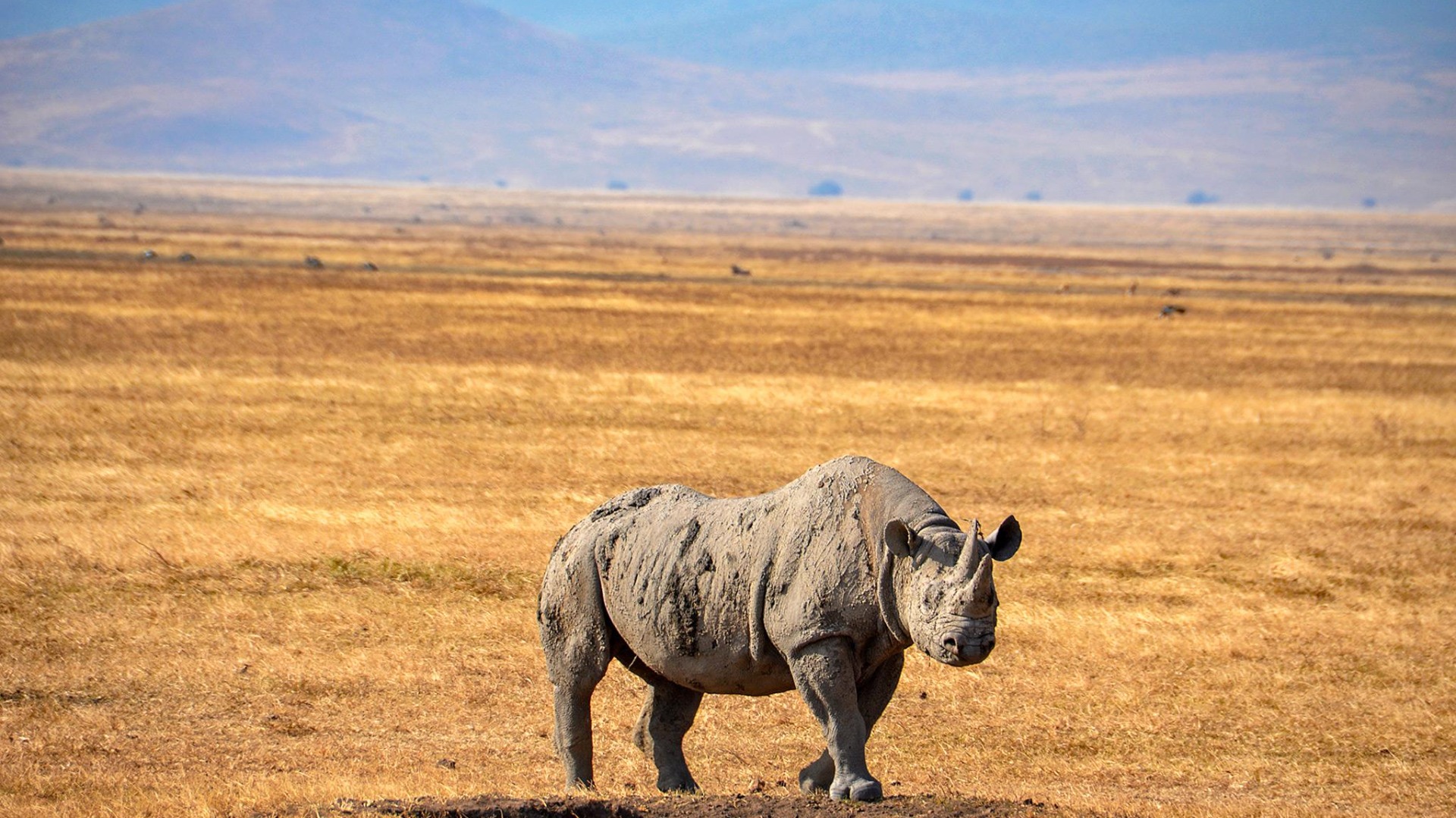
Rhino conservation in Tanzania has taken a decisive step forward with the expansion of antipoaching patrols across critical habitats. Field teams report that bolstered ranger numbers, combined with smarter surveillance tools, have driven a notable decline in illegal activity. This progress offers renewed hope for the country’s remaining black rhino populations, which hover around 150 individuals in protected zones.
The latest initiatives blend traditional foot patrols with modern technology and stronger community involvement. Tanzania’s approach demonstrates how targeted investment and cross-sector collaboration can yield measurable gains in protecting one of Africa’s most endangered species. Encounters Africa continues to support these efforts through carefully selected lodges that contribute to on-the-ground conservation.
Every additional patrol hour and shared intelligence report translates into safer ground for rhinos that have already survived decades of pressure.
The Current State of Rhino Populations in Tanzania
Tanzania’s black rhino numbers have stabilised in recent years after significant losses during the early 2000s poaching surge. According to the Tanzania Wildlife Research Institute, the national estimate now sits between 150 and 170 animals, concentrated primarily in the Ngorongoro Conservation Area, Serengeti National Park and a handful of private sanctuaries. Small breeding groups have also been reintroduced to selected reserves in the past decade.
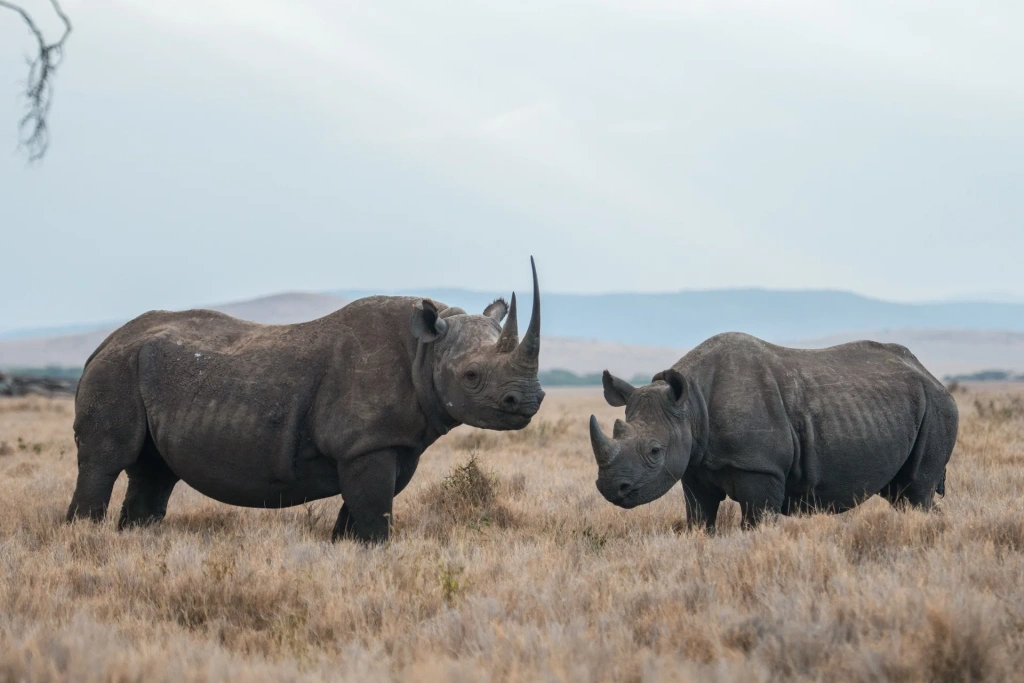
White rhinos, introduced from South Africa in limited numbers, remain even rarer. Their protection requires equally intensive monitoring. The species’ slow reproductive rate — females typically produce a calf every three to four years — means every successful birth represents a vital gain for long-term recovery.
Recent camera-trap data collected between January and October 2024 shows a 12 percent increase in confirmed rhino sightings compared with the same period the previous year. While these figures remain modest, they signal that current protection measures are beginning to create the breathing space these animals need.
Key Strongholds for Rhino Protection
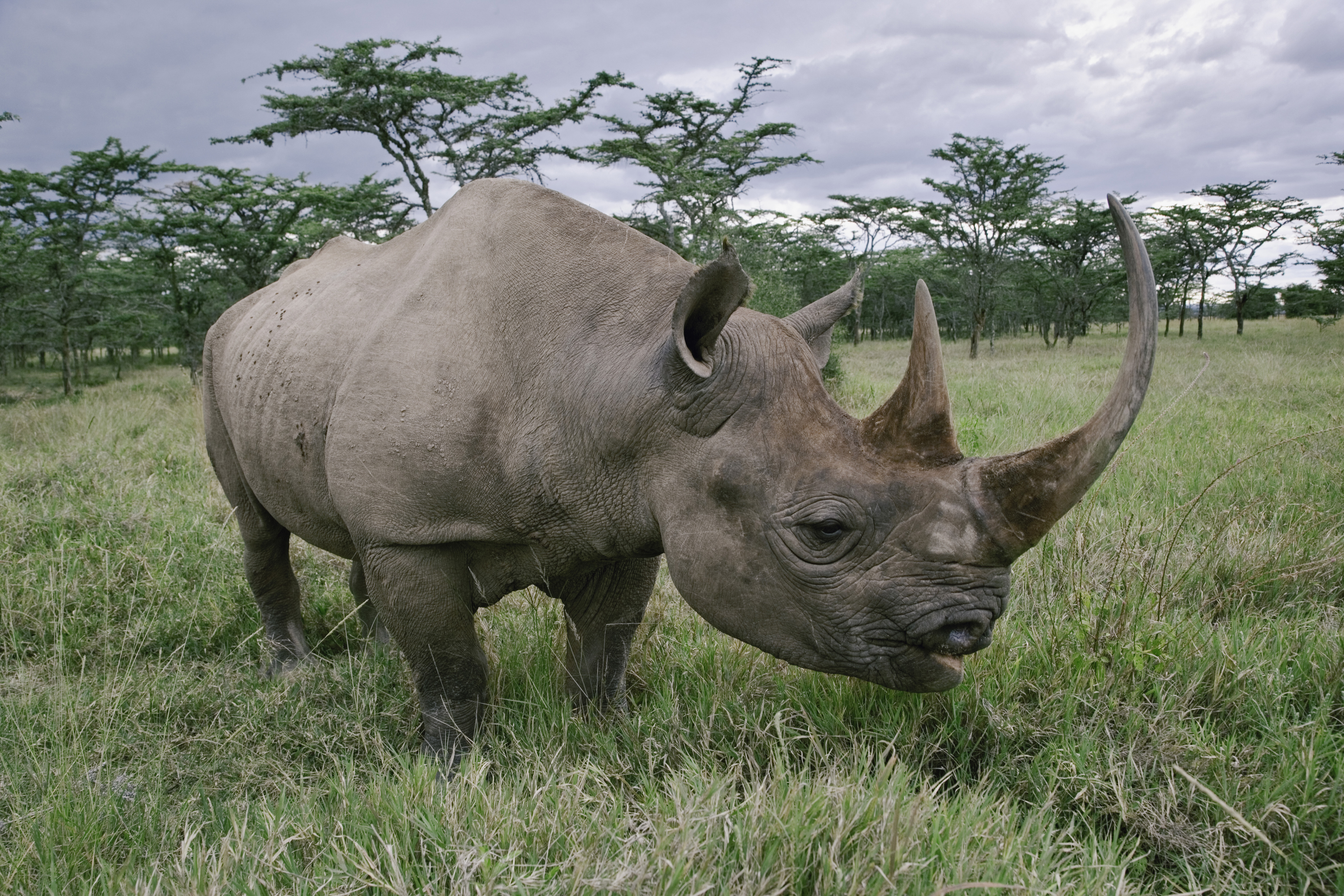
The Ngorongoro Crater continues to serve as Tanzania’s most important rhino sanctuary, supporting roughly 40 percent of the national population. Its unique geography provides natural boundaries that simplify monitoring. Nearby, the Moru Kopjes sector of Serengeti National Park hosts another important cluster, where dense acacia thickets offer cover for mothers and calves.
Private initiatives in the Tanzania highlands have also created secure breeding nuclei. These smaller, intensively guarded areas complement the larger national parks by offering controlled environments for orphaned or relocated animals to adapt before wider release.
Success in rhino conservation depends not on single spectacular interventions but on the patient accumulation of daily protective actions across vast landscapes.
Expansion of Antipoaching Efforts in Tanzania
Antipoaching efforts in Tanzania have scaled significantly since early 2023. The Tanzania National Parks Authority increased its dedicated rhino protection teams by 65 percent, adding 120 new rangers specifically trained in rhino monitoring and rapid response. These personnel now cover expanded patrol sectors that include previously under-monitored boundary zones where animals are most vulnerable.
Patrols now operate on a 24-hour rotation in priority zones, supported by improved communications networks that allow real-time coordination between ground teams and aerial support. Night operations have become more frequent, capitalising on the fact that most poaching occurs under cover of darkness.
Funding from international partners has enabled the purchase of additional field vehicles and the refurbishment of remote ranger posts. These logistical improvements mean teams can remain in the field for longer periods without compromising safety or effectiveness.
Integration of Drone Technology
Drone surveillance has transformed how rangers approach their work. Ten new fixed-wing and multi-rotor systems were deployed across Ngorongoro and Serengeti in 2024, providing coverage of more than 800 square kilometres daily during peak dry-season risk periods. Thermal imaging capabilities allow detection of both rhinos and potential intruders even in dense vegetation or at night.
Operators receive specialist training to interpret imagery quickly, distinguishing between legitimate activity and suspicious movement. The drones also serve a dual purpose by gathering high-resolution habitat data that helps managers understand how rhinos use different parts of their range seasonally.
Cross-Border Intelligence Networks
One of the most encouraging developments involves enhanced information sharing with neighbouring countries. Joint task forces with Kenyan and Zambian authorities have disrupted several organised poaching syndicates that previously operated across borders. In the past eighteen months, these collaborations have led to 14 arrests and the seizure of weapons and trafficking equipment destined for Asian markets.
Regular intelligence briefings now occur monthly rather than quarterly, allowing faster reaction to emerging threats. This regional approach recognises that rhino horn trafficking forms part of a sophisticated criminal network that respects no national boundaries.
Community Engagement and Local Training Programmes
Long-term rhino conservation in Tanzania cannot succeed without the active support of people living alongside wildlife areas. Recent programmes have focused on recruiting and training local residents as community scouts and informants. More than 280 individuals from villages bordering key rhino habitats completed specialised courses in 2024, learning wildlife monitoring techniques, basic tracking and reporting protocols.
These community members receive modest stipends and performance-based incentives tied to verified information that prevents poaching incidents. Their intimate knowledge of local terrain and social networks often proves more valuable than sophisticated equipment alone.
Education initiatives in surrounding schools have reached over 8,500 children since 2022, using rhino-focused curricula that connect cultural heritage with modern conservation needs. When young people understand the ecological and economic value of protecting rhinos, they become powerful advocates within their families and communities.
The most effective antipoaching efforts in Tanzania now combine boots on the ground with hearts and minds invested in the outcome.
Measuring Success: Data Behind the Progress
Independent analysis released in November 2024 by the Frankfurt Zoological Society documented a 43 percent reduction in confirmed poaching attempts within monitored rhino ranges compared with 2022 baseline figures. This statistic represents not just fewer carcasses but a meaningful decrease in pressure on surviving animals.
Birth rates have also shown modest improvement. Field teams recorded 19 live births across all monitored populations between July 2023 and October 2024 — the highest annual total in nearly a decade. Calf survival rates to one year now exceed 85 percent in intensively protected zones, up from 67 percent five years ago.
These numbers matter because black rhinos remain critically endangered. The International Union for Conservation of Nature estimates that only about 6,500 individuals survive across Africa, with Tanzania holding roughly 3 percent of the continental population.
What These Figures Mean for the Future
While the improvements are genuine, experts caution that sustained effort remains essential. Rhino populations recover slowly, and any relaxation of protection could quickly reverse recent gains. Current projections suggest that maintaining present levels of investment could allow Tanzania’s rhino numbers to double within fifteen to twenty years — an ambitious but achievable target if momentum continues.
How Safari Experiences Support Conservation
Responsible tourism plays an important supporting role in rhino conservation. Revenue from high-value, low-impact safaris helps fund protection work while creating economic alternatives to poaching for local communities. Several premier camps channel a percentage of their income directly into anti-poaching units and community development projects.
At Serengeti Migration Camp, for instance, guests can participate in optional conservation days that include accompanying researchers on monitoring patrols. These experiences foster deeper understanding and lasting connections between travellers and the landscapes they visit.
Similar opportunities exist at properties bordering the Ngorongoro Conservation Area. Visitors who choose operators committed to genuine conservation partnerships know their journey contributes meaningfully to the protection of rhinos and the ecosystems that support them. For those seeking a private safari beyond our set itineraries, we would be delighted to hear from you directly. We specialise in creating beautifully tailored journeys for solo travellers, couples, families, and private groups of up to eight guests. Through our trusted network of carefully selected camps and lodges, we craft each safari around your individual interests, preferred pace, and budget, ensuring a seamless and deeply personal experience from beginning to end.
Challenges That Remain
Despite encouraging statistics, significant obstacles persist. Habitat fragmentation caused by agricultural expansion around protected areas continues to limit rhino movement and genetic diversity. Climate change is altering vegetation patterns, potentially affecting food availability during dry periods.
Human-wildlife conflict occasionally arises when rhinos wander outside park boundaries, sometimes damaging crops. Finding ways to compensate farmers promptly while maintaining tolerance levels represents an ongoing priority for conservation managers.
International demand for rhino horn, driven largely by beliefs in its medicinal properties, still fuels illegal trade. Disrupting these markets requires continued diplomatic pressure and public education campaigns in consumer countries alongside on-the-ground protection in Africa.
Rhino conservation represents one of conservation’s longest games — measured in decades rather than seasons — yet each incremental victory brings the species closer to a stable future.
Looking Ahead for Rhino Conservation in Tanzania
The combination of expanded antipoaching patrols, technological innovation and community participation has created genuine momentum for rhino conservation in Tanzania. These antipoaching efforts in Tanzania demonstrate that targeted, well-coordinated action can produce results even in complex landscapes with limited resources.
As new generations of rangers, scientists and local guardians gain experience, the foundation for recovery grows stronger. Continued international support, responsible tourism and scientific monitoring will all play crucial roles in determining whether current progress becomes lasting success.
Encounters Africa remains committed to supporting these vital initiatives by connecting discerning travellers with experiences that respect and contribute to Africa’s conservation landscape. The story of Tanzania’s rhinos is still being written — one patrol, one community meeting, and one carefully protected birth at a time.
If you would like to experience these remarkable animals in their natural habitat while supporting the work that protects them, we invite you to get in touch with our team. Whether through a classic Serengeti safari or a more specialised conservation-focused journey, your visit can form part of the solution that secures a future for Tanzania’s rhinos.
More like this
news
Tanzania's 2026 Conservation Mandates: Key Changes for Serengeti and Selous Reserves
News
Tanzania's Poaching Crisis: Current Enforcement Measures and Their Outcomes

news
Uganda Mandates Stricter Nature Safeguards for 2026 Tourism Season
news
Uganda Prioritizes Tourist Safety Protocols Ahead of 2026 Boom
news
Uganda Safaris 2026: Permits, Fees and Reserve Capacities Just Announced
News