news
Uganda Mandates Stricter Nature Safeguards for 2026 Tourism Season
Encounters Africa - 5 min read
Updated on 13 May 2026
Uganda's wildlife agency rolls out 2026 protections, channeling safari fees into Bwindi reforestation and Queen Elizabeth anti-encroachment barriers for thriving ecosystems.
Uganda's tourism landscape is set for a transformative shift as the Uganda Wildlife Authority (UWA) introduces mandatory nature safeguards effective for the 2026 season. These measures direct a portion of safari revenues—specifically 15% of all park entry fees—towards targeted conservation projects in Uganda's premier reserves. The policy aims to fortify ecosystems against climate pressures and human expansion, ensuring gorilla habitats and savannah expanses endure for future generations.
Announced in late 2025, these safeguards respond to rising visitor numbers, which topped 1.2 million in 2024, straining delicate biodiversity hotspots. By embedding conservation directly into tourism economics, Uganda positions itself as a frontrunner in sustainable wildlife travel. Travellers planning journeys to Bwindi Impenetrable Forest or Queen Elizabeth National Park will contribute to resilient landscapes from their first gate entry.
New Revenue Streams Fueling Bwindi Reforestation Efforts
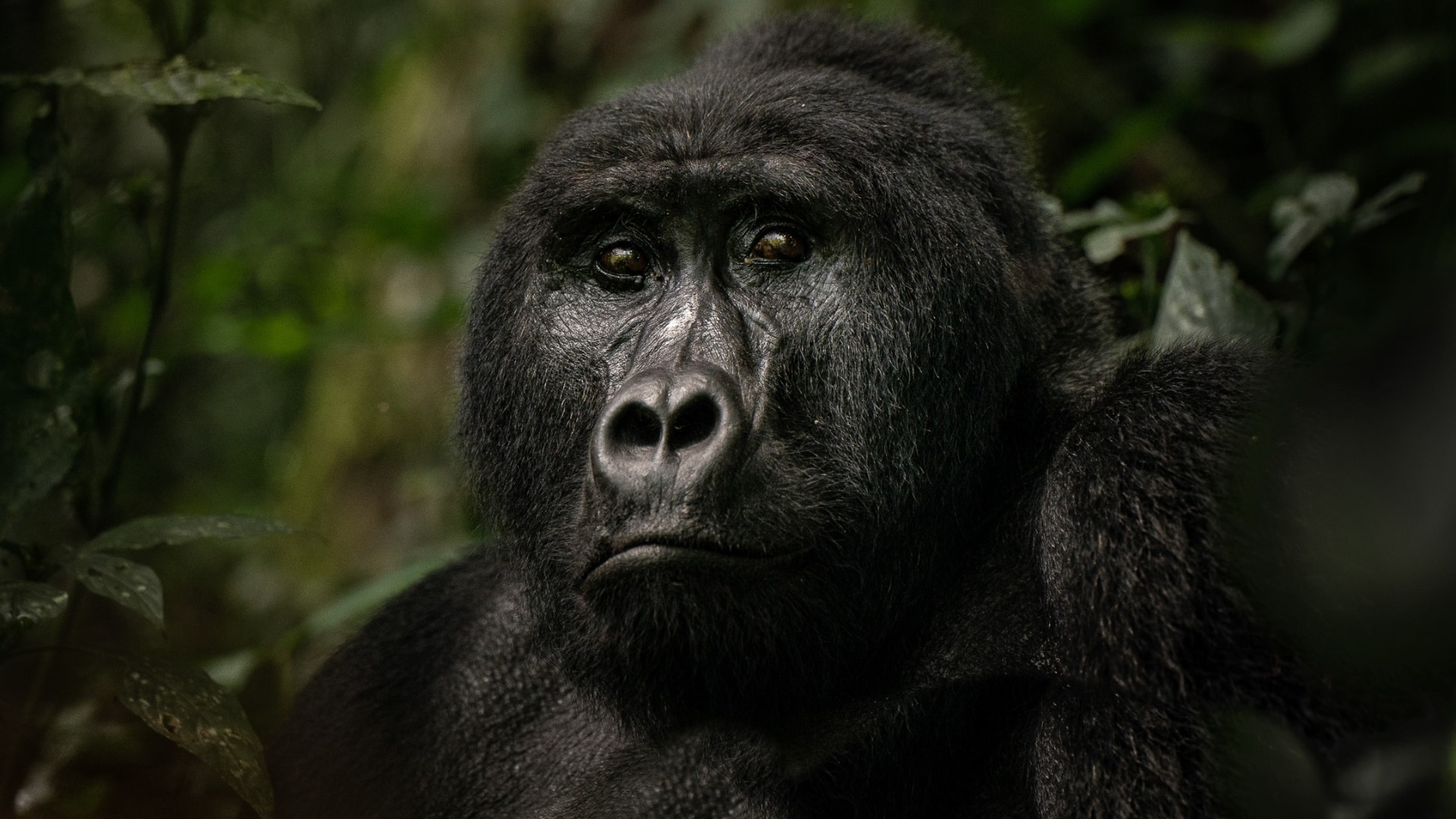
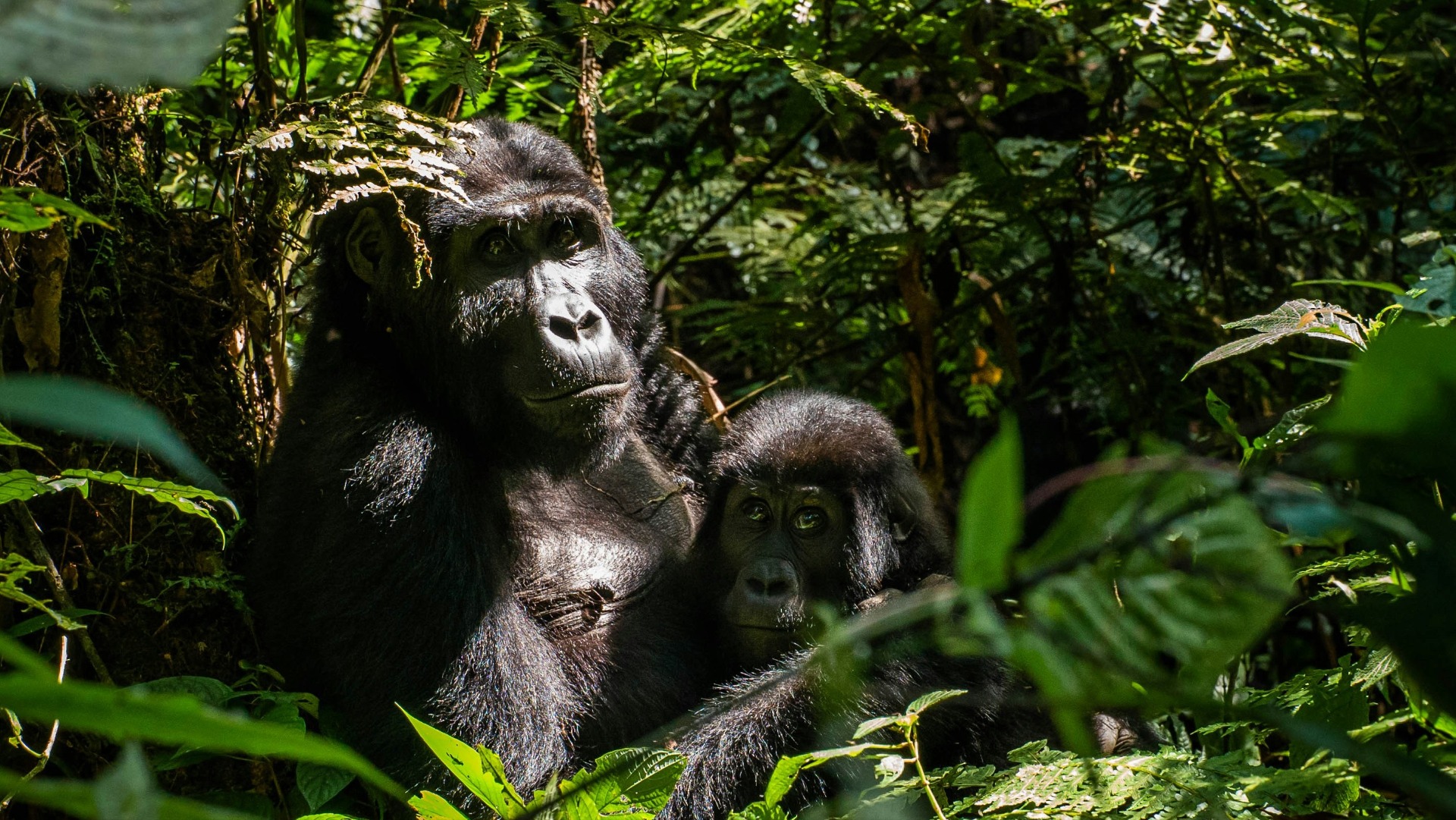
Bwindi Impenetrable Forest, home to nearly half the world's mountain gorillas, faces deforestation from agricultural encroachment. Starting January 2026, UWA mandates that 15% of gorilla tracking permit fees—currently priced at $800 for foreign non-residents—fund a massive reforestation drive. This initiative targets planting 500,000 native hardwood seedlings across 5,000 hectares by 2028, restoring buffer zones around gorilla sectors.
Local communities bordering Bwindi will receive training in sustainable farming, reducing reliance on forest resources. Early trials in 2025 restored 1,200 hectares, boosting gorilla sighting reliability by 20%. Safari operators report heightened guest satisfaction, knowing their fees nurture the misty forests where silverbacks roam.
"Every gorilla permit now plants roots for tomorrow's encounters—Uganda's bold fusion of tourism and restoration."
These efforts align with global standards, drawing praise from the International Union for Conservation of Nature (IUCN). For Encounters Africa clients, this means gorilla treks that actively heal the habitat, blending adventure with tangible impact.
Queen Elizabeth National Park: Anti-Encroachment Barriers Take Shape
In Queen Elizabeth National Park, sprawling across 1,978 square kilometres of savannah, wetlands, and lakes, illegal grazing threatens tree cover and wildlife corridors. The 2026 safeguards allocate 12% of vehicle entry fees to erect 150 kilometres of solar-powered electric fencing by mid-year. This barrier system, tested successfully on 30 kilometres in 2025, has curbed cattle incursions by 85%.
Rangers equipped with new patrol vehicles funded by tourism levies will monitor these zones, protecting hippo pods and lion prides from habitat fragmentation. Visitors can expect guided talks on these innovations during game drives, fostering deeper connections to Uganda's conservation narrative.
Impacts on Tree Lions and Kazinga Channel Biodiversity
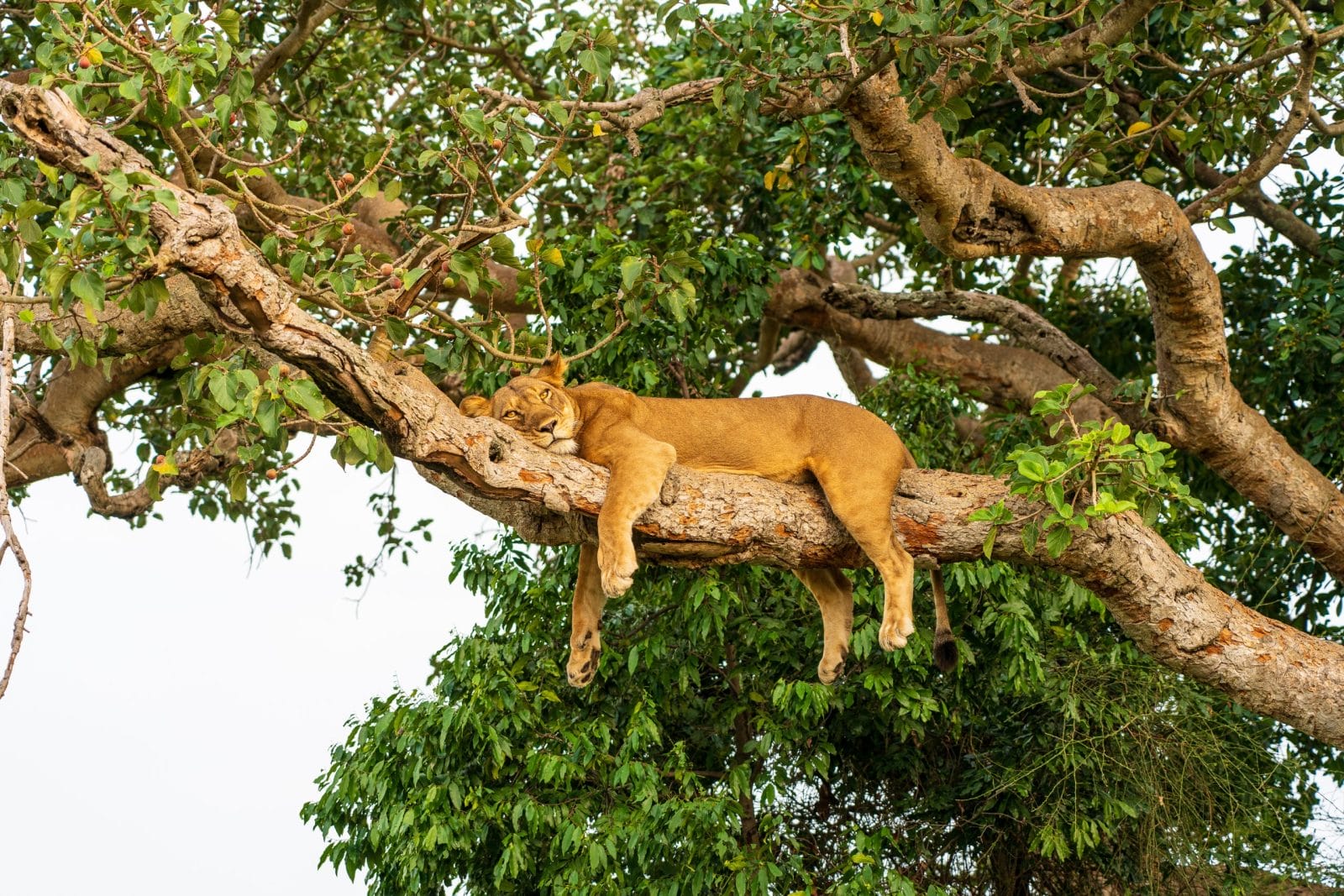
The park's iconic tree-climbing lions in Ishasha sector benefit directly, as restored grasslands draw prey species back. Water quality in the Kazinga Channel, teeming with 5,000 hippos, improves with reduced sediment from cleared lands. Data from 2025 shows a 15% uptick in bird species diversity post-fencing.
These changes promise richer sightings for discerning travellers, who value ecosystems where wildlife thrives undisturbed.
Best Time to Visit Uganda's Protected Reserves in 2026
The optimal window for Uganda safaris under these new rules spans June to September and December to February, aligning with dry seasons when trails remain accessible and wildlife concentrates at water sources. During these periods, gorilla tracking success rates exceed 95%, and Queen Elizabeth game viewing peaks with migratory herds.
Avoid March to May rains, which can swell rivers and limit access, though they coincide with lush greenery ideal for birdwatchers. UWA recommends booking permits 90 days in advance for 2026, with a new digital portal streamlining approvals. Expect slight fee adjustments: gorilla permits rise by 5% to bolster funds, while standard park entries hold steady at $40 daily for internationals.
June-September: Dry conditions enhance visibility for big cat sightings in Queen Elizabeth.
December-February: Peak gorilla birth season in Bwindi offers rare family observations.
Digital Permits: Mandatory from Q1 2026, reducing wait times by 50%.
Question: What is the best time to visit Uganda's national parks in 2026? The prime seasons are June-September and December-February, when dry weather maximises wildlife encounters and conservation projects like Bwindi reforestation show early green shoots.
How 2026 Safeguards Affect Luxury Safari Planning
For high-end journeys, these mandates introduce eco-certification for lodges like Clouds Mountain Gorilla Lodge, overlooking Bwindi's viridian slopes. Operators must submit annual conservation contribution reports, ensuring seamless integration with Encounters Africa's curated itineraries. Travellers benefit from exclusive access slots, prioritising low-impact groups of up to eight.
Private concessions gain expanded ranger support, enhancing safety during night drives in Queen Elizabeth. Budget an extra 10% for levies, but rest assured funds sustain the gorillas' bamboo groves and savannah herds you come to witness. Our recent guide to Uganda safari permits details booking protocols.
Practical Tips for Compliant Travel
Pack lightweight, earth-toned clothing to minimise trail disturbance, and opt for solar-charged devices aligning with green policies. Lodges now offer carbon offset programmes tied to these fees, allowing guests to amplify impact. Encounters Africa tailors these elements into bespoke experiences, from gorilla habituation to Ishasha lion vigils.
Conclusion: A Model for African Conservation Tourism
Uganda's 2026 nature safeguards exemplify how tourism can shepherd ecosystems towards resilience, with safari fees transforming into forests and fences. These policies not only safeguard Bwindi's gorillas and Queen Elizabeth's prides but elevate every journey into a force for good. As experts in Southern and East African travel, Encounters Africa champions such innovations.
For discerning travellers seeking private safaris beyond set itineraries, contact us directly. We specialise in designing exceptional, tailor-made journeys, curating details around your preferences through our network of distinguished camps and lodges. Discover Uganda's protected wilds with purpose.
More like this
news
Uganda Prioritizes Tourist Safety Protocols Ahead of 2026 Boom
news
Uganda Safaris 2026: Permits, Fees and Reserve Capacities Just Announced
News
Uganda Strengthens Anti-Poaching Measures to Protect Mountain Gorillas
News
Uganda Strengthens Gorilla Monitoring to Counter Poaching Threats in Bwindi
News
Uganda Strengthens Gorilla Protection Through Community Partnerships
News