News
Uganda Strengthens Anti-Poaching Measures to Protect Mountain Gorillas
Encounters Africa - 10 min read
Updated on 24 June 2026
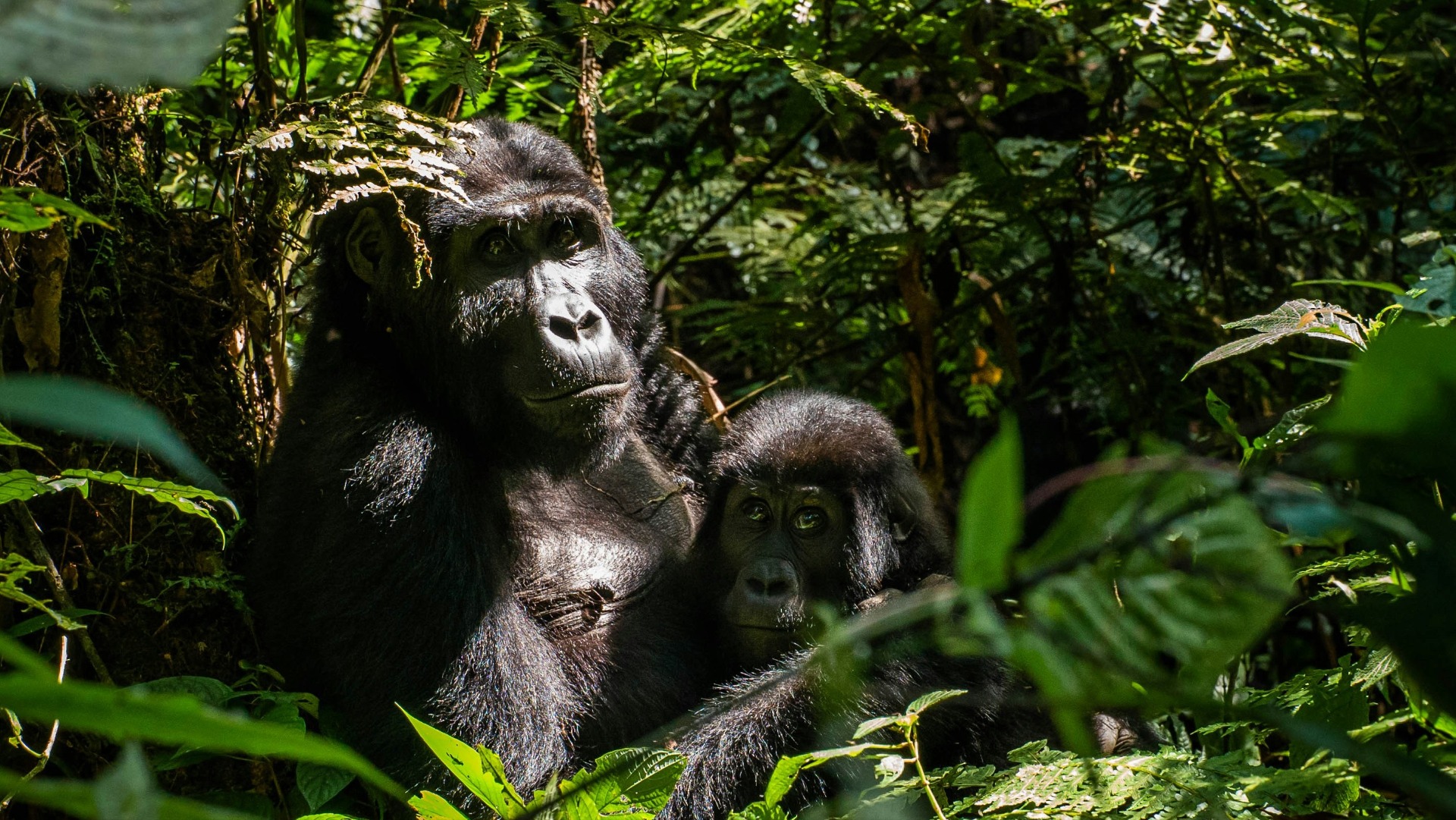
Uganda continues to make significant strides in gorilla conserving in Uganda, with fresh initiatives designed to shield the country's precious mountain gorilla populations from emerging threats. Recent developments blend innovative technology with strengthened community involvement, offering renewed hope for these iconic primates and the broader wildlife in Uganda that shares their forested realms. Official figures released this year confirm that the mountain gorilla population in Bwindi Impenetrable National Park has grown to approximately 459 individuals, marking a steady increase from the 400 recorded in the last comprehensive census.
This progress reflects years of dedicated effort by Ugandan authorities, international partners, and local residents living alongside the parks. As one of only two countries where mountain gorillas remain, Uganda's success carries global importance. The latest measures focus on curbing poaching, habitat encroachment, and disease transmission while ensuring that responsible tourism continues to fund protection work.
The quiet determination of Ugandan rangers and neighbouring communities is quietly rewriting the future for one of our planet's most endangered animals.
Recent Population Gains Among Mountain Gorillas
New data gathered through systematic monitoring programmes reveals encouraging trends for wildlife in Uganda. The mountain gorilla count in Bwindi has risen by nearly 15 percent since 2018, a figure that surpasses earlier projections from conservation biologists. Similar positive movements have been recorded in Mgahinga Gorilla National Park, where the small but stable group now numbers around 40 individuals.
These gains stem from multiple factors, including improved veterinary interventions that treat respiratory infections and snare injuries, as well as more effective habitat management. Regular genetic sampling helps track family lineages and inbreeding risks, allowing scientists to make informed decisions about future translocations if needed.
Encounters Africa has followed these developments closely through its partnerships with lodges bordering the national parks. The data underscores how sustained investment in protection yields tangible results for both gorillas and the surrounding ecosystems.
Understanding the Growth Metrics
Between 2019 and 2024, field teams documented 78 new births across the two Ugandan populations. Infant mortality rates have dropped to under 8 percent, compared with nearly 15 percent two decades ago. Such statistics provide concrete evidence that current strategies are working.
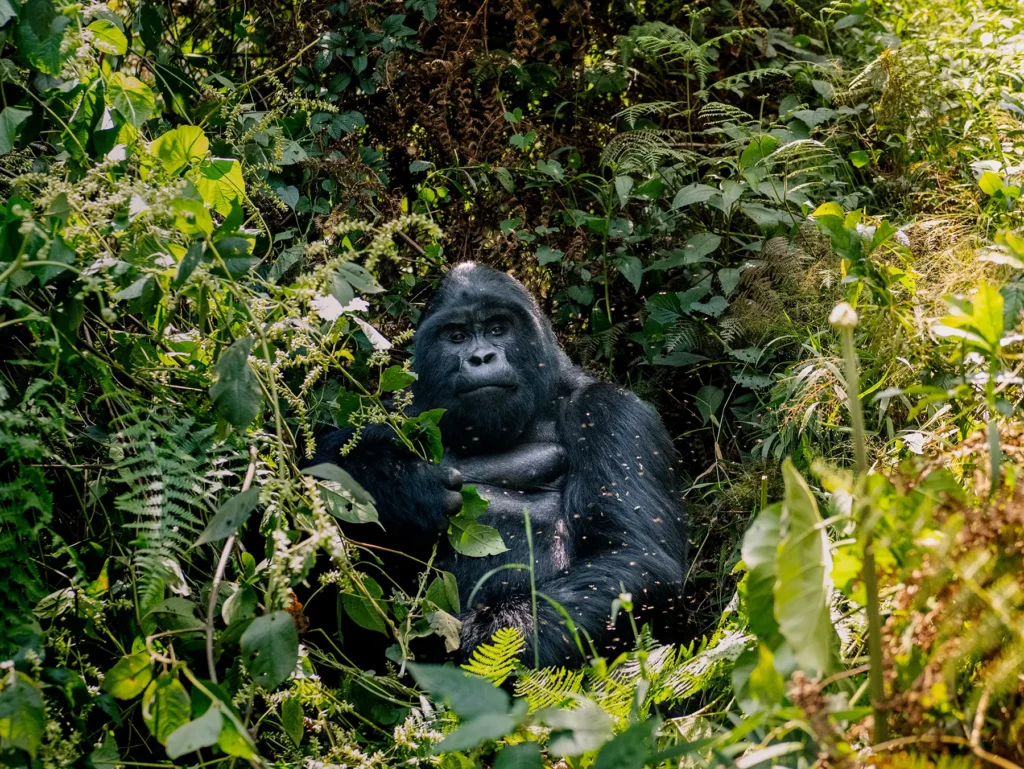
Every healthy gorilla birth represents years of collective effort by rangers, vets, and communities who understand that their own futures are intertwined with the survival of these great apes.
Uganda Strengthens Anti-Poaching Measures to Protect Mountain Gorillas
The Ugandan Wildlife Authority recently expanded its anti-poaching operations with the introduction of drone surveillance across key sectors of Bwindi Impenetrable National Park. These unmanned aerial vehicles cover up to 40 square kilometres per patrol, detecting illegal snares and unauthorised human activity far more efficiently than foot patrols alone.
Complementing the technology is an intensive training programme for 120 new community rangers recruited from parishes bordering the park. These individuals receive specialised instruction in wildlife tracking, first aid, and conflict resolution, creating a robust network of eyes and ears on the ground. The initiative directly supports gorilla conserving in Uganda by reducing the time between detection and response to potential threats.
Early results from the drone programme show a 35 percent decrease in snare incidents within the first six months of deployment. Rangers have also intercepted several groups attempting to harvest timber from sensitive buffer zones, demonstrating the effectiveness of this combined approach.
Technology Meets Traditional Knowledge
Rather than replacing human expertise, the new tools enhance the skills passed down through generations. Local trackers who once relied solely on signs in the undergrowth now cross-reference their observations with thermal imaging data captured at dawn and dusk. This fusion of old and new creates a formidable barrier against illegal activities.
The programme also includes monthly community forums where rangers and villagers discuss challenges ranging from crop raiding by forest elephants to the need for alternative income sources. These conversations have led to several practical solutions, including the establishment of apiaries and craft cooperatives that generate revenue without requiring forest resources.
Community Involvement in Gorilla Conservation
Long-term success in protecting mountain gorillas depends heavily on the support of people living in proximity to their habitat. Uganda's latest efforts have expanded benefit-sharing schemes, directing a larger portion of tourism revenue directly into local development projects. Schools, health clinics, and water systems funded through these mechanisms help reduce pressure on natural resources.
Programmes teaching sustainable farming techniques have enabled families to increase yields on existing plots, thereby decreasing the temptation to clear additional forest land. Over 2,500 households now participate in these agricultural initiatives around Bwindi, creating a measurable decrease in encroachment.
Women play an increasingly prominent role in these conservation efforts. Female-led cooperatives produce woven baskets and dyed fabrics using only materials gathered outside protected areas, supplying both local markets and the growing number of visitors who stay at sensitively managed lodges in the region.
When communities see direct benefits from protecting their natural heritage, conservation stops being an external demand and becomes a shared priority.
Education and the Next Generation
Conservation education reaches more than 8,000 schoolchildren annually through programmes that combine classroom learning with guided visits to habituated gorilla groups. These experiences foster pride in Uganda's unique wildlife heritage and encourage young people to consider careers in ecology and tourism.
The impact extends beyond immediate knowledge transfer. Children who grow up understanding the value of intact forests are less likely to engage in activities that harm gorilla habitats when they reach adulthood.
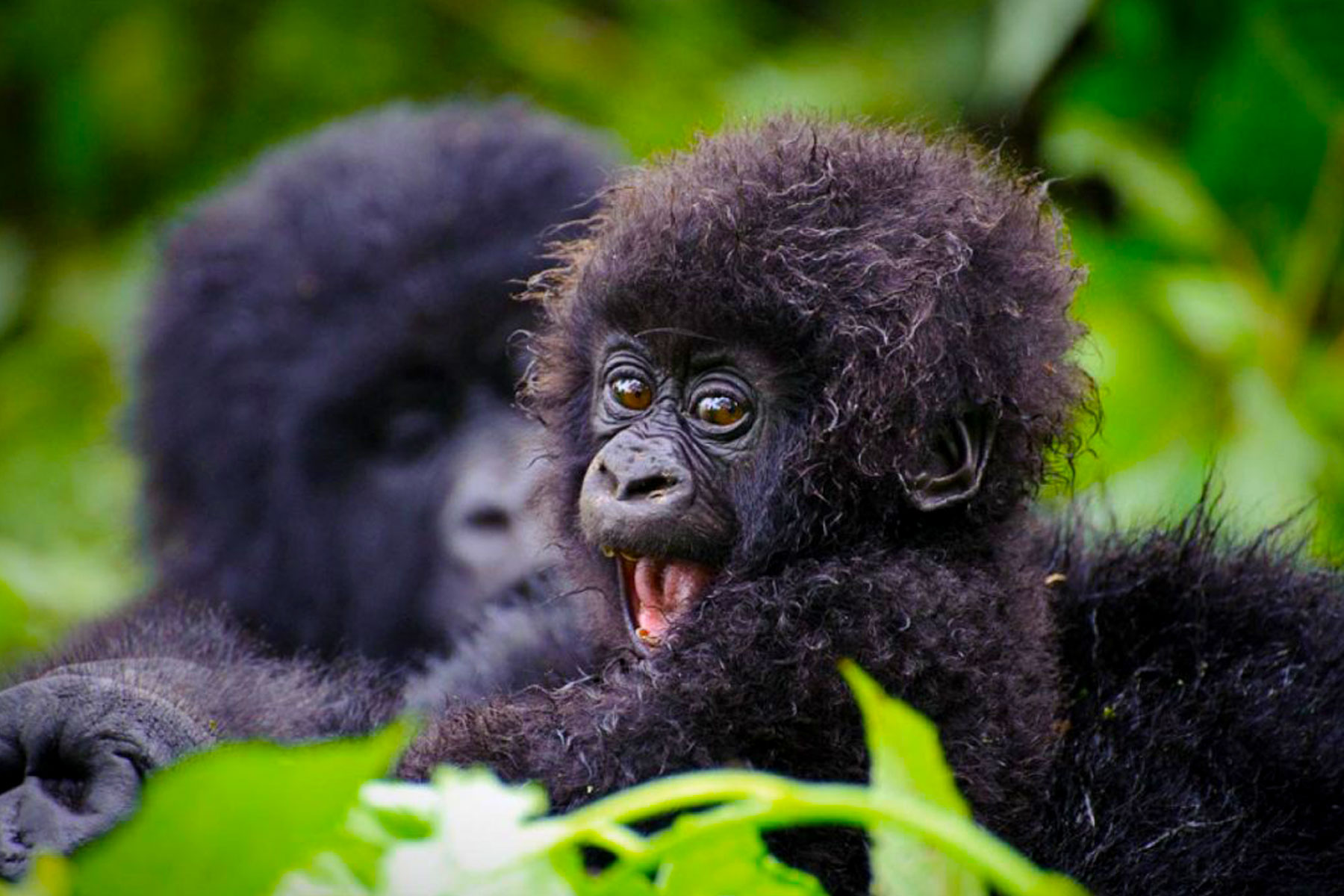
The Role of Tourism Revenue in Protection Efforts
Responsible gorilla trekking remains one of the most effective funding mechanisms for wildlife in Uganda. Each permit sold contributes directly to ranger salaries, veterinary supplies, and community projects. In 2023, gorilla tourism generated over $28 million for conservation and local development, a figure that continues to rise as demand for authentic experiences grows.
Encounters Africa works exclusively with lodges that demonstrate genuine commitment to conservation principles. Properties such as Bwindi Lodge and Clouds Mountain Gorilla Lodge channel significant resources into both research and community initiatives, ensuring that visitors leave having made a positive contribution to gorilla conserving in Uganda.
The organisation also supports smaller, community-owned accommodations that offer alternative experiences, including forest walks focused on birds and medicinal plants. These options help distribute economic benefits more widely while reducing pressure on the most popular gorilla trekking sectors.
Balancing Access with Protection
Strict protocols govern the number of visitors allowed near each gorilla group daily. Groups are limited to a maximum of eight people, with visits lasting no more than one hour. These rules, combined with rigorous health screening for travellers, help minimise disease transmission risks between humans and gorillas.
Recent studies indicate that habituated gorilla groups experience lower stress levels when visitors follow established guidelines. The data reinforces the importance of working with experienced operators who prioritise animal welfare above all else.
Challenges That Remain for Wildlife in Uganda
Despite the positive trends, significant challenges persist. Climate change has altered rainfall patterns across the Albertine Rift, affecting fruiting cycles that gorillas depend upon. Teams now monitor 47 different plant species to predict potential food shortages and plan supplementary feeding when necessary.
Human-wildlife conflict continues in areas where gorillas venture outside park boundaries. Innovative solutions include the installation of solar-powered beehive fences that deter crop-raiding while providing honey as an additional income source for farmers. Over 120 such fences have been erected since 2021, with encouraging results.
Disease surveillance remains critical. The proximity of human settlements to gorilla habitat creates ongoing risks from respiratory infections and other pathogens. Mobile veterinary units stand ready to intervene at short notice, treating injured or ill individuals while gathering valuable health data.
Cross-Border Collaboration
Mountain gorillas recognise no political boundaries. Uganda works closely with Rwanda and the Democratic Republic of Congo through the Greater Virunga Transboundary Collaboration, sharing information and coordinating patrols across the shared Virunga massif. Joint training exercises and intelligence networks have significantly improved the effectiveness of anti-poaching operations in all three countries.
This regional approach serves as a model for other transboundary conservation efforts across Africa. Regular meetings between wildlife authorities help align strategies and ensure that protection measures remain consistent regardless of which side of the border a gorilla group happens to occupy.
What Recent Surveys Reveal About Gorilla Conserving in Uganda
The most recent census, completed in late 2023, employed over 300 field staff who spent more than 18 months systematically surveying both Bwindi and the Virunga region. Using a combination of nest counts, genetic sampling, and direct observations, researchers produced the most accurate population estimate to date.
Key findings include the discovery of several previously unrecorded social groups and evidence of increasing genetic diversity within the Bwindi population. These discoveries suggest that connectivity between different sectors of the forest remains sufficient to prevent isolation of small groups.
The survey also documented changes in ranging behaviour, with some groups expanding their territories as population density increases. Understanding these patterns helps managers anticipate potential conflict points and adjust tourism allocations accordingly.
Looking Ahead: Future Priorities
Conservationists have identified several priority areas for the coming five years. These include expanding habitat corridors between isolated forest blocks, strengthening disease monitoring capabilities, and developing climate adaptation strategies tailored to the unique conditions of the Albertine Rift forests.
Investment in local scientific capacity remains essential. Ugandan researchers now lead many of the long-term monitoring projects, bringing valuable cultural insight and ensuring that conservation strategies remain relevant to the country's specific context.
Conclusion
The progress being made in gorilla conserving in Uganda demonstrates what can be achieved when technology, traditional knowledge, and community commitment align. From drone patrols that scan vast forest canopies to village cooperatives that find sustainable ways to prosper alongside wildlife, the country is building a comprehensive approach to protecting its most famous residents and the rich biodiversity that surrounds them.
These developments offer valuable lessons for conservation efforts elsewhere on the continent. They remind us that effective protection requires both rigorous science and genuine partnership with the people who call these landscapes home. For those inspired by these stories of hope and resilience, there are meaningful ways to contribute through responsible travel and support for trusted conservation partners.
For discerning travellers seeking a private safari beyond our set itineraries, we invite you to contact us directly. We specialise in designing exceptional, tailor-made journeys for individuals, couples, families, and private groups of up to eight guests. Drawing on our handpicked network of distinguished camps and lodges, we curate every detail with precision and care, creating a seamless, deeply personal safari experience shaped entirely around your preferences, pace, and budget.
Whether you wish to witness mountain gorillas in their misty forest home or explore other remarkable wildlife experiences across East Africa, reach out to Encounters Africa to begin planning your journey. Our team of specialists stands ready to craft an experience that deepens your connection to this extraordinary continent while contributing meaningfully to its conservation.
Explore our Uganda safari collection to discover thoughtfully designed itineraries that support long-term protection of Uganda's remarkable natural heritage, or read our recent feature on why community conservation matters in East Africa for more insights into sustainable wildlife protection across the region.
More like this
News
Uganda Strengthens Gorilla Monitoring to Counter Poaching Threats in Bwindi
News
Uganda Strengthens Gorilla Protection Through Community Partnerships
News
What a Single Season Taught Us About Serengeti Animal Resilience
News
What Botswana’s Recent Anti-Poaching Success Means for African Conservation

News
What Recent Marine Surveys Reveal About Wildlife in Seychelles
News