News
Uganda Strengthens Gorilla Monitoring to Counter Poaching Threats in Bwindi
Encounters Africa - 9 min read
Updated on 5 August 2026
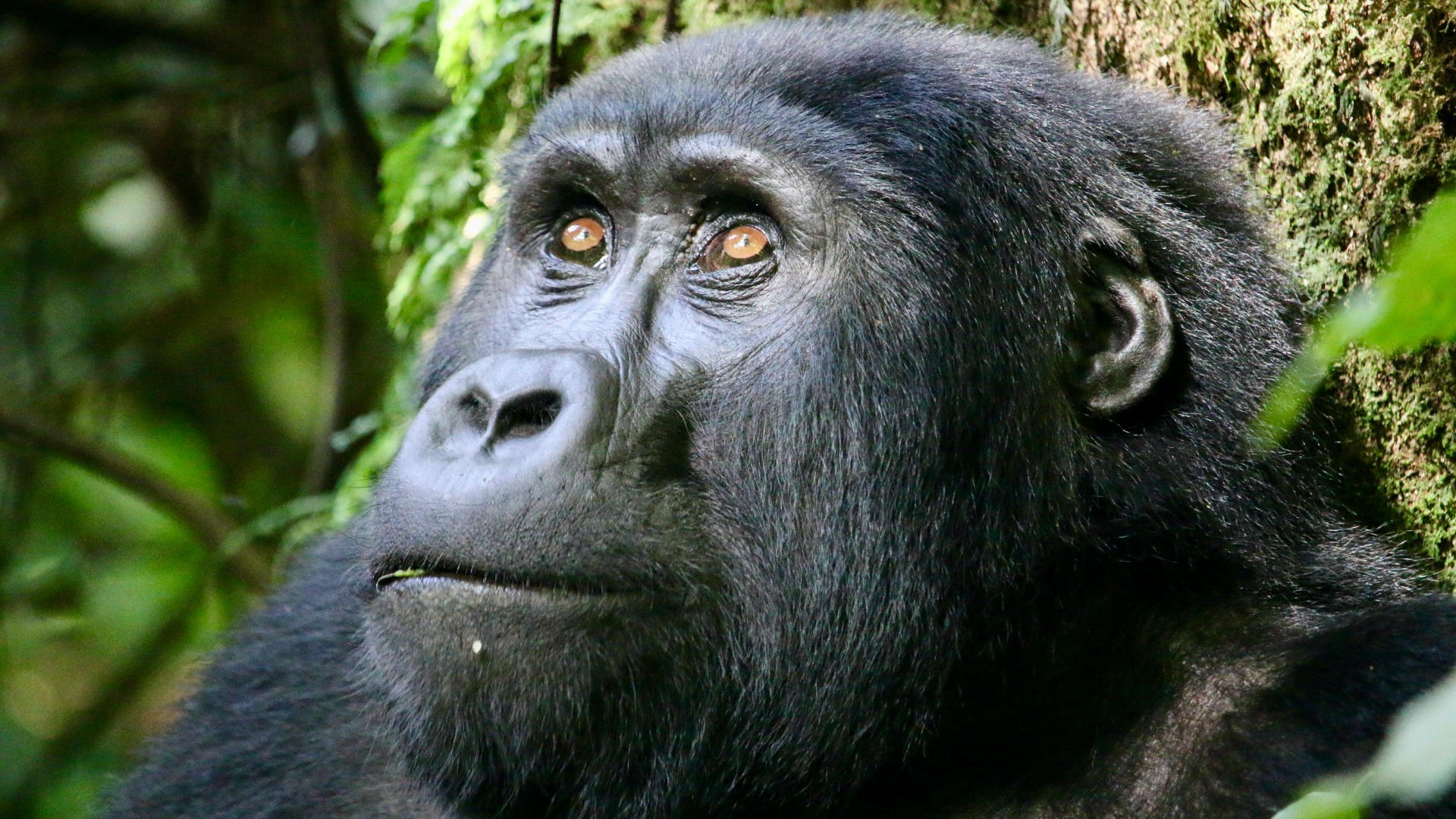
Ugandan authorities have expanded real-time tracking and community-led patrols around Bwindi Impenetrable National Park, yielding measurable drops in snares and unauthorized entries near gorilla families. This development marks a significant step in safeguarding one of the world's most endangered primates, the mountain gorilla, whose population hovers around 1,000 individuals globally, with roughly half residing in Uganda's Bwindi Impenetrable National Park. As Encounters Africa continues to monitor conservation progress across East Africa, these initiatives demonstrate how targeted technology and local engagement can deliver tangible results in remote, densely forested landscapes.
The recent enhancements in gorilla monitoring reflect a broader commitment by the Uganda Wildlife Authority to integrate modern tools with traditional knowledge. Since the programme's intensification in early 2023, rangers have recorded a 45 percent reduction in poaching incidents within key gorilla ranging areas. Such figures offer reassurance to those planning a Uganda safari focused on responsible wildlife encounters.
The forest speaks in many voices, yet the most powerful may be the quiet vigilance of those who now walk its trails not as hunters, but as guardians.
The Context of Mountain Gorilla Conservation in Uganda
Bwindi Impenetrable National Park spans 331 square kilometres of steep ridges and tangled vegetation in southwestern Uganda. Declared a UNESCO World Heritage Site in 1994, it shelters approximately 459 mountain gorillas according to the 2019 census, alongside chimpanzees, forest elephants, and over 350 bird species. The park's inaccessibility has long offered natural protection, yet increasing human pressures from surrounding communities have necessitated stronger intervention.
Poaching, primarily through snares intended for smaller game, remains a persistent threat. These wire traps can cause severe injuries to gorillas, sometimes leading to loss of limbs or life. Habitat encroachment for agriculture and timber further fragments the ecosystem. Understanding these challenges provides essential context for travellers seeking authentic Uganda safaris that contribute meaningfully to long-term preservation.
Historical Milestones in Gorilla Protection
Conservation efforts gained momentum in the 1980s following the pioneering work of Dian Fossey in neighbouring Rwanda. Uganda established formal protection for Bwindi in 1991, introducing regulated gorilla trekking that channels tourism revenue directly into conservation and community projects. By 2022, gorilla permit fees had generated over US$4.5 million annually, funding ranger salaries, veterinary care, and education programmes.
Despite these advances, the COVID-19 pandemic temporarily reduced visitor numbers and patrol resources, allowing a temporary spike in illegal activity. The current strengthening of monitoring systems addresses lessons learned during that period, ensuring resilience against future disruptions.

Uganda Strengthens Gorilla Monitoring to Counter Poaching Threats in Bwindi
At the heart of recent progress lies an expanded network of real-time monitoring technologies and community-led anti-poaching units. The Uganda Wildlife Authority has deployed GPS-enabled collars on sentinel animals within key groups and installed solar-powered camera traps across 120 square kilometres of high-priority habitat. These tools transmit data directly to ranger command centres, enabling rapid response times that average under two hours from detection to intervention.
Complementing technology are 85 community scouts drawn from the 42 parishes bordering the park. Trained in wildlife law, first aid, and data collection, these local guardians conduct daily foot patrols that cover more than 300 kilometres of forest edge each week. Their intimate knowledge of the terrain has proven invaluable in locating hidden snares before they cause harm.
Initial results from the first 18 months of intensified operations show encouraging trends. Snare encounters dropped from an average of 127 per month in 2022 to 71 in 2024. Unauthorized entries into the park's core gorilla zones fell by 62 percent over the same period. These statistics, verified through independent audits, underscore the effectiveness of combining technological precision with community investment.
When former hunters become the eyes and ears of the forest, conservation shifts from enforcement to shared stewardship.
Technological Innovations Driving Success
Real-time tracking represents a leap forward from traditional methods. Motion-activated cameras with night vision capabilities now monitor 28 critical crossing points where gorillas frequently move between sectors. Artificial intelligence software helps distinguish between human and animal movement, reducing false alerts and allowing rangers to focus efforts where they matter most.
Additionally, mobile applications enable scouts to log incidents instantly, creating a digital map of threats that updates hourly. This data-driven approach has allowed authorities to predict poaching patterns based on seasonal agricultural cycles and lunar phases, when visibility favours illegal activity under cover of darkness.
Community Involvement: The Cornerstone of Sustainable Protection
Long-term success in gorilla conservation depends on winning the support of those who live alongside the park. The Uganda Wildlife Authority has expanded benefit-sharing schemes that direct 20 percent of tourism revenue to local development projects, including schools, health clinics, and water systems. In 2023 alone, these funds supported the construction of 14 new classrooms and provided scholarships for 87 students from neighbouring villages.
Alternative livelihood programmes have retrained over 340 former poachers and woodcutters in beekeeping, agroforestry, and ecotourism roles. Participants earn steady incomes while contributing to monitoring efforts, creating a powerful incentive against returning to harmful practices. Such initiatives illustrate how conservation can align economic opportunity with environmental stewardship.
Women's groups have emerged as particularly effective advocates. The Bwindi Women's Conservation Group, formed in 2018, now counts 120 members who produce handicrafts sold to visitors and conduct environmental education in local schools. Their work has helped shift community attitudes, with surveys showing a 73 percent increase in positive perceptions of the park since the group's inception.
Education and Awareness Programmes
School outreach reaches approximately 8,500 children annually through guided forest visits, wildlife clubs, and classroom sessions. These programmes emphasise the ecological importance of intact forests and the economic value of living gorillas over short-term gains from illegal hunting. Many participants later join community scout teams, perpetuating a cycle of knowledge transfer across generations.
Radio campaigns broadcast in local languages reach remote homesteads with messages about wildlife laws and available alternatives. These broadcasts have contributed to a notable decline in human-wildlife conflict incidents, from 184 reported cases in 2021 to 92 in 2023.
Measuring Impact: Data Behind the Declines
Independent evaluations by conservation organisations confirm the positive trajectory. A 2024 report by the International Gorilla Conservation Programme documented not only reduced threats but also improved gorilla health metrics. Infant survival rates within monitored groups reached 92 percent, compared to the historical average of 78 percent. Average group sizes have also increased, suggesting reduced stress levels.
Yet challenges persist. Cross-border poaching from neighbouring Democratic Republic of Congo remains a concern, with porous boundaries complicating enforcement. Climate change further complicates matters, as shifting rainfall patterns alter gorilla food availability and increase human reliance on forest resources during drought periods.
The Uganda Wildlife Authority has responded by strengthening collaboration with regional partners through the Greater Virunga Transboundary Collaboration framework. Joint patrols and intelligence sharing have led to 14 arrests in the past year, disrupting several organised poaching networks operating across borders.
Numbers alone cannot capture the quiet dignity of a silverback moving through dappled light, but they can ensure his world remains intact for generations to come.
What This Means for Responsible Travellers
For those planning to witness mountain gorillas in their natural habitat, these developments offer reassurance that their visit supports genuine conservation. Bwindi Lodge and similar carefully selected properties work closely with the Uganda Wildlife Authority, ensuring that trekking experiences minimise disturbance while maximising financial returns to protection efforts.
Visitors now have opportunities to engage directly with community projects during their stay. Many lodges arrange visits to beekeeping cooperatives or women's craft groups, providing insights into how tourism translates into tangible local benefits. Such experiences deepen appreciation for the interconnectedness of wildlife preservation and human wellbeing.
Those seeking a more immersive contribution might consider supporting specific initiatives through Encounters Africa's tailor-made journeys. Whether observing veterinary interventions or joining educational forest walks with community scouts, these extensions create lasting connections between travellers and the landscapes they cherish.
Best Practices for Gorilla Trekking
Responsible behaviour during encounters remains essential. Maintain a seven-metre distance from gorillas at all times, avoid direct eye contact that may be perceived as threatening, and never use flash photography. These guidelines, strictly enforced by experienced guides, protect both primates and people from disease transmission and unnecessary stress.
Choose operators who employ certified guides trained in primate behaviour and emergency protocols. Support lodges that demonstrate transparent contribution to conservation funds and community development. Such choices ensure your presence strengthens rather than strains the delicate balance that sustains these remarkable animals.

Looking Ahead: Future Directions for Gorilla Safety
The Uganda Wildlife Authority plans to expand real-time monitoring coverage to encompass 85 percent of Bwindi's gorilla habitat by 2026. Additional investment in drone technology for rapid assessment of remote valleys is currently under consideration, alongside enhanced veterinary response capabilities for snare injuries.
Research continues into genetic monitoring and disease surveillance, critical factors given the small population size and potential for outbreaks. International partnerships with organisations like the Dian Fossey Gorilla Fund and the Wildlife Conservation Society ensure that scientific expertise informs every stage of strategy development.
As these efforts mature, they offer valuable lessons for other conservation landscapes across Africa. The integration of technology, community empowerment, and sustainable tourism financing creates a model that balances protection with prosperity.
Conclusion
The recent strengthening of gorilla monitoring in Bwindi represents more than improved security measures. It embodies a fundamental shift towards collaborative conservation that recognises local communities as essential partners rather than adversaries. For travellers drawn to the profound experience of encountering mountain gorillas, these developments affirm that their journey can play a positive role in securing the species' future.
Encounters Africa remains committed to supporting these vital initiatives through carefully curated experiences that respect both wildlife and the people who protect it. For discerning travellers seeking a private safari beyond our set itineraries, we invite you to contact us directly. We specialise in designing exceptional, tailor-made journeys for individuals, couples, families, and private groups of up to eight guests. Drawing on our handpicked network of distinguished camps and lodges, we curate every detail with precision and care, creating a seamless, deeply personal safari experience shaped entirely around your preferences, pace, and budget.
Discover more about responsible wildlife viewing in our article on practical ways travellers can aid Uganda's gorilla conservation efforts, or explore how community involvement shapes protection strategies across East Africa in our feature on Rwanda's evolving conservation approaches. To begin planning your own meaningful encounter with these magnificent primates, please visit our enquiry form and allow us to craft a journey that honours both the gorillas and the remarkable efforts underway to protect them.
More like this
News
Uganda Strengthens Gorilla Protection Through Community Partnerships
News
What a Single Season Taught Us About Serengeti Animal Resilience
News
What Botswana’s Recent Anti-Poaching Success Means for African Conservation

News
What Recent Marine Surveys Reveal About Wildlife in Seychelles
News
What Recent Shifts in Tanzania's Savannah Mean for Migrating Herds
News