Tips & Advice
What I Wish I Had Known Before My First Journey Across Kenya
Encounters Africa - 12 min read
Updated on 30 June 2026
Beyond the safaris and beaches lies a country of contrasts that rewards thoughtful preparation. This narrative shares candid Kenyan tips and advice gathered from years of guiding journeys, covering everything from cultural nuances to practical logistics. The best time to visit Kenya depends on your priorities, with July to October offering prime wildlife viewing in the Masai Mara as the great migration unfolds, while January to March brings dry, clear conditions ideal for mountain trekking and coastal escapes.
Our Kenyan tips and advice draw from direct experience across diverse landscapes, helping first-time travellers navigate this vibrant East African nation with greater confidence. Whether you plan to track lions on the open plains or relax beside the Indian Ocean, understanding the rhythms of daily life here transforms a good journey into an unforgettable one. Encounters Africa has refined these insights over countless bespoke safaris, ensuring every detail aligns with what truly matters.
Kenya does not reveal itself to those in a hurry. The land teaches patience through its dust, its laughter, and the sudden drama of a thunderstorm rolling across the savannah.
Understanding Kenya's Diverse Landscapes and Seasons
Kenya stretches from snow-capped Mount Kenya to the coral reefs of the coast, creating microclimates that demand careful planning. The central highlands enjoy temperate weather year-round, while the arid northern regions experience extreme temperature swings between day and night. Our experience shows that many visitors underestimate how dramatically conditions can change within a single day, particularly during the long rains from April to June.
The short rains in November bring life to the drier areas, painting the savannah in fresh greens and attracting migratory birds. Coastal regions around Diani Beach remain warm and inviting throughout the year, though humidity peaks during the wet months. For those combining wildlife and beach time, we recommend scheduling inland safaris first, then heading to the shore when the Masai Mara experiences its greener, quieter period.
Specific numbers tell an important story: Kenya hosts 43 million people across 47 counties, speaking over 40 languages. This diversity means your experience in the cool highlands around Laikipia will feel worlds apart from the humid shores of Watamu. The best time to visit specific regions varies significantly – the dry season from June to October sees up to 1.5 million wildebeest crossing into the Masai Mara National Reserve from Tanzania.
Choosing the Right Time for Your Interests
Wildlife enthusiasts should target July through September for the river crossings in the Masai Mara, when dramatic scenes unfold daily. Birdwatchers find November to April most rewarding, with over 1,000 species recorded across the country. Beach lovers fare best from December to March, when temperatures hover around 30°C and the northeast monsoon brings calm seas.
Mountain climbers aiming for Point Lenana on Mount Kenya should avoid the wettest months, opting instead for January, February, or August when clear skies improve summit success rates to approximately 70 percent. Always check current conditions with local operators, as climate patterns have shifted noticeably in recent years.
The rhythm of Kenya cannot be rushed. Those who arrive expecting European efficiency soon discover that relationships and respect matter far more than rigid schedules.
Essential Preparation Before You Arrive
Visa requirements have simplified considerably. Most nationalities can obtain an eTA (Electronic Travel Authorisation) online before departure, a process that takes roughly 10 minutes and costs $34. The approval usually arrives within three days, though we advise applying at least two weeks ahead to allow for any complications. Yellow fever vaccination proof is mandatory if arriving from infected areas.
Health preparations deserve careful attention. Malaria prophylaxis remains essential for most regions below 1,800 metres, particularly during and after the rains. Pack long-sleeved clothing for evening game drives and consider a course of malaria tablets prescribed by your doctor at least three weeks before travel. Hepatitis A, typhoid, and tetanus boosters should be up to date.
Travel insurance that specifically covers evacuation from remote areas is non-negotiable. Policies should include at least $100,000 medical coverage and repatriation. Kenya's medical facilities vary widely between urban centres like Nairobi and bush locations, making comprehensive cover essential for peace of mind.
Packing with Purpose for Kenyan Conditions
Neutral-coloured clothing in khaki, olive, and beige helps you blend into the landscape during game viewing. Avoid bright whites and dark blacks that show dust immediately. A lightweight waterproof jacket proves invaluable during afternoon showers, even in the dry season. Binoculars with 8x or 10x magnification transform distant sightings into intimate encounters.
Power banks become lifelines when staying in mobile tented camps with limited electricity. Kenya uses British-style three-pin plugs, though many lodges provide universal sockets. A universal adapter and a head torch for navigating after dark complete the essentials. Leave expensive jewellery at home – simplicity earns respect across all communities.
Cultural Nuances That Shape Meaningful Encounters
Kenya's people represent its greatest treasure. Learning basic Swahili greetings transforms interactions from transactional to warm exchanges. "Jambo" (hello), "Asante" (thank you), and "Habari" (how are you?) open doors throughout the country. Pronunciation matters less than the genuine effort, which locals appreciate deeply.
Respect for elders remains fundamental across Kenyan societies. When visiting villages, always greet the oldest person first. Remove your shoes before entering traditional homes. Photography requires explicit permission – offering to send printed copies later creates lasting connections far beyond the immediate moment.
The Maasai, Samburu, and other pastoralist communities maintain proud traditions that deserve genuine curiosity rather than casual observation. Understanding that not all cultural practices are for public display prevents awkward situations. Many conservancies now offer sensitive cultural experiences that benefit communities directly, with proceeds supporting education and healthcare.
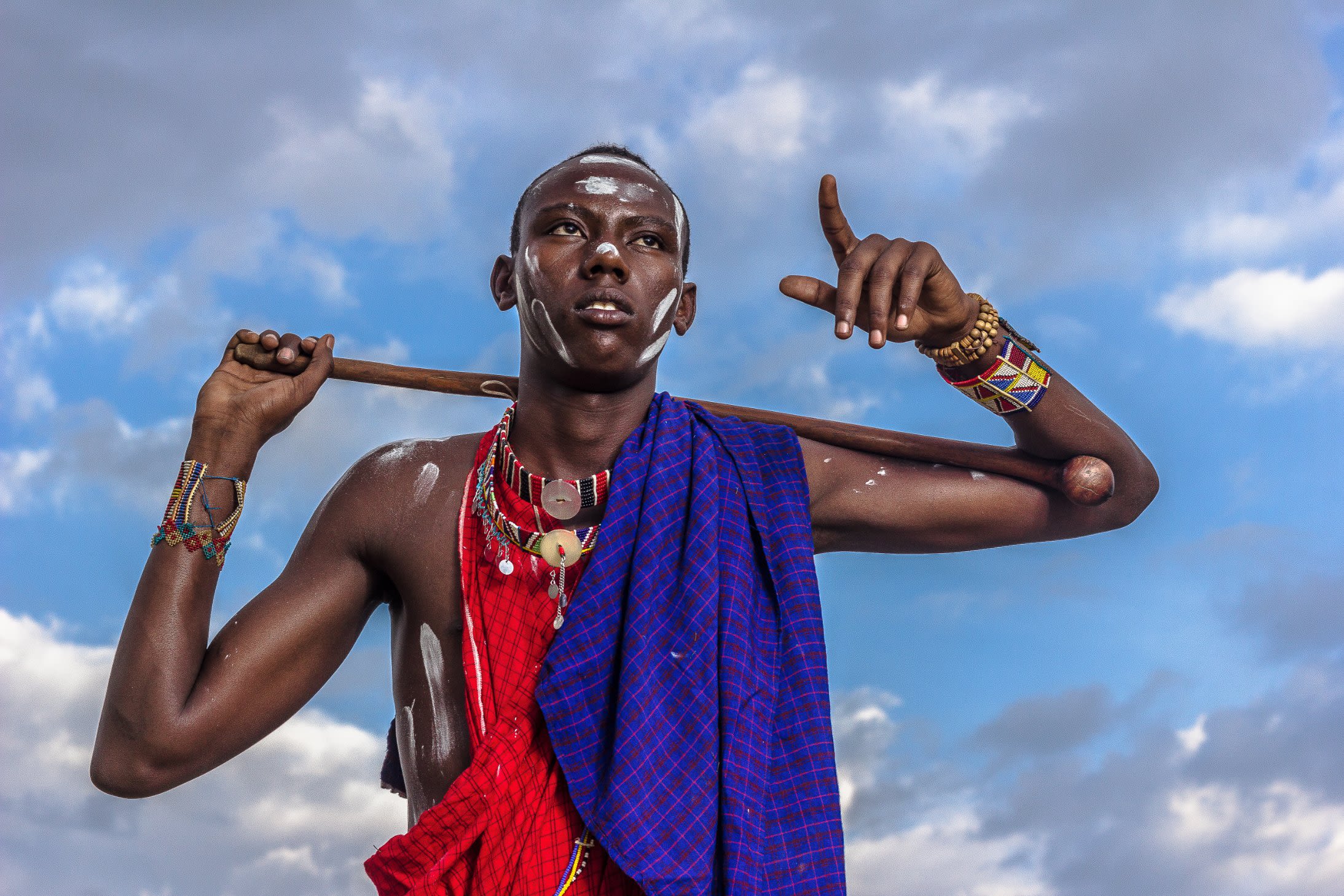
In Kenya, time bends around people rather than the other way around. A delayed departure that allows for a meaningful conversation with your guide often leads to the most memorable sightings of the day.
Practical Kenyan Tips and Advice for Getting Around
Internal flights provide the most efficient way to cover vast distances. Safari Link and other reliable operators run scheduled services between key hubs like Nairobi, the Masai Mara, and coastal airstrips. Expect small aircraft with strict 15kg luggage limits – soft-sided bags work best. Road transfers, while offering fascinating glimpses of daily life, can take four to six hours between Nairobi and the Masai Mara depending on conditions.
Self-driving appeals to independent spirits but requires confidence on unpredictable roads. Kenya drives on the left, following British conventions. Speed limits vary between 50km/h in towns and 110km/h on highways, though enforcement remains inconsistent. Fuel stations appear regularly on main routes but vanish in remote areas, making a full tank essential when heading off the beaten path.
Security considerations have improved dramatically in recent years. Tourist areas maintain excellent safety records, particularly within conservancies and national parks. Nairobi requires standard big-city awareness – avoid walking alone at night and use reputable taxi services or hotel arrangements. Current travel advisories from your government should inform rather than dictate your plans.
What to Expect from Kenyan Hospitality and Service
Service in Kenya tends towards the warm and personal rather than slick and standardised. A smile and patient demeanour achieve far more than demands. Tipping remains customary but should reflect genuine appreciation rather than obligation. Ten percent in restaurants feels appropriate, while $10-15 per day for drivers and guides acknowledges their knowledge and care.
Photography permits for certain national parks and drone regulations change periodically. Always verify current requirements before departure. National parks charge daily fees ranging from $45 to $65 per person, payable in US dollars or by card at most entry gates. Children under 12 often receive significant discounts, making family journeys surprisingly accessible.
Wildlife Viewing: Beyond the Checklist
The magic of Kenya lies in understanding animal behaviour rather than simply ticking species. Early morning and late afternoon drives capture animals at their most active, with softer light creating atmospheric conditions for both memories and photographs. Midday heat drives most creatures to shade, though certain reserves like Lewa Conservancy offer excellent big cat viewing throughout the day.
Guides possess remarkable tracking abilities developed over decades. Trust their instincts even when they seem to be driving aimlessly – that distant dust cloud might conceal a cheetah hunt. Binoculars should remain around your neck rather than buried in your bag. The sudden appearance of a leopard in a tree happens in seconds, not minutes.
Conservancies surrounding the Masai Mara National Reserve often provide more intimate experiences than the reserve itself. With fewer vehicles and direct community benefits, places like Mara North Conservancy and Olare Motorogi Conservancy deliver authentic encounters. Many maintain vehicle limits per sighting, preserving the wild feeling that first drew visitors to Africa.
Connecting with Conservation Efforts
Kenya's conservation story offers inspiration and complexity in equal measure. Community-owned conservancies now protect over 6.5 million acres beyond formal national parks. Revenue from tourism directly funds anti-poaching, education, and healthcare programmes. When choosing where to stay, look for operations with transparent community partnerships and measurable impact.
Ol Pejeta Conservancy stands out for its work with critically endangered northern white rhinos and innovative community projects. Lewa Conservancy pioneered the conservancy model that now protects wildlife across northern Kenya. Supporting these initiatives through responsible travel creates positive change that extends far beyond your visit.
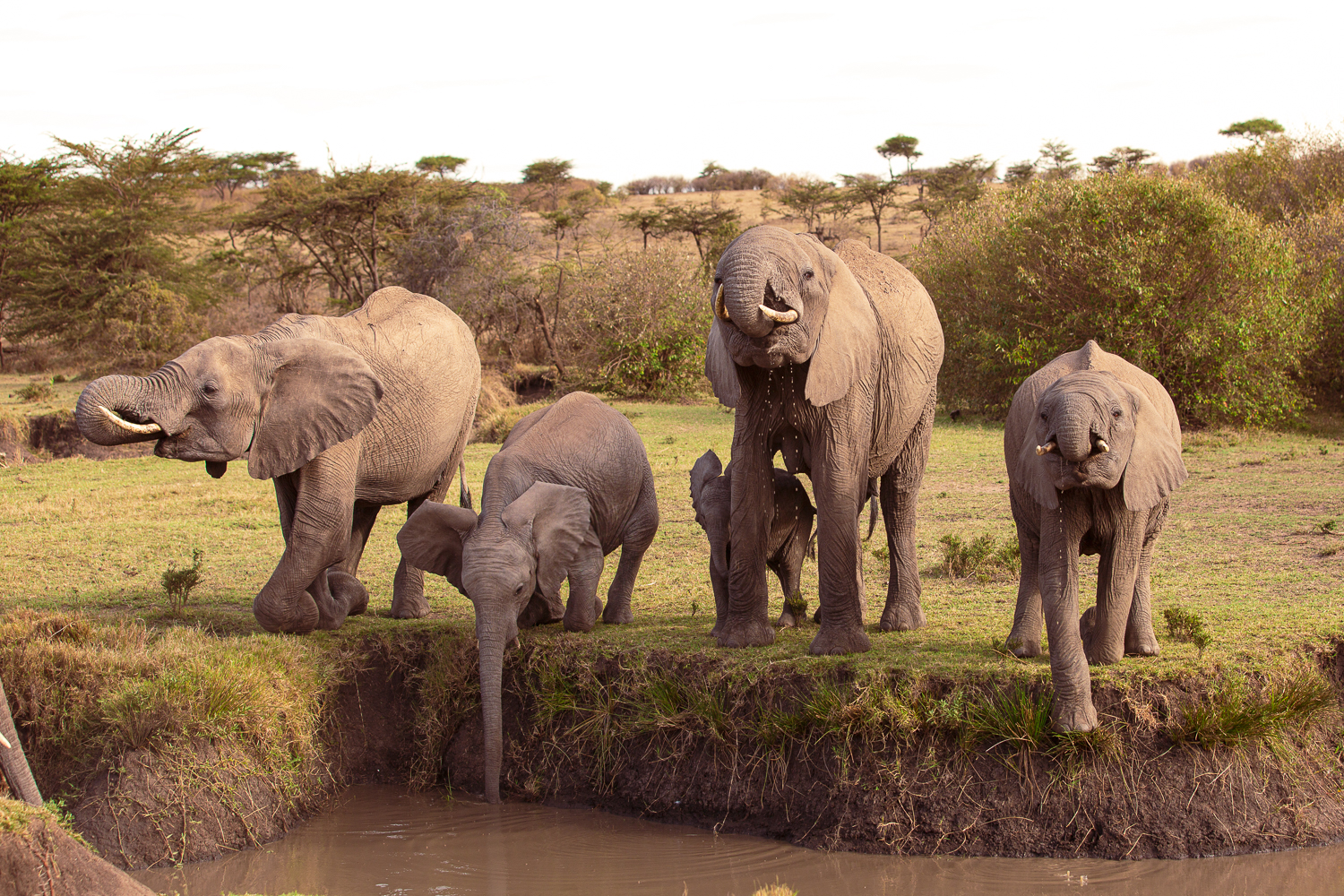
True connection with Kenya happens when you stop expecting it to be somewhere else. The laughter of children in a village school, the quiet dignity of a Maasai elder, the sudden thrill of a lioness stalking through long grass – these moments resist packaging yet linger longest in memory.
Health, Safety and Responsible Travel Practices
Drinking water requires treatment outside major hotels and lodges. Bottled water is widely available and should be used for brushing teeth in remote areas. Fresh produce from reputable sources rarely causes issues, but street food demands caution. Hand sanitiser proves useful after market visits and before meals.
Sun protection cannot be overstated at equatorial altitudes. Factor 50 sunscreen, wide-brimmed hats, and UV-protective clothing guard against intense radiation that causes more than discomfort – it can ruin several days of your journey. Hydration becomes especially important during game drives when excitement makes travellers forget to drink.
Responsible travel means more than following rules. It involves learning local names for places and people, supporting women-led enterprises, and understanding that not every experience needs to be photographed. The most profound journeys often happen in moments without cameras – sharing tea with a Samburu grandmother or watching elephants cross a river at dusk with only the sounds of nature as soundtrack.
Creating a Balanced Kenyan Itinerary
Most first-time visitors benefit from combining different experiences rather than attempting to see everything. A classic combination might include four nights in the Masai Mara, three nights in the Laikipia region, and several days along the coast. This allows time to settle into each environment rather than rushing between locations.
Private journeys offer particular advantages in Kenya. With your own vehicle, guide, and flexible schedule, you can linger at a sighting or depart early for a sundowner without group pressure. For discerning travellers seeking a private safari beyond our set itineraries, we invite you to contact us directly. We specialise in designing exceptional, tailor-made journeys for individuals, couples, families, and private groups of up to eight guests. Drawing on our handpicked network of distinguished camps and lodges, we curate every detail with precision and care, creating a seamless, deeply personal safari experience shaped entirely around your preferences, pace, and budget.
Consider linking your Kenyan adventure with neighbouring experiences. A journey that includes both Kenya and Tanzania allows seamless following of the migration between the Masai Mara and Serengeti. Alternatively, combining a safari with time in the Seychelles creates perfect contrast between wilderness and island tranquillity.
Embracing Kenya on Its Own Terms
The country that greets you will not always match the one in guidebooks or social media feeds. Its contradictions – ancient traditions alongside mobile money innovation, vast wilderness beside bustling cities – create a texture impossible to capture in single images. Those who arrive with open hearts and flexible expectations discover rewards that extend far beyond wildlife sightings.
Kenyan tips and advice ultimately point towards one truth: the most memorable journeys happen when you engage fully with the present moment. Put down your camera occasionally. Listen to the stories. Allow the land to work its particular magic on your perspective. The dust will wash off, but the connections remain.
Whether this marks your first African journey or your tenth return to familiar landscapes, Kenya offers something new each time. Its people, wildlife, and ever-changing light continue teaching valuable lessons about patience, resilience, and the profound beauty found in authentic encounters. For those looking for a private safari beyond our set itineraries, we would be delighted to hear from you directly. We specialise in creating beautifully tailored journeys for solo travellers, couples, families, and private groups of up to eight guests. Through our trusted network of carefully selected camps and lodges, we craft each safari around your individual interests, preferred pace, and budget, ensuring a seamless and deeply personal experience from beginning to end.
Start planning your Kenyan adventure by exploring our Kenya safari collection, or discover the intimate experiences awaiting at Angama Mara overlooking the Masai Mara. For more insights into making the most of your time in East Africa, read our guide to understanding the great migration patterns that shape so many unforgettable moments across the region.
More like this
Tips & Advice
What I Wish I Had Known Before Stepping onto Ugandan Soil
Tips & Advice
What It Takes to Navigate African Roads as a Professional Tour Guide
Tips & Advice
What Most Travelers Overlook Before Booking Botswana Wildlife Trips
Tips & Advice
What Most Travelers Overlook When Planning Their Tanzania Safari
Tips & Advice
What Really Happens on a Zimbabwean Journey When Plans Meet Reality
Tips & Advice