Tips & Advice
What I Wish I Had Known Before Stepping onto Ugandan Soil
Encounters Africa - 10 min read
Updated on 17 June 2026
Tips and advice for visiting Uganda reveal layers most first-time travellers never anticipate until their boots meet the rich red earth. From the cool mists of the Virunga foothills to the equatorial pulse of the Nile's source, this land rewards those who arrive prepared not just with permits and packing lists, but with open minds and flexible expectations. What follows is the distillation of hard-won insights that transform a standard journey into something far richer.
Uganda sits at the crossroads of East African ecosystems, where altitude shifts dramatically within a single day's drive. Understanding these nuances early can mean the difference between breathless discomfort and immersive delight. The country welcomes roughly 1.5 million international visitors annually, yet those who linger beyond the checklist discover a destination defined by its people as much as its primates.
The equatorial sun may rise with equatorial predictability, yet Uganda's true rhythms reveal themselves only to those patient enough to listen between the beats.
The Altitude Reality That Changes Everything
Many travellers underestimate how Uganda's dramatic elevation affects both body and mind. Kampala sits at approximately 1,200 metres above sea level, while the gorilla trekking slopes of Volcanoes National Park climb beyond 2,500 metres. This means packing layers becomes essential rather than optional, with mornings in the highlands often starting near 10°C before climbing to a comfortable 25°C by midday.
Acclimatisation matters more than most realise. The rapid ascent from Lake Victoria's shores to the misty mountains can trigger mild altitude effects even for the fit. Hydration becomes your closest companion, and a measured pace on those forest trails pays dividends in both enjoyment and safety. The best time to visit Uganda spans June to September and December to February, when drier conditions make the steep climbs slightly more forgiving.
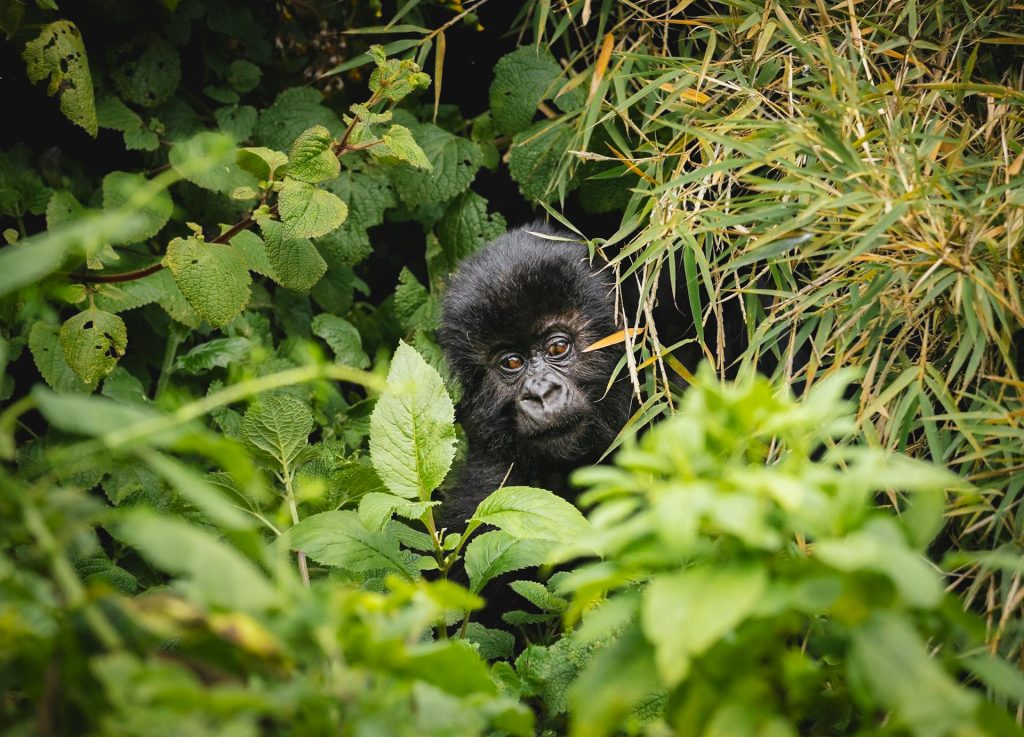
Light-headedness isn't reserved for the unfit. Even seasoned hikers report the need to adjust their stride when tracking habituated mountain gorillas at elevations where oxygen feels noticeably thinner. This isn't weakness, it's physics, and respecting it allows deeper engagement with the experience.
Practical Packing Considerations for Variable Climates
Beyond the obvious waterproof outer layers, consider the reality of equatorial downpours that arrive with theatrical intensity. Quick-dry fabrics prove their worth within the first week, while wool or synthetic base layers handle the temperature swings better than cotton. A lightweight daypack that compresses small enough for airline carry-on restrictions serves double duty on forest walks.
Footwear deserves special attention. Sturdy hiking boots with good ankle support handle the root-strewn paths of Bwindi Impenetrable Forest, yet you'll also want something breathable for lodge evenings. Many travellers wish they'd brought a second, lighter pair for camp comfort after those long days tracking chimpanzees through tangled undergrowth.
Uganda doesn't merely test your equipment. It quietly reveals which preparations truly matter once you're far from the reassuring glow of airport departure boards.
Understanding Permits and Booking Timelines
Tips and advice for Uganda must include frank discussion of gorilla trekking permits, which remain the country's most sought-after wildlife experience. Each permit costs $700 for foreign visitors and allows exactly one hour with a habituated group. With only eight tourists permitted per gorilla family daily, advance planning isn't optional, it's essential.
Secure your permits through reputable operators at least six months ahead for peak season visits. The Uganda Wildlife Authority releases limited daily allocations, and last-minute availability proves increasingly rare. Those planning to combine gorilla tracking with chimpanzee habituation experiences in Kibale National Park should coordinate both bookings through the same trusted specialist to avoid date conflicts.
Beyond primates, consider lesser-known permits for activities like golden monkey trekking in Mgahinga Gorilla National Park. These experiences often receive less attention yet offer equally profound encounters with Uganda's remarkable biodiversity. Booking through community-linked operators ensures your presence directly supports local conservation initiatives that have expanded protected gorilla habitats by over 300 square kilometres since 2010.
Choosing Between Popular Sites and Community Experiences
The well-trodden path to Bwindi's gorilla groups delivers undeniable magic, yet travellers seeking deeper connection might consider the community-led experiences around Mgahinga or the lesser-visited sectors of Uganda. These options often include meaningful interactions with Batwa communities whose ancestral knowledge of the forest spans generations.
Community conservancies surrounding national parks offer authentic alternatives to crowded trailheads. Here, visitor numbers remain deliberately limited, allowing for more considered wildlife viewing and genuine cultural exchange. The revenue from these visits funds education and healthcare projects that strengthen the relationship between local people and wildlife protection efforts.
Health Preparations That Go Beyond Vaccinations
Malaria remains a year-round concern in most regions, though risk decreases significantly above 1,800 metres. Consult a travel clinic at least eight weeks before departure for personalised advice on antimalarials, as resistance patterns shift. Many experienced visitors combine medication with rigorous bite prevention, treating all clothing and gear with permethrin before travel.
Yellow fever vaccination requirements apply for most international arrivals, with proof of vaccination needed upon entry. Uganda's Ministry of Health maintains strict protocols that protect both visitors and local populations. Beyond official requirements, consider hepatitis A and typhoid vaccinations, particularly if your itinerary includes rural homestays or community experiences.
Altitude sickness medication deserves discussion with your doctor if you plan rapid ascents to the Virunga volcanoes. Simple remedies like acetazolamide can ease symptoms, yet the most effective prevention remains gradual acclimatisation and honest self-assessment. The crisp mountain air brings both exhilaration and the responsibility to listen carefully to your body's signals.
True preparation for Uganda extends far beyond medical kits. It encompasses the mental flexibility to embrace equatorial rhythms that refuse to be hurried.
Transport Realities and Getting Around Safely
Uganda's road network has improved dramatically over the past decade, yet travel times rarely match Google Maps predictions. The journey from Entebbe International Airport to Kampala typically takes 90 minutes in good conditions, though afternoon thunderstorms can double that estimate. Internal flights operated by reliable carriers offer efficient connections to key safari hubs like Kihihi or Kisoro.
Self-driving remains an option for confident travellers, with 4x4 vehicles available for hire in Kampala. However, the combination of unpredictable weather, occasional military checkpoints, and wildlife crossing roads makes hiring an experienced local driver a wiser investment. Professional guides not only navigate the practical challenges but enrich every kilometre with context and cultural insight.
Security has improved markedly since the early 2000s, with tourist areas considered very safe for responsible travellers. That said, standard precautions apply. Avoid travelling after dark outside major towns, use registered transport providers, and maintain awareness of your surroundings in bustling urban centres like Kampala.
Supporting Local Enterprises Thoughtfully
Tips and advice for visiting Uganda should always include consideration of how your presence can strengthen rather than strain local communities. Choose accommodations and experiences that demonstrate transparent benefit-sharing with neighbouring villages. Many distinguished lodges contribute directly to education funds, healthcare clinics, and conservation initiatives that extend far beyond their boundaries.
Market visits offer wonderful opportunities to engage directly with Ugandan entrepreneurs, yet approach bargaining with cultural sensitivity. A respectful exchange that acknowledges the artisan's skill creates more lasting value than driving the hardest deal. Small gestures like learning basic greetings in Luganda or Runyankore open doors that no amount of currency can unlock.
Cultural Considerations and Local Protocols
Uganda encompasses over 50 distinct ethnic groups, each with unique traditions and expectations. While urban centres embrace cosmopolitan attitudes, rural communities maintain more conservative social norms. Modest dress remains appreciated, particularly when visiting villages or participating in community experiences. Shoulders and knees covered demonstrate respect that locals notice and value.
Photography etiquette extends beyond technical considerations. Always ask permission before photographing people, and respect refusals without pressing for explanation. In many communities, particularly among the Batwa and Karamojong peoples, certain sacred sites and ceremonies remain off-limits to cameras regardless of payment offered.
Greetings matter deeply in Ugandan culture. Taking time for proper introductions before launching into requests or negotiations reflects an understanding that relationships form the true currency here. A sincere "Wasuze otya?" (How did you sleep?) in the morning or "Osiibye otya?" in the afternoon creates immediate connection.
Responsible Wildlife Viewing Practices
Maintaining distance from habituated gorillas isn't merely park regulation, it's an ethical imperative that protects both species. The one-hour limit exists to minimise stress on these critically endangered animals, whose population has grown from approximately 250 individuals in the 1980s to over 1,000 today through dedicated conservation efforts.
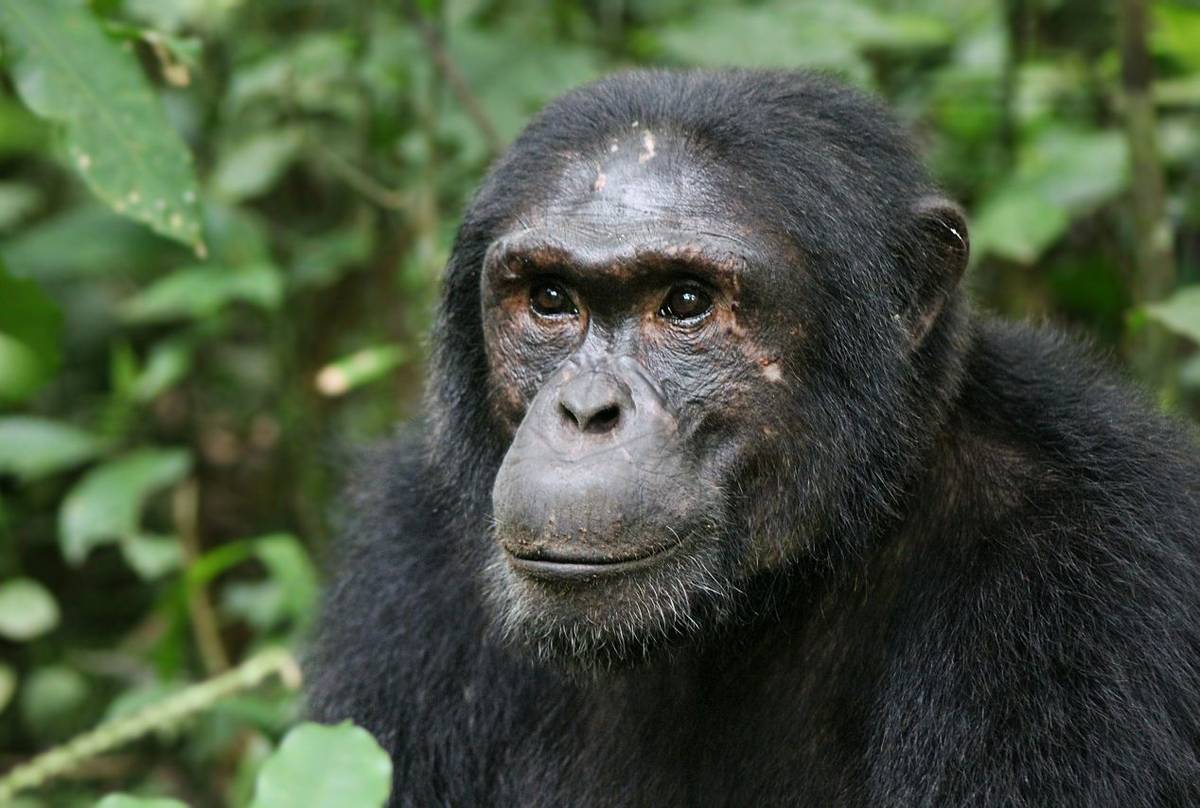
Chimpanzee tracking in Kibale or Budongo forests requires different sensitivities. These highly intelligent primates respond strongly to direct eye contact, which they may interpret as threat. Your guide's instructions about movement, noise levels, and interaction carry the weight of decades spent studying these complex social groups.
Supporting conservation doesn't end at the park gate. Choose operators who demonstrate measurable commitment to anti-poaching initiatives, community development, and habitat protection. The most meaningful Ugandan journeys leave both visitor and landscape subtly transformed through conscientious presence.
The forest doesn't perform for those who arrive with demands. It reveals its secrets gradually to travellers who understand that patience and presence create the conditions for genuine encounter.
What to Expect from Ugandan Hospitality
Ugandan warmth extends far beyond professional service standards. Whether sharing matooke and groundnut sauce around a village fire or enjoying expertly prepared fusion cuisine at distinguished lodges, food becomes a language of welcome. Dietary requirements receive thoughtful attention when communicated in advance, though flexibility serves travellers well in remote areas.
Evening campfires often become the setting for stories that bridge cultures. Rangers and community guides share knowledge passed through generations, while visitors contribute perspectives that enrich the exchange. These conversations frequently become the most treasured memories of an entire journey.
The rhythm of days spent tracking wildlife through ancient forests bears little resemblance to structured European schedules. Embrace the equatorial pace where morning mist might delay a gorilla trek by an hour, yet the subsequent encounter feels all the more profound for the wait. Those who arrive with rigid expectations often miss the deeper magic unfolding around them.
Conclusion
Tips and advice for visiting Uganda ultimately point toward one essential truth: this is a destination that reveals itself most fully to those who travel with humility, curiosity, and respect. The equatorial light may fade quickly each evening, but the impressions left by its landscapes and people linger long after return.
Whether you're drawn to the thunder of Murchison Falls, the haunting calls of chimpanzees at dawn, or the quiet dignity of Batwa forest knowledge, Uganda offers experiences that recalibrate how we understand our place in the natural world. The country doesn't demand perfection from its visitors, only presence and willingness to learn.
For discerning travellers seeking a private safari beyond our set itineraries, we invite you to contact us directly. We specialise in designing exceptional, tailor-made journeys for individuals, couples, families, and private groups of up to eight guests. Drawing on our handpicked network of distinguished camps and lodges, we curate every detail with precision and care, creating a seamless, deeply personal safari experience shaped entirely around your preferences, pace, and budget.
Begin your Ugandan journey with confidence by reaching out to Encounters Africa today. Our specialists have guided hundreds of travellers through these same forests and mountains, always with the dual commitment to exceptional guest experiences and meaningful conservation outcomes. The red earth and emerald canopy await your footsteps.
More like this
Tips & Advice
What It Takes to Navigate African Roads as a Professional Tour Guide
Tips & Advice
What Most Travelers Overlook Before Booking Botswana Wildlife Trips
Tips & Advice
What Most Travelers Overlook When Planning Their Tanzania Safari
Tips & Advice
What Really Happens on a Zimbabwean Journey When Plans Meet Reality

Tips & Advice
What Savvy Travelers Do to Catch Every Major Sighting on a South African Safari
Tips & Advice