Tips & Advice
What Most Travelers Overlook When Planning Their Tanzania Safari
Encounters Africa - 10 min read
Updated on 30 June 2026
Seasonal shifts in the Serengeti and unexpected costs at the crater rim can catch even experienced travelers off guard. This guide delivers targeted tanzanian tips and advice for visiting Tanzania that focus on realistic budgeting and smarter itinerary planning.
Most visitors arrive expecting endless plains and iconic wildlife, yet the nuances that shape a truly rewarding journey often remain hidden until arrival. From the layered rhythms of the Tanzania landscape to the practical realities of daily movement, understanding these overlooked elements transforms anticipation into confident exploration. Encounters Africa has guided countless travellers through these intricacies, ensuring each experience aligns with individual expectations and deeper appreciation.
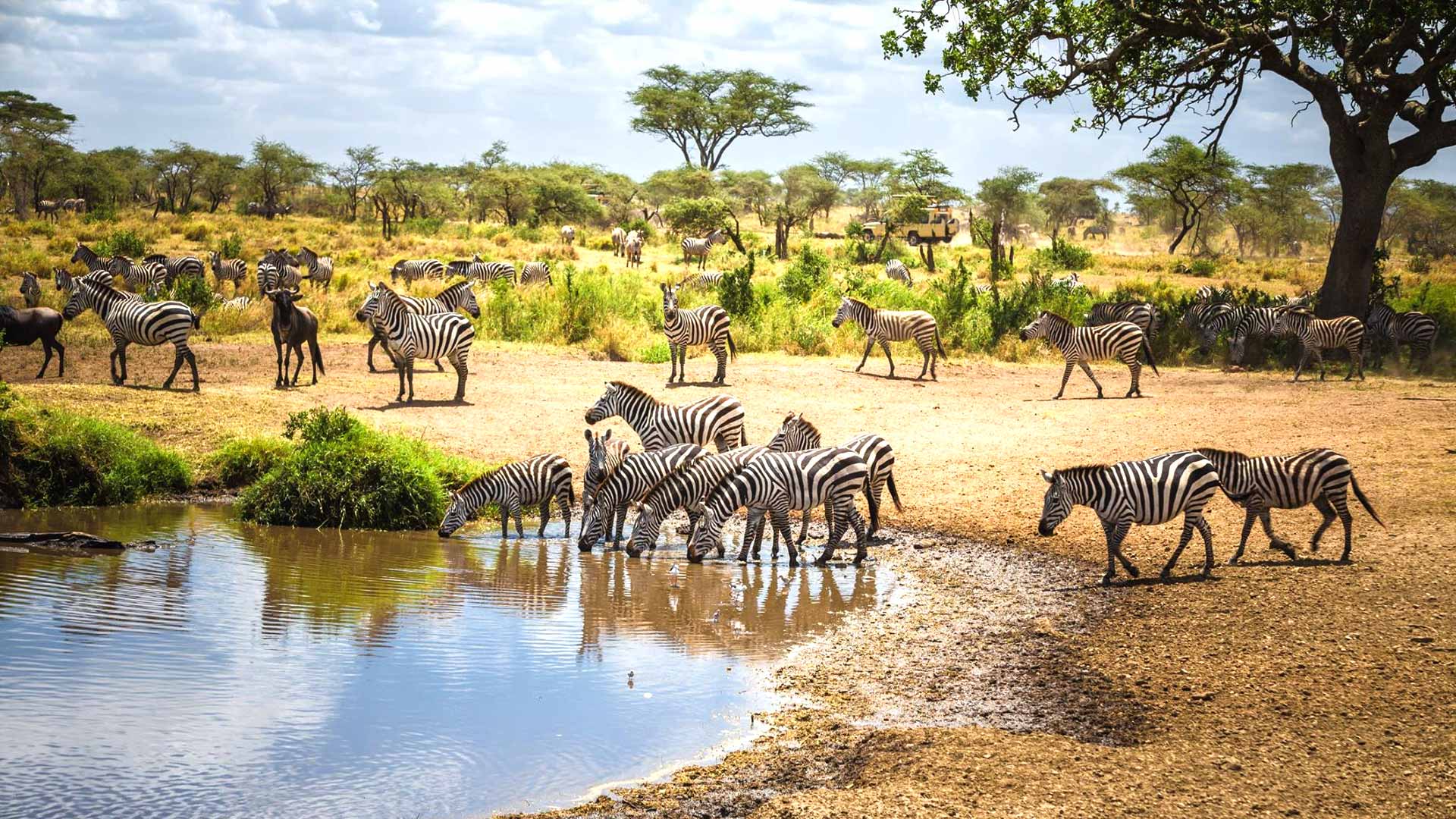
The migration does not follow a calendar; it responds to rain that may arrive weeks early or linger far longer than predicted.
Understanding Tanzania's Layered Seasons
The rhythm of rain and dry periods dictates far more than clothing choices across this vast country. In the northern circuit, the long rains typically fall between March and May, yet the famous Serengeti migration follows its own logic, often crossing the Mara River between July and October regardless of official wet season dates. Travellers who fixate solely on these textbook windows frequently miss the quieter magic of shoulder months when crowds thin and rates soften.
Further south in Ruaha and Selous, the pattern reverses. The dry season from June to October concentrates game around shrinking water sources, creating exceptional predator viewing. November through December brings the short rains, refreshing the landscape while rarely disrupting game drives for more than an hour or two each day. Recognising these regional differences prevents the common mistake of applying one country's seasonal logic to another.
Highland areas around the Ngorongoro Crater maintain cooler temperatures year-round, with nights dropping to single digits even during warmer months. This variation explains why experienced guides recommend packing for multiple climates within a single journey, from lightweight cottons for the coast to insulated layers for elevated evenings.
Arriving with flexibility in your schedule often proves more valuable than any fixed departure date.
Budgeting Beyond the Headline Safari Price
The published rate for a luxury camp represents only the foundation of costs when planning a Tanzania safari. Many first-time visitors underestimate the cumulative impact of park fees, which can exceed $300 per person per day in premium areas during peak season. Ngorongoro Conservation Area charges an additional crater service fee of $295 per vehicle, a figure that catches many off guard when multiplied across several days.
Internal flights add another substantial layer. While essential for covering ground efficiently between Tarangire and the Serengeti, these short hops typically range from $250 to $450 per leg depending on the operator and season. Ground transfers, though more economical, consume valuable hours that might otherwise be spent on game drives or at camp.
Consider also the often-overlooked gratuity expectations. While not compulsory, guides and camp staff anticipate recognition for exceptional service, with recommended amounts varying from $15 to $25 per person per day for your guide. These figures, when totalled across a two-week journey for a family of four, represent a meaningful additional investment that rewards the individuals who make the experience memorable.
Hidden Costs at Popular Sites
The Ngorongoro Crater rim presents one of the most common areas where budgets unravel. Accommodation perched along the edge commands premium rates, yet many travellers fail to factor in the additional vehicle fees for descending into the crater itself. Early morning departures from rim lodges allow first access to the floor before midday coach tours arrive, yet this advantage comes with its own logistical considerations.
Zanzibar extensions introduce entirely different expenses, from mandatory tourist taxes to the reality that many beach properties operate on full board while offering limited dining options nearby. Planning these transitions carefully prevents the disappointment of discovering your dream extension stretches the original budget beyond recognition.
What to Pack for Tanzania's Diverse Climates
Successful packing begins with understanding that Tanzania demands versatility rather than volume. Neutral tones serve best for wildlife viewing, while long sleeves and trousers provide essential protection against both sun and insects during evening hours. Lightweight, quick-dry fabrics outperform traditional cottons in the humidity of the coast and western parks.
Binoculars deserve special consideration. While many camps provide shared optics, serious observers benefit from bringing their own 8x or 10x magnification models. A quality pair weighing under 700 grams balances performance with the practicalities of long game drives and potential walking safaris.
Power management presents another frequently overlooked challenge. With limited electricity in many mobile camps, travellers should carry power banks rated for lithium content acceptable by airlines, along with universal adapters suitable for both British and European sockets. Solar chargers prove particularly valuable during extended stays in remote concessions.
A well-chosen pair of binoculars often creates the difference between seeing wildlife and truly observing its behaviour.
Health Preparations and Medical Considerations
Malaria prevention remains essential across most of Tanzania below 1,800 metres elevation. The choice between daily tablets and weekly options should be discussed with a travel clinic at least six weeks before departure, allowing time to assess individual reactions. Mosquito repellents containing at least 30% DEET provide the most reliable protection during dawn and dusk hours when anopheles mosquitoes are most active.
Yellow fever vaccination requirements fluctuate based on your travel history and current WHO recommendations. As of 2024, travellers arriving from countries with risk of transmission must present proof of vaccination upon arrival. Even those exempt by itinerary should consider the vaccine for its long-term protection, particularly if future journeys might include other African destinations.
Altitude presents genuine concerns for those visiting Ngorongoro or climbing Kilimanjaro. The crater floor sits at approximately 1,800 metres while the rim reaches 2,400 metres, high enough to trigger symptoms in susceptible individuals. Acclimatisation through a gradual ascent from Arusha proves more effective than attempting to power through initial discomfort.
Common Medical Misconceptions
Many travellers arrive believing African hospitals cannot handle serious emergencies, yet major centres in Arusha and Dar es Salaam maintain excellent facilities with English-speaking staff. Comprehensive travel insurance covering medical evacuation remains non-negotiable, with policies explicitly stating coverage for Tanzania's national parks and remote areas.
Travel clinics sometimes overemphasise exotic diseases while underplaying more common ailments. Traveller's diarrhoea affects up to 50% of visitors to East Africa, making careful food and water choices more impactful than any single vaccination. Bottled water should be used even for brushing teeth in more basic accommodations.
Cultural Nuances That Enhance Your Experience
Tanzania's cultural tapestry extends far beyond Maasai encounters on the plains. Understanding basic Swahili greetings transforms interactions with lodge staff and local communities, conveying respect that opens doors to more authentic exchanges. Even modest attempts at "Jambo" and "Asante sana" receive warm appreciation from those working in tourism.
Photography etiquette requires particular sensitivity around villages and cultural sites. While many communities welcome visitors, photographing individuals without permission violates local norms and can create tension. Arranging visits through reputable operators ensures proper introductions and often includes opportunities to learn about traditional practices from knowledgeable guides.
Religious considerations vary significantly between mainland Tanzania and the archipelago of Zanzibar. Conservative dress proves essential when visiting Stone Town or entering mosques, with shoulders and knees covered as standard practice. Women may need headscarves for certain sites, readily available from local vendors should you arrive unprepared.
Choosing Between Different Safari Styles
The decision between private and shared experiences shapes not only cost but the entire character of your journey. Private vehicles allow complete flexibility in departure times and duration of game drives, particularly valuable when tracking specific species or simply absorbing the landscape at your own pace. For families or groups of up to eight, this option often proves more economical than multiple shared bookings.
Mobile camps following the migration offer an entirely different perspective, dismantling and relocating every few days to remain close to the action. While lacking some permanent camp luxuries, these operations provide unparalleled access to the migration's ever-changing locations. The trade-off comes in simpler accommodations that prioritise location over elaborate facilities.
Walking safaris introduce another dimension, available in select areas under the guidance of armed rangers. These experiences reveal smaller wonders easily missed from vehicles, from intricate insect life to medicinal plants used by local communities for generations. Most operators recommend combining vehicle and walking activities rather than committing exclusively to one format.
Common Questions About Planning a Tanzania Safari
When is the best time to visit the Serengeti for the wildebeest migration? The river crossings typically peak between July and September, though exact timing varies annually. February and March offer the calving season in the southern plains with excellent predator sightings, while the dry months of June and October provide outstanding general game viewing with fewer visitors.
How many days should I allocate for a Tanzania safari? A minimum of seven nights allows meaningful exploration of two or three distinct ecosystems. Ten to fourteen nights provide a more comprehensive experience, particularly when including both northern and southern circuits or a Zanzibar extension. Quality outweighs quantity, with well-spaced activities proving more rewarding than rushed itineraries.
Is Tanzania suitable for family safaris with young children? Many operators welcome children from age six, though some premium camps maintain higher minimum ages due to safety considerations around walking activities. Properties with dedicated family suites and child-friendly programming create memorable experiences, provided parents select age-appropriate destinations and activities.
Those who arrive expecting only the Big Five often discover that the smaller moments create the most lasting memories.
Creating Your Personalised Tanzania Journey
The most rewarding safaris emerge from honest conversations about interests, fitness levels, and desired pace rather than following standard itineraries. Some travellers thrive on the drama of predator interactions while others find equal pleasure in birdwatching or cultural immersion. Recognising these preferences early allows for genuinely tailored experiences that resonate long after return.
Weather patterns, while broadly predictable, reward those who build flexibility into their plans. A delayed migration or unexpected rains need not disappoint when alternative activities and locations can be seamlessly arranged. This adaptability often leads to the most memorable encounters, away from the busier routes followed by more rigid schedules.
For discerning travellers seeking a private safari beyond our set itineraries, we invite you to contact us directly. We specialise in designing exceptional, tailor-made journeys for individuals, couples, families, and private groups of up to eight guests. Drawing on our handpicked network of distinguished camps and lodges, we curate every detail with precision and care, creating a seamless, deeply personal safari experience shaped entirely around your preferences, pace, and budget.
Whether combining the Tanzania highlands with coastal relaxation or focusing exclusively on the southern parks, the right preparation transforms good expectations into exceptional reality. Our team at Encounters Africa stands ready to translate these tips and advice for visiting Tanzania into your perfect journey. Visit our enquiry form to begin the conversation about your upcoming safari.
Related reading on our blog includes insights into photography techniques for African wildlife and detailed explorations of Kenya's complementary experiences for those considering multi-country journeys. Each article builds upon practical knowledge gathered through years of guiding travellers across East Africa.
More like this
Tips & Advice
What Really Happens on a Zimbabwean Journey When Plans Meet Reality

Tips & Advice
What Savvy Travelers Do to Catch Every Major Sighting on a South African Safari
Tips & Advice
What Separates Good Game Drives from Exceptional Ones in the Tanzanian Bush
Tips & Advice
What to Pack for a Rainy Season Safari: A Practical Layered Checklist
Tips & Advice
What Touring Through Botswana Really Demands from Travelers
Tips & Advice