Tips & Advice
What Really Happens on a Zimbabwean Journey When Plans Meet Reality
Encounters Africa - 9 min read
Updated on 30 June 2026
Zimbabwean journey tips and advice become essential the moment your carefully plotted route collides with the country's unpredictable rhythms. A fuel shortage in Bulawayo or an impromptu invitation to a village gathering can transform a straightforward itinerary into something far richer. This article draws on real traveller accounts to reveal what actually unfolds when plans meet reality, offering practical insights that go beyond guidebooks.
The best time to visit Zimbabwe is from May to October when the dry season brings clear skies and concentrated wildlife around water sources, though shoulder months offer their own rewards. Expect landscapes that shift dramatically from the thunderous spray of Victoria Falls to the ancient granite hills of the Matobo Hills. Encounters Africa has guided countless journeys across this varied terrain, helping travellers navigate both the expected and the unforeseen with confidence.
Flexibility is not simply helpful on a Zimbabwean journey; it is the very quality that separates memorable experiences from missed opportunities.
Understanding Zimbabwe's Seasonal Realities
Zimbabwe's climate creates distinct windows for different types of exploration. The dry season from May to October delivers temperatures between 15°C and 28°C, making game viewing exceptional in parks such as Hwange National Park where animals gather at remaining waterholes. November to April brings the wet season with afternoon thunderstorms that transform the landscape into vibrant greens, though many roads become challenging.
Travel during the green season rewards those prepared for shorter game drives with the spectacle of newborn animals and fewer visitors. Malaria risk is higher during these months, making prophylaxis and protective clothing non-negotiable. Packing for both extremes proves wise regardless of when you travel.
What to Pack for Variable Conditions
Layering becomes crucial as temperatures can drop sharply after sunset. Neutral-coloured clothing in khaki, beige and olive helps you blend into the environment while lightweight long-sleeved shirts and trousers offer protection from insects. A good pair of binoculars, a head torch with spare batteries, and a portable power bank are indispensable.
Include a reusable water bottle, high-factor sunscreen, and a wide-brimmed hat. Many experienced travellers also carry a small medical kit containing antidiarrhoeal medication, rehydration salts, and antihistamines. For those joining Chobe Game Lodge experiences that sometimes cross into Zimbabwean waters, waterproof gear proves valuable.
When Fuel Shortages Test Your Adaptability
Fuel availability can fluctuate dramatically in Zimbabwe, particularly during economic pressures. Journeys that once followed neat timelines suddenly require creative rerouting. Savvy travellers build buffer days into their schedules and maintain open dialogue with their safari operator about current conditions.
Local knowledge often reveals alternative transport options or nearby attractions that transform potential setbacks into unexpected discoveries. A fuel delay near Lake Kariba might lead to an extended stay at a fishing camp where the sunset over the water creates moments of pure magic. This is where Zimbabwe safari experiences reveal their true character.
The most rewarding Zimbabwean journeys are often those where the original plan dissolves, making space for authentic encounters that no itinerary could have predicted.
Connecting with Communities Along the Way
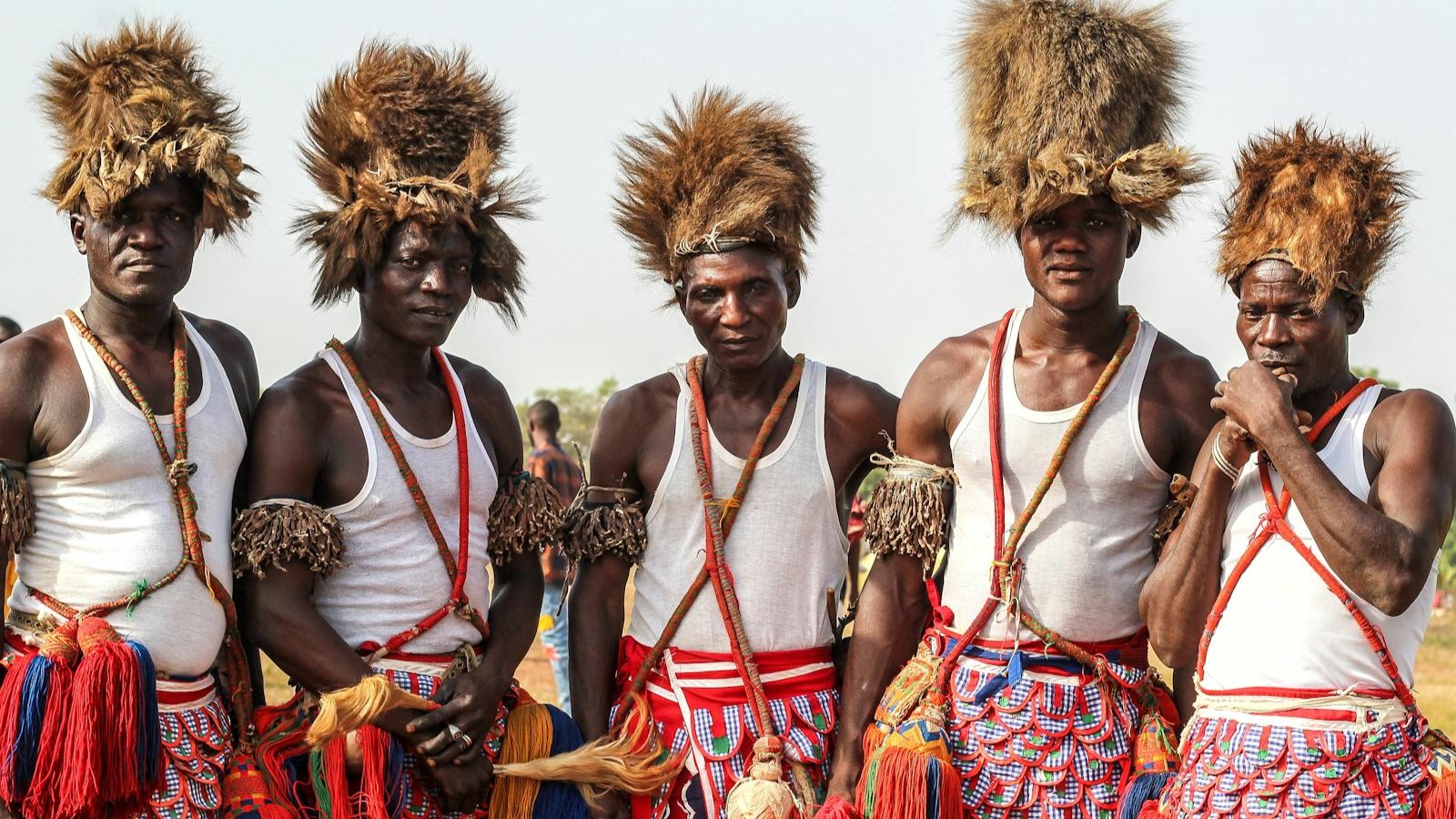
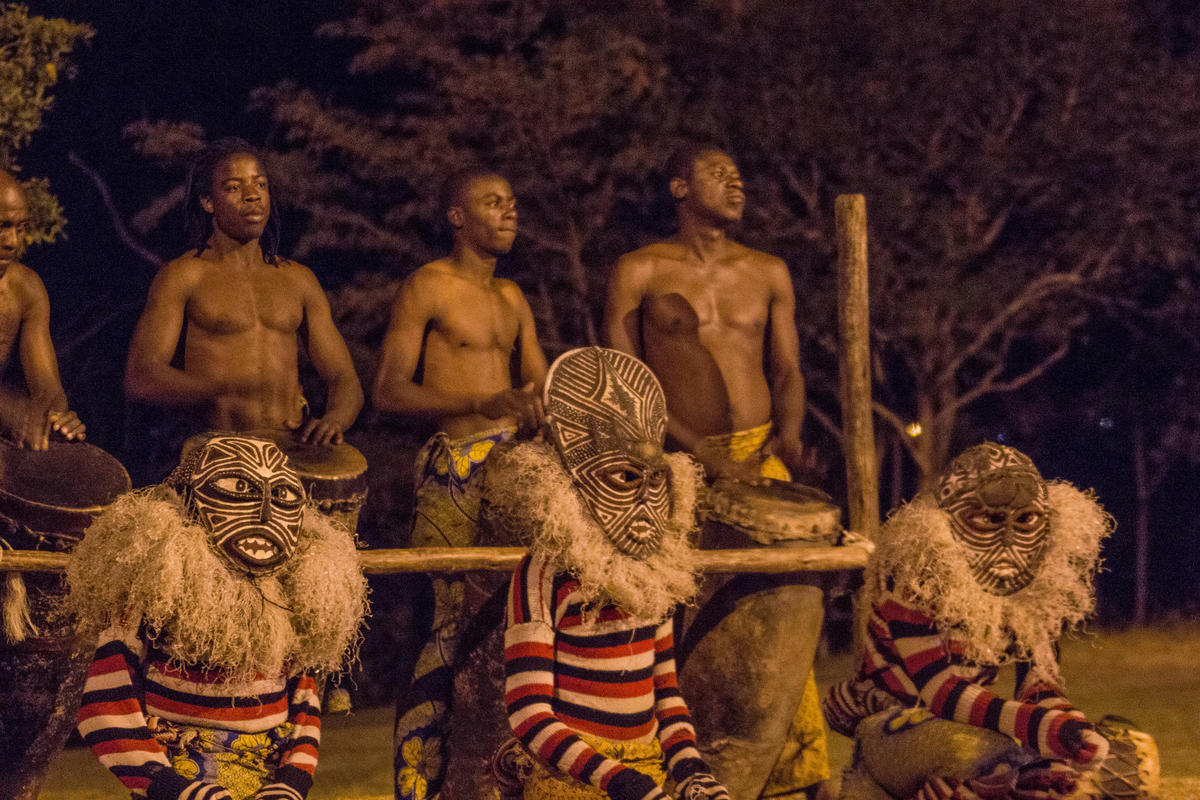
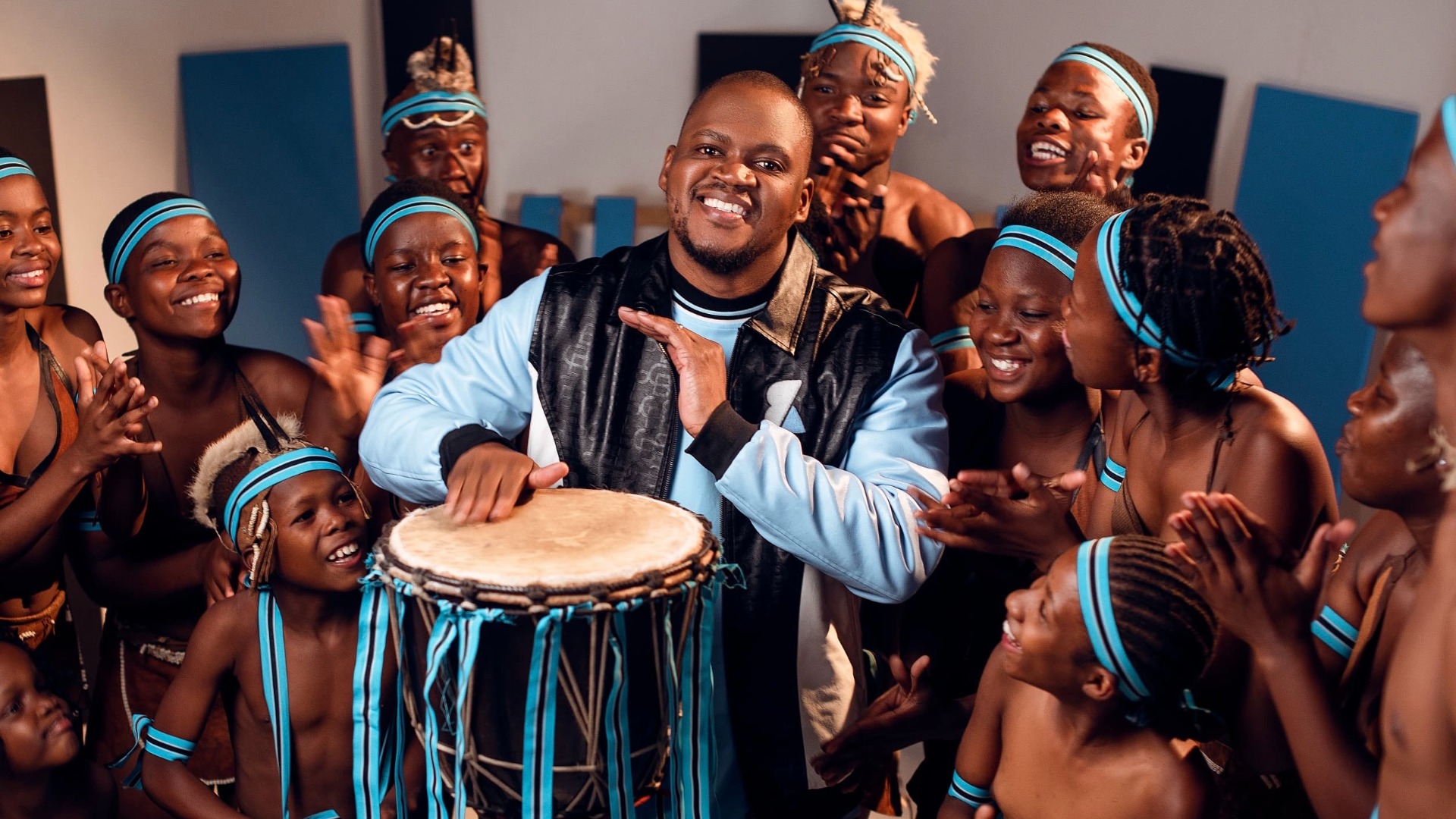
Zimbabwe's greatest wealth lies in its people. An unexpected village invitation might introduce you to a traditional mbira performance or a shared meal of sadza and relish. Approaching these moments with genuine curiosity rather than transactional interest creates meaningful exchanges.
Learning basic Shona or Ndebele greetings demonstrates respect and often unlocks warmer interactions. Carrying small gifts such as schoolbooks, footballs or seeds shows thoughtfulness, though always check with your guide about appropriate offerings for specific communities. Many lodges work with nearby villages on development projects that travellers can visit responsibly.
Responsible Engagement with Local Cultures
Photography etiquette matters deeply. Always ask permission before taking someone's photograph and respect refusals without question. In sacred sites such as the Matobo Hills, certain areas hold spiritual significance for local communities and require particular sensitivity.
Supporting community-led initiatives through your choice of accommodation and activities directly benefits conservation and cultural preservation. Several camps partner with local trusts, ensuring that revenue from tourism supports education and healthcare. For those interested in deeper cultural immersion, specialised Zambia and Zimbabwe cross-border journeys can include visits to living heritage sites on both sides of the Zambezi.
Practical Navigation and Transport Realities
Road conditions vary enormously across Zimbabwe. While the main arteries between Harare, Bulawayo and Victoria Falls are generally well-maintained, secondary routes often feature potholes and require four-wheel drive vehicles, especially during the rains. Internal flights operated by reliable carriers offer an efficient way to cover large distances while minimising road fatigue.
Public transport, though colourful and affordable, runs to its own schedule and may not suit those with tight connections. Hiring a private vehicle with driver-guide represents the most comfortable option for many travellers, allowing stops at roadside markets or viewpoints as the mood takes you. Always confirm that your chosen operator maintains high safety standards and carries appropriate insurance.
Health and Safety Considerations
Yellow fever vaccination is not required for entry from most countries, but malaria prophylaxis is strongly recommended for all areas outside Harare. Tap water is generally not safe to drink; stick to bottled or filtered water. Medical facilities vary, making comprehensive travel insurance with medical evacuation coverage essential.
Crime rates in tourist areas remain relatively low, though standard precautions apply. Keep valuables secure, avoid displaying wealth, and follow your guide's advice regarding movement after dark. In national parks, remain in vehicles during game drives and never approach animals on foot without an armed professional guide.
Preparation creates the foundation for spontaneity. The traveller who has packed wisely and researched respectfully finds themselves free to embrace the unexpected gifts a Zimbabwean journey offers.
What Really Happens When You Embrace the Unplanned
Many travellers arrive with rigid expectations shaped by perfectly curated social media images. Reality often looks different. A vehicle breakdown might lead to an afternoon spent learning traditional basket weaving with local women. A missed connection could result in discovering a hidden rock art site that few visitors ever see.
These moments of beautiful disruption teach us that the most profound experiences in Zimbabwe rarely appear on any schedule. The sudden thunderstorm that keeps you at camp might reveal the extraordinary vocal range of the Pel's fishing owl calling across the water. The road closure that forces a different route could introduce you to a community choir practising for an upcoming festival.
Learning to Read the Landscape
Developing an eye for the subtle signs that indicate animal presence takes time. Fresh tracks in the dust, the alarm call of a go-away bird, or the sudden silence of insects can all signal nearby wildlife. Guides who have spent decades in these environments become invaluable teachers, helping you move beyond simply ticking off species to understanding the intricate relationships within each ecosystem.
Carrying a small notebook to record observations enhances the experience. Notes about the particular quality of light at a certain hour or the distinctive scent of rain on parched earth create lasting memories that photographs alone cannot capture. Many guests later tell us these personal observations became their most treasured souvenirs.
Choosing the Right Pace for Your Journey
Not every Zimbabwean journey needs to follow the same template. Some travellers thrive on a fast-paced schedule that covers multiple national parks in two weeks. Others discover greater satisfaction in spending eight days at a single camp, allowing the rhythms of that particular landscape to reveal themselves gradually.
The latter approach often yields deeper connections with both place and people. When you remain in one location long enough, the staff begin sharing stories about their families, the guides start pointing out individual animals with names and histories, and the land itself starts to feel familiar rather than foreign.
Balancing Wildlife and Cultural Experiences
While the wildlife in Hwange, Mana Pools and Gonarezhou remains world-class, focusing exclusively on game viewing means missing Zimbabwe's extraordinary cultural heritage. Ancient rock paintings in the Matobo Hills date back thousands of years and offer profound insights into the spiritual beliefs of early inhabitants.
Combining both elements creates the richest possible journey. A morning tracking black rhinos on foot can be followed by an afternoon learning about traditional healing plants from a local herbalist. This balanced approach reflects how many Zimbabweans themselves move through their world, honouring both the natural environment and their cultural inheritance.
Conclusion
A Zimbabwean journey rarely follows the path you initially imagined, and that is precisely where its magic lies. The fuel shortage that forces an extra night in a small town might introduce you to a local storyteller whose tales illuminate the landscape in entirely new ways. The village invitation that seemed like a detour becomes the memory that stays with you long after the safari vehicles have been packed away.
Encounters Africa specialises in creating these responsive, deeply personal experiences. For discerning travellers seeking a private safari beyond our set itineraries, we invite you to contact us directly. We specialise in designing exceptional, tailor-made journeys for individuals, couples, families, and private groups of up to eight guests. Drawing on our handpicked network of distinguished camps and lodges, we curate every detail with precision and care, creating a seamless, deeply personal safari experience shaped entirely around your preferences, pace, and budget.
Whether you dream of tracking elephants on foot in Mana Pools or exploring the rock art of the Matobo Hills with expert guides, our team stands ready to help translate your vision into reality. Visit our enquiry form to begin the conversation about your own Zimbabwean journey. For those looking for a private safari beyond our set itineraries, we would be delighted to hear from you directly. We specialise in creating beautifully tailored journeys for solo travellers, couples, families, and private groups of up to eight guests. Through our trusted network of carefully selected camps and lodges, we craft each safari around your individual interests, preferred pace, and budget, ensuring a seamless and deeply personal experience from beginning to end.
More like this
Tips & Advice
What Savvy Travelers Do to Catch Every Major Sighting on a South African Safari
Tips & Advice
What Separates Good Game Drives from Exceptional Ones in the Tanzanian Bush
Tips & Advice
What to Pack for a Rainy Season Safari: A Practical Layered Checklist
Tips & Advice
What Touring Through Botswana Really Demands from Travelers
Tips & Advice
What Travelers Discover About Ugandan Wildlife When They Slow Their Pace
Tips & Advice