Tips & Advice
What Separates Good Game Drives from Exceptional Ones in the Tanzanian Bush
Encounters Africa - 10 min read
Updated on 25 June 2026
Wildlife viewing in Tanzania rewards those who move beyond simply scanning the horizon for the Big Five. With over 20 national parks and reserves spanning more than 160,000 square kilometres, the country offers everything from the vast plains of the Serengeti to the dense forests of the Eastern Arc Mountains. What truly elevates a safari, however, lies in the subtle skills that transform routine game drives into memorable encounters filled with insight and connection.
Seasoned guides share how timing your drives, choosing the right vehicles, and understanding ranger signals can transform routine outings into profound wildlife encounters in Tanzania. Focus on patience, silence, and local knowledge to connect more deeply with the animals you came to see. This approach turns fleeting glimpses into stories that linger long after the dust settles on the plains.
The Foundations of Successful Wildlife Viewing in Tanzania
Effective wildlife viewing begins with understanding the rhythms of the African day. In Tanzania, dawn and dusk remain the golden hours when animals are most active and the light casts a gentle glow across the landscape. The air feels crisp at first light, carrying the sharp scent of dew on acacia leaves while distant calls echo across the savanna.
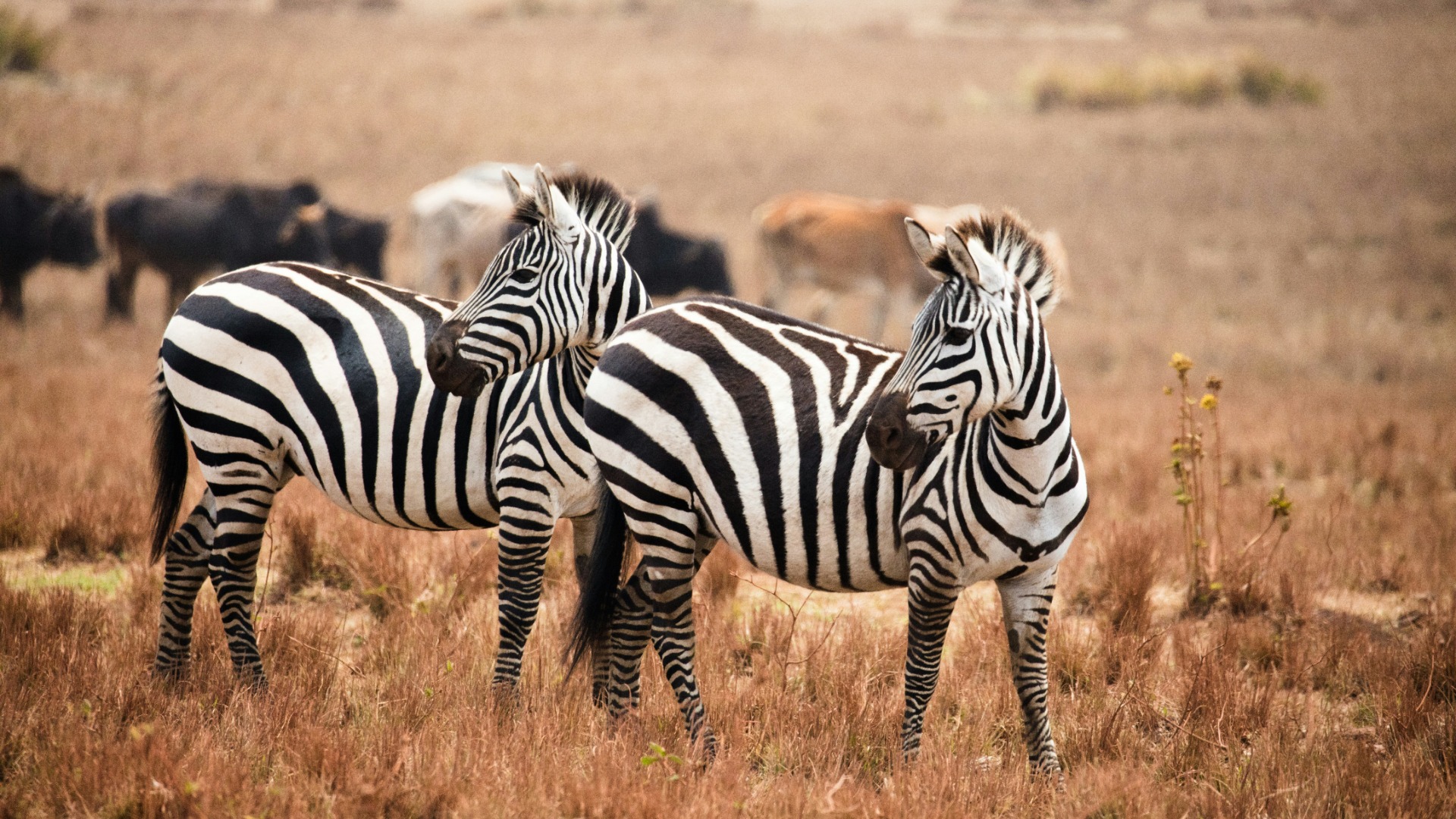
Travellers who embrace these quieter periods often witness behaviours hidden from midday observers. Lions may be finishing a nocturnal hunt, while herds of zebra and wildebeest move cautiously towards watering holes. The key lies in starting early, typically before 6am in most regions, allowing your eyes to adjust gradually to the shifting light.
Patience in the bush is not simply waiting; it is an active state of awareness that invites the wild to reveal itself on its own terms.
Choosing the appropriate vehicle also shapes your experience significantly. Open-sided 4x4s provide unobstructed views and excellent photographic opportunities, though closed vehicles offer protection during the rainy season when tracks become challenging. Many experienced operators in Tanzania maintain small fleets, ensuring each group experiences the landscape without the intrusion of large convoys.

Timing Your Game Drives for Optimal Wildlife Viewing in Tanzania
The question travellers most frequently ask is: when is the best time to visit for wildlife viewing in Tanzania? The answer depends on what you hope to witness. The dry season from June to October concentrates animals around permanent water sources, making sightings more predictable across the Serengeti and Ngorongoro Crater. During these months, visibility reaches its peak with shorter grass and fewer leaves on the trees.
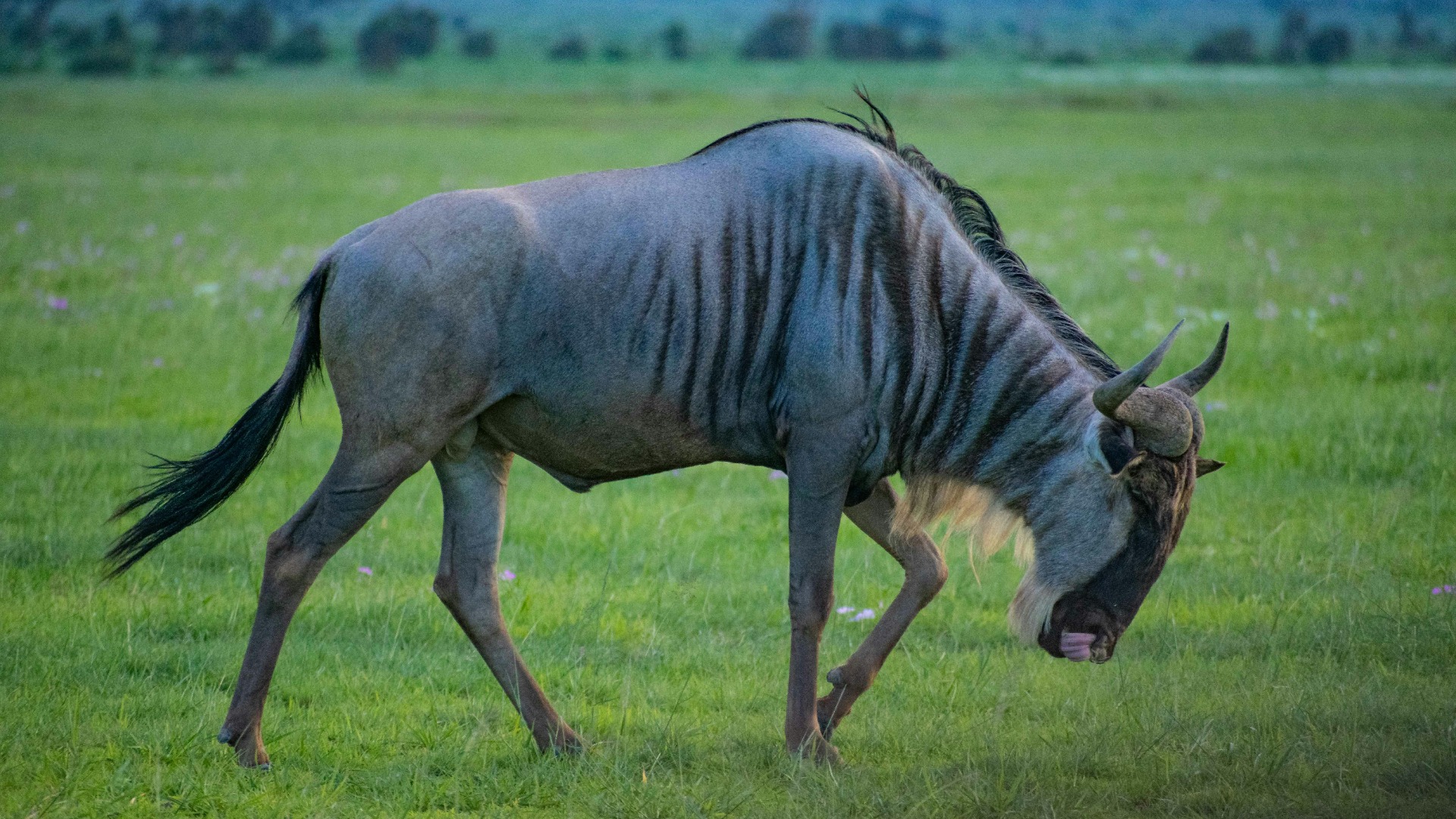
The great wildebeest migration offers another compelling window. Between January and March, over 1.5 million wildebeest gather in the southern Serengeti to calve, creating one of nature's most spectacular annual events. The river crossings in July and August, when the herds navigate the Mara River, present dramatic moments of survival against waiting crocodiles.
Should you prefer fewer vehicles and greener landscapes, consider the long rains from March to May or the short rains in November and December. Although some roads become impassable, these periods reward visitors with dramatic skies, newborn animals, and a sense of exclusivity that larger crowds cannot provide.
The migration is not merely movement across plains; it represents one of Earth's last great natural spectacles, where the land itself seems to breathe with the rhythm of millions of hooves.
Seasonal Considerations Across Different Ecosystems
Each Tanzanian ecosystem tells its own story through the seasons. In the Selous Game Reserve, now known as Nyerere National Park, the Rufiji River system creates floodplains that transform dramatically after the rains. Boat safaris here during the wetter months reveal hippos and crocodiles in greater numbers than land-based viewing alone could offer.
The Ngorongoro Crater maintains relatively consistent wildlife populations year-round due to its unique geography as a self-contained ecosystem. However, the calving season from February to April brings an influx of predators to the crater floor, creating intense activity that seasoned guides know how to interpret.
Reading the Landscape: Essential Tanzanian Tips and Advice
Exceptional wildlife encounters often begin not with seeing animals but with recognising the signs they leave behind. Fresh tracks in the morning dust, broken branches at a specific height, or the distinctive smell of a recent kill all tell stories that guides translate into action. Learning to read these indicators forms the foundation of deeper understanding during your time in the bush.
Silence proves equally important. The sudden cessation of bird calls or a herd of impala staring intently in one direction often signals the presence of a predator long before it becomes visible. Guides frequently stop vehicles to listen, allowing the sounds of the bush to guide their next movements rather than simply driving from one reported sighting to another.
Local knowledge transforms these observations into meaningful context. A guide who has grown up in the region might recognise that particular alarm calls from vervet monkeys indicate a leopard rather than a snake, directing your attention precisely where it belongs. This accumulated wisdom, passed through generations, separates routine drives from those that leave travellers with genuine insight into the ecosystem.
Understanding Animal Behaviour and Communication
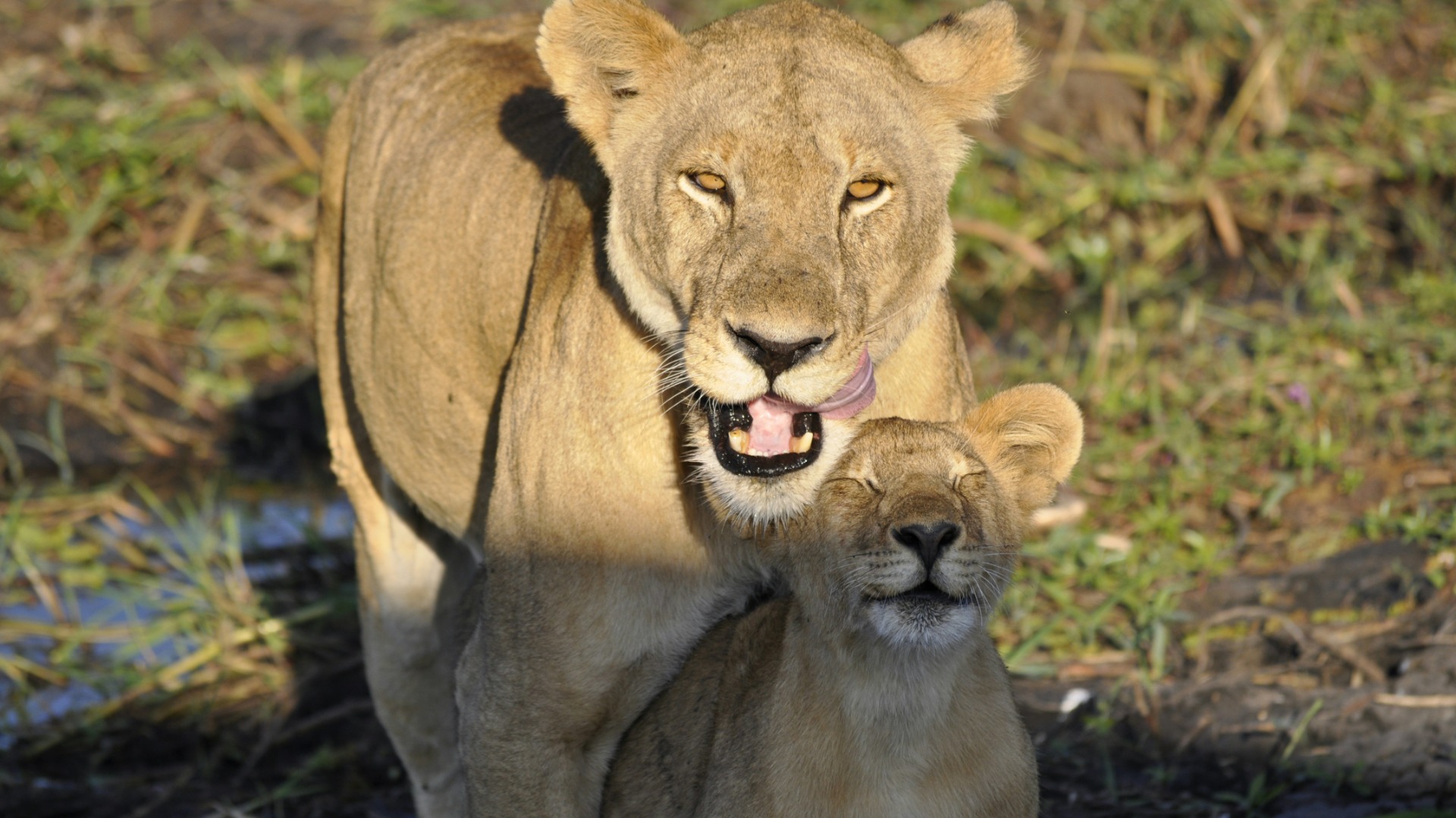
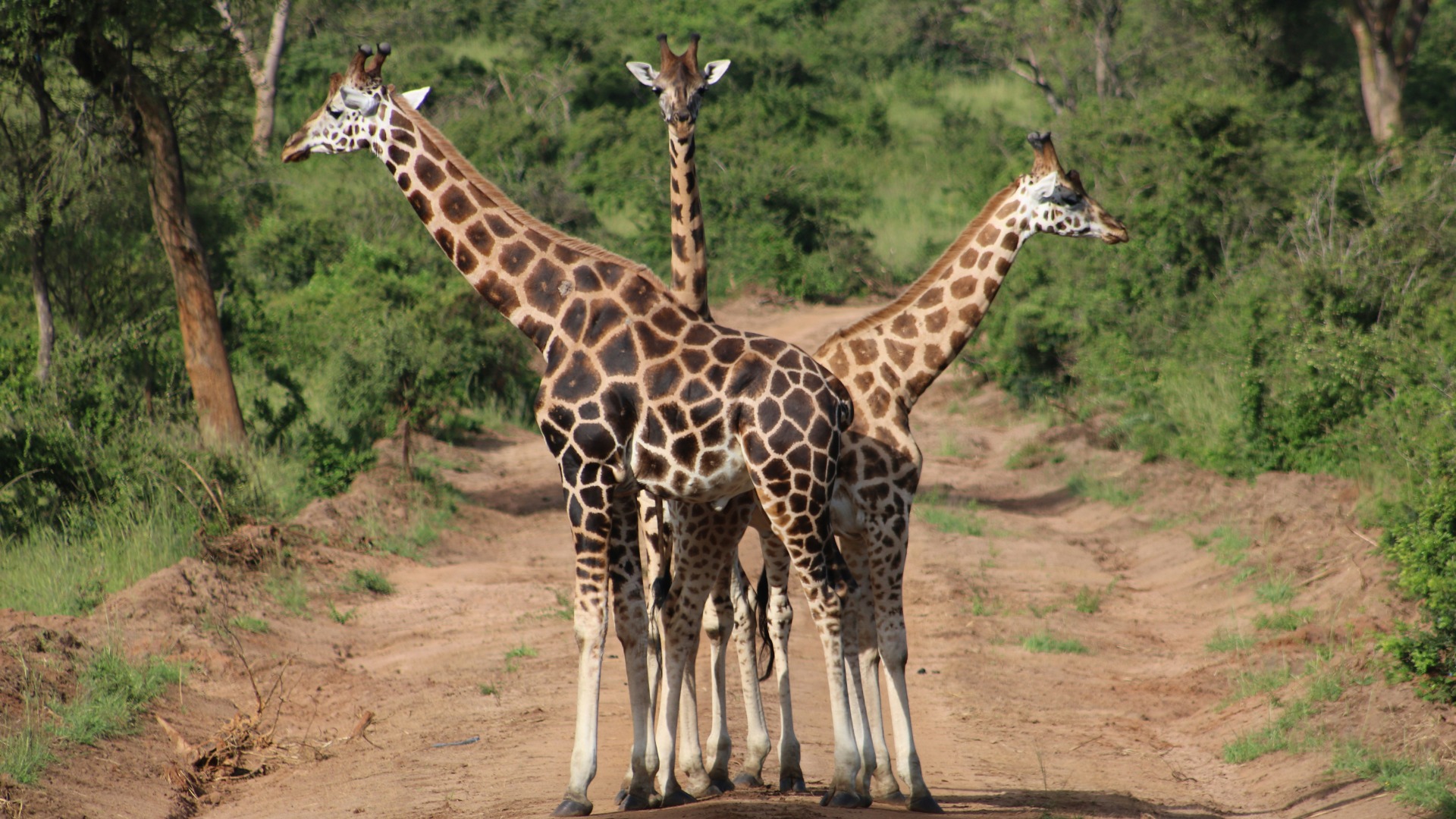
Wildlife viewing in Tanzania becomes richer when you learn to interpret behaviour rather than simply ticking off species. A lioness flicking her tail in a particular pattern might signal to her cubs, while the position of a giraffe's ears can indicate its level of alertness to potential danger.
Many camps now incorporate tracking walks with experienced rangers, offering the chance to follow fresh spoor on foot. These experiences, limited to small groups of six or fewer, provide intimate perspectives impossible from a vehicle. The sensation of moving quietly through the grass, eyes scanning for subtle disturbances, creates a profound connection to the environment.
Choosing the Right Guide and Camp for Meaningful Encounters
The quality of your guide often determines the depth of your wildlife experience more than the destination itself. In Tanzania, the most respected operators invest heavily in training programmes that combine ecological knowledge with cultural understanding and guest management skills. Look for camps that maintain low guide-to-guest ratios, ideally one guide per four travellers or fewer.
Properties like Elewana Serengeti Pioneer Camp demonstrate this commitment through their long-standing relationships with local communities and emphasis on interpretive guiding. Their vehicles are equipped with reference materials and high-quality optics, while the guides themselves undergo continuous professional development.
Smaller, more intimate camps often provide better opportunities for personalised experiences. When booking, enquire about the specific guides who will accompany you and whether the camp offers specialist activities such as photographic safaris or bush skills workshops. These additions can significantly enhance your understanding of the natural world around you.

A great guide does not simply show you animals; they reveal the intricate web of relationships that sustain the wilderness, helping you see not just what is there but why it matters.
Practical Equipment and Photography Tips for Wildlife Viewing in Tanzania
While the bush itself provides the greatest theatre, having appropriate equipment ensures you can fully engage with what unfolds before you. Binoculars with 8x or 10x magnification strike the ideal balance between detail and portability for most travellers. A good pair allows you to study distant animals without disturbing their natural behaviour.
Photography enthusiasts should consider the versatility of zoom lenses ranging from 100mm to 400mm. The golden light of early morning and late afternoon creates dramatic contrasts, particularly when photographing against the acacia-dotted plains. However, the most compelling images often capture behaviour rather than simply portrait shots of individual animals.
Dressing appropriately matters more than many realise. Neutral colours that blend with the environment reduce your visual impact, while layers accommodate the significant temperature variations between dawn and midday. A wide-brimmed hat, comfortable closed shoes, and insect repellent complete the essential kit for extended periods in the vehicle.
Respecting Wildlife and Minimising Your Impact
Responsible wildlife viewing requires maintaining appropriate distances from animals, typically 25 metres for most species though this increases for dangerous game. Never encourage your guide to off-road in pursuit of closer views, as this damages sensitive vegetation and disturbs the very animals you hope to observe.
Modern conservation efforts in Tanzania increasingly involve local communities, with many conservancies directing tourism revenue directly to village development projects. By choosing operators who demonstrate genuine commitment to these initiatives, travellers contribute to the long-term protection of wilderness areas that support both wildlife and human populations.
What to Expect: A Typical Day Focused on Wildlife
A day dedicated to wildlife viewing in Tanzania follows a rhythm shaped by the animals themselves. Most camps serve coffee or tea before dawn, followed by a substantial breakfast once you return from the morning activity. The midday hours offer time for reflection, perhaps with a swim or a visit to the camp library where reference books deepen your understanding of what you have seen.
The afternoon game drive begins around 4pm, extending into the evening when nocturnal species begin to stir. Many camps offer night drives with special permits and red-filtered spotlights that minimise disturbance to animals' natural vision. These excursions often reveal fascinating behaviours, from aardvarks foraging to lions on the prowl.
Evenings around the campfire become occasions for sharing observations and asking questions. The stories exchanged here, accompanied by the crackle of burning acacia wood and the distant calls of hyenas, often become as memorable as the sightings themselves.
Common Mistakes That Limit Your Wildlife Experience
Many travellers inadvertently reduce their chances of meaningful encounters by focusing exclusively on the Big Five. While lions, leopards, elephants, buffalo and rhinoceros command attention, the smaller dramas playing out around them often prove equally captivating. A dung beetle rolling its prize across the track or a lilac-breasted roller displaying its iridescent plumage offers moments of genuine wonder.
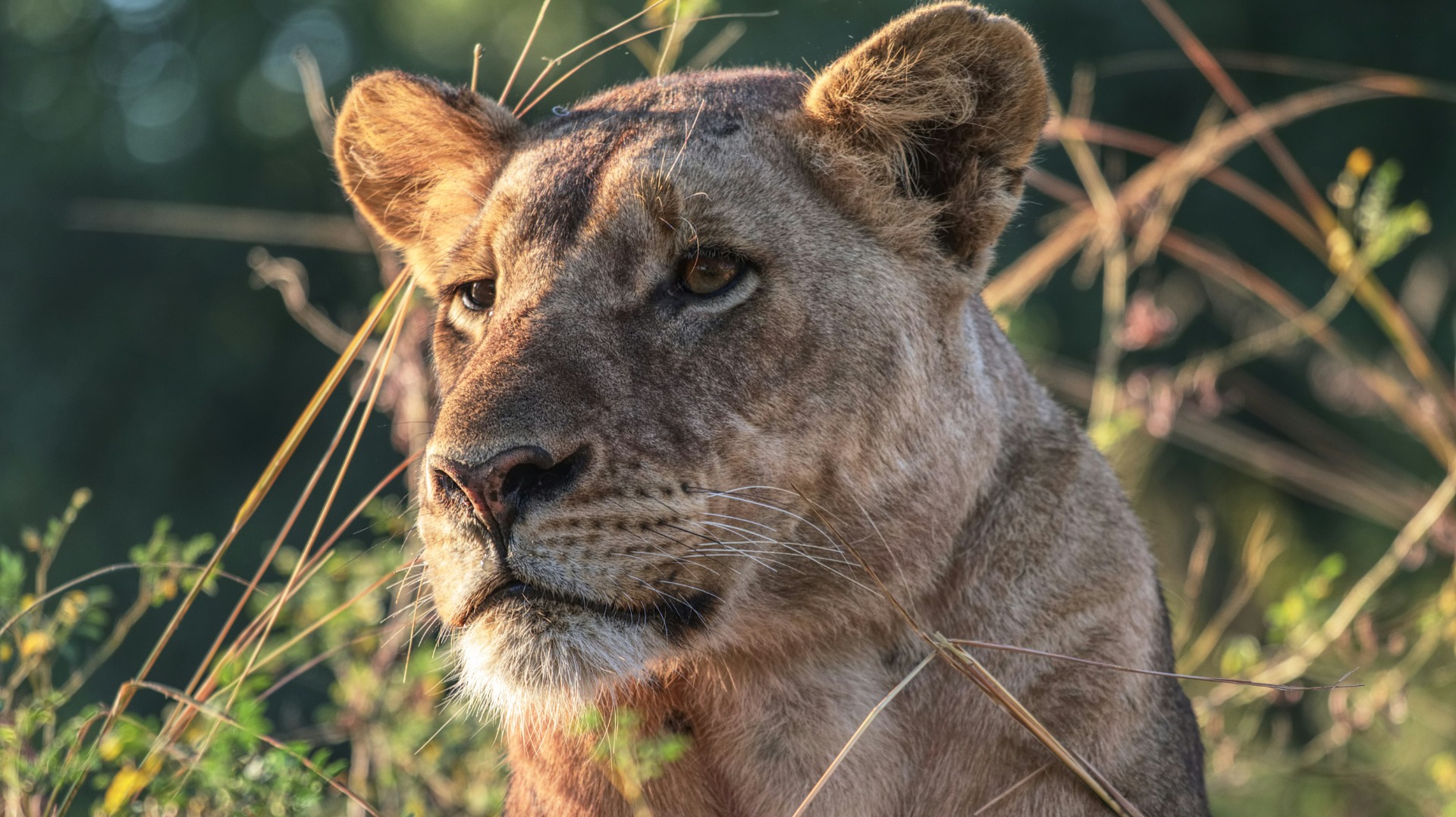
Another frequent oversight involves constant movement between sightings. The most rewarding experiences frequently come from spending extended periods with one group of animals, watching how their interactions unfold over time. A pride of lions may appear inactive at first, but patient observation might reveal a cub's playful ambush or the subtle communication between huntresses planning their next move.
Rushing between reported leopard sightings or chasing radio calls can create a checklist mentality that disconnects travellers from the living landscape. The most profound moments often occur when you least expect them, provided you have created space for the unexpected through thoughtful pacing.
Creating Your Own Exceptional Safari Experience
Wildlife viewing in Tanzania ultimately rewards those who approach it with curiosity, respect, and a willingness to learn. The difference between good game drives and exceptional ones lies not in the number of animals seen but in the depth of understanding and connection formed during your time in the bush.
Whether watching thousands of flamingos lift from Lake Manyara in a pink cloud or observing a family of cheetahs teaching their cubs to hunt on the Serengeti plains, these experiences become part of how you understand the natural world. The knowledge gained stays with you, influencing how you perceive conservation challenges and the delicate balance that sustains African wilderness areas.
For discerning travellers seeking a private safari beyond our set itineraries, we invite you to contact us directly. We specialise in designing exceptional, tailor-made journeys for individuals, couples, families, and private groups of up to eight guests. Drawing on our handpicked network of distinguished camps and lodges, we curate every detail with precision and care, creating a seamless, deeply personal safari experience shaped entirely around your preferences, pace, and budget.
Consider exploring our Tanzania safari collection or reading our guide to understanding the Serengeti migration before your journey. For those looking for a private safari beyond our set itineraries, we would be delighted to hear from you directly. We specialise in creating beautifully tailored journeys for solo travellers, couples, families, and private groups of up to eight guests. Through our trusted network of carefully selected camps and lodges, we craft each safari around your individual interests, preferred pace, and budget, ensuring a seamless and deeply personal experience from beginning to end. Visit our enquiry form to begin planning your Tanzanian adventure with Encounters Africa.
More like this
Tips & Advice
What to Pack for a Rainy Season Safari: A Practical Layered Checklist
Tips & Advice
What Touring Through Botswana Really Demands from Travelers
Tips & Advice
What Travelers Discover About Ugandan Wildlife When They Slow Their Pace

Tips & Advice
Why Botswana's Cultural Ethics Demand More Than Surface Politeness
Tips & Advice
Why Elephants Anchor Rituals in West African Communities
Tips & Advice