Conservation
What Kenya's Rangers Taught Me About Saving Elephants and Rhinos
Encounters Africa - 8 min read
Updated on 24 June 2026
Antipoaching efforts in Kenya have shaped one of Africa's most compelling stories of wildlife recovery. Over the past decade, dedicated rangers, innovative technology and committed communities have worked together to reverse the decline of elephants and rhinos across vast landscapes. Kenya wildlife conservation now stands as a model where measurable gains in population numbers demonstrate what sustained focus can achieve.
The approved excerpt for this article states: From tracking collars on black rhinos to youth education programs in Maasai lands, Kenya wildlife conservation reveals a layered approach where private reserves and national parks work in tandem for measurable species recovery.
The Human Element Behind Kenya Wildlife Conservation
Standing at dawn on the red earth of Laikipia, I watched a team of rangers prepare for their patrol. Their weathered boots and quiet determination told stories that no report could capture. These men and women, often from the very communities bordering the conservancies, form the frontline of antipoaching efforts in Kenya.
At Kifaru House, the rangers shared how their work extends far beyond enforcement. Many have trained for years, learning to read subtle signs in the bush: a broken branch, unusual bird calls, or the absence of expected game trails. Their knowledge of the terrain proves as valuable as any piece of equipment.
The most effective antipoaching efforts in Kenya succeed not through force alone, but through deep understanding of both the land and its people.
Daily Realities of Ranger Life
Rangers typically cover between 15 and 25 kilometres on foot each patrol. In the dry season, temperatures often exceed 35°C before midday. Yet they move with remarkable endurance, carrying water, first aid kits, and communication devices while remaining alert for any sign of illegal activity.
Many rangers I met had grown up herding cattle near these same wildlife areas. Their personal connection to the landscape creates a powerful motivation that transcends any salary. This community linkage represents one of the strongest pillars supporting Kenya wildlife conservation today.
Technology Meets Traditional Knowledge in Antipoaching Efforts in Kenya
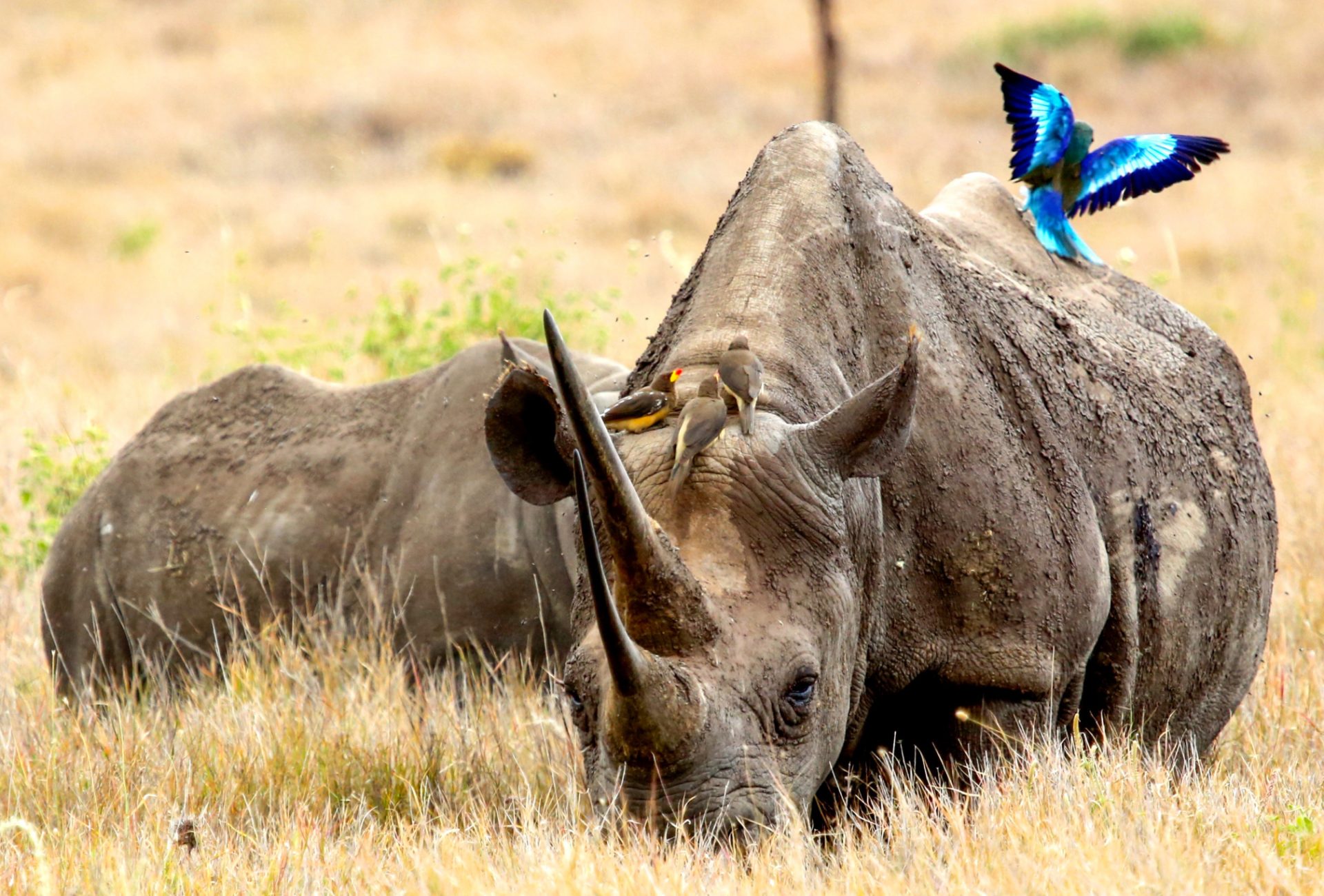
Modern conservation in Kenya has embraced technology without discarding the wisdom of those who have lived alongside wildlife for generations. GPS tracking collars now monitor over 180 black rhinos across key sanctuaries, providing real-time data on their movements and alerting teams to any unusual behaviour that might indicate poaching threats.
Camera traps, numbering in the thousands, capture images that help map animal corridors and identify potential intrusion points. Drones have become increasingly common since their introduction around 2015, covering areas that would take days to survey on foot. In 2022 alone, drone surveillance helped intercept three major poaching attempts in the greater Mara ecosystem.
Yet technology serves merely as a tool. The rangers explained how they combine satellite data with centuries-old tracking skills passed down through their communities. A slight change in elephant dung consistency or the particular way a rhino has rubbed against a tree can reveal critical information about the animal's health and recent movements.
Technology amplifies what experienced eyes already see. The collar tells us where the rhino is, but the ranger tells us how it feels.
Intelligence Networks and Community Reporting
Successful antipoaching efforts in Kenya rely heavily on human intelligence networks. Conservation organisations have developed sophisticated but respectful systems for gathering information from local communities. In many areas, reporting suspicious activity has become a point of pride rather than a risky undertaking.
Rewards for information leading to arrests have been carefully structured to avoid creating division within communities. Instead, many conservancies now channel funds into community projects, creating a direct link between wildlife protection and local development. This approach has dramatically improved information flow in regions where poaching once thrived on community silence.
Community-Led Initiatives Driving Kenya Wildlife Conservation
The transformation in how local people view wildlife represents perhaps the most significant shift in recent years. Where once wildlife was seen primarily as a threat to crops and livestock, many communities now recognise the economic and cultural value of living alongside elephants and rhinos.
In the Maasai lands surrounding certain conservancies, education programmes have reached over 12,000 young people since 2018. These initiatives teach both traditional ecological knowledge and modern conservation principles. Children who once dreamed only of becoming warriors now speak passionately about protecting the very animals their ancestors hunted.
The Ol Pejeta Conservancy has pioneered several community models that other areas have since adapted. Their youth programmes combine classroom learning with practical field experience, creating a new generation of conservationists from within the communities themselves.
From Conflict to Coexistence
Human-wildlife conflict remains a genuine challenge. Elephants can destroy an entire season's crops in a single night. Yet innovative solutions have emerged. Communities now use chilli-grease fences, beehive barriers, and early warning systems that alert farmers when elephants approach cultivated areas.
Compensation schemes for livestock losses have improved significantly. Where previously claims could take months to process, many conservancies now respond within days. This prompt attention has helped build trust and reduced retaliatory killings, which once claimed dozens of lions and leopards annually.
Measuring Success: Numbers That Tell a Story
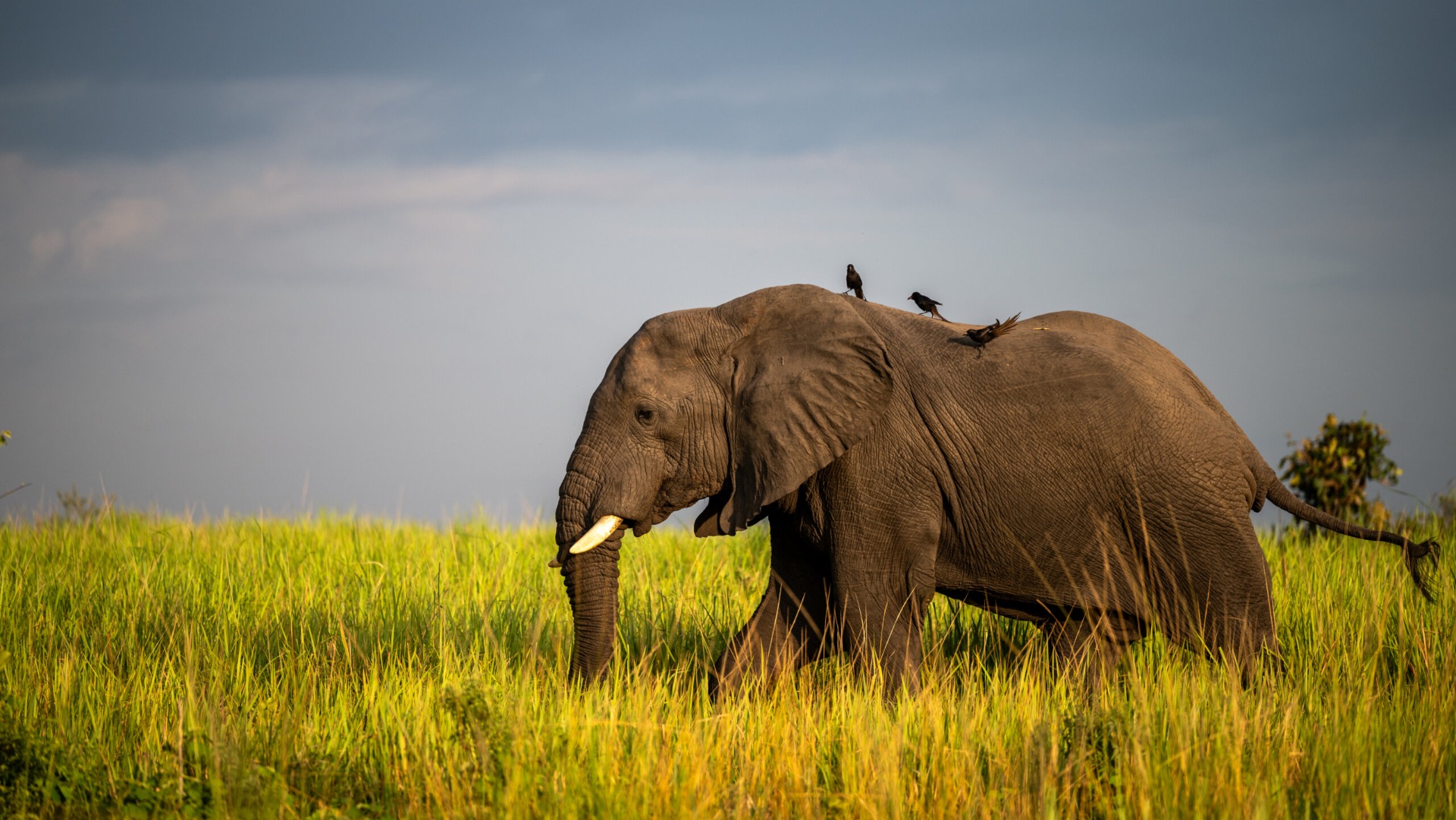
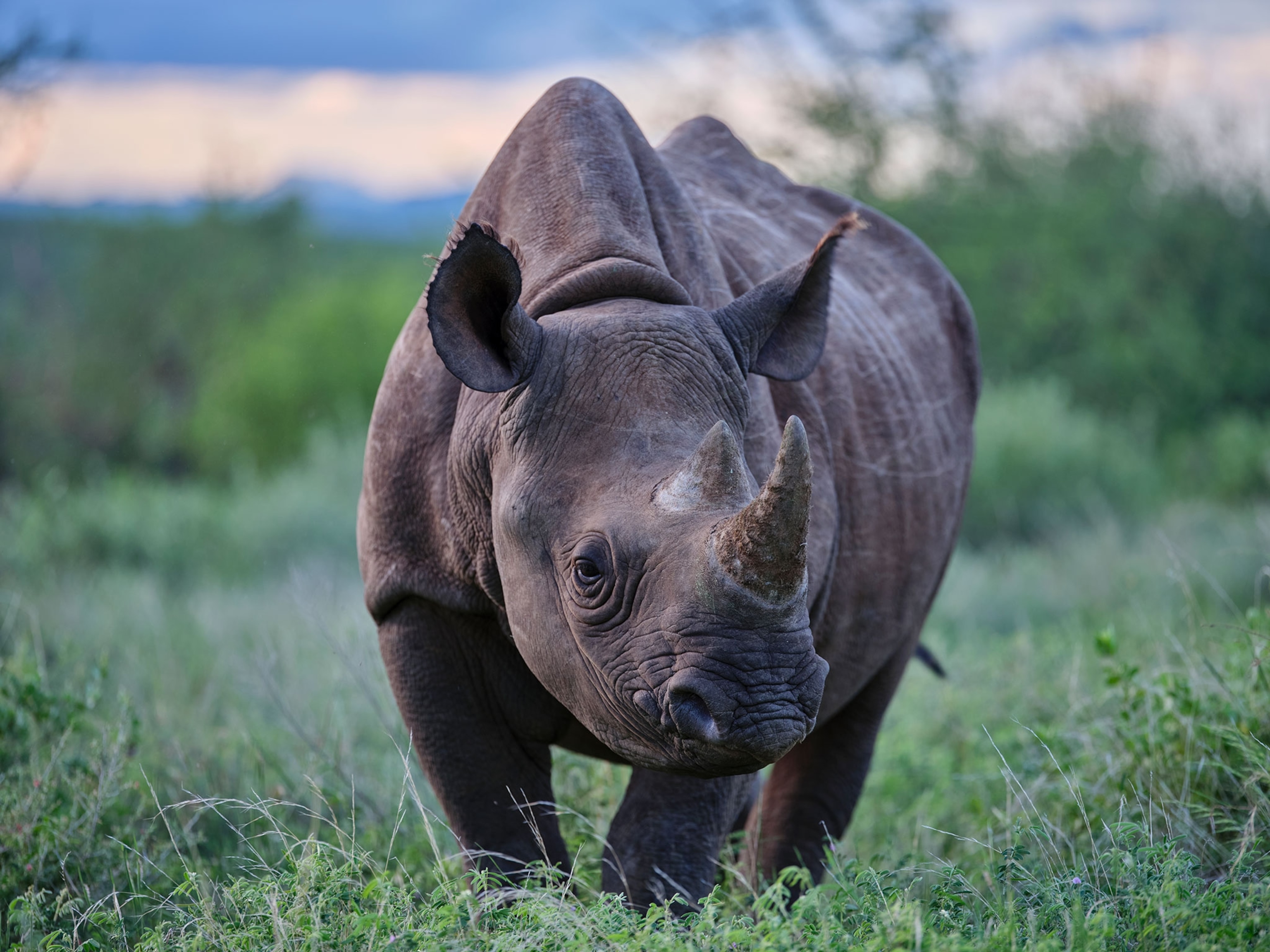
Kenya has seen its elephant population stabilise and grow in many regions despite continued pressure from illegal ivory markets. The most recent national survey in 2021 recorded approximately 36,000 elephants, showing a modest but encouraging increase from previous counts. Black rhino numbers have risen from a low of around 500 in the 1980s to over 700 today, with Ol Pejeta alone protecting more than 140 individuals.
These figures matter because they reflect lives saved and ecosystems beginning to heal. Each additional calf born represents years of dedicated protection by rangers working in challenging conditions. The recovery has not been uniform, however. Areas with strong community support and consistent funding show markedly better results than those without.
Conservation success cannot be measured only in animal counts, but in the strength of relationships between people, wildlife and the land that sustains them both.
The Role of Private Reserves
Private conservancies now protect over 7 million acres across Kenya. These lands often serve as crucial buffer zones and corridors between national parks. Their more flexible management approaches allow for innovative conservation techniques that complement the work of government agencies.
Lewa Conservancy demonstrates how private reserves can achieve remarkable results. Their intensive monitoring and rapid response capabilities have helped establish one of the most secure rhino sanctuaries on the continent. The model has been successfully replicated in several other regions with similar success.
What Visitors Can Do to Support These Efforts
Travellers play an important role in Kenya wildlife conservation. Revenue from responsible safari experiences directly funds many of the programmes I've described. When you stay at carefully selected lodges, a significant portion of your investment supports ranger salaries, community projects and habitat restoration.
Choose operators who demonstrate genuine commitment to conservation. Ask questions about how your safari contributes to protection efforts. Many lodges now offer opportunities to meet rangers and learn about their work first-hand, creating deeper understanding and lasting connections.
Consider supporting organisations working directly with communities. Small contributions can fund vital equipment or education initiatives that yield substantial returns in terms of wildlife protection and local livelihoods.
Challenges That Remain
Despite encouraging progress, significant challenges persist. Poaching networks continue to evolve, becoming more sophisticated in their methods. Climate change brings unpredictable weather patterns that affect both wildlife movements and community attitudes toward conservation.
Funding remains inconsistent. Many programmes depend heavily on international donors whose priorities can shift. Creating sustainable financing models through tourism and other local enterprises represents one of the most pressing needs in Kenya wildlife conservation today.
The rangers I met spoke candidly about these difficulties. They acknowledged the scale of the task but remained quietly determined. Their resilience in the face of both physical danger and bureaucratic hurdles left a lasting impression.
Looking Forward With Cautious Optimism
The lessons from Kenya's rangers extend far beyond any single species or landscape. They demonstrate how combining traditional knowledge with modern approaches, engaging communities as genuine partners, and maintaining consistent effort over many years can produce meaningful change.
For those planning a journey focused on understanding these conservation stories, Kenya offers unparalleled opportunities to witness both the challenges and the triumphs first-hand. Consider exploring our conservation-focused safari itineraries that connect travellers with the people and projects making a genuine difference.
For discerning travellers seeking a private safari beyond our set itineraries, we invite you to contact us directly. We specialise in designing exceptional, tailor-made journeys for individuals, couples, families, and private groups of up to eight guests. Drawing on our handpicked network of distinguished camps and lodges, we curate every detail with precision and care, creating a seamless, deeply personal safari experience shaped entirely around your preferences, pace, and budget.
Reach out through our enquiry form to begin planning your own meaningful encounter with Kenya's remarkable conservation landscape. The rangers' work continues, and each informed visitor becomes part of the solution they fight to protect every single day.
More like this
Conservation
What Scientists Discovered About Tanzania Wildlife After a Decade of Close Monitoring

Conservation
What Seychelles' Marine Reserves Reveal About Successful Antipoaching Strategies
Conservation
Why African Conservation Efforts Often Struggle Against Poaching and Climate Pressures
Conservation
Why Antipoaching Efforts in South African Lodges Are Reshaping Kruger’s Future
conservation
Why Madagascar's Rainforests Depend on Cleaner Cooking Fuels
conservation