Tips & Advice
What Travelers Discover About Ugandan Wildlife When They Slow Their Pace
Encounters Africa - 11 min read
Updated on 25 June 2026
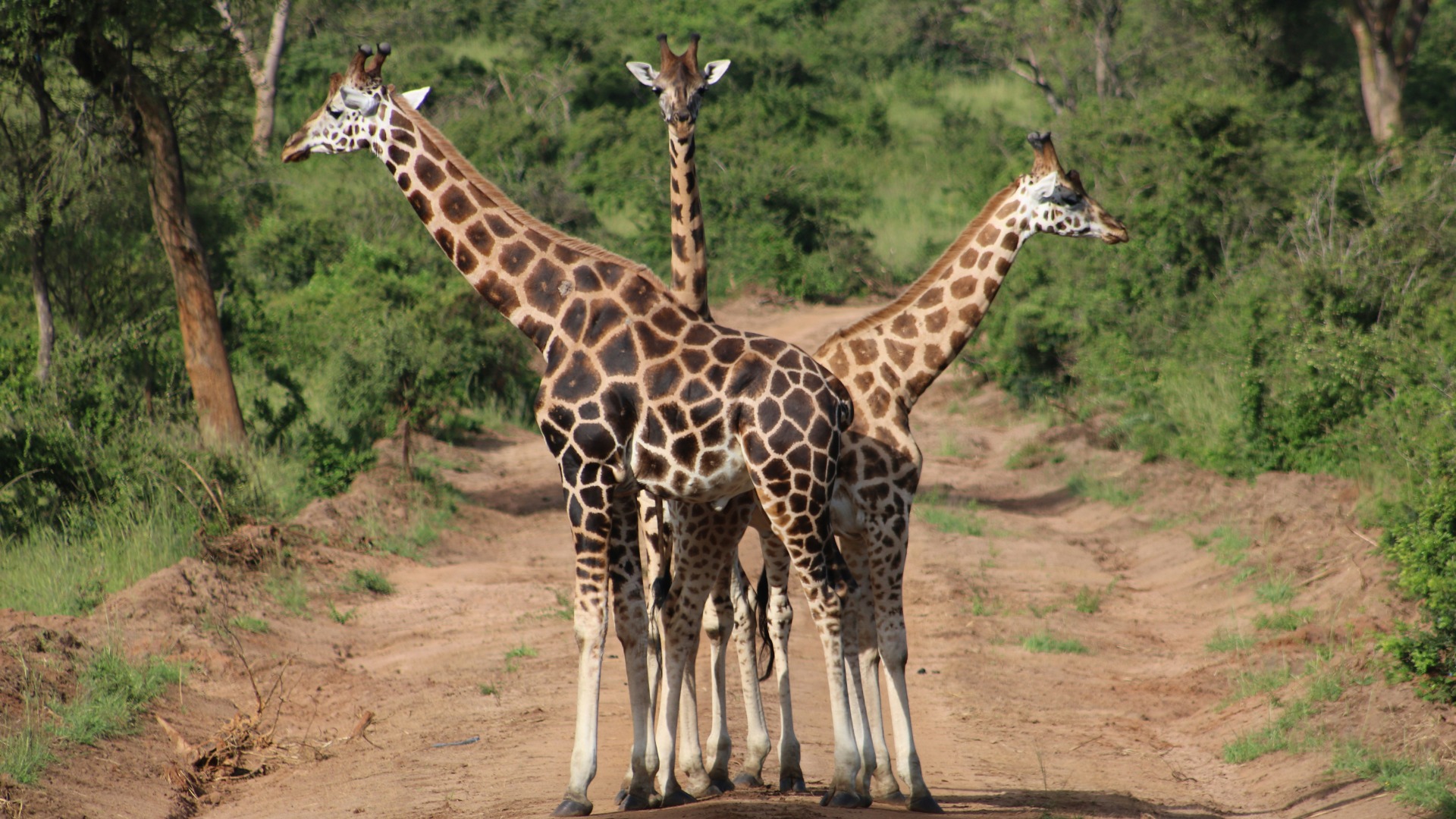
Ugandan wildlife reveals its most intimate secrets to those who slow their pace and attune themselves to the rhythms of the forest and savannah. A deliberate approach, one that respects the nuances of weather patterns, elevation changes, and cultural protocols, transforms standard game drives and forest treks into profound connections with chimpanzees, forest elephants, and the elusive leopards that patrol Uganda's diverse national parks. This measured style of travel consistently yields richer, more authentic encounters than any hurried checklist ever could.
At Encounters Africa, we have guided countless travellers through Uganda, witnessing how patience consistently rewards those who trade speed for observation. The country's remarkable biodiversity, from the misty highlands of the southwest to the expansive plains of the northeast, offers layered experiences that unfold gradually when one allows sufficient time to absorb them fully.
The Rewards of Deliberate Observation in Ugandan Wildlife Encounters
Uganda's landscapes shift dramatically within short distances, creating microhabitats that support an astonishing array of species. When travellers commit to slower exploration, they begin noticing details that faster itineraries simply bypass. The subtle movement of leaves that signals a troop of chimpanzees foraging overhead, or the barely perceptible shift in grass that reveals a leopard's concealed form, become accessible only through sustained, quiet presence.
Uganda rewards those who trade rushed itineraries for deliberate observation. Adjusting expectations around weather, altitude, and local customs leads to richer encounters with chimpanzees, elephants, and elusive leopards across varied national parks.
Our experience shows that the most memorable moments often occur during the golden hours when most groups have already returned to their lodges. The soft light of early morning or late afternoon reveals behaviours that midday heat keeps hidden. A family of elephants crossing a river at dusk, their silhouettes etched against the fading sky, creates an indelible memory precisely because the traveller has remained in position long enough to witness the complete sequence.
This philosophy extends beyond mere wildlife viewing. It encompasses understanding the interconnected systems that sustain these animals, from the fig trees that provide vital nutrition for primates to the termite mounds that serve as lookout posts for mongooses and birds alike. Such awareness deepens appreciation and naturally encourages more responsible travel practices.

Understanding Uganda's Diverse Ecosystems and Seasonal Patterns
Uganda straddles the equator yet offers everything from snow-capped peaks to tropical rainforests and open savannahs. This diversity means that tips and advice for touring through Uganda must account for dramatic variations in conditions across relatively short distances. The best time to visit depends entirely on which experiences matter most to each traveller.
The two dry seasons, typically December to February and June to September, generally provide optimal conditions for game viewing in parks such as Queen Elizabeth and Murchison Falls. However, the wet seasons bring their own magic, with lush vegetation and impressive waterfalls at their most powerful. December often proves particularly special in the southwest, offering clear skies for gorilla trekking while avoiding the peak crowds of January.
Altitude plays a crucial role in planning any Ugandan journey. The 2,000-metre elevation of Bwindi Impenetrable National Park creates significantly cooler temperatures than the lower-lying areas around Lake Victoria. Travellers who pack layers for temperature swings between 10°C at dawn and 28°C in the afternoon find themselves far more comfortable and able to focus on the wildlife rather than their own discomfort.
The forests of Uganda hold stories that only reveal themselves to those willing to wait, listen, and observe without expectation. In that space between anticipation and presence, genuine connection with Ugandan wildlife becomes possible.
Key National Parks and Their Signature Species
Each protected area in Uganda offers distinct opportunities for encountering its flagship species. Bwindi Lodge provides privileged access to the mountain gorillas that have made Uganda famous worldwide, with habituated groups allowing remarkably close yet respectful observation. The dense forest environment demands a different pace from open savannah driving, rewarding those who move thoughtfully through the undergrowth.
Kibale National Park stands out for its extraordinary primate diversity, supporting 13 species including chimpanzees that have been habituated for research and tourism. The forest walks here require patience as one scans the canopy for movement, often hearing the animals long before visual contact is made. This slower forest rhythm contrasts beautifully with the more traditional game drives found elsewhere in the country.
Queen Elizabeth National Park presents yet another face of Ugandan wildlife, with its famous tree-climbing lions, vast herds of buffalo, and the unique Kazinga Channel where hippos and crocodiles gather in impressive numbers. The park's varied habitats, from savannah to wetland, support over 600 bird species, making it a paradise for those who take time to appreciate the smaller wonders alongside the larger mammals.
Practical Tips and Advice for Touring Through Uganda
Successful journeys through Uganda require thoughtful preparation that goes beyond standard safari packing lists. The combination of tropical conditions, high altitudes, and remote locations creates specific demands that reward those who plan accordingly. Our decades of experience have refined a set of guidelines that consistently enhance travellers' experiences while ensuring their safety and comfort.
Malaria prophylaxis remains essential throughout most of the country, with consultation from a travel clinic at least six weeks before departure recommended. The risk varies by region and season, making professional medical advice invaluable. Similarly, yellow fever vaccination is required for entry, with proof of vaccination needed at immigration.
Physical fitness matters particularly for gorilla and chimpanzee trekking, where hikes can last several hours over challenging terrain. While operators provide porters to carry bags and offer assistance, a reasonable level of cardiovascular fitness allows travellers to fully enjoy these extraordinary encounters rather than simply enduring them. Training with hills and stairs in the months leading up to travel makes a noticeable difference.
What to Pack for Variable Conditions
The dramatic temperature variations across Ugandan destinations require a thoughtful approach to clothing. Lightweight, quick-drying layers serve best, with long sleeves and trousers providing protection against both sun and insects. Neutral colours blend more effectively with the environment, increasing the likelihood of closer wildlife encounters.
Quality binoculars represent perhaps the single most valuable piece of equipment for appreciating Ugandan wildlife. The dense vegetation in many areas means animals are often viewed at some distance, and good optics transform distant shapes into detailed observations of behaviour and interaction. A 10x42 specification offers an excellent balance between magnification and field of view.
Waterproof gear proves essential during the wet seasons, when afternoon downpours can be both sudden and intense. A lightweight rain jacket that packs small occupies minimal space yet provides significant comfort. Similarly, sturdy walking boots with good ankle support are necessary for forest treks, while comfortable closed shoes suffice for most lodge-based activities.
How to Maximise Your Chances of Meaningful Wildlife Encounters
The question travellers most frequently ask is: "How can I increase my chances of seeing specific animals in Uganda?" The answer lies in understanding both the animals' natural patterns and the practical realities of accessing their habitats. Time of day, weather conditions, and guide expertise all play crucial roles in determining the quality of sightings.
Chimpanzee tracking in Kibale or Budongo Forest typically begins at first light, when the animals are most active following their night nests. The experience requires patience as researchers and rangers locate the troop, sometimes taking several hours of careful navigation through thick undergrowth. Those who embrace this uncertainty often describe the moment of first contact as genuinely transformative.
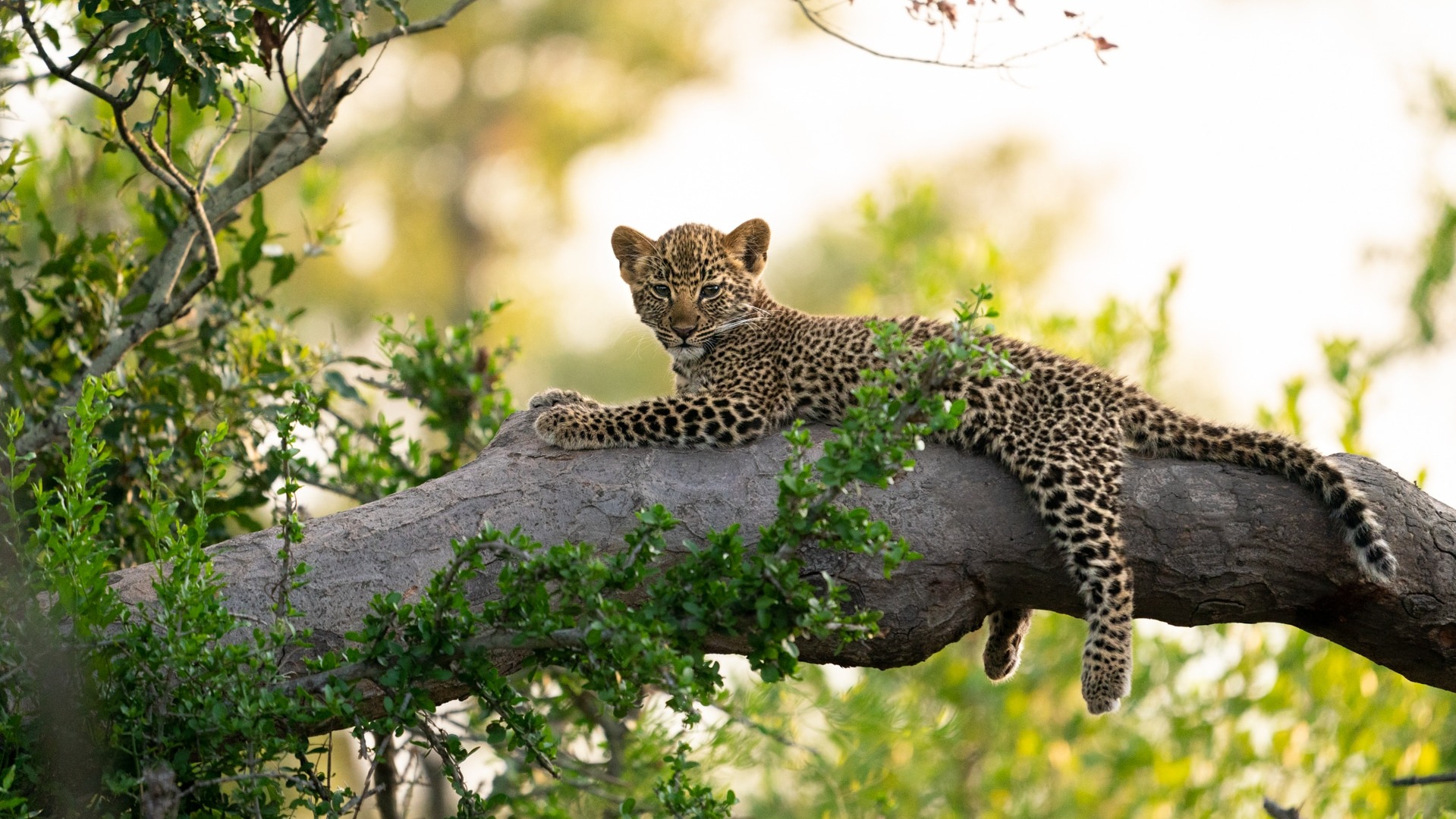
Leopards, always challenging to observe, become slightly more visible during the drier months when vegetation is less dense. Early morning and late afternoon drives along watercourses offer the best opportunities, particularly in parks with healthy populations such as Queen Elizabeth. The key lies in scanning not just the ground but also the lower branches of trees where these masters of camouflage often rest during daylight hours.

Patience in the Ugandan bush is not simply waiting, but rather an active state of awareness that allows the landscape to reveal its hidden inhabitants on their own terms.
The Role of Expert Guides in Deepening Understanding
Uganda's guides represent one of the country's greatest assets for wildlife enthusiasts. Many have grown up in communities adjacent to the national parks and possess generational knowledge that complements their formal training. Their ability to interpret subtle signs, from fresh tracks to distant calls, often determines whether a drive yields mere sightings or genuine insights into animal behaviour.
At lodges such as Gorilla Safari Lodge, the guiding team works closely with both researchers and community members to ensure that tourism benefits flow directly to conservation efforts. This integrated approach creates more meaningful experiences for travellers while supporting the long-term protection of critical habitats.
We always recommend allocating sufficient time with the same guide whenever possible. The relationship that develops over several days allows for more nuanced discussions about conservation challenges, local culture, and the complex realities of balancing human needs with wildlife protection in one of Africa's most densely populated nations.
Supporting Conservation and Local Communities Through Responsible Travel
Uganda's remarkable wildlife exists within a complex human landscape where national parks border some of the country's most populated rural areas. Responsible travellers recognise that their presence can contribute positively to both conservation and community development when approached thoughtfully. The country's conservation model relies heavily on tourism revenue to fund protection efforts and provide alternative livelihoods for local people.
Choosing operators who work directly with community-owned concessions ensures that a greater percentage of revenue reaches those living alongside wildlife. Many lodges support education programmes, healthcare initiatives, and agricultural projects that reduce pressure on protected areas. These partnerships represent some of the most effective conservation strategies currently operating across East Africa.
Simple choices during your journey can amplify positive impact. Supporting community craft initiatives, respecting local customs around photography and interaction, and maintaining the strict guidelines provided by national park authorities all contribute to sustainable tourism practices. The mountain gorilla population in Bwindi has more than doubled since tourism began in the 1990s, demonstrating how well-managed visitor access can directly support species recovery.
Health, Safety and Cultural Considerations for Ugandan Journeys
Beyond the practical aspects of clothing and equipment, successful travel in Uganda requires attention to health protocols and cultural sensitivity. The country's position on the equator means intense sunlight that demands high-factor sunscreen and protective clothing even on cloudy days. Hydration becomes particularly important at higher altitudes where the effects of dehydration can be more pronounced.
Cultural respect opens doors to richer experiences throughout Uganda. Learning basic greetings in local languages, asking permission before photographing people, and understanding the significance of certain customs demonstrates appreciation for the human communities that make wildlife conservation possible. Many travellers find that these human connections ultimately prove as memorable as their wildlife encounters.
Security considerations in Uganda have improved dramatically over recent decades, with national parks generally offering very safe environments for visitors. Following basic precautions, such as not walking alone after dark and adhering to lodge guidelines, ensures a worry-free experience focused entirely on discovery and connection with nature.
Embracing a Slower Pace for Deeper Connection
The most rewarding journeys through Uganda are those that prioritise quality over quantity of experiences. By allowing sufficient time in each location and approaching each activity with patience and curiosity, travellers consistently report more meaningful connections with both the wildlife and the remarkable people who protect it. This measured approach aligns perfectly with the philosophy that has guided Encounters Africa for many years.
Whether observing a silverback gorilla's gentle interaction with his offspring or watching elephants gather at a waterhole as the sun sets, these moments gain depth when experienced without the pressure of tight schedules. The country's extraordinary biodiversity rewards those who come prepared to observe rather than simply collect sightings.
For discerning travellers seeking a private safari beyond our set itineraries, we invite you to contact us directly. We specialise in designing exceptional, tailor-made journeys for individuals, couples, families, and private groups of up to eight guests. Drawing on our handpicked network of distinguished camps and lodges, we curate every detail with precision and care, creating a seamless, deeply personal safari experience shaped entirely around your preferences, pace, and budget.
Discover more about planning your African journey through our guide to Uganda safari experiences, or explore how Rwanda complements a Ugandan itinerary with its own mountain gorilla encounters. For those particularly interested in primate conservation, our article on Kibale's remarkable primate populations offers additional insights that might shape your Ugandan wildlife adventure.
More like this
Tips & Advice
Why Botswana's Cultural Ethics Demand More Than Surface Politeness
Tips & Advice
Why Elephants Anchor Rituals in West African Communities
Tips & Advice
Why Every Traveler's Footprint Matters More in Tanzania Than You Realize
Tips & Advice
Why First-Time Visitors Often Misjudge the Pace of Life Inside African Safari Camps
Tips & Advice
Why Kenya Demands More Than a Camera and Good Intentions
Tips & Advice