
Tips & Advice
Why Botswana's Cultural Ethics Demand More Than Surface Politeness
Encounters Africa - 10 min read
Updated on 21 July 2026
Botswana culture tips and advice reveal that true respect goes far beyond basic courtesy when visiting this landlocked southern African nation. The country’s social fabric is woven from deep-rooted values of humility, consensus and community harmony that have shaped daily life for centuries. Understanding these cultural ethics ensures travellers engage meaningfully rather than simply observing from a distance.
At its heart, Botswana’s approach to human interaction prizes botho – a Setswana concept roughly translated as respect, dignity and compassion for others. This principle underpins everything from village meetings to encounters with San communities in the Kalahari. For those planning a journey with Botswana, grasping these nuances transforms a standard safari into something far richer.
In Botswana, silence often speaks louder than words, and listening carefully may be the most respectful act a visitor can offer.
The Foundations of Respect in Botswana Society
Botswana’s cultural ethics are built upon a profound belief in collective wellbeing over individual expression. This manifests in daily interactions where maintaining harmony takes precedence. Travellers who arrive expecting Western-style directness may find themselves unintentionally causing discomfort.
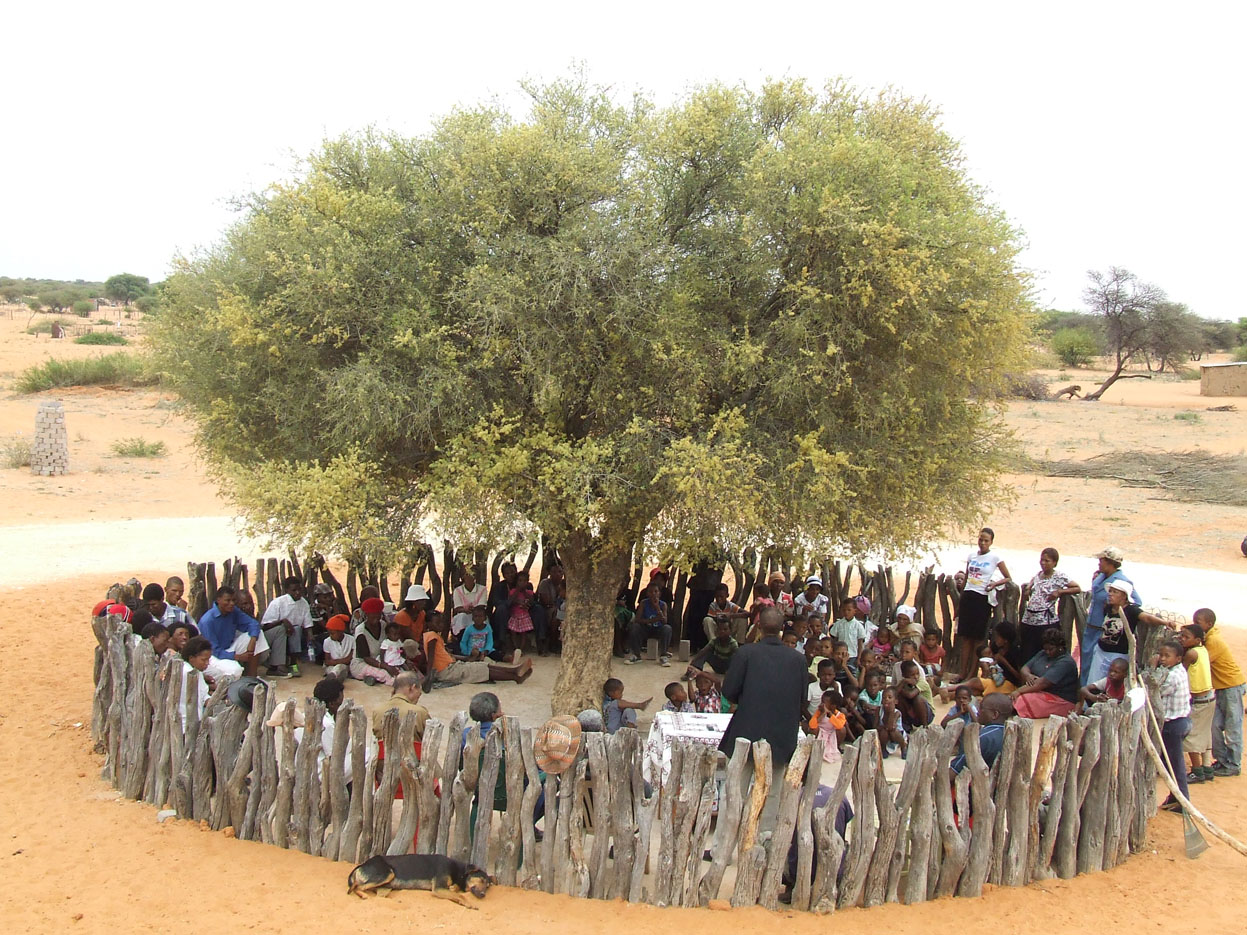
The concept of kgotla perfectly illustrates this philosophy. These traditional community assemblies, held under ancient trees or in specially designated spaces, serve as forums where every voice can be heard. Decisions are reached through patient discussion rather than majority vote, reflecting a cultural preference for consensus that dates back generations.
When visiting rural areas, particularly in regions like the Okavango Delta or Central Tuli Block, recognising the importance of elders becomes essential. Age carries significant authority, and younger community members defer accordingly. A simple acknowledgement of this hierarchy through patient observation demonstrates cultural awareness.
Understanding Botho in Practice
Botho extends beyond mere politeness to encompass genuine consideration for others’ feelings and dignity. In practical terms, this means avoiding public confrontation, speaking calmly and never raising one’s voice. Botswana culture tips and advice consistently highlight that emotional restraint earns far more respect than passionate displays.
Material possessions hold less importance than one’s conduct and relationships. Flashy displays of wealth can create awkwardness, particularly in rural settings where community members may have modest means. Travellers who adopt a humble approach often find themselves welcomed more warmly into local homes and conversations.
The quiet strength of Botswana’s cultural ethics lies not in what is said, but in the space left for others to speak their truth.
Navigating Kgotla Meetings with Cultural Sensitivity
Participating in or observing a kgotla requires careful attention to protocol that has evolved over hundreds of years. These gatherings represent the cornerstone of Botswana’s democratic traditions, with roots stretching back to pre-colonial times. Today they continue to function as vital decision-making spaces in many villages.
Visitors should never speak unless explicitly invited by the kgosi (traditional leader) or designated facilitator. This rule applies regardless of how pressing one’s question might seem. The expectation of patient listening reflects a deeper cultural value placed on thoughtful contribution rather than immediate response.
Dress modestly when attending these meetings. Men should wear long trousers and collared shirts, while women opt for skirts below the knee and covered shoulders. These guidelines apply particularly when visiting more traditional communities around Maun or in the Khwai Community Area.
Body Language and Seating Arrangements
Seating follows a clear hierarchy that visitors should observe rather than question. Elders and leaders typically occupy the most prominent positions, often on chairs while others sit on the ground. Following the lead of local participants prevents unintentional offence.
Maintain open but non-confrontational body language. Crossed arms might be interpreted as defensive or disinterested, while direct eye contact with elders can sometimes be seen as challenging authority. These subtle cues matter deeply in a society where non-verbal communication carries significant weight.
Engaging Respectfully with San Communities
The San people, often referred to as Bushmen, represent some of Botswana’s earliest inhabitants with a history spanning over 20,000 years. Their cultural practices offer profound lessons in sustainable living and deep environmental knowledge. However, engaging with San communities requires particular sensitivity to avoid reinforcing harmful stereotypes.
Always arrange visits through established community tourism initiatives rather than arriving unannounced. Many San groups around the Central Kalahari have developed structured experiences that allow them to control how their culture is shared. These programmes typically include demonstrations of traditional tracking skills, storytelling and craft-making.
Photography requires explicit permission, ideally obtained through your guide or host before any cameras appear. The San have experienced decades of being objectified by outsiders, making consent an essential aspect of ethical engagement. When permission is granted, focus on capturing the activity rather than staging portraits.
Learning from Traditional Knowledge
The San’s intimate understanding of the Kalahari environment offers valuable insights for modern conservation. Their tracking abilities can identify individual animals from subtle spoor marks, knowledge that has informed wildlife monitoring programmes across the region. Travellers who approach these interactions with genuine curiosity rather than expectation of entertainment develop more meaningful connections.
Recognise that not all San communities maintain traditional hunter-gatherer lifestyles. Many have adapted to contemporary realities while preserving important elements of their cultural heritage. Asking respectful questions about current community life demonstrates awareness of this complexity.

True cultural exchange happens when visitors arrive ready to learn rather than simply to witness, creating space for authentic connection to flourish.
Practical Botswana Culture Tips and Advice for Everyday Encounters
Everyday interactions in Botswana offer numerous opportunities to demonstrate cultural awareness. Greeting protocols vary between urban centres like Gaborone and more traditional villages, yet certain principles remain consistent throughout the country. Taking time to learn basic Setswana phrases signals respect and often unlocks warmer receptions.
The standard greeting involves asking about someone’s health and family before moving to other topics. Rushing straight to business can seem abrupt and self-centred. This conversational approach reflects the cultural priority placed on relationships over efficiency.
When receiving gifts or hospitality, express gratitude through both words and actions. In many communities, particularly in the north, a small reciprocal gesture is expected. This might involve sharing tea, offering a simple craft item or simply spending time in conversation.
Dress, Photography and Personal Space
Conservative dress remains important when visiting villages or attending ceremonies. Shoulders and knees should generally remain covered, particularly for women. This guideline applies even during warmer months when temperatures regularly exceed 35°C.
Photography etiquette extends beyond San communities to all aspects of Botswana life. Always ask before taking someone’s photograph, and respect refusals without pressing for explanations. Many people feel uncomfortable being photographed, particularly during daily activities or religious observances.
Personal space expectations differ from Western norms. Standing slightly further apart during conversations is common, and physical contact between unrelated men and women is minimal. Observing these boundaries prevents unintentional discomfort.
Common Cultural Missteps and How to Avoid Them
Many travellers unintentionally cause offence through seemingly minor actions that carry significant cultural weight. Pointing with fingers, particularly at people or sacred objects, is considered rude throughout Botswana. Using an open hand with palm facing upward offers a more respectful alternative.
Discussing sensitive topics such as local politics or certain cultural beliefs requires great care. While Botswana maintains a proud democratic tradition since independence in 1966, visitors should avoid offering opinions unless specifically asked. This restraint demonstrates the humility valued in local culture.
Removing shoes before entering traditional homes or certain buildings shows respect for the space and its occupants. This practice is particularly important in rural areas where floors may be constructed from natural materials that require protection from outside dirt.
Understanding Gender Dynamics and Age Respect
Gender roles in traditional Botswana society remain clearly defined in many communities. Men and women often occupy different spaces during social gatherings, particularly in more conservative villages. Observing these patterns without comment prevents awkward situations.
Age-based respect forms another cornerstone of cultural ethics. Younger people typically address elders using specific honorific terms in Setswana. While visitors aren’t expected to master these linguistic nuances, demonstrating deference through attentive listening and patient waiting earns appreciation.
Preparing for Cultural Experiences in Botswana
Thoughtful preparation enhances cultural encounters and demonstrates respect for local customs. Learning basic Setswana phrases before departure creates immediate goodwill. Simple greetings like “Dumela” (hello) and “Ke a leboga” (thank you) are easily mastered and greatly appreciated.
Researching the specific communities you plan to visit allows for more informed interactions. Different regions maintain distinct traditions, from the river-based lifestyles around the Chobe River Front to the pastoral communities of the eastern districts. Understanding these variations prevents assumptions based on limited experiences.
Working with specialist operators who maintain strong community relationships ensures more authentic and ethical experiences. Encounters Africa’s cultural journeys are designed in partnership with local communities, ensuring that benefits flow directly to participating families and that cultural protocols are carefully observed.
Cultural understanding cannot be rushed or manufactured. It grows gradually through patient observation, genuine curiosity and willingness to adapt one’s own expectations.
Why These Cultural Ethics Matter for Modern Travellers
In an era of increasingly rapid travel, Botswana’s measured approach to human connection offers valuable perspective. The country’s cultural ethics remind us that meaningful engagement requires time, patience and genuine interest in others’ perspectives. This philosophy aligns closely with the deeper, more considered style of travel that discerning visitors increasingly seek.
Understanding these principles also supports sustainable tourism development. Communities that feel respected and valued are more likely to welcome visitors and share their knowledge generously. This creates positive cycles where cultural preservation and economic opportunity reinforce each other.
For those planning more immersive experiences, consider combining cultural elements with traditional wildlife viewing. Properties like Dinaka in the Dinaka Private Reserve offer opportunities to engage with local communities whilst enjoying exceptional game viewing in the Okavango region.
Conclusion
Botswana culture tips and advice ultimately point toward a more thoughtful, less transactional way of travelling. By approaching each interaction with humility and genuine curiosity, visitors honour the profound cultural ethics that continue to shape this remarkable nation. These small but significant gestures create space for authentic connection and mutual understanding.
The rewards of such mindful travel extend far beyond surface-level experiences. They open doors to deeper conversations, unexpected friendships and lasting memories that capture the true essence of Botswana. This measured, respectful approach aligns perfectly with the philosophy that has guided the country since independence.
For discerning travellers seeking a private safari beyond our set itineraries, we invite you to contact us directly. We specialise in designing exceptional, tailor-made journeys for individuals, couples, families, and private groups of up to eight guests. Drawing on our handpicked network of distinguished camps and lodges, we curate every detail with precision and care, creating a seamless, deeply personal safari experience shaped entirely around your preferences, pace, and budget.
Whether you wish to explore cultural traditions around the Moremi Game Reserve, engage with San communities in the Kalahari or simply travel with greater cultural awareness, reach out to Encounters Africa to begin planning your journey. Our team brings decades of on-the-ground experience and strong community relationships that ensure your visit respects and supports the cultural fabric of this special place.
More like this

Tips & Advice
Why Elephants Anchor Rituals in West African Communities

Tips & Advice
Why Every Traveler's Footprint Matters More in Tanzania Than You Realize

Tips & Advice
Why First-Time Visitors Often Misjudge the Pace of Life Inside African Safari Camps

Tips & Advice
Why Kenya Demands More Than a Camera and Good Intentions

Tips & Advice
Why Tanzania Rewards Careful Preparation Over Spontaneity

Tips & Advice