News
What Scientists Discovered About Chimpanzee Behavior During Recent Kibale Surveys
Encounters Africa - 9 min read
Updated on 24 June 2026
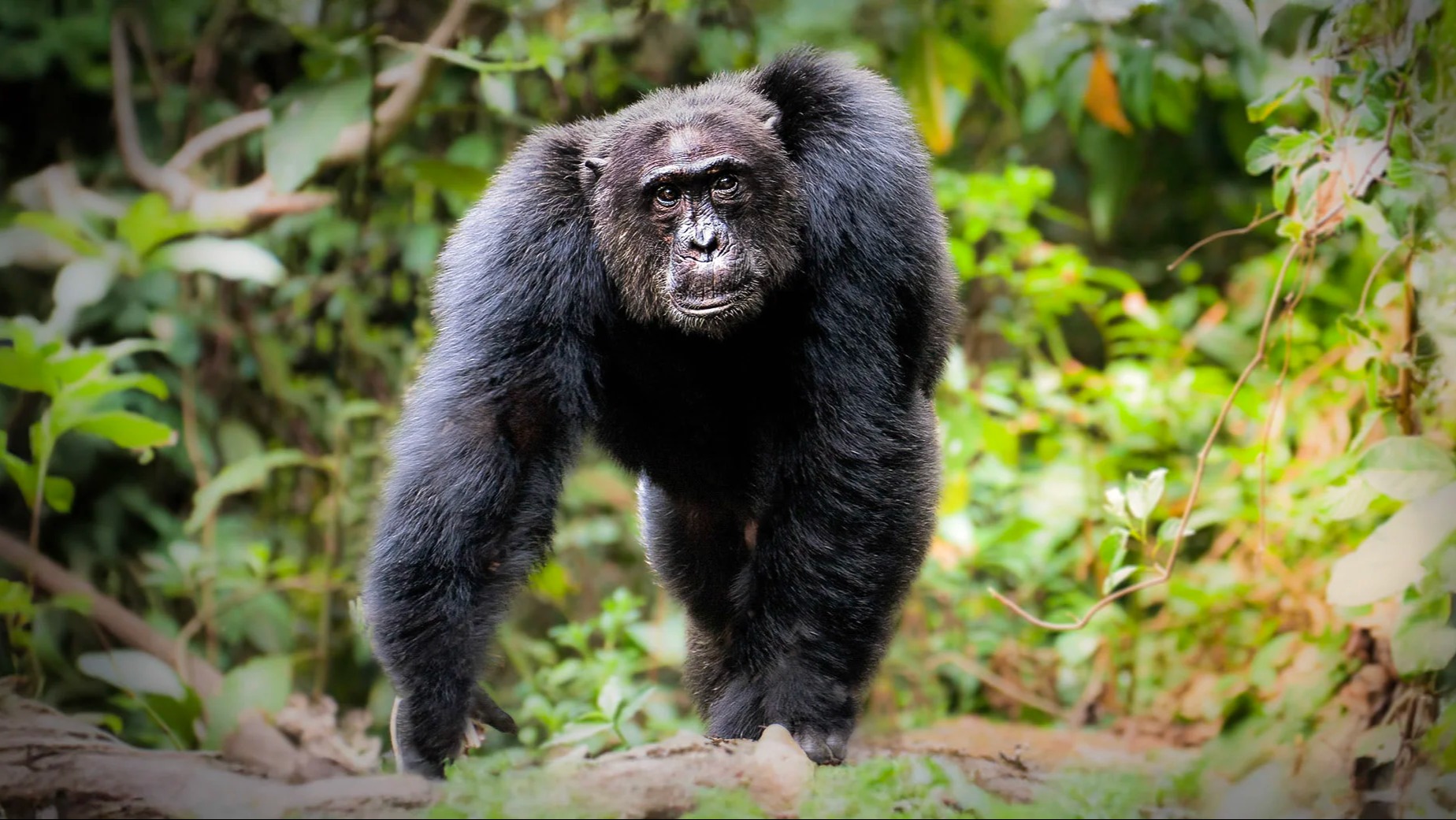
Recent kibale national park news has captured the attention of primatologists worldwide after a major survey uncovered unexpected variations in how chimpanzees craft and use tools. The findings, gathered over eighteen months of intensive fieldwork, suggest these intelligent primates adapt their techniques more fluidly than previously recorded in long-term studies. This update forms part of broader news on national parks that continues to reshape how we understand primate cognition and the measures needed to safeguard their habitats in Uganda.
Conducted by an international team working alongside Ugandan researchers, the surveys focused on three distinct chimpanzee communities within the 795-square-kilometre reserve. Data collected between January 2023 and June 2024 revealed that tool-use patterns shift noticeably according to seasonal fruit availability and group dynamics. Such insights not only deepen our knowledge of chimpanzee behaviour but also inform more nuanced conservation approaches across protected forests.
Observing these chimpanzees select different materials for termite fishing depending on social context reminds us that culture among non-human primates is far more dynamic than we once believed.
The Survey Methodology and Groundbreaking Observations
Field teams employed a combination of direct follows, camera traps, and non-invasive genetic sampling to monitor over 140 individuals. They recorded more than 2,300 tool-use events, cataloguing everything from modified sticks for extracting honey to leaf sponges used to collect water. What surprised the scientists most was the degree to which younger chimpanzees innovated new techniques when traditional methods proved inefficient during periods of scarcity.
One community in the north-western sector demonstrated a previously undocumented behaviour: combining stone hammers with wooden anvils to crack open certain hard-shelled fruits only available for three weeks each year. This level of planning and material selection had not been systematically recorded in Kibale before, although similar actions appear sporadically in other East African sites. The discovery adds fresh layers to our understanding of cumulative cultural evolution in great apes.
Importantly, the researchers noted that these innovations spread rapidly through observation rather than direct teaching. Within four months, 68 percent of the community’s juveniles had adopted the combined hammer-and-anvil approach. Such rapid transmission highlights the sophisticated social learning mechanisms at work and raises fresh questions about how environmental pressures drive behavioural flexibility.
Comparing Tool Use Across Communities
The study deliberately contrasted three neighbouring groups separated by natural ridges and river valleys. While all communities fished for termites, the preferred probe length and modification style differed by as much as 40 percent. One group consistently stripped bark in a clockwise spiral, whereas another favoured a simpler stripping technique that required less time but produced a less effective tool.
These micro-cultural differences persisted even when the same raw materials were available, suggesting that tradition, rather than pure necessity, plays a significant role. The findings echo earlier work conducted at nearby sites but add statistical weight that had been missing from smaller sample sizes in past decades.
What we are witnessing is not simply tool use, but the quiet inheritance of knowledge that may have been refining itself for hundreds of generations within these ancient forests.
How These Discoveries Influence Conservation Strategy
The new data on chimpanzee behaviour is already being integrated into park management plans. Uganda Wildlife Authority rangers have adjusted patrol routes to better protect zones where rare tool-use behaviours occur most frequently. By understanding which forest patches support specific cultural practices, managers can prioritise habitat restoration in those areas during the next five-year cycle.
Furthermore, the research team documented increased human–chimpanzee interactions near the park’s western boundary where small-scale agriculture has expanded. The chimpanzees’ willingness to experiment with novel materials appears linked to occasional crop-raiding episodes. This correlation has prompted local authorities to trial additional buffer-zone planting of indigenous fruit trees, aiming to reduce conflict while supporting both primate and human communities.
These practical applications demonstrate how pure behavioural research translates into tangible protection measures. Similar approaches have proven successful in other primate strongholds, and the Kibale findings reinforce the value of long-term, community-embedded science.
Linking Research with Local Livelihoods
More than 60,000 people live within 5 kilometres of the park boundary. The latest surveys included a socio-economic component that revealed households near active research sites earned 27 percent more from ecotourism-related activities than those further away. This economic incentive strengthens local support for conservation and helps curb illegal activities such as charcoal production.
School programmes developed alongside the research now reach over 3,000 children annually. Using simple demonstrations of chimpanzee tool use captured on video, educators illustrate concepts of ingenuity and environmental stewardship. Early feedback suggests these sessions are shifting attitudes among the next generation of park neighbours.
What the Data Reveals About Climate Resilience
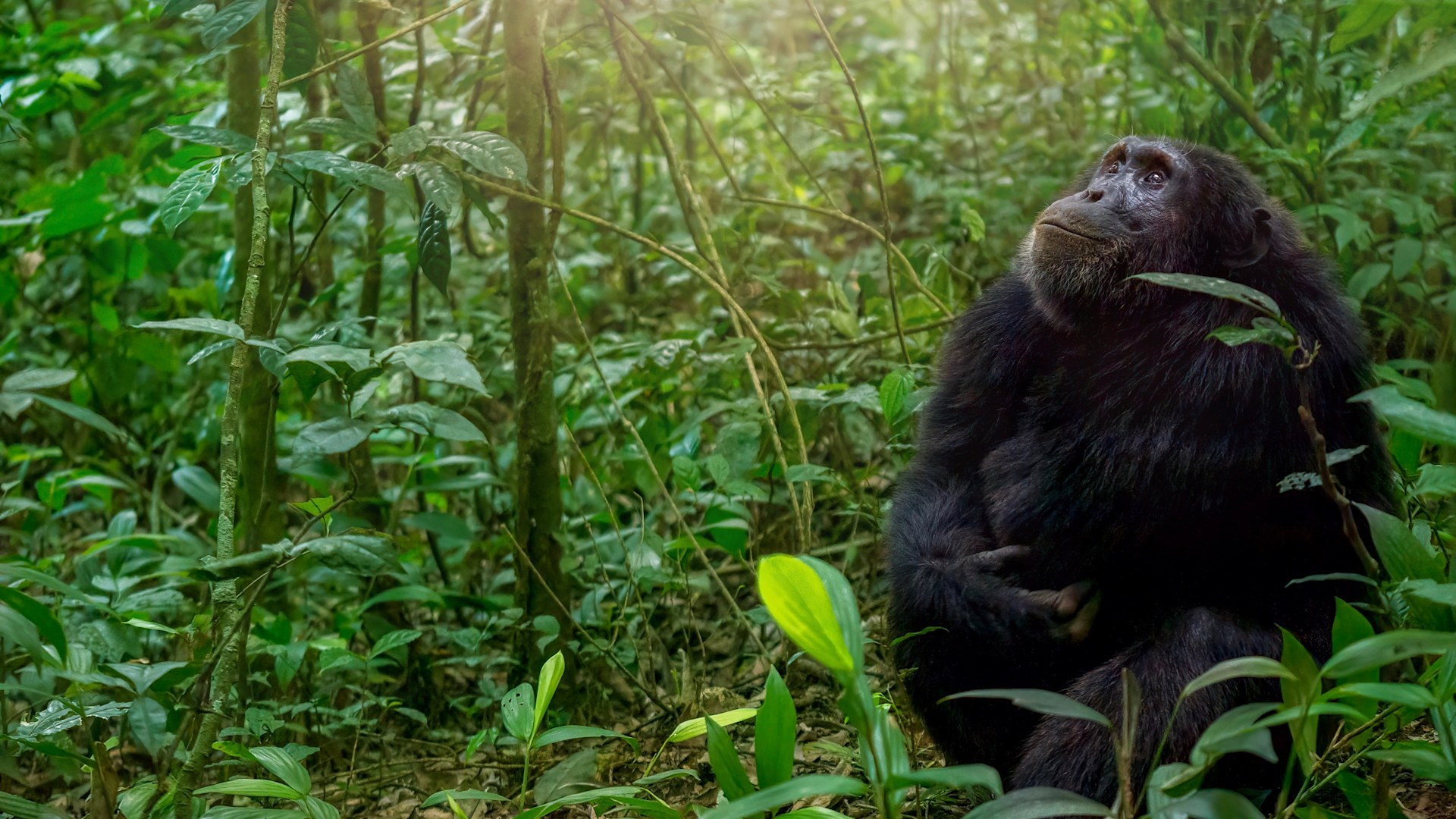
One of the most pressing aspects of this kibale national park news concerns how chimpanzees respond to changing rainfall patterns. Over the past decade, the region has experienced more erratic wet and dry seasons. The surveys recorded that during the unusually prolonged dry spell of 2023, chimpanzees increased their use of water-collection tools by 180 percent compared with baseline figures from 2015.
By documenting these behavioural adjustments, scientists can predict which groups may face greater challenges as climate models forecast further drying in the Albertine Rift region. This predictive capacity allows park managers to prepare targeted interventions, such as creating artificial water sources in zones where natural springs are diminishing.
The research also identified certain “keystone” trees whose fruiting cycles appear particularly vulnerable to temperature shifts. Protecting these specific species has now become a priority in reforestation efforts, ensuring the nutritional foundation for both chimpanzees and the wider primate community remains intact.
These chimpanzees are showing us, in real time, how flexible intelligence may prove their greatest asset as forests face unprecedented environmental stress.
Implications for Uganda’s Wider Protected Area Network
While the spotlight remains on Kibale, the behavioural insights are being shared with teams working in Uganda’s other important primate habitats. Rangers in Bwindi Impenetrable National Park have begun recording similar tool-use variations among their mountain gorilla groups, albeit at lower frequency. Cross-site learning is accelerating as technology allows faster data sharing between protected areas.
The Ugandan government has committed additional funding—approximately US$2.4 million over the next three years—to expand behavioural monitoring across seven national parks. This investment reflects growing recognition that understanding animal culture is as vital as counting population numbers when designing effective protection strategies.
International partners, including several European universities and primate research institutes, continue to support these efforts through training programmes for Ugandan scientists. Currently, 14 local graduates are pursuing advanced degrees based on data collected during the recent Kibale surveys, ensuring that future discoveries remain rooted in national expertise.
Technological Advances Supporting the Research
High-resolution camera traps triggered by artificial intelligence now distinguish between individual chimpanzees with 94 percent accuracy. This technology has dramatically reduced the need for constant human presence, allowing researchers to gather data from more remote sectors of the park without disturbing natural behaviours.
Drones equipped with thermal imaging have also helped map canopy connectivity, revealing hidden corridors that chimpanzees use when moving between core areas. These aerial surveys, conducted quarterly, provide park managers with up-to-date information on forest integrity that ground teams alone could never achieve across such vast terrain.
Visitor Experiences Shaped by New Scientific Understanding
For those fortunate enough to witness chimpanzees in their natural environment, the latest research adds depth to every sighting. Knowledgeable guides now explain the cultural significance of observed behaviours, transforming a simple viewing into an educational encounter that travellers remember for years.
Lodges bordering the park, such as Crater Safari Lodge, have incorporated elements of the new findings into their interpretive programmes. Guests can participate in optional data-collection workshops where they help classify tool-use footage under expert supervision, creating a genuine citizen-science experience.
These initiatives not only enrich the traveller’s journey but also generate additional revenue that flows directly back into monitoring and community projects. The model demonstrates how high-value, low-impact tourism can support cutting-edge conservation science.
Those planning to visit should consider the dry seasons from December to February and June to August, when chimpanzee sightings are most reliable and forest trails are easier to navigate. However, the behavioural flexibility documented in recent surveys suggests that interesting observations can be made throughout the year if one travels with patience and an attentive guide.

Future Research Directions and Unanswered Questions
While the recent surveys have answered many questions, they have also raised new ones. Scientists are particularly interested in whether tool-use innovations persist across generations or fade when environmental conditions change. Long-term monitoring over the next decade will be essential to understand the stability of these cultural traits.
Another priority involves investigating how disease transmission risks change when chimpanzees modify their ranging patterns in response to food scarcity. With growing human populations around the park, understanding these dynamics is crucial for protecting both primate and human health.
The research consortium has secured funding to continue annual surveys until at least 2030. This sustained commitment ensures that Kibale remains one of Africa’s most important living laboratories for primate behavioural science.
Why Ongoing Research Matters for African Conservation
The discoveries emerging from these Kibale surveys remind us that even well-studied species continue to surprise us when we observe them with fresh perspectives and better tools. Each new behavioural nuance documented strengthens the scientific foundation upon which effective protection strategies are built.
For discerning travellers seeking a private safari beyond our set itineraries, we invite you to contact us directly. We specialise in designing exceptional, tailor-made journeys for individuals, couples, families, and private groups of up to eight guests. Drawing on our handpicked network of distinguished camps and lodges, we curate every detail with precision and care, creating a seamless, deeply personal safari experience shaped entirely around your preferences, pace, and budget.
By choosing to travel with Encounters Africa, you become part of the story—supporting the very research and community initiatives that help secure the future of these remarkable chimpanzees and the forests they call home. Whether witnessing a young ape master a new tool or simply absorbing the profound silence of the forest at dawn, your journey contributes meaningfully to the landscapes and wildlife you come to cherish.
We would be delighted to discuss how a visit to Kibale National Park, perhaps combined with gorilla tracking in Bwindi or a classic savannah experience in the Masai Mara National Reserve, could create the African adventure you have always imagined. Please visit our enquiry form to begin planning your private safari with Encounters Africa.
More like this
news
Why Digital Professionals Are Trading City Salaries for Kenyan Savannas
news
Why New African Carriers Are Driving Down Regional Airfares

news
Why Safari Seasons Are Shifting Across East and Southern Africa

News
Why Zambia’s Conservation Partnerships Are Changing the Fate of Its Iconic Species
News
Zambia Strengthens Anti-Poaching Measures to Safeguard Rhinos and Elephants

news