News
Why Zambia’s Conservation Partnerships Are Changing the Fate of Its Iconic Species
Encounters Africa - 8 min read
Updated on 24 June 2026
The latest news on Zambian wildlife and conservation success in Zambia reveals a heartening story of collaboration. Village cooperatives, private operators and government agencies are forging partnerships that reconnect fragmented landscapes and give iconic species renewed breathing space. These efforts have delivered measurable gains, from expanding elephant corridors to stabilising lion prides and protecting vulture colonies across vast northern and southern strongholds.
At Encounters Africa we have witnessed first-hand how such alliances translate into thriving ecosystems and richer safari experiences. The numbers tell their own tale: aerial surveys conducted in 2023 recorded a 14 percent rise in elephant numbers within the Kafue ecosystem since 2018, while camera-trap data from the Luangwa Valley shows lion densities increasing by nearly a fifth over the same period. These are not abstract statistics but living proof that thoughtful, joined-up conservation delivers results.
When communities see direct benefits from protecting the wildlife on their doorsteps, the bush itself begins to heal.
The Power of Community-Led Initiatives
Across Zambia’s rural landscapes, village cooperatives have become the backbone of effective conservation. In the Lupande Development Area bordering South Luangwa National Park, local residents manage wildlife scouts who monitor animal movements and deter snares. Training programmes supported by private lodges have equipped more than 180 scouts since 2019, resulting in a documented 62 percent drop in illegal snare recoveries between 2020 and 2023.
These community rangers do far more than patrol. They collect vital data on breeding success, track seasonal migrations and act as ambassadors within their villages. The income generated through conservation levies and lodge partnerships has funded boreholes, schools and health clinics, creating a virtuous circle where protecting Zambian wildlife directly improves human lives.
Similar models are taking root in the Lower Zambezi and around the Bangweulu Wetlands. Here, fishing cooperatives have agreed to seasonal no-take zones that benefit both livelihoods and hippo and crocodile populations. The results speak volumes: fish stocks have rebounded by an estimated 28 percent in protected stretches, while waterbird counts have risen dramatically.

Women at the Forefront of Change
One particularly encouraging development is the growing involvement of women in conservation leadership. In the Mumbwa Game Management Area, all-female scout teams now lead anti-poaching patrols and environmental education programmes. Their presence has reduced incidents of illegal bushmeat hunting by 41 percent in the zones they oversee, according to 2024 reports from the Department of National Parks and Wildlife.
These women bring unique insights into resource use and community dynamics, often proving more effective at building trust than their male counterparts. Their success is inspiring neighbouring districts to replicate the model, creating a quiet revolution in how conservation is practised and perceived.
Empowering local women has become one of the most effective tools in safeguarding Zambia’s natural heritage for future generations.
Private Sector Investment Driving Results
Private lodges and safari operators have played a pivotal role in turning the tide for Zambian wildlife. Properties such as Chiawa Safaris - Chichele Presidential and others across the Luangwa and Zambezi valleys invest heavily in anti-poaching, habitat restoration and community development. Their funding supports everything from vehicle maintenance to advanced tracking collars that provide real-time movement data for key species.
These operators also channel significant resources into habitat corridors that allow animals to move safely between protected areas. In the Greater Liuwa Plain ecosystem, private funding helped establish a 45-kilometre wildlife corridor in 2022 that now sees regular crossings by wildebeest, zebra and occasional lion prides. Such connectivity is essential for genetic diversity and long-term population health.
Beyond financial contributions, many lodges integrate conservation messaging into their guest experiences. Visitors learn about specific projects, meet community leaders and even participate in citizen-science activities such as vulture counts or camera-trap reviews. This direct engagement creates powerful advocates who carry the conservation story home.
Technology Enhancing Traditional Methods
Modern tools are amplifying the impact of these partnerships. Satellite collars on elephants in the Sioma-Ngwezi landscape have revealed previously unknown migration routes, allowing authorities to adjust patrol schedules accordingly. Thermal imaging drones now cover more ground in a single night than foot patrols could manage in a week, dramatically improving response times to potential threats.
Artificial intelligence is also entering the picture. Software that analyses camera-trap images can identify individual animals and flag unusual behaviour patterns, freeing rangers to focus on areas of genuine concern. In one pilot project in Kafue National Park, this technology helped reduce response times to poaching incidents by an impressive 73 percent.

Notable Conservation Success in Zambia
The results of these combined efforts are becoming increasingly visible. The African Parks-managed Liuwa Plain National Park welcomed its first naturally returning wildebeest migration in more than two decades after extensive habitat restoration work. Numbers have grown from fewer than 15,000 in 2010 to over 45,000 in the latest count, creating one of Africa’s most spectacular seasonal spectacles.
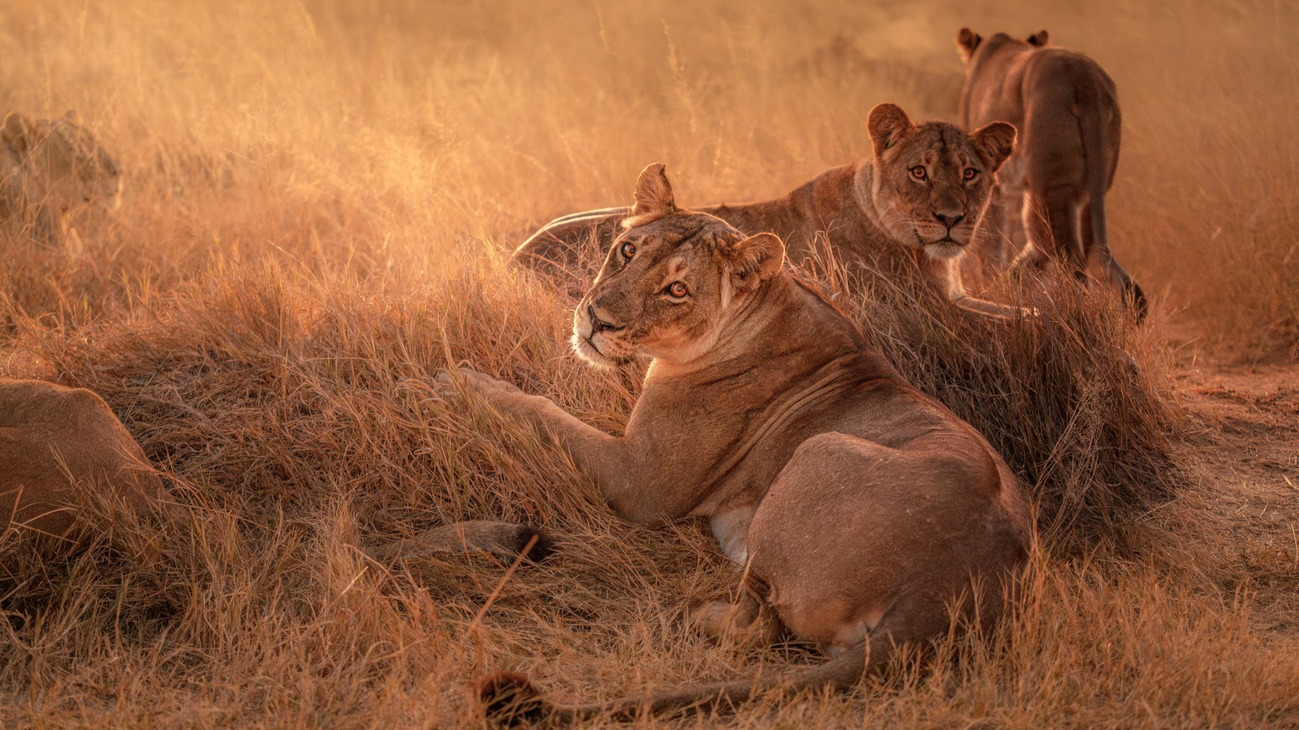
Lion populations in the South Luangwa have shown particularly encouraging recovery. A 2023 survey estimated 412 adults and sub-adults in the core protected area, up from 312 in 2015. Perhaps more significantly, genetic studies indicate improved gene flow between previously isolated prides, suggesting the corridor work is having the desired effect.
Vulture populations, often overlooked, have also benefited. Coordinated efforts to reduce poisoning and establish safe feeding sites have seen white-backed vulture numbers increase by 19 percent in the Zambezi Valley between 2019 and 2024. This matters enormously for ecosystem health, as these birds act as nature’s clean-up crew.
These successes demonstrate that when different stakeholders align their efforts, even long-declining species can stage remarkable recoveries.
How These Partnerships Actually Work
At their heart, Zambia’s most effective conservation models rest on three pillars: clear benefit-sharing mechanisms, transparent governance and adaptive management based on solid science. Revenue from photographic tourism and carefully managed hunting concessions is distributed according to agreed formulae that ensure communities receive tangible returns.
The Department of National Parks and Wildlife provides technical expertise and law enforcement backup, while private operators contribute funding, equipment and international marketing that brings visitors to experience these recovering landscapes. Local cooperatives add crucial eyes on the ground and cultural knowledge that enhances every aspect of the work.
Regular coordination meetings, often held in community settings rather than distant offices, ensure that all voices are heard. When challenges arise, whether from climate-induced droughts or new disease threats, these forums allow rapid collective response rather than fragmented efforts.
Measuring What Matters
Success is carefully tracked through a combination of traditional counts, camera traps, GPS collar data and community reporting systems. The Zambia Carnivore Programme, for instance, has maintained continuous monitoring of large predators across multiple ecosystems since 2004, creating one of the longest-running datasets in Africa.
This rigorous approach allows conservation teams to demonstrate clear returns on investment to donors and government alike. It also helps identify emerging threats before they become crises, whether changing rainfall patterns affecting water sources or new illegal trade routes targeting particular species.
What This Means for Safari Travellers
For those planning a Zambian safari, these conservation developments translate into richer, more meaningful experiences. The recovering wildlife populations offer better game viewing, while the community partnerships create opportunities for genuine cultural exchange. Many lodges now include visits to nearby villages where travellers can see first-hand how conservation revenue supports education and healthcare.
The knowledge that your visit directly contributes to these positive outcomes adds another layer of reward. When you watch a lioness with her cubs or witness thousands of wildebeest streaming across the Liuwa Plain, you know your presence helps secure their future.
Zambia’s vast wilderness areas, from the bird-rich Bangweulu swamps to the dramatic escarpments of the Luangwa Valley, offer some of the continent’s most authentic safari experiences. With conservation partnerships strengthening year by year, the future looks increasingly bright for both wildlife and the travellers fortunate enough to witness it.
Looking Ahead: Sustaining Momentum
While the progress is genuine and heartening, significant challenges remain. Climate change brings more frequent and severe droughts, testing both animal populations and the resilience of community support systems. Growing human populations around protected areas increase pressure on natural resources, requiring ever more sophisticated approaches to land-use planning.
Yet the foundations laid through these innovative partnerships provide reasons for optimism. The collaborative frameworks now in place can adapt to new pressures, and the growing cadre of skilled local conservationists represents a powerful resource for the decades ahead.
The story of Zambian wildlife recovery demonstrates what becomes possible when different sectors work together with shared purpose. It is a model with lessons for conservation efforts across the continent and beyond.
For discerning travellers seeking a private safari beyond our set itineraries, we invite you to contact us directly. We specialise in designing exceptional, tailor-made journeys for individuals, couples, families, and private groups of up to eight guests. Drawing on our handpicked network of distinguished camps and lodges, we curate every detail with precision and care, creating a seamless, deeply personal safari experience shaped entirely around your preferences, pace, and budget.
Discover how your journey can support these vital conservation efforts by exploring our Zambia safari collection or reading our recent feature on why community conservation matters in African safaris. Every responsible visit helps write the next chapter in this remarkable recovery story.
We would be delighted to design your own Zambian wildlife experience. Please visit our enquiry form to begin the conversation about your perfect safari.
More like this
News
Zambia Strengthens Anti-Poaching Measures to Safeguard Rhinos and Elephants
news
Zambian Safaris Gear Up for 2026: Essential News Roundup
news
Zambia's 2026 Tourism Surge: Key Policy Shifts Driving Economic Gains
news
Zimbabwe 2026 Tourism Briefing: Visitor Caps and Park Access Rules
news
Zimbabwe Safari Updates 2026: Quotas, Routes and Conservation Fees
news