news
Why Safari Seasons Are Shifting Across East and Southern Africa
Encounters Africa - 8 min read
Updated on 19 August 2026
As climate patterns evolve across the continent, safari seasons are shifting in noticeable ways. Traditional dry-season windows that once defined peak game-viewing periods in East and Southern Africa are moving, influenced by changing rainfall, expanding wildlife corridors, and deliberate conservation strategies. This editorial examines why operators are adjusting their calendars and what it means for travellers planning journeys with Encounters Africa.
The best time to visit many iconic regions no longer aligns strictly with historical June-to-October patterns. In Kenya, Tanzania, and Botswana, updated seasonal forecasts now incorporate data showing that shoulder months can deliver equally compelling wildlife encounters while easing pressure on sensitive ecosystems. These adaptations reflect both environmental realities and a growing commitment to responsible tourism that supports long-term habitat health.

The rhythm of the African bush has never been fixed; it pulses with the rain, the herds, and the quiet wisdom of those who move across it. Understanding these shifts allows us to travel in greater harmony with the landscapes we cherish.
The Science Behind Changing Rainfall Patterns
Decades of meteorological records reveal subtle but consistent alterations in Africa's precipitation cycles. The Intertropical Convergence Zone, which drives much of the region's seasonal rain, has shown increased variability since the early 2000s. In parts of the Masai Mara, short rains that historically arrived in November now frequently begin in late October, compressing the traditional dry season by up to three weeks.
Similar trends appear in the Okavango Delta, where floodwaters from Angola's highlands have arrived later in four of the past seven years. These hydrological shifts directly influence vegetation growth, prey distribution, and predator behaviour. Savanna grasses that once turned golden by July may remain lush into August, keeping grazers dispersed rather than concentrated around remaining water sources.
Climate models from the African Climate Policy Centre project a further 10-15 percent change in seasonal rainfall distribution by 2035. For safari operators, ignoring these projections is no longer viable. Instead, forward-thinking camps now collaborate with meteorologists and ecologists to refine their seasonal offerings based on real-time environmental intelligence rather than calendar dates alone.
How Data Informs Seasonal Adjustments
Many luxury operators now integrate satellite imagery and ground-based sensor networks to track vegetation indices and water levels. This granular information allows them to predict game concentrations with greater accuracy, sometimes shifting peak season designations by as much as a month in certain concessions.
When the land itself writes the calendar, the wise traveller learns to read its changing script rather than cling to outdated pages.
Wildlife Corridors and Their Impact on Migration Timing
One of the most significant factors reshaping safari seasons is the establishment and expansion of wildlife corridors. In Tanzania, the creation of new pathways between Tarangire National Park and the Simanjiro Plains has allowed elephant herds to access previously inaccessible grazing areas, spreading their movements across a longer period. This has extended the window for rewarding elephant viewing from the traditional dry months into what was once considered a quieter shoulder season.
Kenya has seen parallel developments in the Laikipia region, where conservancies have removed internal fencing across more than 350,000 acres since 2015. The resulting freedom of movement for zebras, wildebeest, and their predators has altered the timing of natural aggregations, making certain experiences more rewarding outside historical peak periods. Laikipia now offers exceptional big cat sightings well into December in many years.
In Botswana, the reopening of ancient migratory routes between the Okavango Delta and the Makgadikgadi Salt Pans has transformed seasonal wildlife patterns. What was once a sharply defined dry-season spectacle has become a more fluid, year-round phenomenon, with different species peaking at different times across the landscape.
Conservation Benefits of Seasonal Redistribution
Spreading visitor numbers more evenly throughout the year reduces pressure on popular areas during traditional high season. This benefits both wildlife, which experiences less disturbance, and local communities, which receive more consistent economic benefits from tourism. In some conservancies, this approach has led to a 25 percent increase in annual revenue while decreasing peak-month lodge occupancy from 95 percent to a more sustainable 75 percent.
Why Safari Seasons Are Shifting Across East and Southern Africa
The question travellers most frequently ask is simple: when should I travel? The answer has become more nuanced. Rather than offering blanket recommendations, responsible operators now provide detailed monthly breakdowns that consider specific activities, target species, and regional variations.
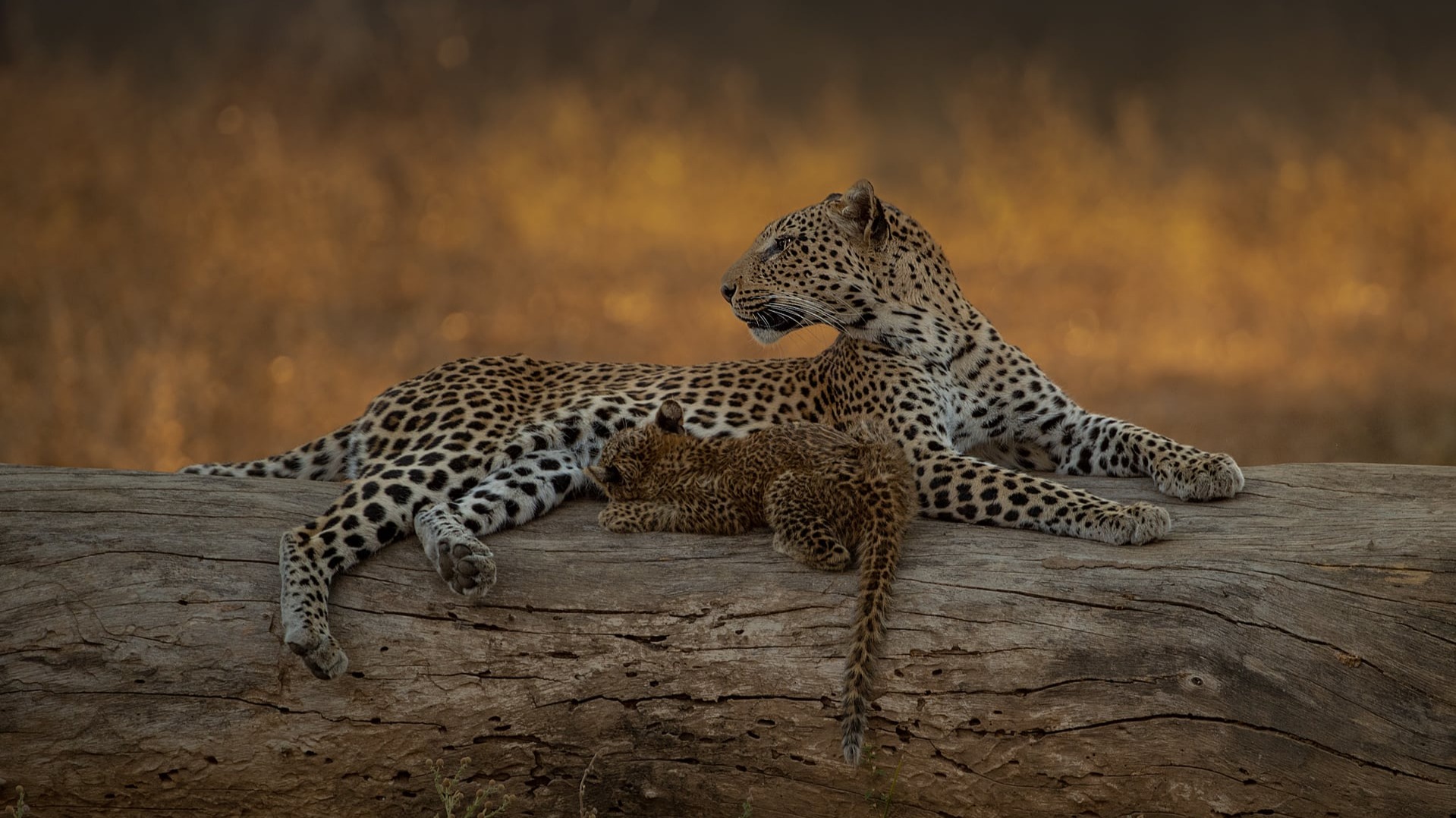
In practical terms, this means that prime leopard viewing in South Africa's Sabi Sand may now extend comfortably into May, while the Serengeti's calving season in Tanzania sometimes begins earlier than the traditional December start. These shifts are not arbitrary; they respond directly to observable changes in ecological rhythms.
Operators who adjust their seasonal calendars demonstrate a deeper understanding of the ecosystems they work within. By aligning their programmes with nature's actual timetable, they offer more authentic experiences and contribute meaningfully to conservation. This approach acknowledges that rigid seasonal labels no longer serve either the wildlife or the discerning traveller effectively.
What This Means for Different Safari Activities
Game viewing remains strong across adjusted seasons, but certain specialised experiences have moved. Walking safaris in Zambia's South Luangwa now achieve optimal conditions slightly later in the dry period, while mokoro excursions in the Okavango Delta offer more intimate encounters during the rising flood months of May and June rather than the peak flood in August.
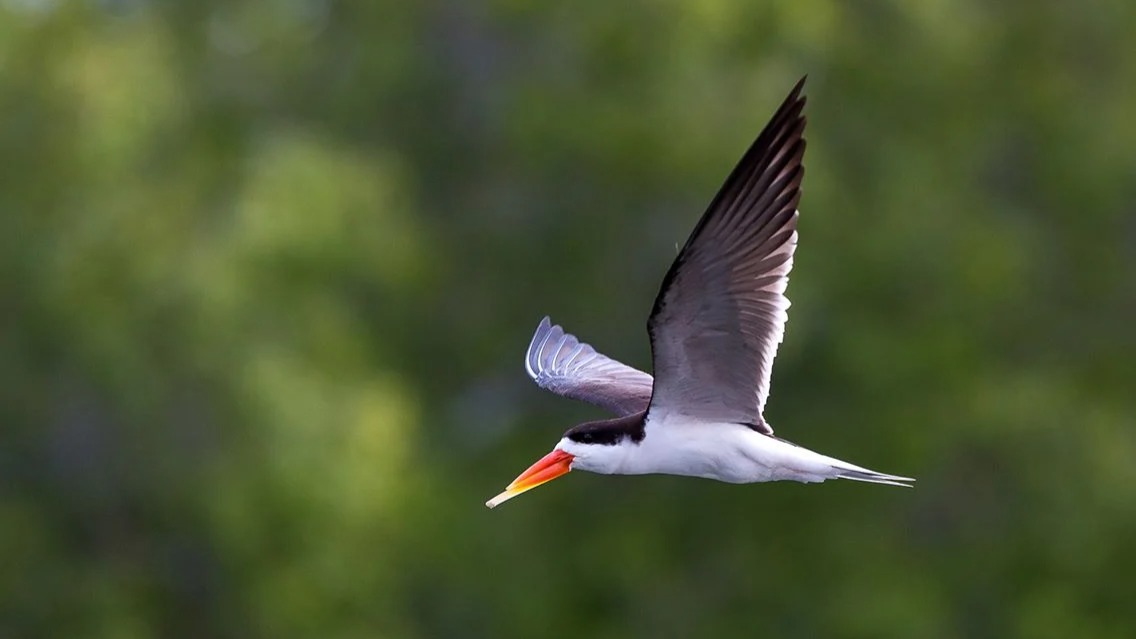
Birdwatching opportunities have similarly evolved. Migratory species arriving from Europe and Asia now appear in different concentrations and at slightly altered intervals, rewarding visitors who time their journeys according to current patterns rather than historical charts.
Practical Implications for Travellers
For those planning a safari, these seasonal shifts require more thoughtful preparation than simply booking the traditional high season. Understanding the advantages of shoulder periods, which often combine excellent game viewing with fewer crowds and better value, has become an essential part of modern safari planning.
Weather expectations have also changed. What once constituted the reliable dry season may now include occasional unseasonal showers, requiring flexible packing and adaptable mindsets. The reward is often a more intimate connection with the landscape and its inhabitants, free from the density of peak-season visitors.
Encounters Africa has responded to these changes by developing flexible itineraries that adapt to current conditions rather than fixed calendars. Our specialists monitor environmental indicators closely and adjust departure dates accordingly, ensuring each journey aligns with the rhythms of the specific ecosystems being visited.
Choosing the Right Time for Your Interests
Consider your priorities carefully. Those seeking dramatic predator-prey interactions might find better opportunities during transitional periods when animals concentrate around remaining water. Photography enthusiasts often prefer the softer light and dramatic skies of shoulder seasons, which can produce more evocative images than the harsh midday sun of traditional peak months.
Families might appreciate the milder temperatures and reduced crowds found outside conventional high season. Whatever your focus, the key lies in matching your expectations to the current realities of each destination rather than outdated seasonal assumptions.
A safari timed with the land rather than against it creates space for genuine connection, where every sighting feels like a privilege rather than an expectation.
The Role of Responsible Operators in Seasonal Adaptation
Leading safari companies now work closely with conservation organisations to understand and respond to these environmental shifts. This collaboration extends beyond simply moving dates; it includes supporting research projects, funding corridor maintenance, and implementing low-impact tourism practices that help protect the very patterns upon which safaris depend.
In Tanzania, forward-thinking operators have partnered with research teams studying the impacts of climate variability on wildebeest migration patterns. Their findings have directly informed adjustments to camp opening dates and activity schedules, creating a more symbiotic relationship between tourism and scientific understanding.
Similarly, in Botswana's northern concessions, lodges work with local communities to monitor changing flood patterns and adjust access routes accordingly. This adaptive management not only improves the guest experience but also strengthens the resilience of the ecosystems that support both wildlife and human livelihoods.

Planning Your Safari in a Changing Climate
The evolution of safari seasons represents both challenge and opportunity. While traditional patterns have shifted, the fundamental appeal of these extraordinary landscapes remains undiminished. The difference lies in approaching your journey with current knowledge and flexibility rather than outdated expectations.
At Encounters Africa, we view these changes not as obstacles but as invitations to experience Africa more authentically. By working with camps and guides who understand the nuances of these evolving patterns, we create journeys that respect the land's new rhythms while delivering exceptional wildlife encounters.
For discerning travellers seeking a private safari beyond our set itineraries, we invite you to contact us directly. We specialise in designing exceptional, tailor-made journeys for individuals, couples, families, and private groups of up to eight guests. Drawing on our handpicked network of distinguished camps and lodges, we curate every detail with precision and care, creating a seamless, deeply personal safari experience shaped entirely around your preferences, pace, and budget.
Whether your interests lie in the predator-rich plains of the Masai Mara, the watery wonderland of the Okavango Delta, or the gorilla forests of Uganda, our team will help you navigate the shifting seasons to create a safari that resonates with both the landscape and your personal vision. The African bush continues to offer profound experiences; it simply asks us to listen more carefully to its changing song.
More like this
News
Why Zambia’s Conservation Partnerships Are Changing the Fate of Its Iconic Species
News
Zambia Strengthens Anti-Poaching Measures to Safeguard Rhinos and Elephants
news
Zambian Safaris Gear Up for 2026: Essential News Roundup
news
Zambia's 2026 Tourism Surge: Key Policy Shifts Driving Economic Gains
news
Zimbabwe 2026 Tourism Briefing: Visitor Caps and Park Access Rules
news